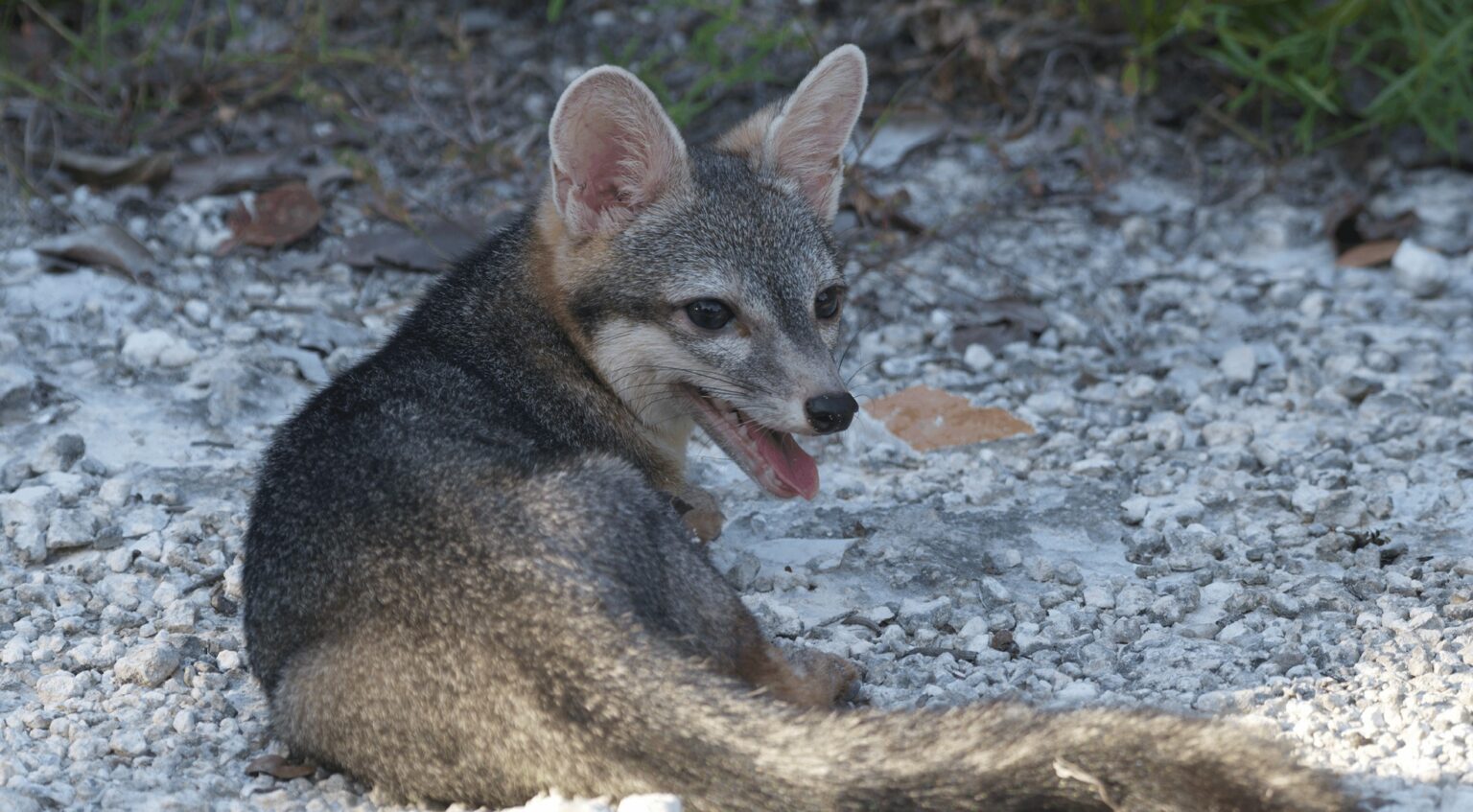

A tiny dwarf fox feared extinct has been photographed for the first time ever after disappearing from sight for more than two decades.
The elusive Cozumel fox, which lives only on a small Mexican island, had not been officially seen since 2001.
Now conservationists have captured the first-ever images of the mysterious animal, offering fresh hope for its survival, as reported by Whats The Jam.
READ MORE: Huge gathering of orcas stuns boat passengers off Britain
- Advertisement -
The photos were published in the Neotropical Biology and Conservation journal on 4 May, and circulated more widely by researchers on Monday (8 June).
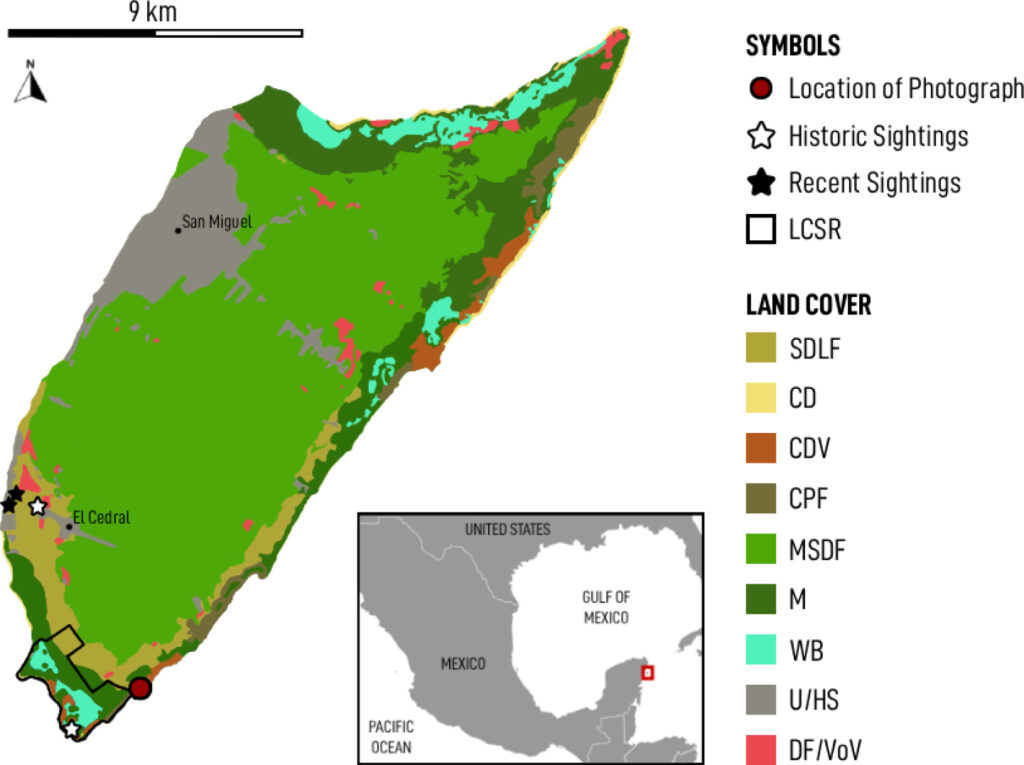
The breakthrough came after reports of a confused fox circulating on social media led rescuers to a coastal road on the eastern side of Cozumel Island.
Conservationist Rafael Chacón found the animal and successfully photographed it, marking the first confirmed images of the species in history.
The fox is remarkably small, measuring up to 80% smaller than its mainland relatives.
Scientists believe thousands of years of isolation on the island caused the species to shrink dramatically in size through a process known as insular dwarfism.
- Advertisement -
Despite its unique appearance, the animal has never been formally classified as its own species.
Before the discovery, the only evidence of the fox’s existence came from subfossil remains found among ancient Mayan ruins and a handful of sightings, the most recent dating back to 2001.
Researchers believe the fox may have been isolated on Cozumel for anywhere between 5,000 and 37,000 years.
- Advertisement -
The adult male, photographed by Chacón in 2023, was recovered alongside staff from the Fundación de Parques y Museos de Cozumel.
After several days under observation, it was released into the protected Laguna Colombia State Reserve.
Dr Travis Bayer, co-author of a study published in Neotropical Biology and Conservation, described the moment the images emerged as extraordinary.
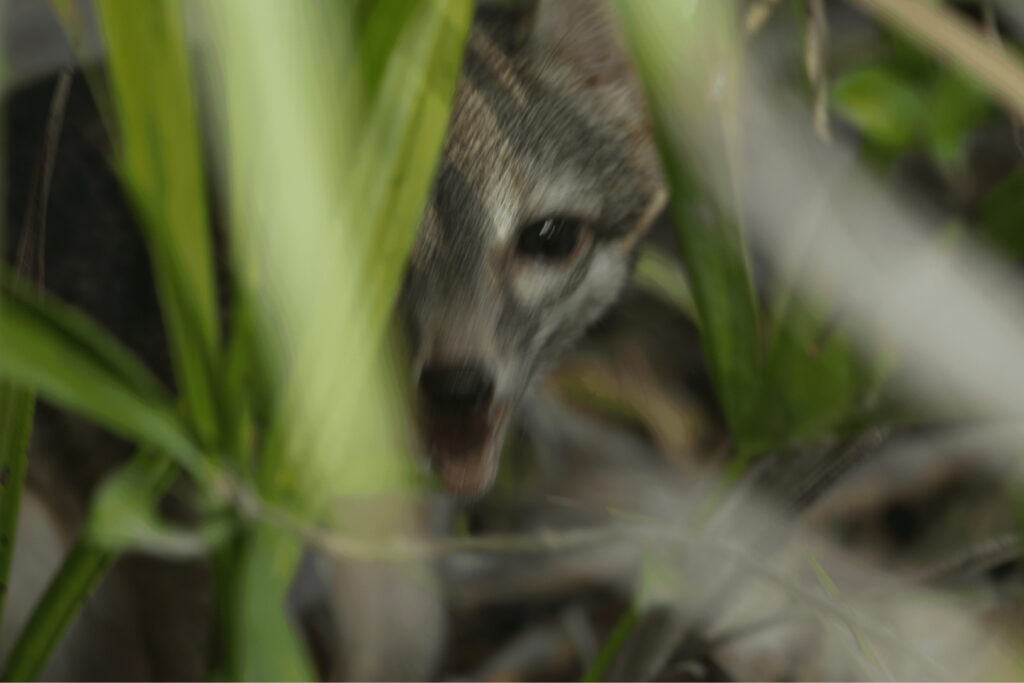
“For a species that many believed extinct, seeing those images was surreal,” he said.
“It showed the fox was still alive and the urgency to protect it increased enormously.”
Scientists now fear the animal could be critically endangered and potentially on the brink of extinction.
Because it has never been formally described or classified, the fox currently has no dedicated protection programme.
Researchers admit they know very little about the animal, including how many remain, where they live or even how they behave in the wild.
Dr Bayer said: “The biggest challenge is that we still know almost nothing about its population size, distribution or ecology.
“This uncertainty makes effective conservation incredibly difficult, and the lack of a formal taxonomic description limits our ability to implement legal protections.”
The species faces a range of threats including traffic on coastal roads, habitat destruction, invasive species and climate change.
Scientists are now calling for urgent surveys, genetic research and formal classification of the fox, alongside greater protection for habitats in the southern part of Cozumel where it has historically been found.
READ MORE: Beekeeper calmly scoops up bee swarm with bare hands in busy town centre