
There are fears that killer Asian hornets have established themselves in Britain after a nest was discovered for the first time.
The invasive predators have been growing in numbers across Europe since the 2000s and have already invaded the Channel Islands.
They have been associated with the deaths of several people in France and China and pose a huge threat to British honey bees.
READ MORE: Competitors plunge headfirst into a stinking bog for Britain’s filthiest sporting CHAMPIONSHIP
- Advertisement -
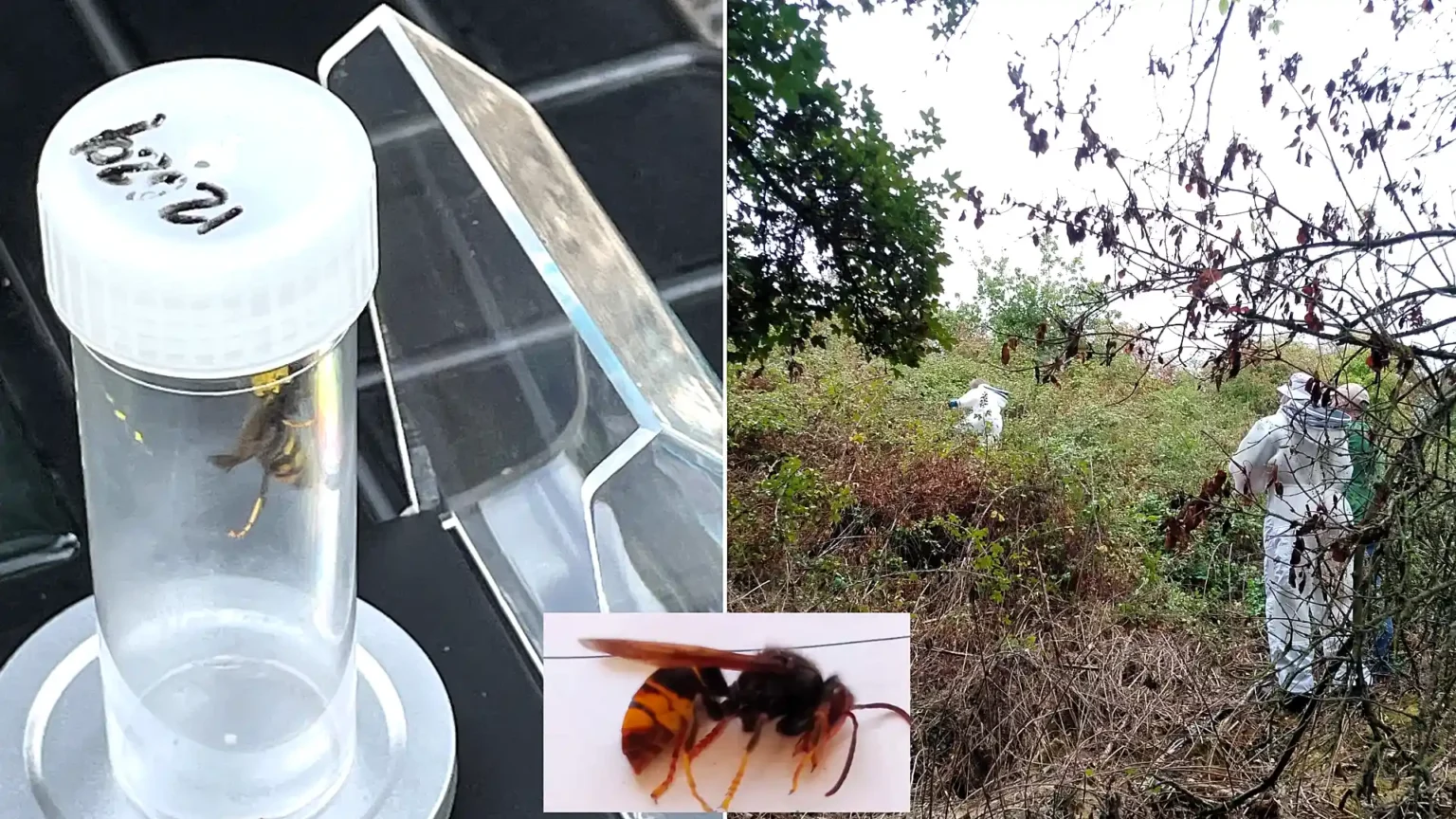
The nest was discovered near Street, Somerset, after a beekeeper spotted one of the yellow-legged hornets near his hives.
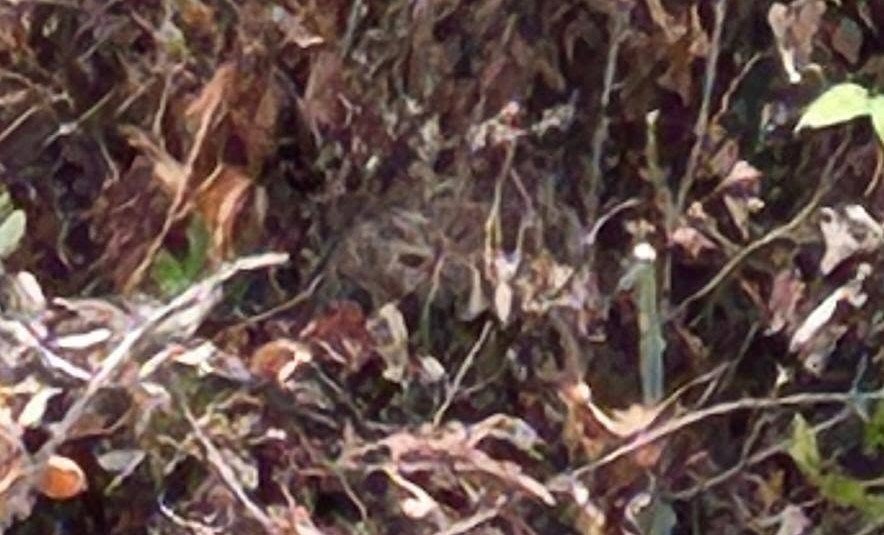
The hornet was electronically tagged before being tracked back to a nest concealed in a large bramble patch in nearby woodland.
The nest was later found and destroyed by a specialist team, as reported by What’s The Jam.
Lynne Ingram, a master beekeeper and head of the Asian Hornet Action Team in Somerset, said the species was highly invasive and needed to be reported and destroyed as soon as it was discovered.
She said: “Following the sighting of yellow-legged hornets in Ashcott, Somerset, we are glad to report that a nest has been found.
- Advertisement -
“Big thanks go to Barry Hulatt for his vigilance in spotting and reporting the hornets, and to all members of the team involved in the search.”
She said an initial report and photograph of a single hornet had been submitted through the Asian Hornet Watch app, with local bee inspectors also informed.
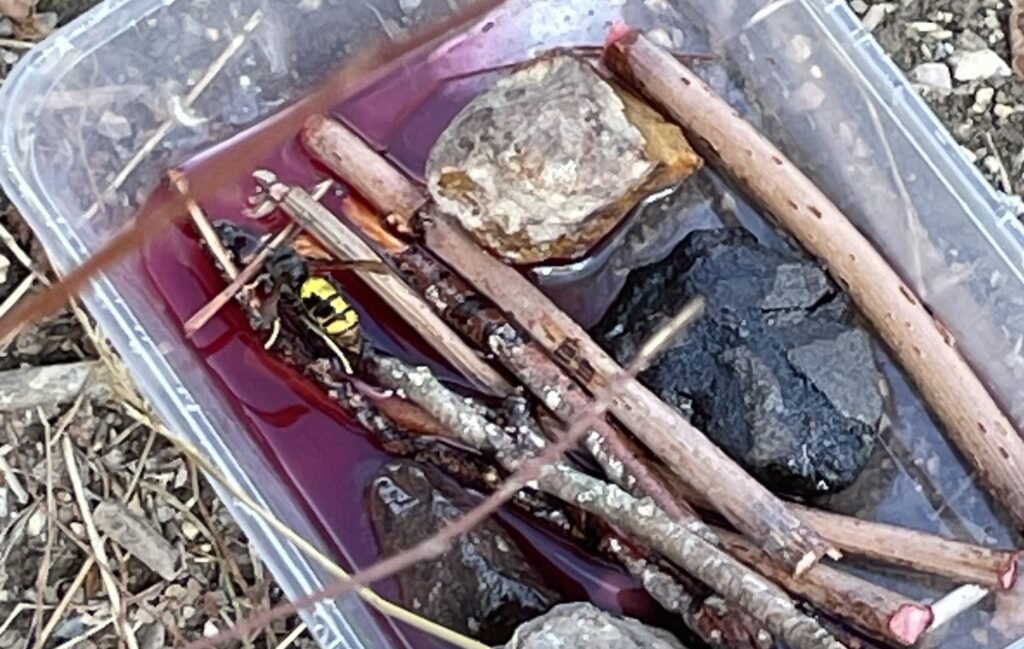
She said the team initially thought it could have been a single “hitchhiker”, but realised there was probably a nest after more hornets were found.
- Advertisement -
Members of the National Bee Unit began tracking the hornets.
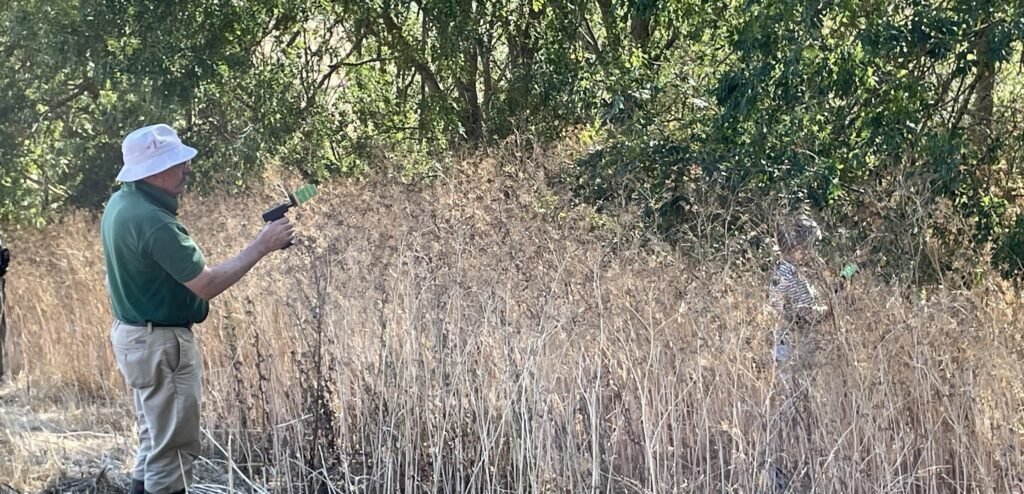
Traditional tracking methods were used alongside the RoboRatur tracker, which involves attaching an electronic tag to a hornet and following its signal as it flies back to the nest.
Lynne Ingram added: “You attach a little electronic tag to a hornet… and then what happens is we had these handheld devices, and you pick up a signal from the electronic tag, and that means as the hornet flies back to her nest you can follow the signal from that tag.”
She said the discovery in Somerset was worrying because of the species’ ability to establish itself quickly.
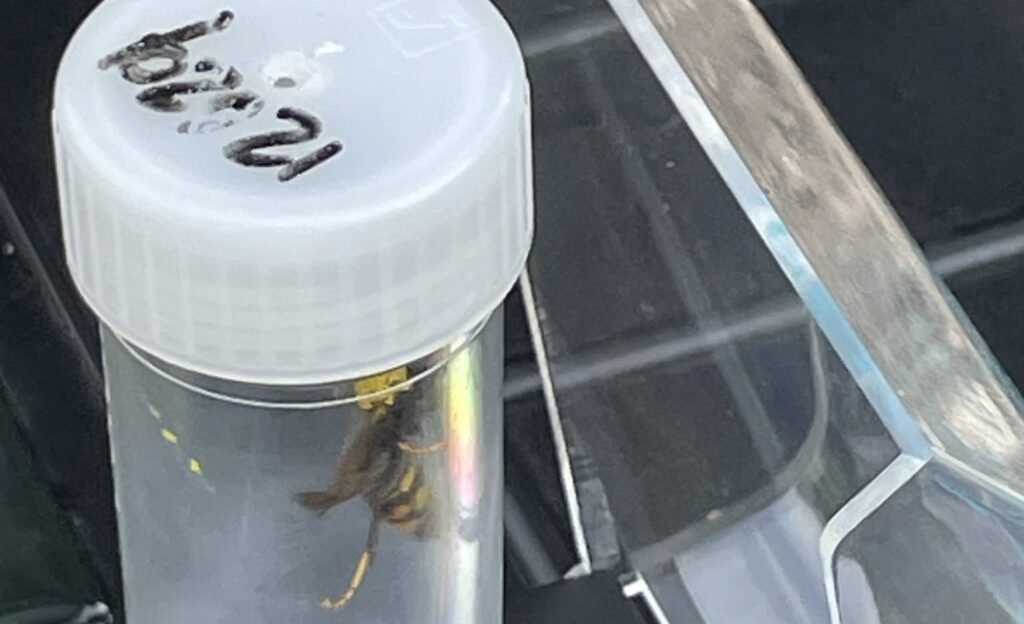
“A nest will consume a huge number of pollinators… about 90,000 insects,” she said.
“We’re losing lots of species and things and we don’t want to add to it by Asian hornets or yellow-legged hornets consuming more insects.”
The hornets can also become aggressive when their nests are discovered, she added, but she said she wanted to avoid causing unnecessary public concern about coming across one.
She urged beekeepers to look out for yellow-legged hornets, which can be easily missed if people are not specifically looking for them.
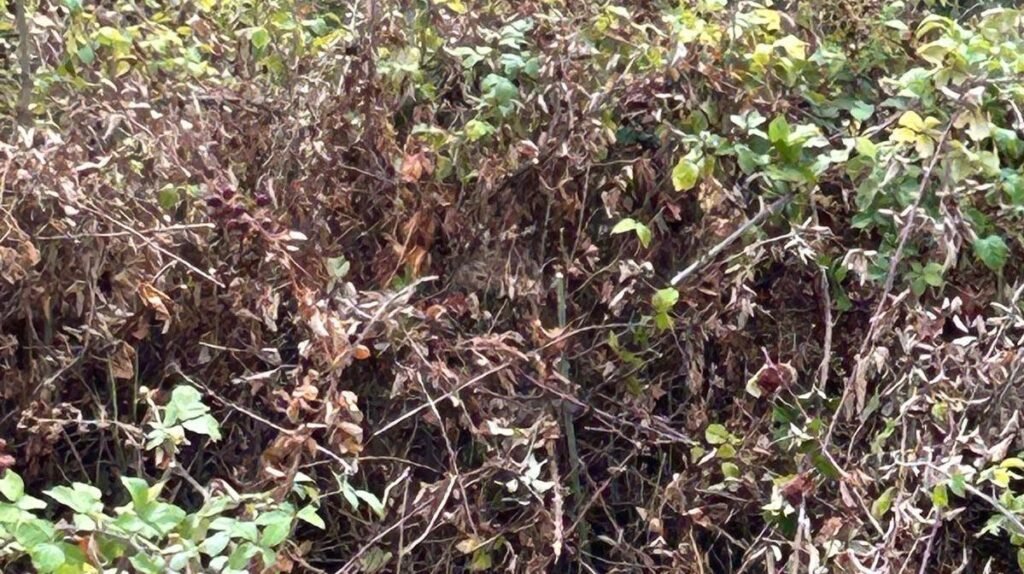
The National Bee Unit advises beekeepers to monitor their apiaries and look closely at wasps and European hornets near their hives in case a yellow-legged hornet is among them.
Other places to look include fallen fruit and ivy, which the hornets can visit to feed on insects and nectar.
The National Bee Unit, which is run by the Department for Environment, Food and Rural Affairs, said the insect was accidentally introduced to Europe in 2004 in a consignment of Chinese pottery sent to the South of France.
It has since established itself in several countries.
Asian hornets are smaller than native UK hornets and have yellow legs and an orange face.
READ MORE: Brit becomes the first person to swim Switzerland’s 10 biggest LAKES