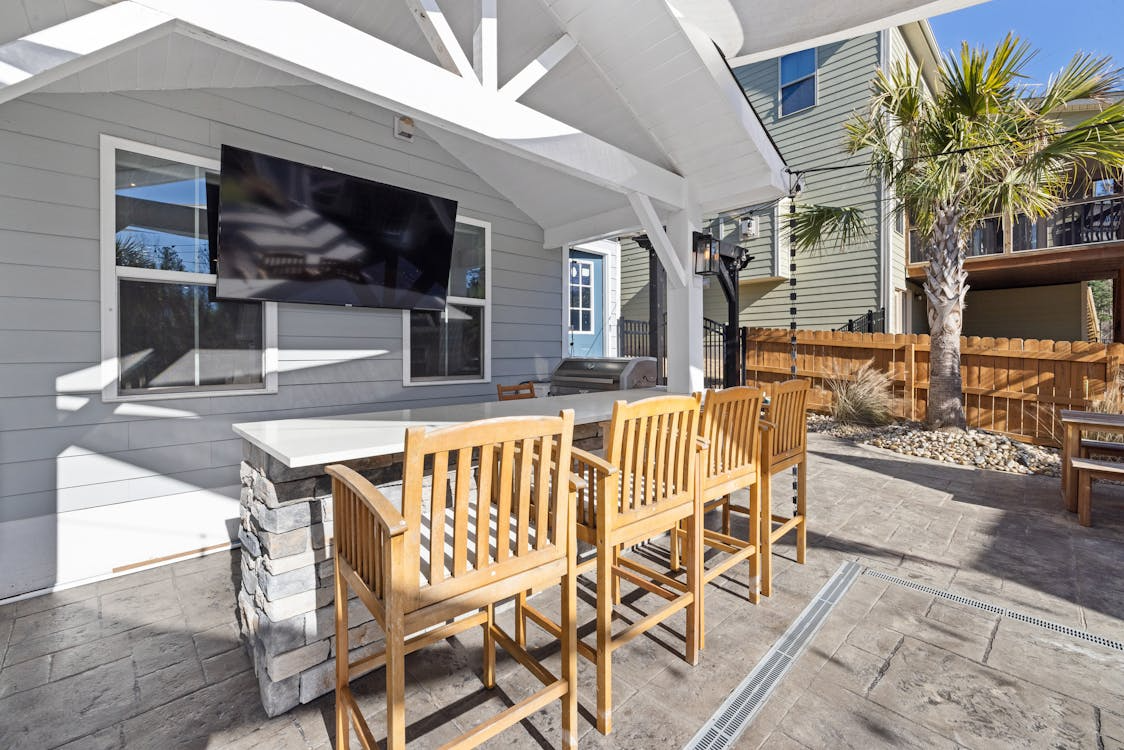


Have you ever looked at your backyard and thought it could be more than just grass and a chair? Many homeowners are rethinking outdoor spaces as extensions of daily life, especially as remote work and staycations continue to shape how people use their homes. Improving your outdoor space does not require a full renovation. With a few smart changes, you can make it more inviting, useful, and even valuable.
Rethinking Outdoor Living in a Stay-at-Home Era
The pandemic years reshaped how Americans view their homes, and that shift has not faded. Outdoor spaces are no longer seasonal extras but year-round assets. People now expect patios and yards to function like second living rooms, places to work, relax, and host.
This trend has pushed homeowners to prioritize comfort and flexibility. Adding shade, weather-resistant furniture, and lighting can transform even a small yard into a usable space throughout the day. The key is to think beyond decoration and focus on how the space fits into your routine.
Smart Watering and Drainage Solutions
Water management often gets ignored until something goes wrong, but it plays a huge role in keeping your yard healthy and usable. Overwatering wastes money, while poor drainage can turn a lawn into a muddy mess after every storm.
Many homeowners are now turning to efficient irrigation systems that adjust based on weather conditions. If you are dealing with uneven watering or leaks, you can restore balance to your system by getting expert help. To learn more, visit https://sunriseirrigation.com/service-area/sprinkler-repair-holiday/.
Creating Functional Zones for Daily Life
One of the simplest ways to upgrade your outdoor space is by dividing it into zones. Think of your yard as a layout rather than a single open area. You might have a dining section, a lounging corner, and a small garden area.
This approach reflects a broader societal trend toward multifunctional spaces, especially as homes double as offices and entertainment hubs. Even a modest yard can feel larger and more organized when each section has a clear purpose. Use rugs, planters, or different materials to visually separate areas without building walls.
Choosing Low-Maintenance Landscaping
Not everyone has the time or patience to maintain a high-maintenance garden, and that is perfectly fine. In fact, low-maintenance landscaping has become increasingly popular as people balance busy schedules with home improvement goals.
Native plants, drought-resistant grasses, and simple mulch beds can reduce the need for constant watering and trimming. This approach is also more environmentally friendly, which aligns with growing awareness about water conservation and climate change. The result is a yard that looks good without demanding all your free time.
Lighting That Extends the Day
Outdoor lighting is one of the most overlooked upgrades, yet it has an immediate impact. Good lighting allows you to use your space after sunset while also improving safety and ambiance.
String lights, solar path lights, and LED fixtures can create a warm and inviting atmosphere. With energy costs and sustainability on many minds, solar options are especially appealing. They require little installation and help reduce electricity use, making them both practical and cost-effective.
Furniture That Balances Comfort and Durability
Outdoor furniture has come a long way from the stiff plastic chairs of the past. Today’s options focus on comfort, style, and durability, reflecting how seriously people now take their outdoor spaces.
Look for materials that can handle weather changes without constant upkeep, such as powder-coated metal or treated wood. Cushions with weather-resistant fabric add comfort without becoming a maintenance headache. Investing in quality pieces may cost more upfront, but it saves money in the long run by reducing replacements.
Adding Personal Touches That Reflect Your Style
Your outdoor space should feel like an extension of your personality, not a copy of a catalog. Small details can make a big difference in how the space feels.
Consider adding artwork, colorful planters, or even a small water feature. These elements create visual interest and make the space uniquely yours. In a time when social media often pushes identical design trends, adding personal touches helps your space stand out in a more authentic way.
Simple Upgrades That Boost Home Value
Improving your outdoor space is not just about comfort; it can also increase your home’s value in a competitive housing market. Buyers are paying closer attention to usable outdoor areas, especially as affordability challenges push people to stay longer in their homes.
Small upgrades like a clean patio, trimmed landscaping, and updated lighting can make a strong first impression. Even adding a defined seating area or improving drainage can signal that the property is well cared for. These changes do not require major construction, but they can influence how potential buyers perceive both the space and the home overall.
Embracing Outdoor Tech Without Overdoing It
Technology has made its way outdoors, from Bluetooth speakers to smart lighting systems. While these features can enhance your space, it is important to use them thoughtfully.
A simple speaker system or app-controlled lights can add convenience without overwhelming the natural feel of your yard. The goal is to enhance the experience, not turn your outdoor retreat into another screen-heavy environment. Balance is key, especially as many people look to outdoor spaces as a break from digital overload.
Seasonal Flexibility for Year-Round Use
Weather patterns have become less predictable, and homeowners are adapting by making outdoor spaces more flexible. Features like portable heaters, fire pits, and retractable shade covers allow you to use your yard in different conditions.
This adaptability reflects a broader shift toward resilience in home design. Instead of building for one season, people are creating spaces that can adjust throughout the year. Even simple additions can extend the usability of your outdoor area and make it a consistent part of your lifestyle.
Improving your home’s outdoor space does not require a massive budget or a complete overhaul. It starts with understanding how you want to use the space and making thoughtful choices that support that vision. As more people invest in their homes as long-term hubs for work, relaxation, and connection, outdoor areas are becoming just as important as indoor ones. With a mix of practicality and creativity, even small changes can turn an ordinary yard into a space that truly works for you.