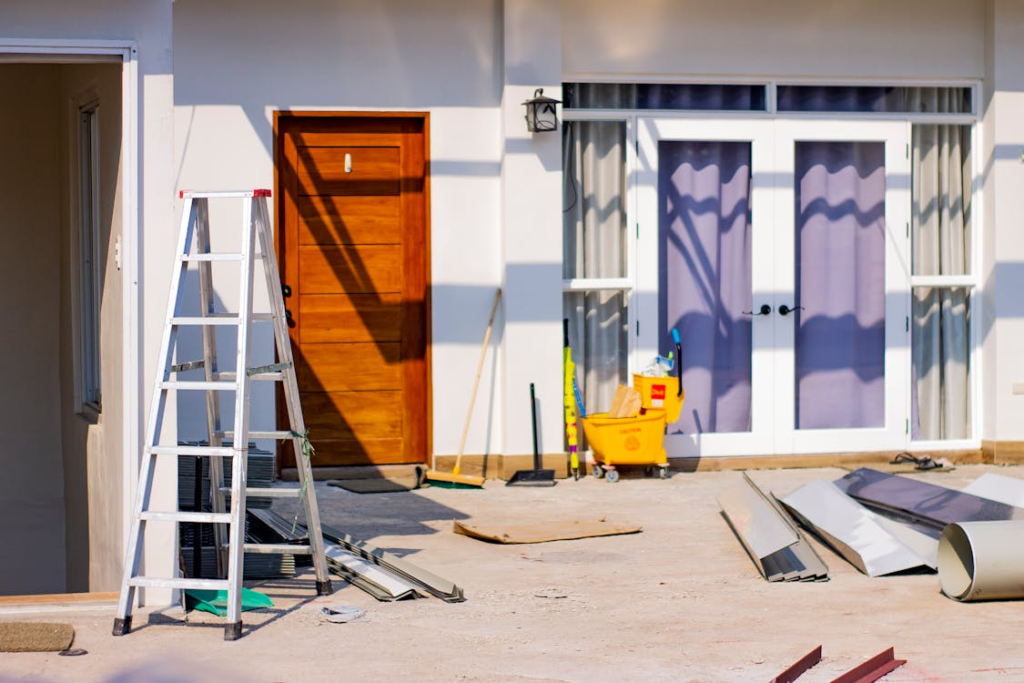


Have you ever walked into a new home in Illinois and felt that mix of pride and quiet panic? The boxes are stacked, the keys feel heavy, and every corner hints at work waiting to be done. Buying a home still stands as a big milestone, even as interest rates shift and moving costs rise. In this blog, we will share what every homeowner should fix after moving in to settle faster and avoid bigger trouble later.
Start with what keeps the house standing
The first week after moving in often gets lost in unpacking, yet the real work hides behind walls and under floors. While it is tempting to hang art or set up furniture, the structure demands attention first because small cracks or hidden leaks can grow into expensive repairs. A careful walk-through of the foundation, roof, and basement can reveal signs of water damage, uneven settling, or missing insulation.
In many parts of Illinois, shifting soil and seasonal freeze-thaw cycles put stress on foundations, so even a hairline crack deserves a closer look. Run your hand along basement walls, check for damp spots, and inspect the roof from outside for loose shingles. These are not glamorous fixes, but they protect everything else you plan to build inside the house. Think of it as dealing with the skeleton before worrying about the skin.
Make safety systems your first upgrade
Right after securing the structure, shift focus to safety because peace of mind should not depend on what the previous owner left behind. Change all locks, test smoke detectors, and inspect electrical panels before settling into daily routines. It sounds basic, yet many people delay these steps while focusing on décor or furniture, which says a lot about how comfort often wins over caution.
During the moving process, especially if you worked with local St. Charles movers, you likely handled logistics with care and precision, so it makes sense to bring that same attention to the systems that protect your home. Check circuit breakers for labels, replace old batteries in detectors, and confirm that carbon monoxide alarms work properly. These are not upgrades that show off during housewarming parties, but they quietly guard every night you sleep there.
Electrical systems deserve a close look because older homes often carry outdated wiring that struggles with modern appliances. If you notice flickering lights or warm outlets, call a licensed electrician instead of hoping the issue disappears. It will not. The same goes for plumbing. Turn on every faucet, flush toilets, and check under sinks for leaks because even a slow drip can lead to mold or structural damage over time.
There is a strange habit among homeowners to trust that everything works simply because the sale closed. In reality, inspections catch many issues, but they do not cover everything. Treat your first week as a second inspection where you act, not just observe.
Fix what wastes money every month
Once safety is handled, turn to the parts of the home that quietly drain your budget. Energy inefficiency remains one of the most common problems in older houses, and with rising utility costs, ignoring it can feel like leaving money on the table.
Start with the HVAC system because it works harder than anything else in the house. Replace filters, schedule a professional inspection, and clean vents to improve airflow. Many homeowners move in and assume the system works fine until the first extreme weather hits, which is often when failures show up. A serviced system not only runs better but also lasts longer.
Next, check insulation in the attic and walls. Poor insulation forces heating and cooling systems to work overtime, which increases energy bills without improving comfort. Adding insulation is not the most exciting project, but it pays off quickly. Even small steps like sealing gaps around pipes or installing door sweeps can make a noticeable difference.
Water efficiency matters too. Replace old showerheads and faucets with low-flow models, and check for running toilets. These fixes are simple, but they reduce water bills and prevent unnecessary waste. In a time when sustainability gets more attention, these small actions connect personal savings with broader environmental impact.
Tackle hidden health risks early
Health hazards do not announce themselves, yet they sit quietly in many homes, especially older ones. Addressing them early prevents long-term problems that are harder and more expensive to fix later.
Start with air quality. Change HVAC filters, clean ducts if needed, and consider adding an air purifier if the home has a history of dust or allergens. Mold is another concern, particularly in basements or bathrooms where moisture builds up. Look for discoloration, musty smells, or peeling paint because these signs often point to hidden growth.
Lead paint and asbestos remain issues in older Illinois homes. If your house was built before modern regulations, testing becomes important before starting any renovations. Disturbing these materials without proper handling can create serious health risks. Hiring professionals for testing may feel like an extra step, but it prevents far bigger problems down the line.
Water quality should not be ignored either. Test your water for contaminants, especially if the home uses older pipes. Installing a basic filtration system can improve taste and safety at the same time. It is one of those changes that quickly becomes part of daily life, yet many people forget to consider it.
Plan fixes before trends pull you off track
It is easy to get caught up in trends, especially when social media pushes constant ideas about what a home should look like. One week it is open shelving, the next it is bold paint colors, and soon your to-do list shifts away from what actually matters.
Create a clear plan for repairs and improvements based on priority, not appearance. Write down what needs fixing now, what can wait, and what is purely cosmetic. This keeps spending in check and prevents regret later. Many people rush into renovations only to realize they ignored more important issues, which leads to doing work twice.
At the same time, allow some flexibility because living in the space will change how you see it. What seemed like a problem during the first week may not matter after a month, while other issues become more noticeable. Pay attention to how you move through the house, where you spend time, and what slows you down. Those observations guide better decisions than any trend.
Owning a home comes with a mix of control and responsibility, and the first few weeks set the tone for everything that follows. Fixing the right things early does more than prevent damage. It builds a sense of stability, where the house stops feeling like someone else’s and starts working for you in a practical, steady way.
Pic: Source