

The bathroom plays a central role in everyday comfort, yet it is often overlooked when planning home upgrades. A well-designed space supports both relaxation and functionality, making daily routines smoother and more efficient. Improving this area is not only about visual appeal; it also involves better use of space, reduced utility costs, and increased durability. Homeowners who invest in thoughtful updates often notice immediate improvements in convenience and long-term value.
Bathrooms are exposed to constant moisture and frequent use, which can lead to wear over time if the design is not optimized. Poor ventilation, outdated fixtures, and inefficient layouts often contribute to discomfort and higher maintenance needs. Many homeowners begin considering an upgrade when they experience limited space or rising water bills. Addressing these concerns early helps prevent larger issues and creates a more comfortable, practical environment.
Assessing Your Current Layout for Better Functionality
A careful assessment of your existing bathroom layout is the first step toward meaningful improvement. Start by observing how the space functions during daily use. Pay attention to movement patterns, fixture placement, and areas that feel cramped or underutilized. Limited clearance around sinks, toilets, or showers can reduce comfort and create inefficiencies. When these constraints begin to affect convenience, it becomes clear that surface-level updates may not fully resolve the underlying issues.
In many cases, addressing these challenges requires a more comprehensive approach that looks at the space as a whole rather than isolated fixes. This is where a professionally planned bathroom remodel becomes especially valuable, as it allows for a complete reworking of layout, flow, and usability. By redesigning the space with proper spacing and intentional placement, homeowners can achieve a more functional environment that supports daily routines while improving long-term efficiency and comfort.
Maximizing Layout and Spatial Flow
Improving spatial flow involves organizing the bathroom so that every movement feels natural and unobstructed. Start by positioning frequently used fixtures within easy reach. Keeping the sink, toilet, and shower logically arranged reduces unnecessary steps and improves overall convenience. Even small adjustments, such as shifting a vanity or opting for a compact fixture, can create a noticeable difference in usability.
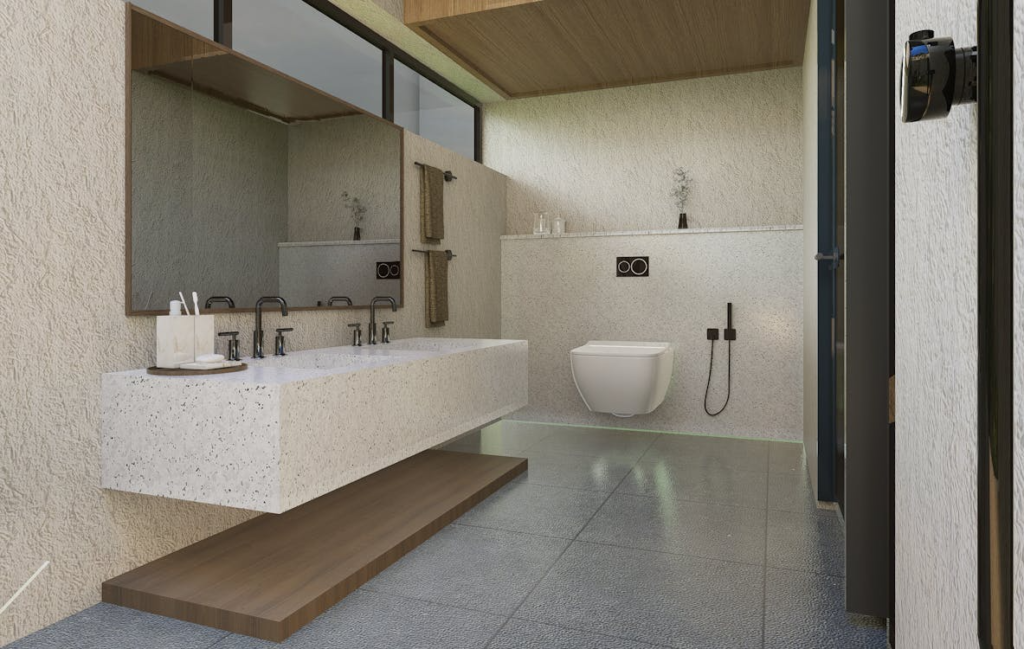
Open layouts also contribute to a more comfortable environment. Wall-mounted vanities and walk-in showers help free up floor space, making the room feel larger and less crowded. Consistent flooring and minimal visual barriers further enhance this effect. These design choices not only improve daily comfort but also make cleaning and maintenance more manageable over time.
Energy-Efficient Lighting and Ventilation
Lighting and ventilation play a crucial role in both comfort and efficiency. Upgrading to LED lighting provides strong illumination while using significantly less energy than traditional bulbs. Aim for layered lighting that includes overhead fixtures, task lighting around mirrors, and softer ambient options. This combination ensures visibility while allowing flexibility based on different needs throughout the day.
Proper ventilation is equally important. High-quality exhaust fans help control moisture, reducing the risk of mold and surface damage. Selecting a fan with the appropriate CFM rating ensures effective air circulation for the room size. Together, efficient lighting and ventilation create a healthier, more comfortable bathroom while lowering long-term energy costs.
High-Efficiency Fixtures for Water Conservation
Upgrading to high-efficiency fixtures is one of the most practical ways to improve comfort and save on costs. Modern toilets are designed to use significantly less water per flush compared to older models, helping reduce overall household consumption without sacrificing performance. This change alone can make a noticeable difference in both water usage and utility expenses. Similarly, faucets with aerators help maintain steady pressure while limiting unnecessary flow.
Showerheads designed for efficiency provide consistent coverage while using less water during daily routines. These fixtures are engineered to balance performance and conservation, making them a reliable choice for long-term use. Choosing options that meet recognized efficiency standards ensures dependable results over time. In addition to cost savings, these upgrades support sustainable living practices and contribute to a more environmentally responsible home.
Modern Materials for Durability and Easy Maintenance
Selecting the right materials plays a key role in maintaining a bathroom’s condition over time. Moisture-resistant options such as porcelain tile and quartz surfaces help prevent issues like warping, staining, and mold growth. These materials are designed to handle frequent exposure to water while maintaining their appearance.
Low-maintenance finishes also simplify cleaning routines. Large-format tiles and minimal grout lines reduce areas where dirt and moisture can accumulate. Non-porous surfaces are especially beneficial, as they resist bacteria and require less upkeep. Investing in durable materials not only improves hygiene but also extends the lifespan of the entire space.
Smart Technology Integration for Comfort and Control
Smart technology continues to enhance how bathrooms function day to day. Motion-sensor faucets and digital shower controls allow for precise adjustments in water temperature and flow. These features improve convenience while reducing unnecessary water use.
Additional upgrades, such as heated flooring and towel warmers, increase comfort, especially during colder months. Smart mirrors with built-in lighting and defogging features add both functionality and efficiency. Integrating these technologies creates a more responsive and user-friendly environment that aligns with modern living standards.
Storage Solutions for a Clutter-Free Environment
Effective storage solutions help maintain a clean and organized bathroom. Vertical storage options such as tall cabinets and wall-mounted shelves make use of available space without crowding the room. These additions keep essentials accessible while preserving floor area.
Custom cabinetry can further improve organization by incorporating dividers and pull-out features. Multi-functional vanities provide both storage and usability, making them a practical choice for smaller spaces. A well-organized bathroom not only looks better but also improves efficiency by reducing daily clutter.
Creating a Bathroom That Works for You
Improving comfort and efficiency requires a combination of thoughtful design choices and practical upgrades. From selecting high-efficiency fixtures to incorporating durable materials and modern technology, each improvement enhances usability. Small adjustments can make a noticeable difference in how the space functions every day.
A well-optimized bathroom supports both convenience and long-term value. It reduces maintenance demands, lowers utility costs, and creates a more enjoyable environment. By focusing on both performance and comfort, homeowners can achieve a balanced space that meets current needs while adding lasting value to the home.