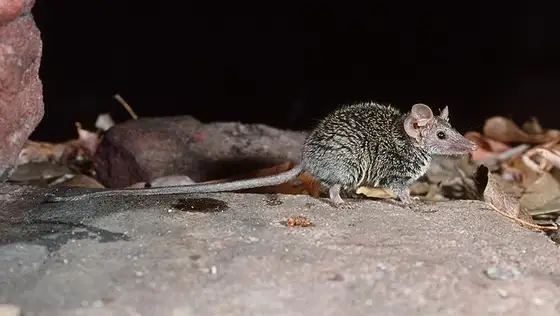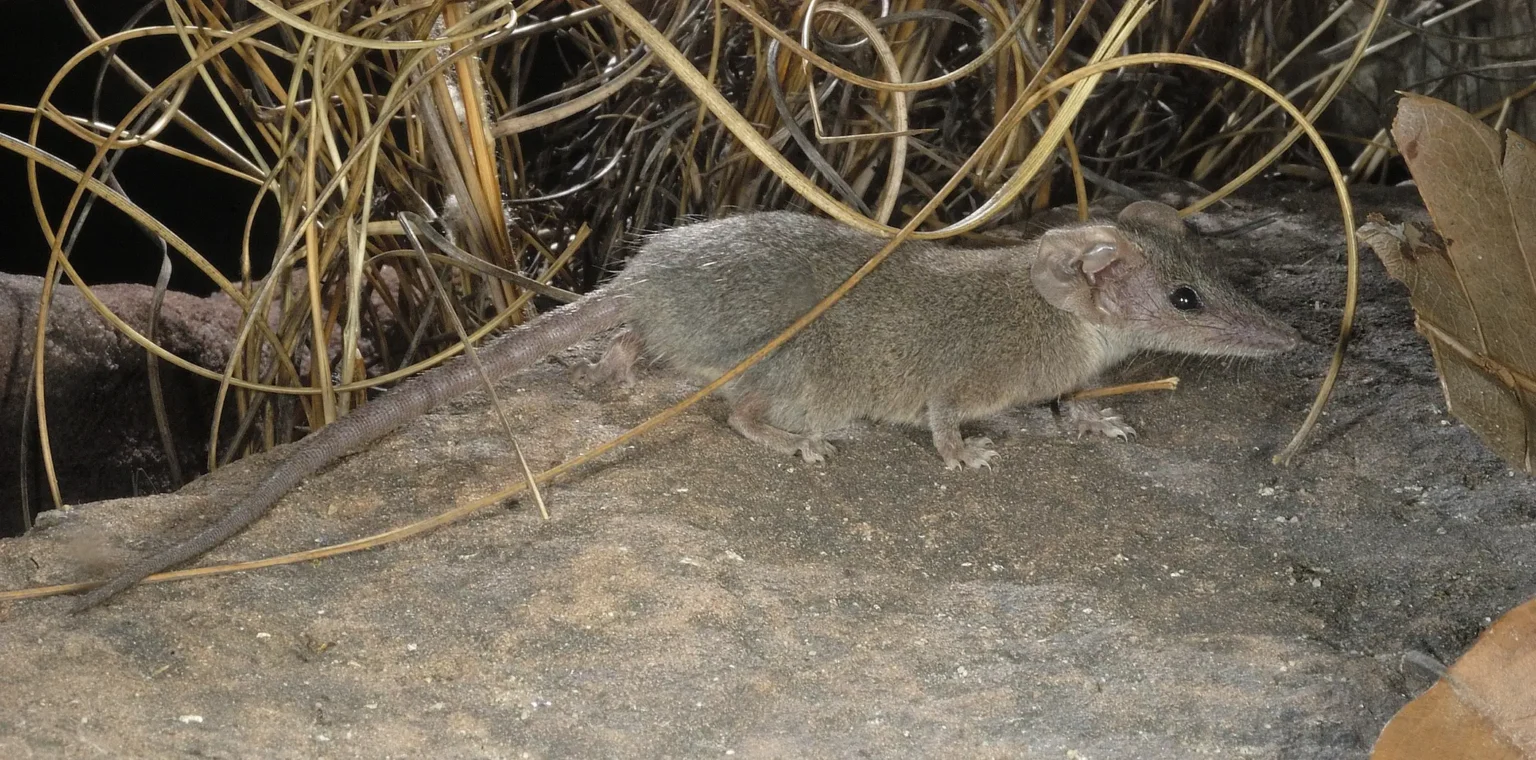

A new species of one of the world’s tiniest yet fiercest mammals has been discovered by scientists.
The newly identified marsupial belongs to the planigale family – tiny predators that can weigh less than a teaspoon of water, squeeze through narrow cracks using their flattened skulls and emerge at night to hunt insects, spiders, lizards and even young mammals.
Researchers studying Australia’s elusive planigales – the world’s smallest marsupials – have discovered a previously unknown species living among the rocky sandstone slopes of Kakadu National Park.
READ MORE: Penguin believed to be oldest of her kind turns 38 with sprat-acular celebration
- Advertisement -
The newly described animal, named Planigale petrophila, or the Arnhem plateau planigale, was identified on 24 June after scientists combined DNA analysis with detailed examinations of museum specimens collected over several decades.
The discovery means there are now nine recognised species of planigale – eight in Australia and one in Papua New Guinea, as reported by creatorzine.com.
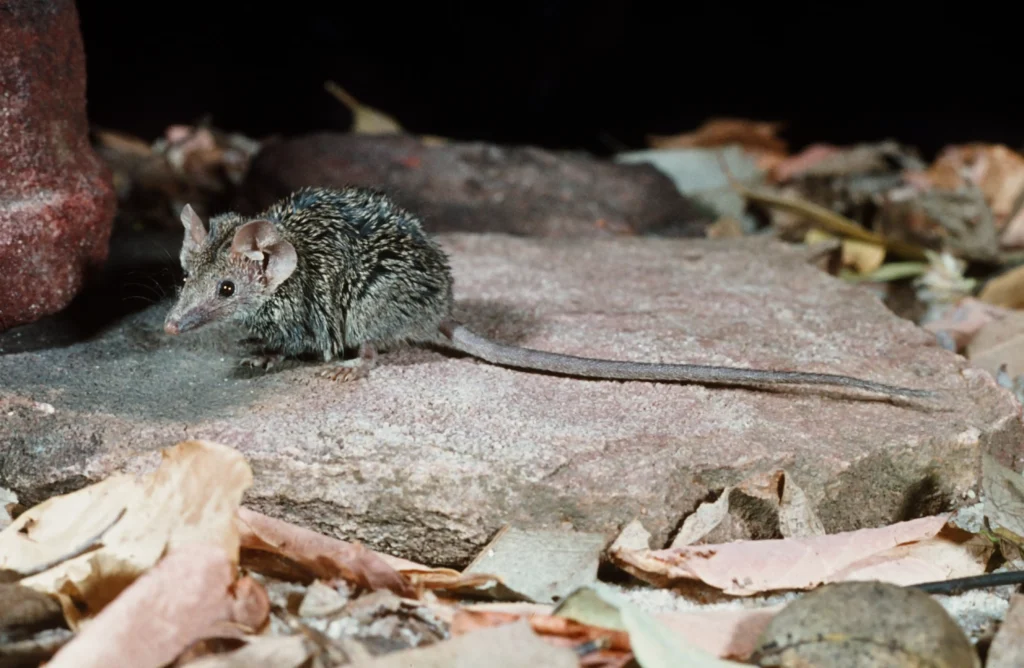
Although the newly identified species is larger than its closest relatives, planigales as a group are astonishingly small. Some species weigh little more than two grams – less than a teaspoon of water – yet are fearless nocturnal hunters capable of tackling prey almost as large as themselves.
They emerge after dark to feed on insects, spiders, small lizards and even young mammals.
One of their most unusual features is an exceptionally flattened head, allowing them to squeeze into narrow cracks and crevices to escape predators and Australia’s extreme temperatures.
- Advertisement -
Lead author Dr Linette Umbrello said the discovery showed that what had long been considered a single species was actually made up of three distinct ones.

By analysing hundreds of DNA samples alongside body and skull measurements from museum collections across Australia, researchers were able to untangle the hidden diversity.
As well as identifying P. petrophila, the team also reinstated another species, Planigale subtilissima, which had previously been grouped with Planigale ingrami.
- Advertisement -
The newly described “rock-loving” planigale appears to be especially elusive.
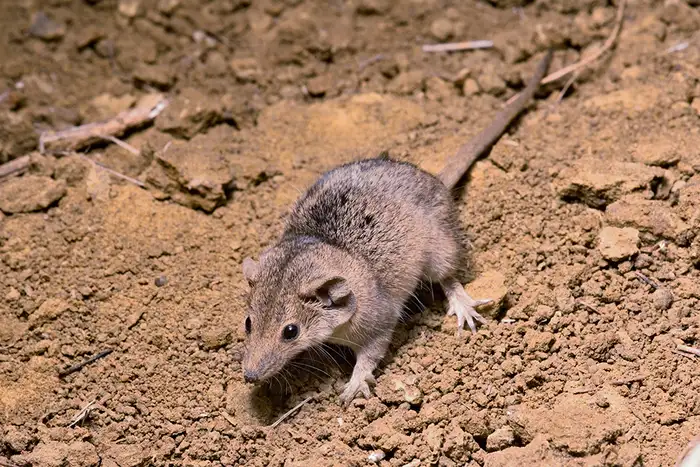
Scientists know of just three specimens, all collected within about 12 kilometres of each other on the sandstone plateau and rocky slopes of Kakadu National Park in the Northern Territory.
Remarkably, it has not been recorded since 2004, raising concerns that it could already be under threat.
The species stands out from other planigales thanks to its unusually long tail and larger body and skull proportions.
Co-author Associate Professor Andrew Baker said its tiny known range means it should undergo an urgent conservation assessment.
He said correctly identifying species is vital because conservation decisions depend on understanding exactly which animals exist and where they live.
The researchers say museum collections proved invaluable, allowing them to study specimens gathered decades ago and identify species that may now be extremely difficult to find in the wild.
Writing in the Zoological Journal of the Linnean Society, the team said their findings highlight how Australia’s mammal diversity is still being uncovered despite decades of research.
In fact, more than 20 new mammal species have been added to Australia’s species list in the past five years, thanks to advances in genetic technology and renewed studies of historic museum collections.
READ MORE: Tiny bat weighing less than a teaspoon of salt rediscovered after being feared extinct for 45 years