
Scientists have rediscovered a tiny bat species that had not been seen in the wild for 45 years and was widely feared extinct.
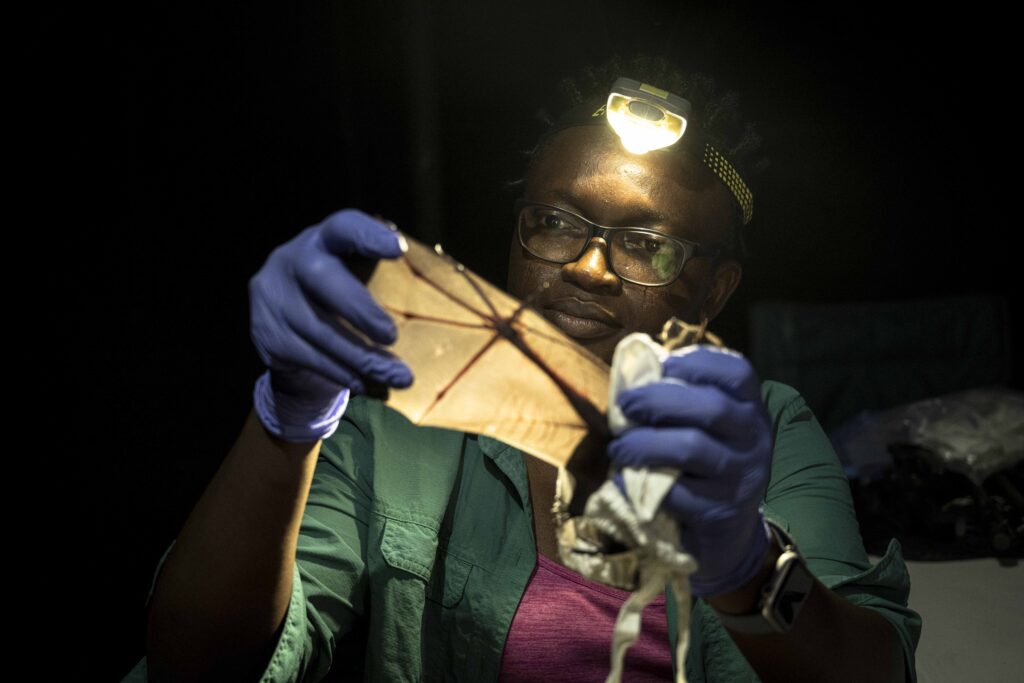
The remarkable find was made in Nigeria’s Afi Mountain Wildlife Sanctuary by conservation ecologist Dr Iroro Tanshi and her team during surveys of remote rainforest caves.
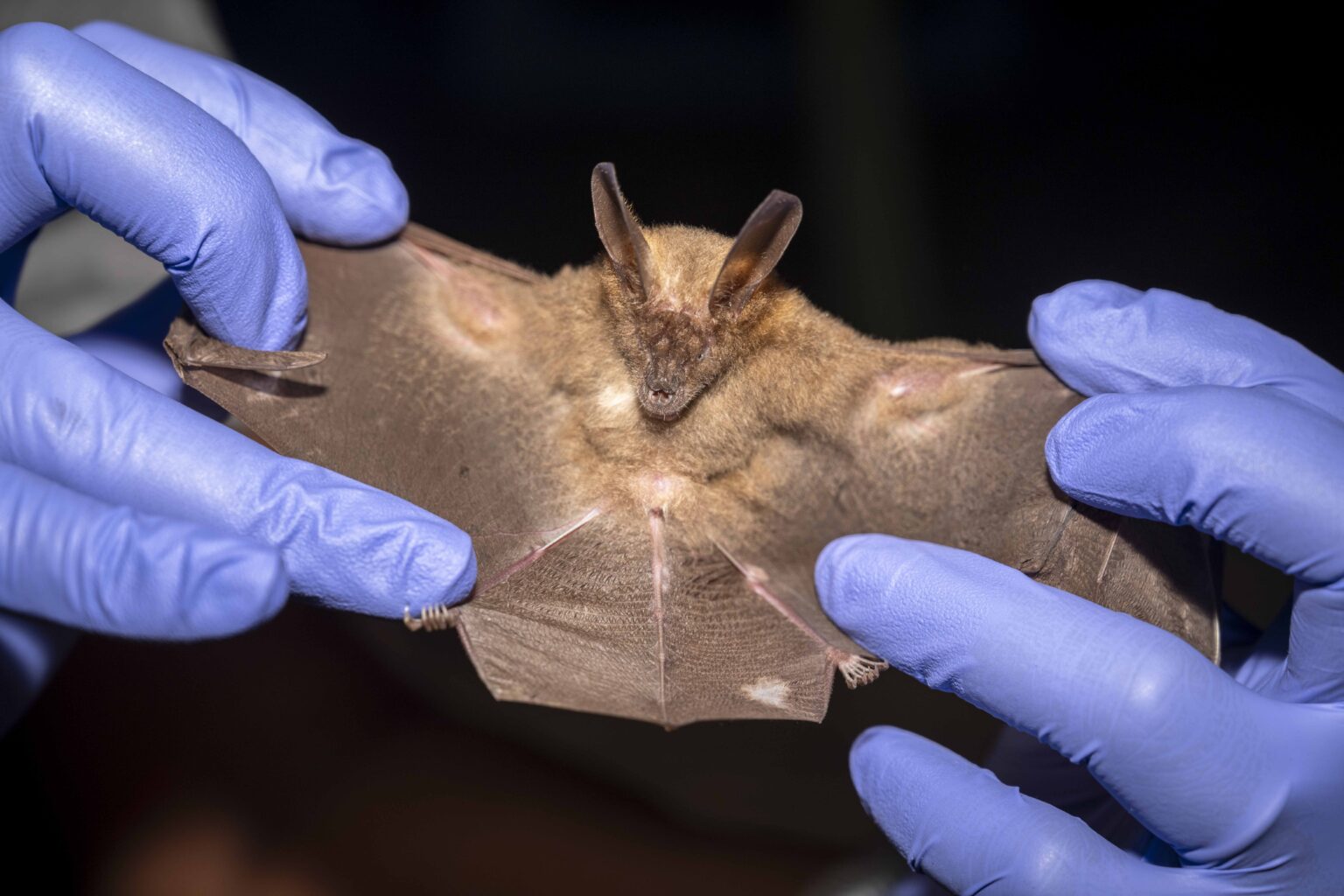
The species, known as the short-tailed roundleaf bat, weighs just seven grams – roughly the same as a teaspoon of salt – and is recognised by its distinctive leaf-shaped nose.
READ MORE: Tiny dwarf fox feared EXTINCT is caught on camera for first time in 20 years
- Advertisement -
The rediscovery marked the first confirmed sighting of the bat in Nigeria for more than four decades and came after the species had gone undocumented globally for five years.
But what should have been a moment of celebration quickly turned into a conservation emergency, as reported by Whats The Jam.
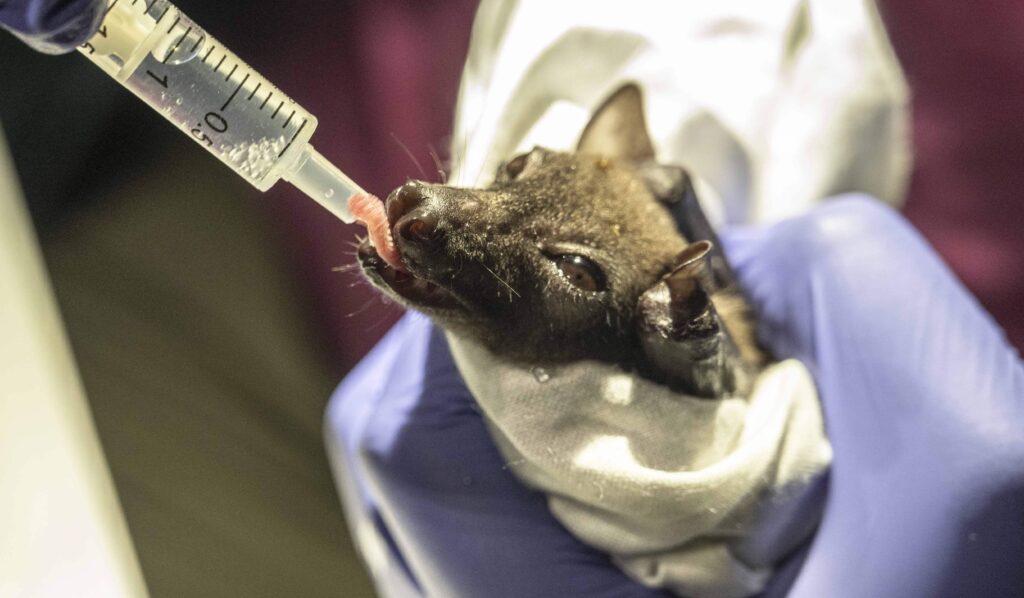
Just weeks after the discovery, a devastating wildfire swept through the sanctuary, burning thousands of acres of forest and forcing researchers to evacuate.
The blaze highlighted the growing threat posed by increasingly severe wildfires in one of Nigeria’s last remaining areas of primary rainforest.
Earlier this year, Dr Tanshi was recognised with the prestigious Goldman Environmental Prize – often described as the “Green Nobel Prize”.
- Advertisement -
The award honours environmental campaigners from around the world who have made significant contributions to protecting nature.
Following the wildfire, Dr Tanshi and colleagues at the Small Mammal Conservation Organization (SMACON), which she co-founded in 2016, launched an ambitious community-led campaign to protect the forest and the rare species living within it.
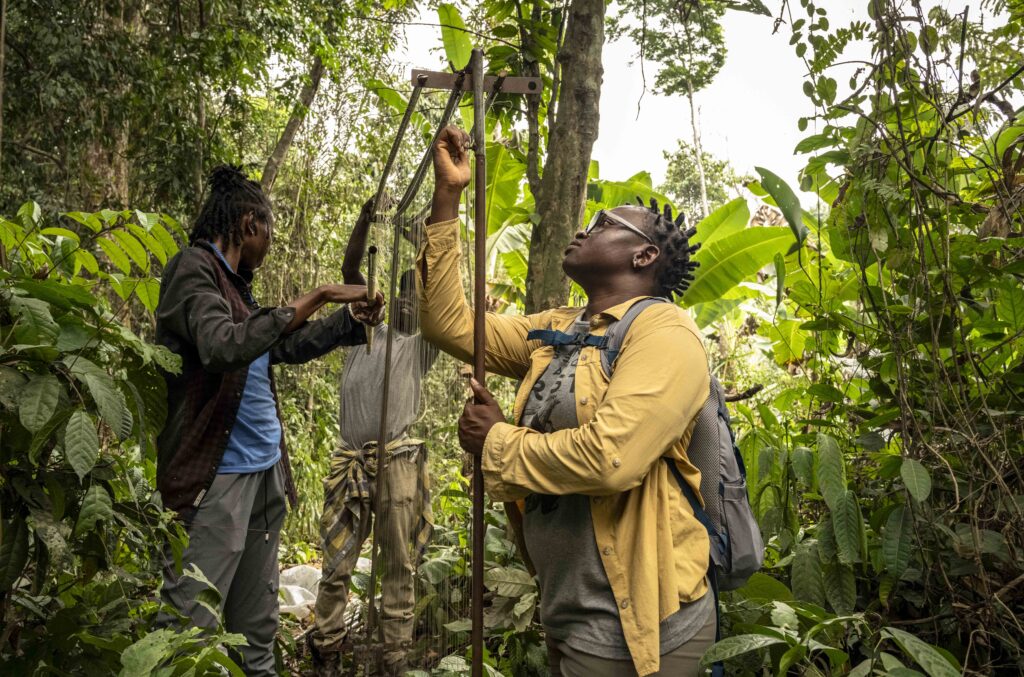
The Afi Mountain Wildlife Sanctuary, located in Cross River State in southeastern Nigeria, forms part of one of the country’s largest remaining rainforest landscapes.
- Advertisement -
The area is home to critically endangered gorillas, chimpanzees, drill monkeys, pangolins, grey-necked rockfowl and dozens of bat species.
Scientists estimate the global population of the short-tailed roundleaf bat is fewer than 1,500 animals.
The species lives in small colonies, often numbering just 10 to 15 individuals, making it particularly vulnerable to habitat loss and disturbance.
Even small amounts of smoke can cause colonies to permanently abandon their cave roosts.
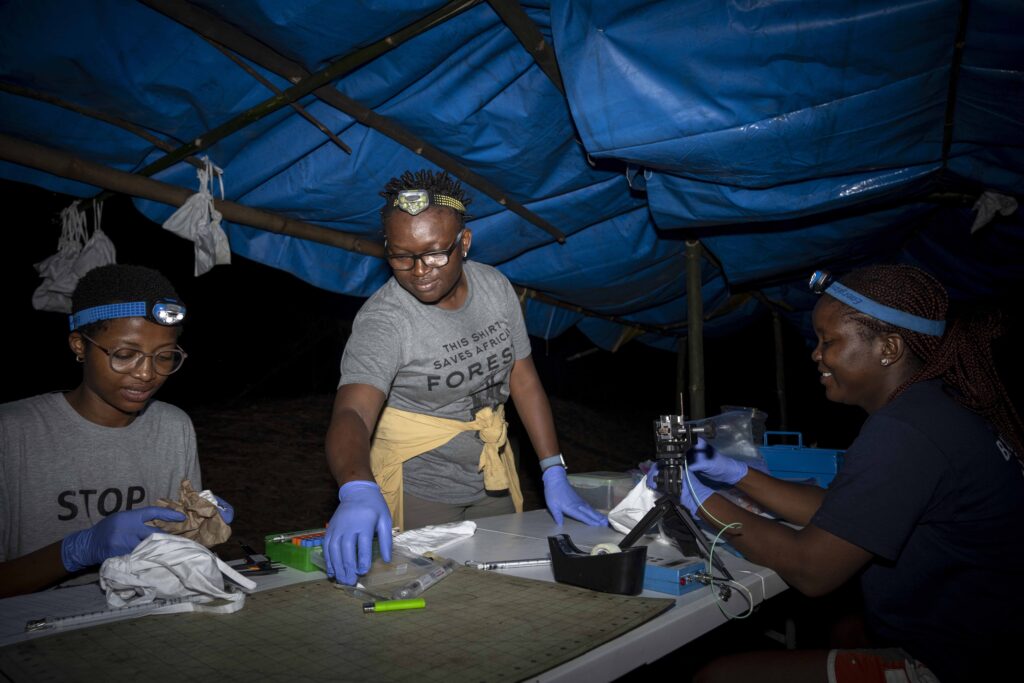
Dr Tanshi, 41, grew up in the oil-producing city of Warri in southern Nigeria and developed an interest in wildlife through nature documentaries.
After studying environmental science, she became increasingly focused on understanding and protecting Africa’s lesser-known mammals.
In 2013, she launched the Bats of Nigeria Project, which has since added 10 previously undocumented bat species to Nigeria’s official records and confirmed the presence of around 100 distinct bat species across the country.
Researchers say that this represents nearly a third of all bat diversity found across Africa.
The rediscovery of the short-tailed roundleaf bat became the catalyst for a much wider conservation effort.
Working with communities surrounding the sanctuary, Dr Tanshi’s team developed a wildfire prevention and response programme designed to tackle the region’s growing fire problem.
The project combines modern fire monitoring systems with local knowledge.
Weather stations were installed in villages surrounding the sanctuary to monitor temperature, humidity and wind conditions, allowing scientists to predict periods of high fire risk.
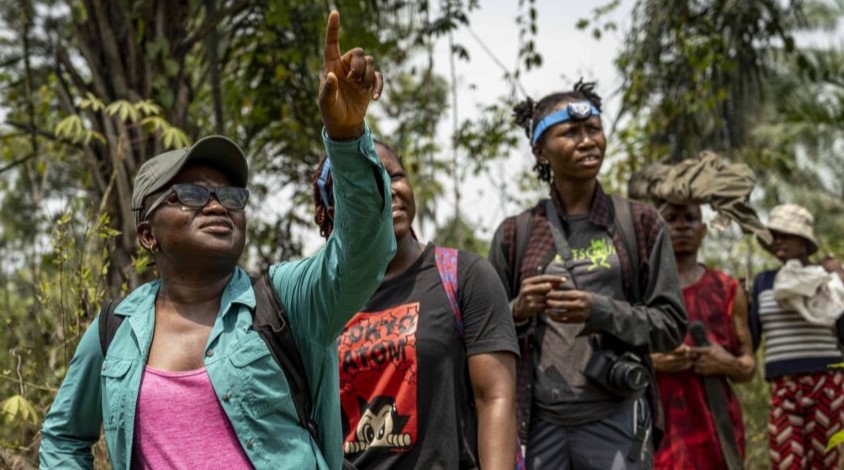
Colour-coded warning systems were introduced to help farmers understand when conditions were too dangerous for controlled burns.
Local residents were also trained as “forest guardians” and equipped with firefighting equipment, including water backpacks, radios and GPS devices.
Since early 2022, community fire brigades have responded to more than 70 fire outbreaks before they could spread into major wildfires.
According to the Goldman Environmental Prize, no serious wildfire has occurred in or around the sanctuary since the programme began.
The initiative now protects around 10,000 hectares of critical habitat and has expanded to cover an additional 400,000 hectares of forest threatened by wildfires.
As well as protecting wildlife, the project safeguards the livelihoods of around 27,000 people living in 16 surrounding communities.
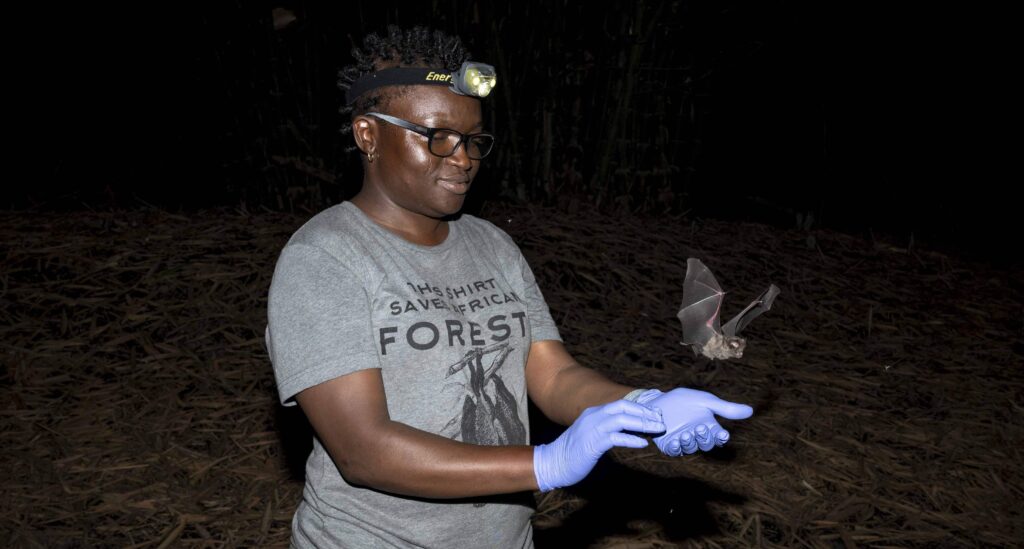
Dr Tanshi’s work has also helped change attitudes towards bats, which are often misunderstood and feared despite playing a vital role in ecosystems.
Bats help control insect populations, disperse seeds and pollinate plants.
The scientist’s latest award makes her the first Nigerian woman to receive the Goldman Environmental Prize.
Previous Nigerian recipients include environmental campaigners Ken Saro-Wiwa, Odigha Odigha and Chima Williams.
Dr Tanshi said her work has always been driven by a simple question: what species are still living in Africa’s forests that scientists have yet to discover or protect?
The rediscovery of the short-tailed roundleaf bat suggests there may still be many more answers waiting in the shadows.
READ MORE: Huge gathering of orcas stuns boat passengers off Britain