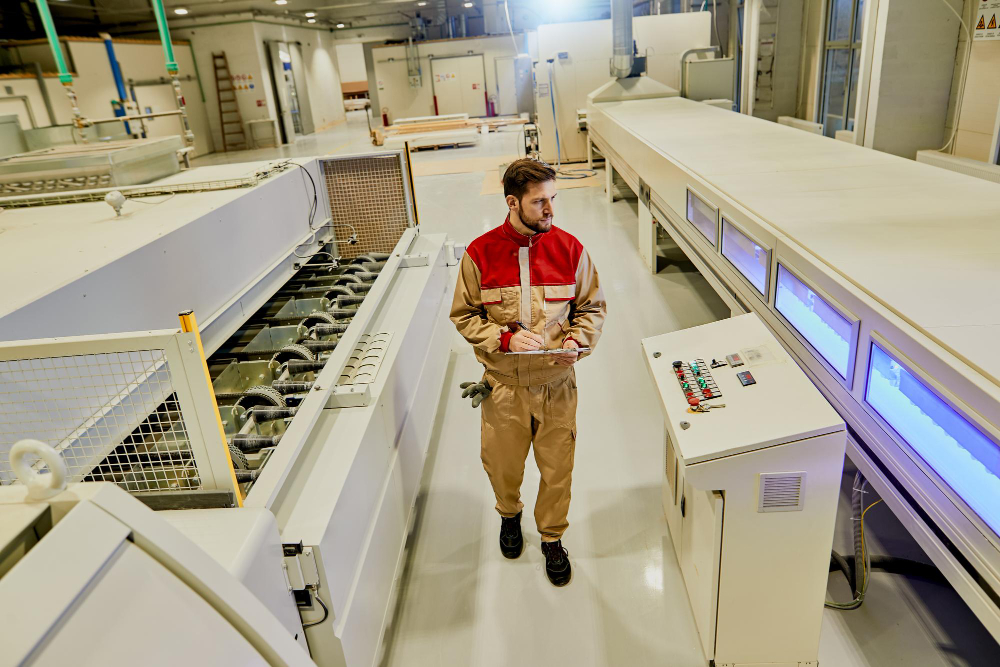

Unplanned downtime in manufacturing plants can result in significant financial losses each hour. Equipment failures on production lines create immediate pressure to restore operations while minimizing revenue loss and maintaining product quality standards. Remote support technology has become a standard response tool in these situations, allowing technical teams to diagnose issues and guide repairs without physical travel time.
Modern remote IT support systems enable manufacturers to connect maintenance staff with equipment specialists in real time through screen sharing, file transfer, and unattended access capabilities. These remote management software platforms can help reduce mean time to repair by eliminating the delay between problem identification and expert intervention. Production managers now deploy remote access tools as part of standard operating procedures for equipment troubleshooting, particularly for facilities operating across multiple sites or shifts.
Why Equipment Failures Threaten Manufacturing Continuity
Equipment failures are a leading cause of unplanned production stoppages in discrete manufacturing. These breakdowns disrupt scheduled output, delay customer orders, and force emergency resource allocation. Traditional on-site response models face technician availability gaps and travel delays that extend outage windows. Knowledge silos within maintenance teams compound these challenges when specialized skills sit hours away from the affected production line.
Adopting remote support solutions has been associated with notable reductions in mean time to repair in sectors such as automotive and electronics. Cloud-based remote management tools now enable real-time diagnostics and multi-expert collaboration during serious failures. Session recording capabilities support compliance audits in regulated industries, creating documentation trails that satisfy ISO 27001 and NIST SP 800-171 requirements. These systems let technical teams assess equipment status, review error logs, and guide on-site staff through corrective procedures without waiting for physical arrival.
- Advertisement -
Core Remote Support Capabilities for Production Environments
Unattended access allows 24/7 monitoring and intervention without operator presence, which is essential for lights-out manufacturing shifts. Technical teams can review system logs, adjust control parameters, and verify equipment status during off-hours when minimal staff occupy the production floor. This capability can reduce response delays for failures detected by automated monitoring systems outside regular business hours.
Multi-agent sessions enable simultaneous troubleshooting by OEM specialists, internal IT staff, and equipment vendors during challenging failures. When a production line experiences cascading faults across multiple systems, coordinated expert input can help shorten diagnostic time. Role-based access control and multi-factor authentication prevent unauthorized access to production networks, addressing security concerns in industrial environments. Session recording and audit trails meet regulatory requirements for pharmaceuticals and aerospace manufacturing, where documentation standards demand complete incident records.
File transfer and remote command execution streamline firmware updates and configuration changes without physical media. Technicians can deploy patches, retrieve diagnostic files, and modify system settings from central support locations. Cross-platform compatibility supports diverse industrial control systems, including Windows-based SCADA environments, Linux controllers, and mobile devices used by maintenance staff. Examples of platforms meeting these criteria include TSplus remote support solutions, which offer per-concurrent-connection licensing suitable for enterprise deployments where multiple technicians may need simultaneous access during critical incidents.
Implementing Remote Support Without Disrupting Operations
Pilot deployments on non-critical equipment validate network segmentation, latency thresholds, and firewall rules before production rollout. IT teams test remote access protocols on auxiliary systems to identify bandwidth constraints and compatibility issues. This staged approach helps prevent disruptions to active manufacturing lines while establishing baseline performance metrics for full-scale implementation.
Zero Trust architecture principles align with SASE frameworks for hybrid IT and operational technology environments. Verify explicitly, enforce least privilege access, and assume breach conditions guide security policy development. Integration with existing ticketing systems like ServiceNow and Jira automates incident routing and escalation workflows. When monitoring systems detect equipment anomalies, automated ticket creation assigns cases to appropriate support teams based on predefined criteria.
- Advertisement -
Bandwidth optimization techniques maintain performance over constrained industrial networks. Adaptive compression and session prioritization help prevent remote support traffic from interfering with production control systems. Training protocols for plant technicians and remote support staff establish clear escalation paths and communication standards. Regular drills ensure both on-site operators and remote specialists understand their roles during equipment failures.
Compliance mapping to FedRAMP, HIPAA, or PCI DSS ensures regulatory alignment for facilities handling sensitive data or controlled substances. Pre-deployment audits verify that remote access configurations meet industry-specific security requirements. Documentation of access controls, encryption standards, and audit procedures supports certification processes and regulatory inspections.
Measuring ROI and Continuous Improvement
Key performance indicators include mean time to repair reduction, first-call resolution rate, and technician utilization efficiency. Baseline metrics from pre-deployment periods enable quantified comparisons of downtime costs, travel expenses, and labor allocation. Manufacturing leaders track these figures to help demonstrate return on investment and justify continued remote support infrastructure spending.
- Advertisement -
Session analytics identify recurring failure patterns that can inform predictive maintenance investments. When remote support logs reveal repeated issues with specific equipment models or control systems, maintenance teams can schedule proactive replacements or vendor accountability discussions. This data-driven approach helps shift operations from reactive troubleshooting toward preventive maintenance strategies that aim to reduce unplanned downtime frequency.
Annual reviews of licensing models optimize costs as remote support scales across multiple facilities. Per-user licensing suits organizations with fixed support team sizes, while per-connection models benefit operations with variable concurrent access needs. Regular security audits help maintain Zero Trust posture as threat conditions change. Penetration testing and vulnerability scanning can identify potential weaknesses in remote access configurations before malicious actors can exploit them.
Platforms like TSplus remote support solutions support these ongoing optimization efforts through flexible licensing and detailed audit capabilities. Regular assessment of remote support performance metrics helps manufacturing operations maintain production continuity while controlling infrastructure costs and meeting evolving security requirements.
Image by Drazen Zigic on Magnific