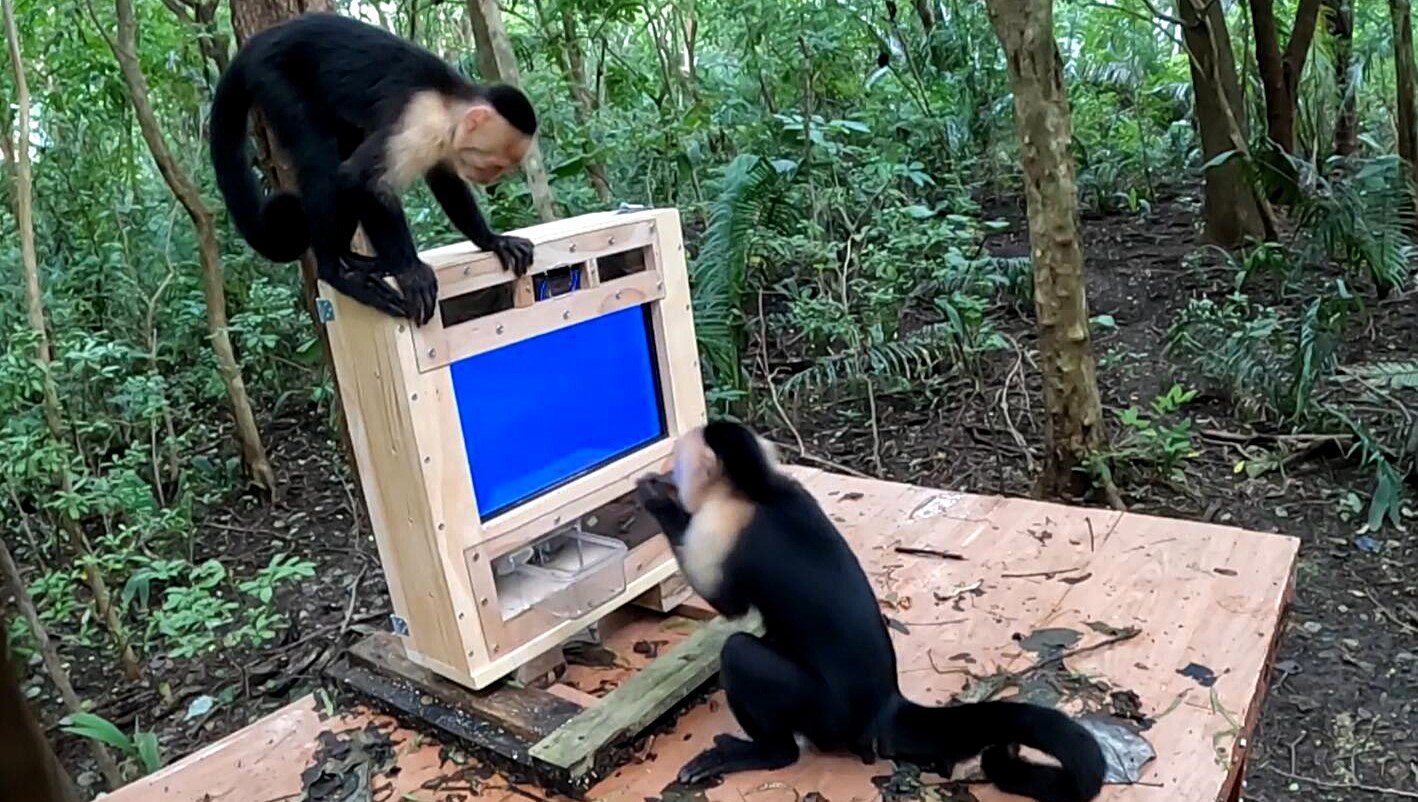


Wild monkeys are helping scientists train an AI facial-recognition system capable of telling individual animals apart.
An early version has already identified six white-faced capuchins with more than 97% accuracy using photographs, recorded footage and live video.
Scientists are now expanding its repertoire using footage captured as more monkeys interact with a specially designed touchscreen computer.
READ MORE: Humpback whale gives birth and calf takes first breath in HISTORIC world-first drone footage
The white-faced capuchins quickly discovered that touching the screen with their lips triggered a machine to dispense slices of dried forest banana.
Others use their hands, while more cautious monkeys watch their companions master the device before attempting it themselves.
Sixteen capuchins interacted with the prototype during its initial field trial.

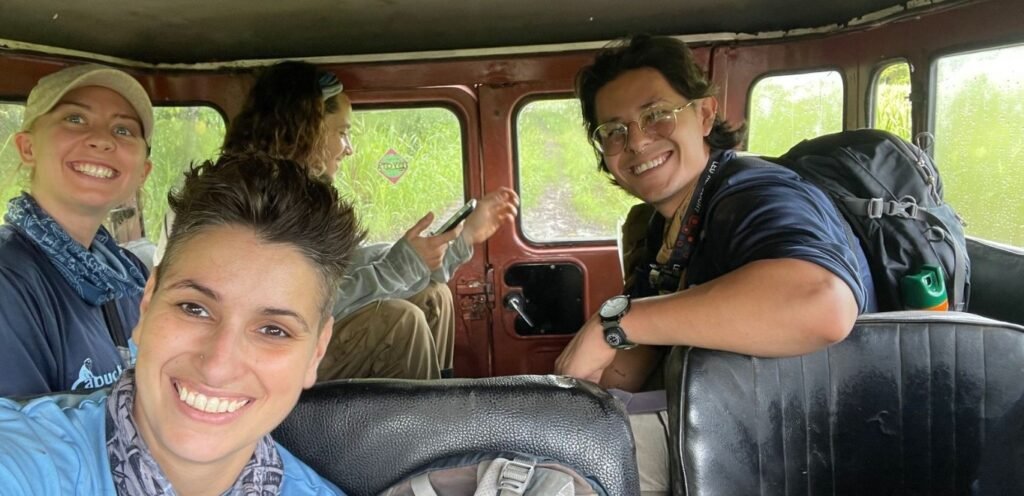
The resulting videos are now being used to teach the facial-recognition model to identify more members of a wild population numbering around 100.
The experiment was carried out at the Taboga Forest Reserve in Costa Rica using a new system called CapuchinAI.
Created by researchers from Emory University and the Georgia Institute of Technology, it has been designed to study primate intelligence without removing animals from their natural habitat.
The findings have been published in the American Journal of Primatology.
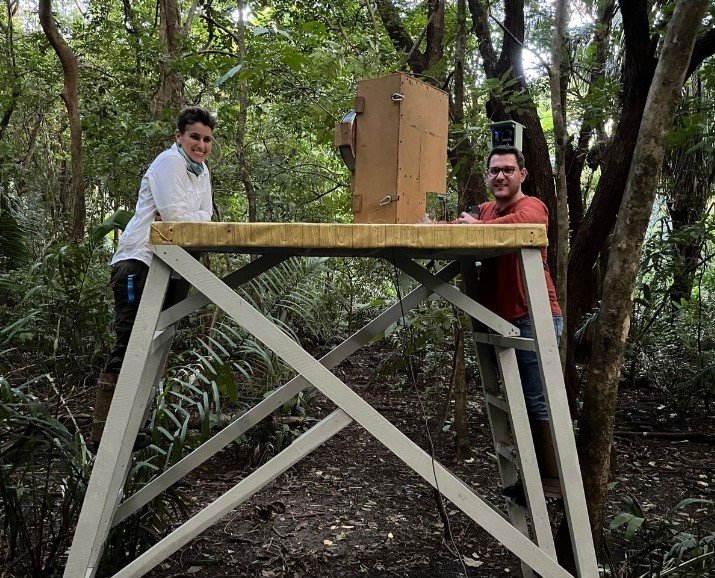
The battery-powered device combines artificial intelligence, a webcam, touchscreen computer and automated food dispenser inside a weatherproof wooden box.

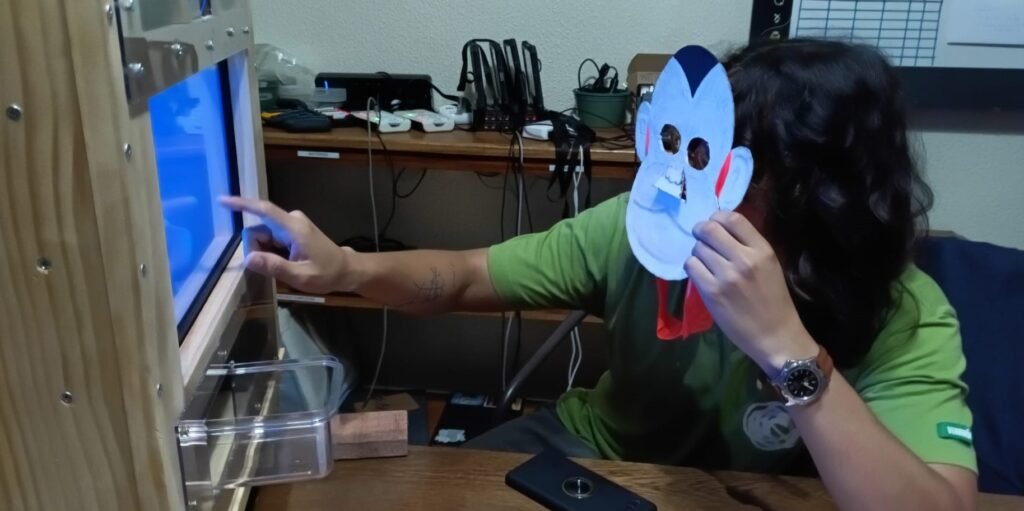
When a capuchin approaches, the system detects the animal and presents a learning task on the screen.
Completing the task correctly causes a slice of banana to drop from the dispenser.
Researchers initially spent two days waiting without a single monkey approaching the machine.
On the third day, a large male named Trompudo – meaning “big snout” – was tempted by the smell of banana.
He climbed onto the box and began hitting it before accidentally slapping the touchscreen and releasing a treat.
After eating the banana, Trompudo touched the screen again and was immediately rewarded with another slice.

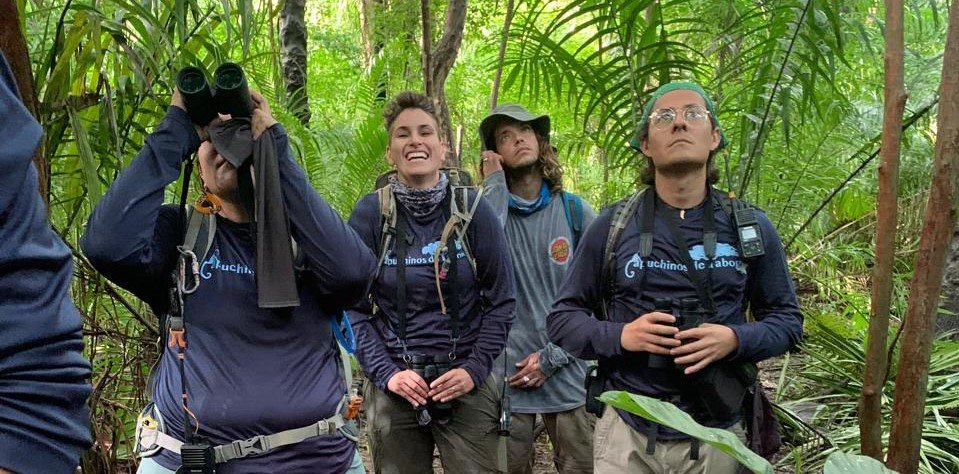
Federico Sánchez Vargas, an Emory anthropology PhD student and the study’s lead author, said: “It was almost like you could see him realising, ‘Ah, that’s what you have to do, touch the screen!’
“It was amazing to watch an individual learn something so quickly.”
Once Trompudo had broken the ice, other members of the group began investigating the device.
Sixteen capuchins interacted with the prototype during its initial field trial.
Some immediately understood the connection between touching the screen and receiving food, while others took longer.
Monkeys that explored unfamiliar objects using their mouths began kissing the screen to release their reward.

Other cautious individuals remained nearby and watched their companions use the machine before approaching it.
Sánchez Vargas said: “Even I was surprised by their enthusiasm.”
The equipment was built using pine planks, deck sealant, insulating strips and plastic piping bought from a hardware shop.
Its internal computer is a Raspberry Pi measuring approximately half the size of an iPhone, while the entire machine can operate for eight hours using a portable battery.
The researchers also had to make the box strong enough to withstand monkeys attempting to force it open.
It even survived the attention of coatis – highly curious members of the raccoon family known for breaking into containers and homes.

A facial-recognition model developed alongside the system was trained using thousands of labelled images and videos of six capuchins.
It identified those monkeys with more than 97% accuracy across photographs, recorded footage and live video.
Scientists are now training an updated version using footage collected from the 16 animals that visited the prototype.
The finished system is intended to recognise each monkey and provide an individual test based on its previous progress.
Researchers are developing challenges examining learning, impulse control, cognitive flexibility and short and long-term memory.
The machine can also restrict the number of treats each monkey receives, preventing a dominant animal from taking over the device.
Marcela Benítez, senior author and assistant professor of anthropology at Emory, said: “The primate brain didn’t evolve in a lab, it evolved in complex, competitive environments.
“Yet primate cognition is rarely studied in the wild because the experimental control needed to measure cognition is difficult in unpredictable environments.”
Researchers hope the technology can eventually be adapted to study other wild primate species around the world.