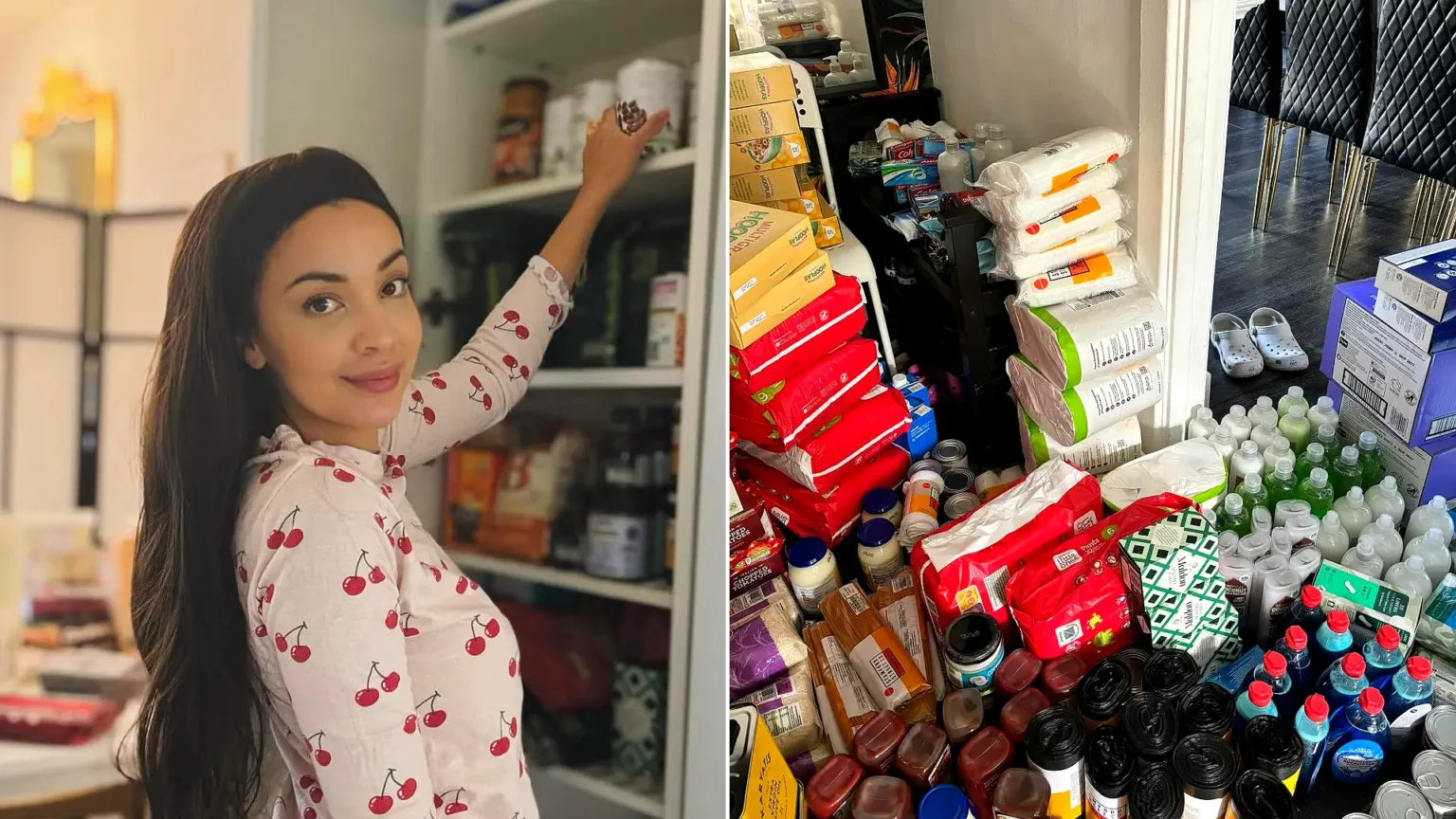


A ‘doomsday prepper’ has revealed the items people should avoid stockpiling, the products they waste money on and the everyday essentials they should never overlook when preparing for an emergency.
Charlene Woracker has shared her advice for anyone looking to create their own emergency stockpile without spending a fortune or filling their home with unnecessary clutter.
The 35-year-old spends around £300 every six months building up her supplies.
READ MORE: I had no idea my partner had a Christmas collection of over 160 Santas
She stocks a mixture of food, toiletries, cleaning products and household essentials in her Sheffield home.
And while it is now becoming more popular – with research by Worldpanel by Numerator indicating that sales of essential goods such as bottled water and canned food soaring in the 10 days following the launch of the government’s “Be Ready” emergency preparedness campaign – she has warned against some “mistakes” people make.
The government’s public awareness campaign encouraged people to stock up in case of disruption to essential services by severe weather or cyberattacks.


“I always advise people not to stockpile things they wouldn’t normally use even if they’re on a brilliant offer,” the content creator told What’s The Jam.
“It’s very easy to get carried away with bargains, but you’re not saving money if those products end up going to waste.
“I think one of the biggest mistakes people make is buying branded products when supermarket own brand alternatives are often just as good for a fraction of the price.
“I think people often underestimate just how important everyday household essentials are.
“Things like toilet roll, toothpaste, sanitary products, washing-up liquid, laundry detergent and bin bags are easily forgotten, but they’re things we constantly need and can quickly add up in cost.


“I also think basic cooking ingredients are overlooked.
“Things like flour, stock cubes, herbs, spices and cooking oil can turn a few simple ingredients into a proper family meal.
“It’s often the little things that catch you out financially especially when you’re raising children.
“Having those basics already in the cupboard can make a huge difference to your weekly budget.
“Another thing I’d recommend is keeping a small supply of medicines and first aid essentials making sure they’re stored safely and checked regularly for expiry dates.”


Charlenes spends £300 every six months on her stockpile – £50 a month.
She said: “I see it as an investment in my household rather than an extra expense.”
The mum-of-four began building up her household supplies during the Covid pandemic.
She said: “When I saw the empty shelves and was unable to get basic necessities, it really scared me.
“Since then, I’ve always stockpiled just to prepare for the worst.”

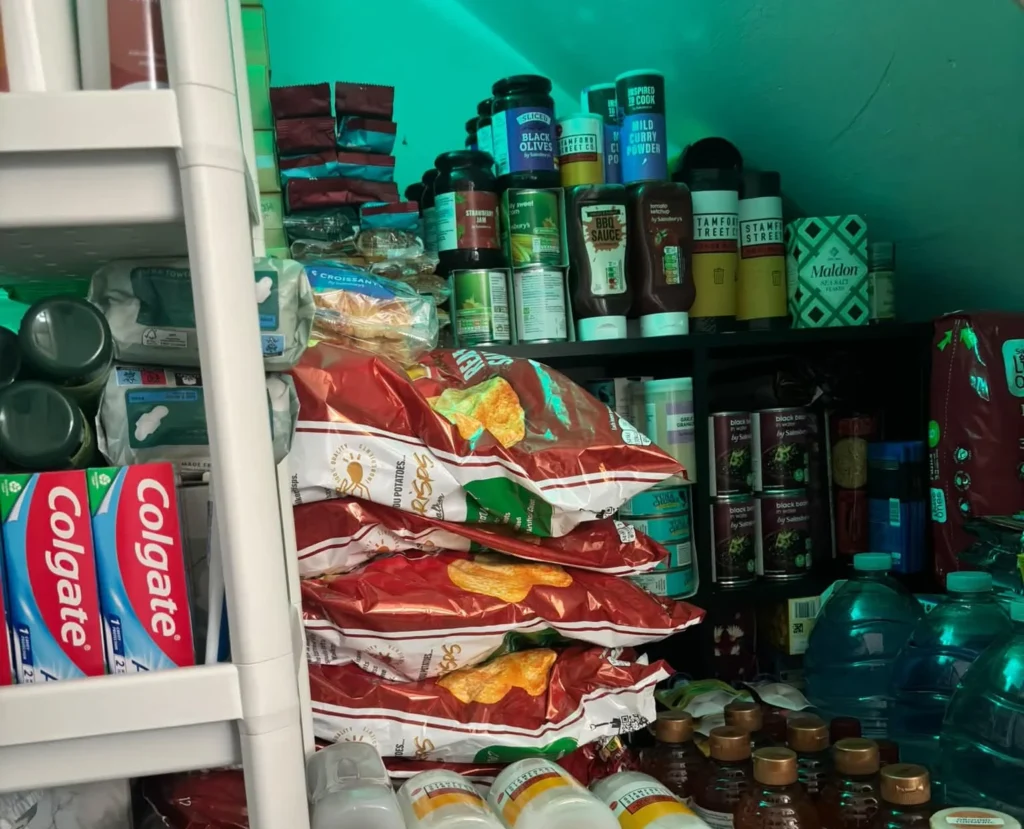
Charlene’s own stockpile is kept in the cupboard under her stairs which she describes as her “own mini supermarket”.
Depending on the product, her supplies can last anywhere from three months to a year.
She said: “I like to keep everything organised into categories, so food, toiletries, cleaning products and household essentials all have their own designated spaces.
“I try to keep similar products together so I can easily see what I’ve got and what needs replacing.
“I also rotate my stock, putting newer products towards the back and older ones at the front so nothing gets forgotten or goes out of date.
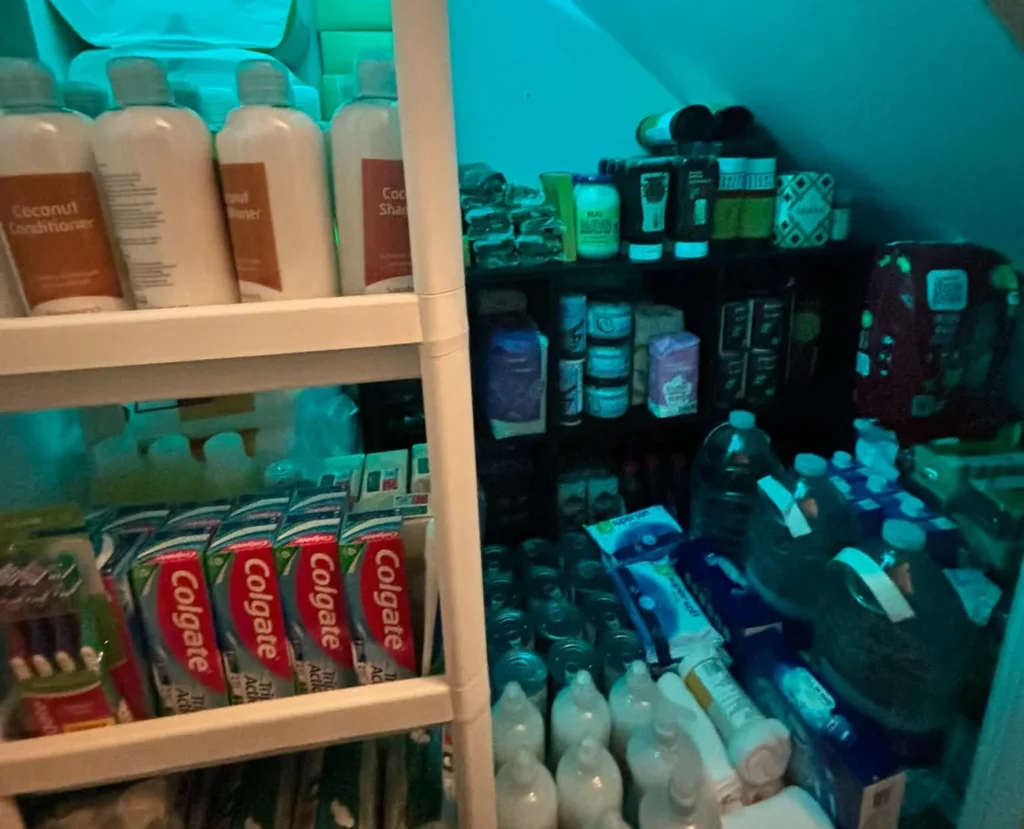
“As a single mum of four, organisation is really important because it saves me both time and money.
“You don’t need a huge amount of space to stockpile successfully.
“It’s about making the most of the storage you have and creating a system that works for your family.
“I actually love having my own little shop under the stairs.
“It gives me such peace of mind knowing we’re prepared and I’ve always got the essentials to hand.
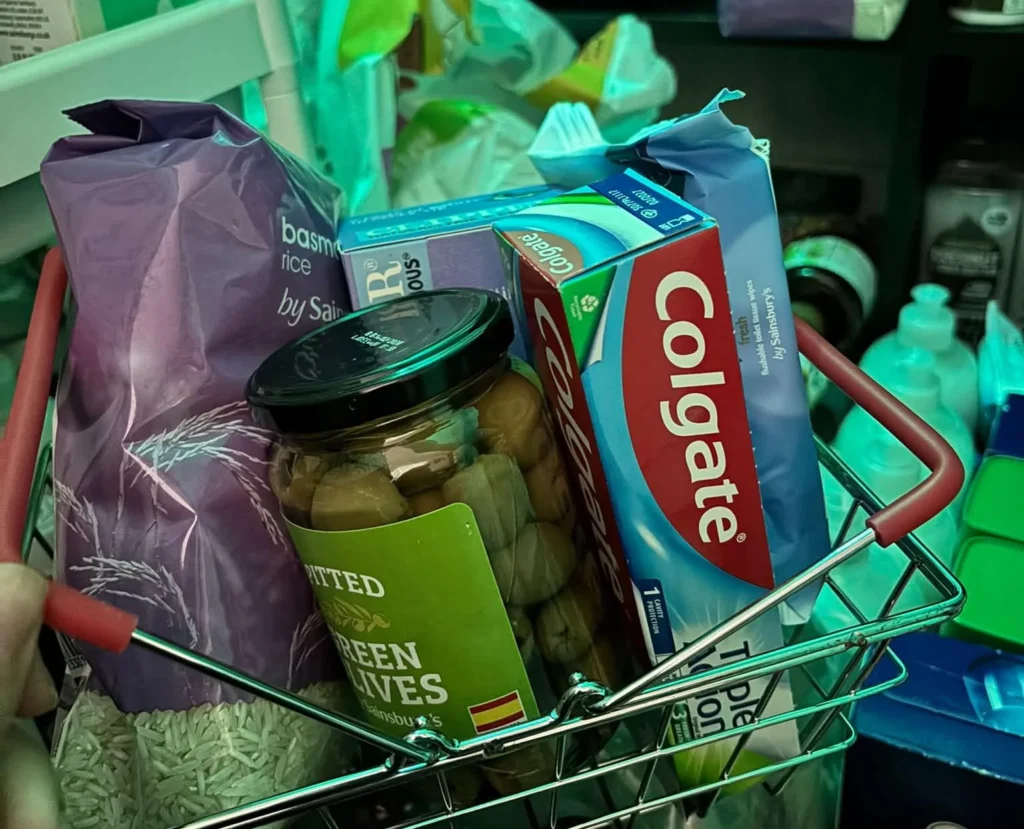
“If you’re limited on storage space, I’d recommend prioritising the essentials your family uses most frequently, particularly long-life foods, toiletries and household products.
“You don’t need a huge pantry or a spare room to build a useful stockpile.
“Even dedicating one cupboard or a couple of shelves can make a difference.
“A well organised cupboard full of things you actually need is far more valuable than a house full of products you might never use.
“Stockpiling should make life easier, not leave you feeling overwhelmed or cluttered.”
READ MORE: I’m mistaken for Lacey Turner so often people congratulate me on Strictly