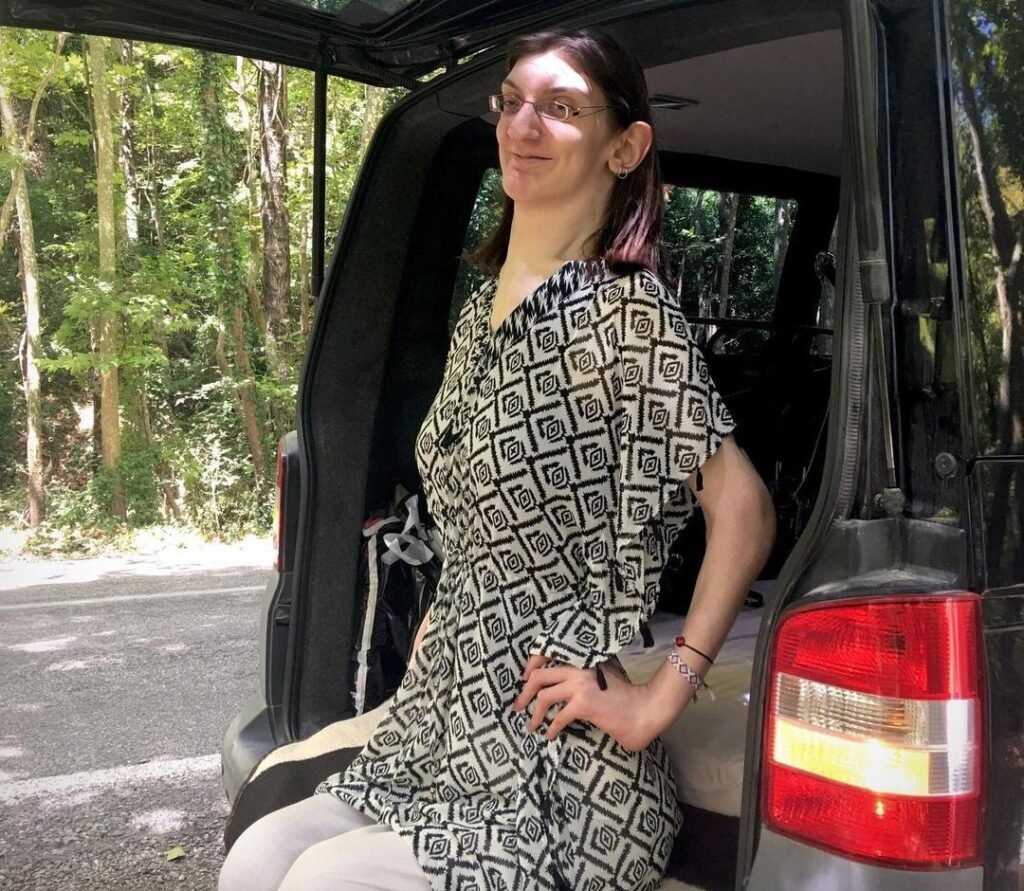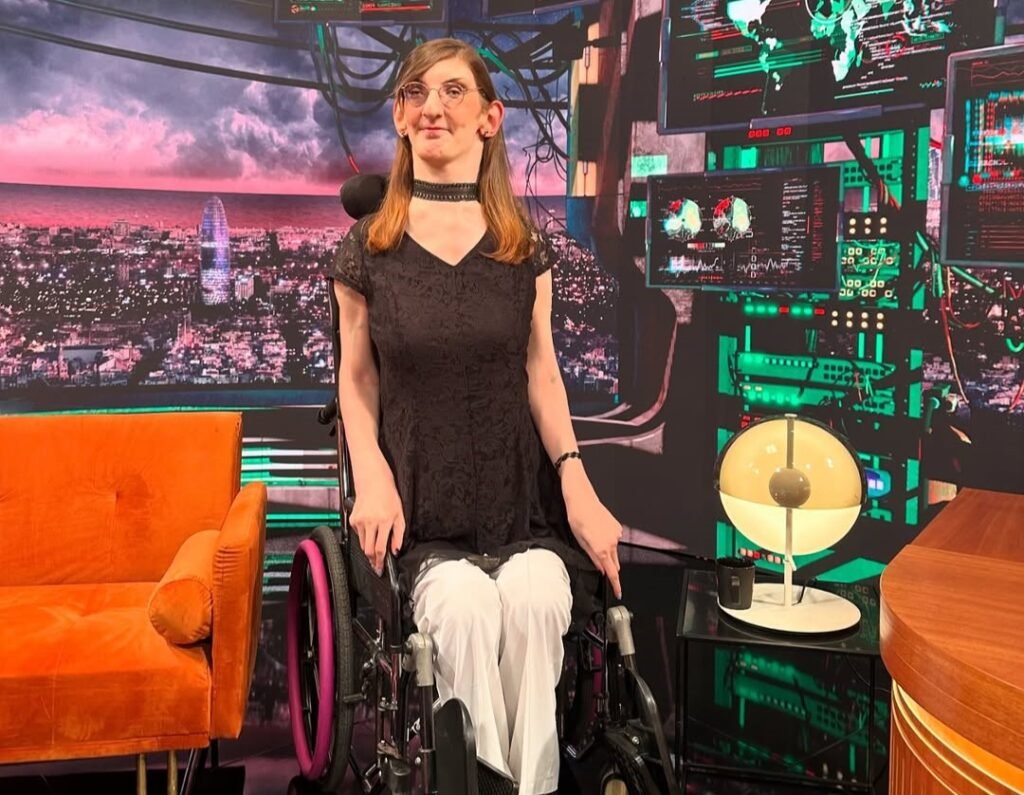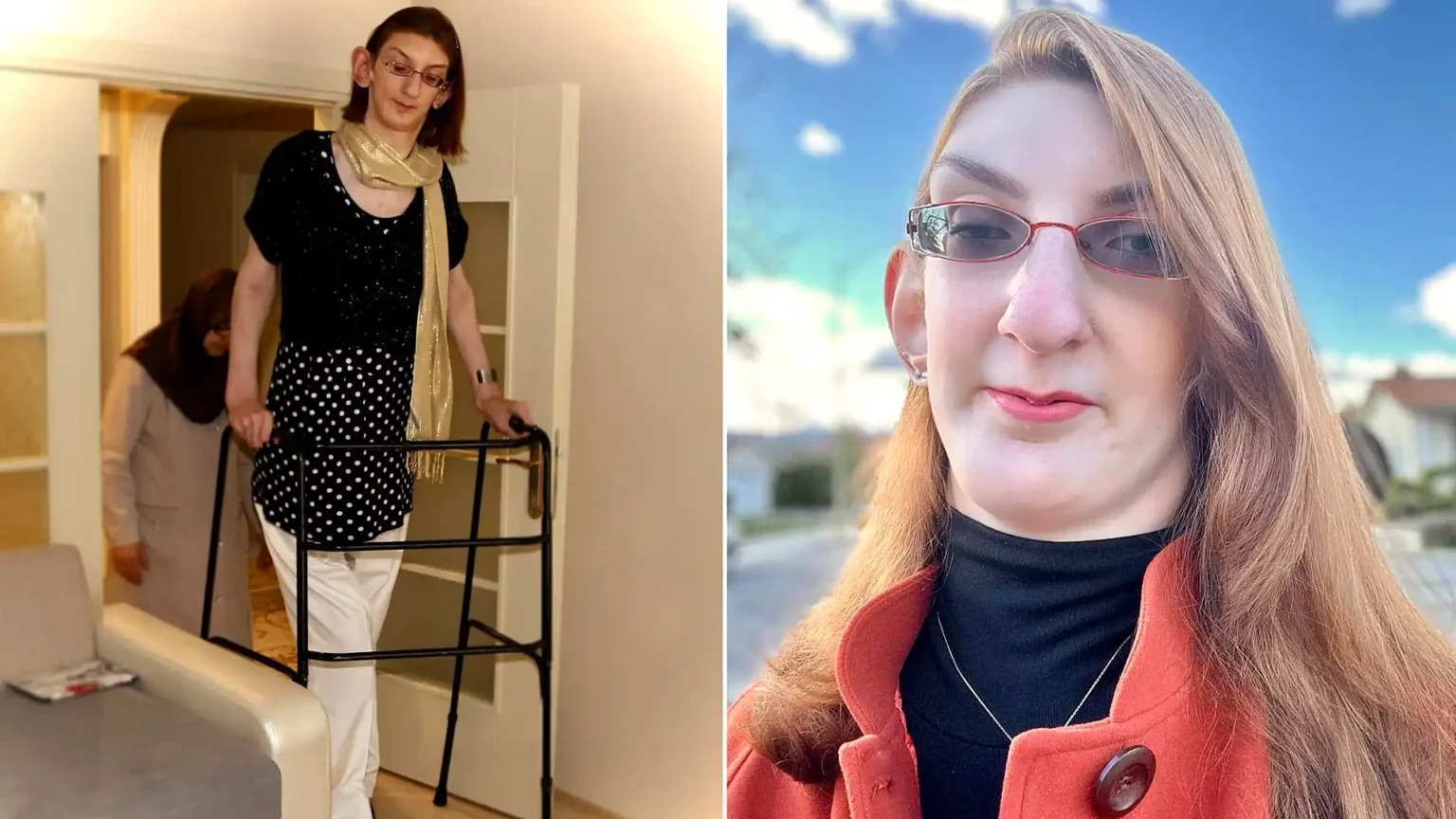

A seven-foot-tall woman is baffling doctors who have overturned her original diagnosis to find that she is one of just six known cases in the world with an ultra-rare genetic mutation causing her to grow.
Rumeysa Gelgi has been crowned the tallest woman in the world by Guinness World Records and has been under medical observation for years, but this summer she has finally been given answers.
Doctors initially believed the 29-year-old had Weaver Syndrome – a rare genetic overgrowth disorder with fewer than 100 confirmed cases worldwide – based on clinic findings from when she was a newborn.
READ MORE: Mum horrified to find pile of ‘BEARD HAIR’ while mirror shopping at The Range
- Advertisement -
Rumeysa holds the world record for the longest baby, having been 59cm in length at birth, compared to the average of 50cm.
But, upon further clinical testing in recent years, the mutation within her DNA was unable to be identified, casting doubt on the diagnosis.
In June, Rumeysa’s diagnosis was formally changed to Moreno–Nishimura–Schmidt (MNS) Syndrome – a collective name for clinically identified overgrowth syndromes with an as-yet unknown genetic cause or mutation.
“I used to feel that I was one in a million with Weaver Syndrome, but now it’s even less than that!” Rumeysa, a web developer from Karabük, Türkiye, told What’s The Jam.
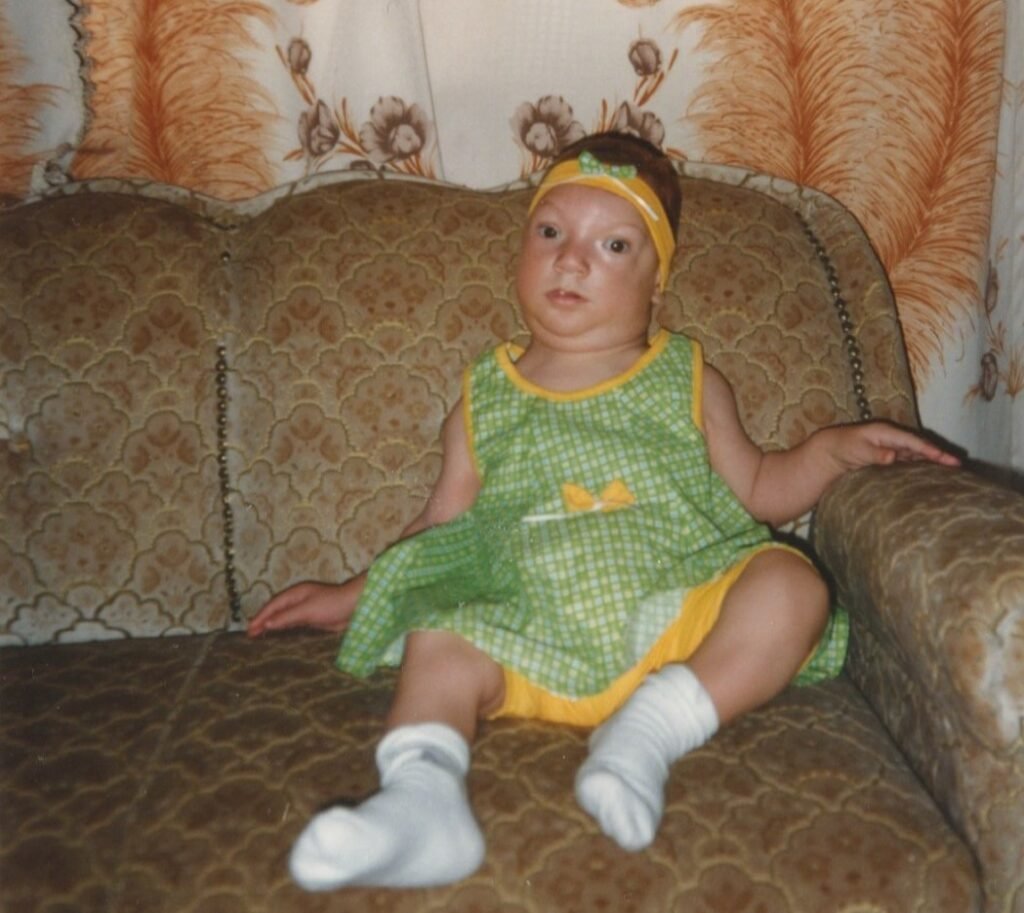
“When you have been identified with one diagnosis for your entire life, finding out that it is not the complete answer changes the way you think about your own medical history.
- Advertisement -
“There is a sense of starting over, learning new information, and accepting that there are still many unanswered questions.
“Current technology and modern medicine have not yet been able to identify any known mutation in my genes.
“For MNS Syndrome, only six documented cases currently exist in medical literature, making it approximately 25 times rarer than Weaver Syndrome.
- Advertisement -
“Although this brings even more uncertainty and mystery to my condition and can sometimes feel scary, I am remaining positive and focusing on the fact that I am now an even more extraordinary and unique person.”
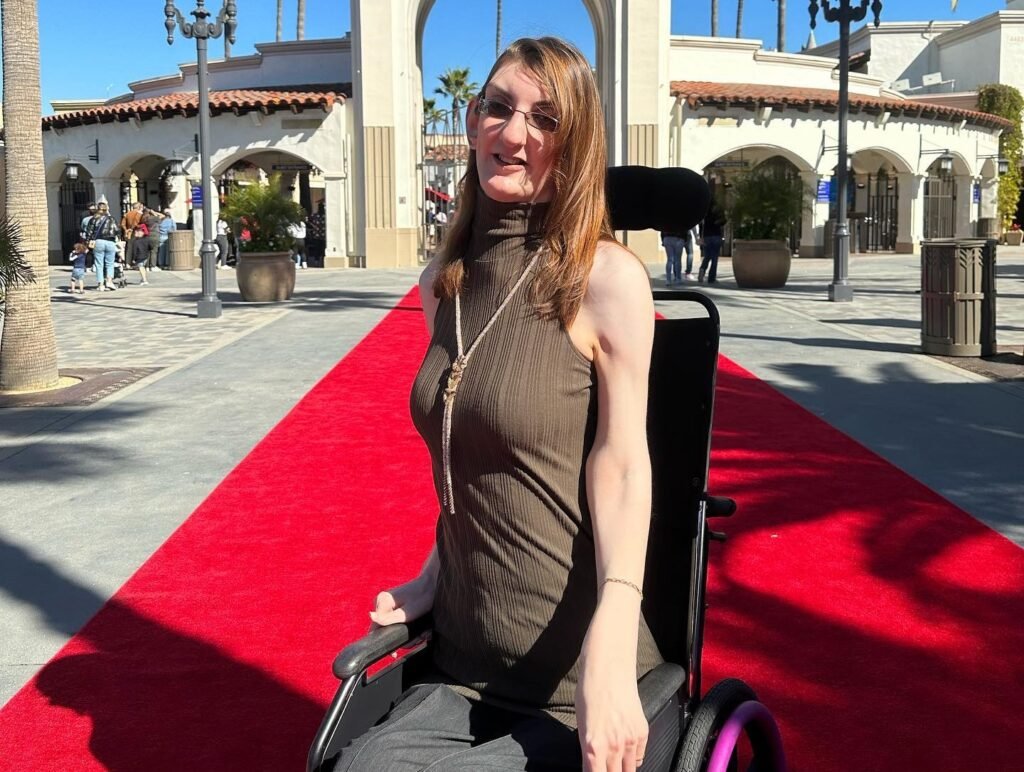
Weaver Syndrome and MNS Syndrome are very similar to each other in their presentation and clinical findings, with the only known difference Rumeysa has been informed of being that the cause of Weaver Syndrome is a mutation in an enzyme called EZH2 or a few other enzymes.
The cause of MNS Syndrome is still unknown.
Rumeysa said: “After living with what I thought was Weaver Syndrome for 29 years, suddenly hearing a different name attached to my life story naturally takes time to absorb.
“I hope that advanced research continues, and I will no doubt voluntarily participate in it in the hope of shedding light on this rare and complex condition and contributing to the medical literature, with the aim of discovering answers that may potentially help not only me but also many others in the future.
“I have always approached my life with curiosity rather than fear. Medicine is constantly evolving, and I am grateful that research has advanced enough for doctors to recognize that my condition is distinct.
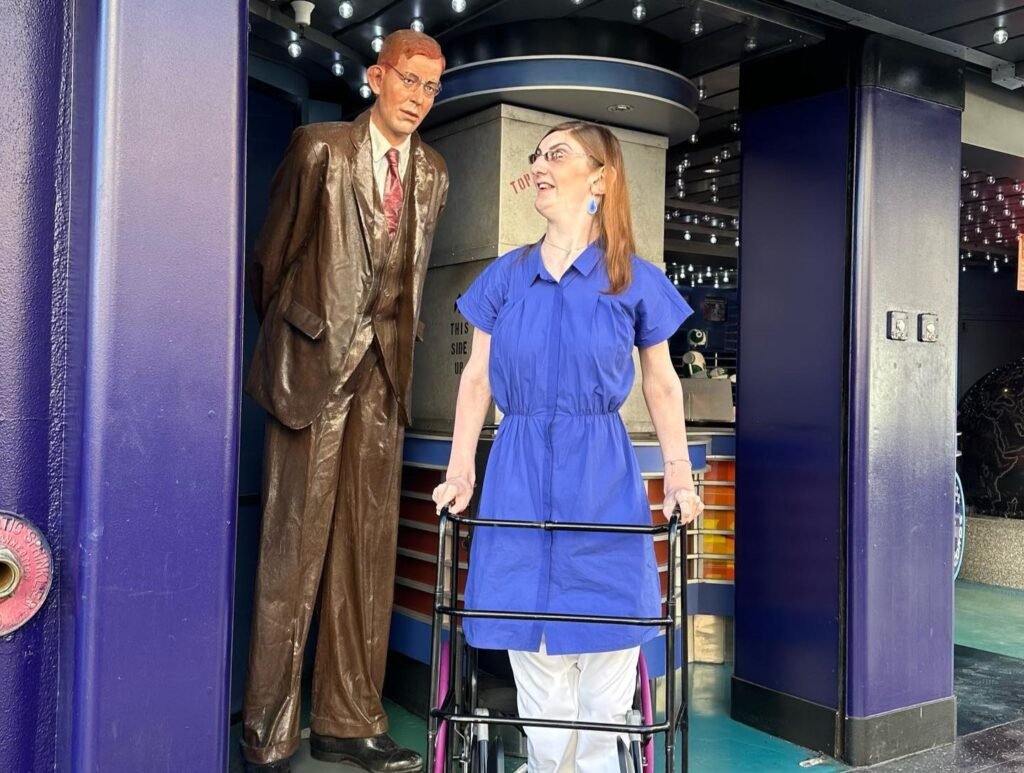
“Even if there is not a complete explanation today, I believe each new discovery brings us closer to a better understanding.
“Regardless of what my syndrome was called in the past, what it is called today, or what it may be called in the future, my mission remains the same: I will continue passionately advocating for people living with similar syndromes.”
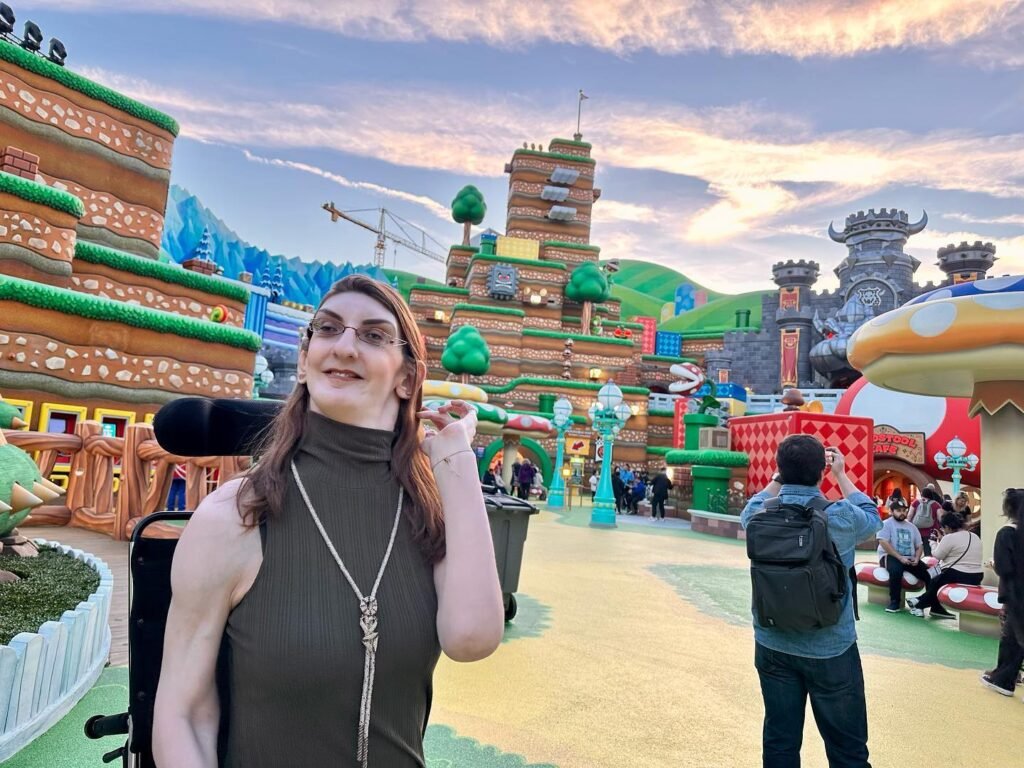
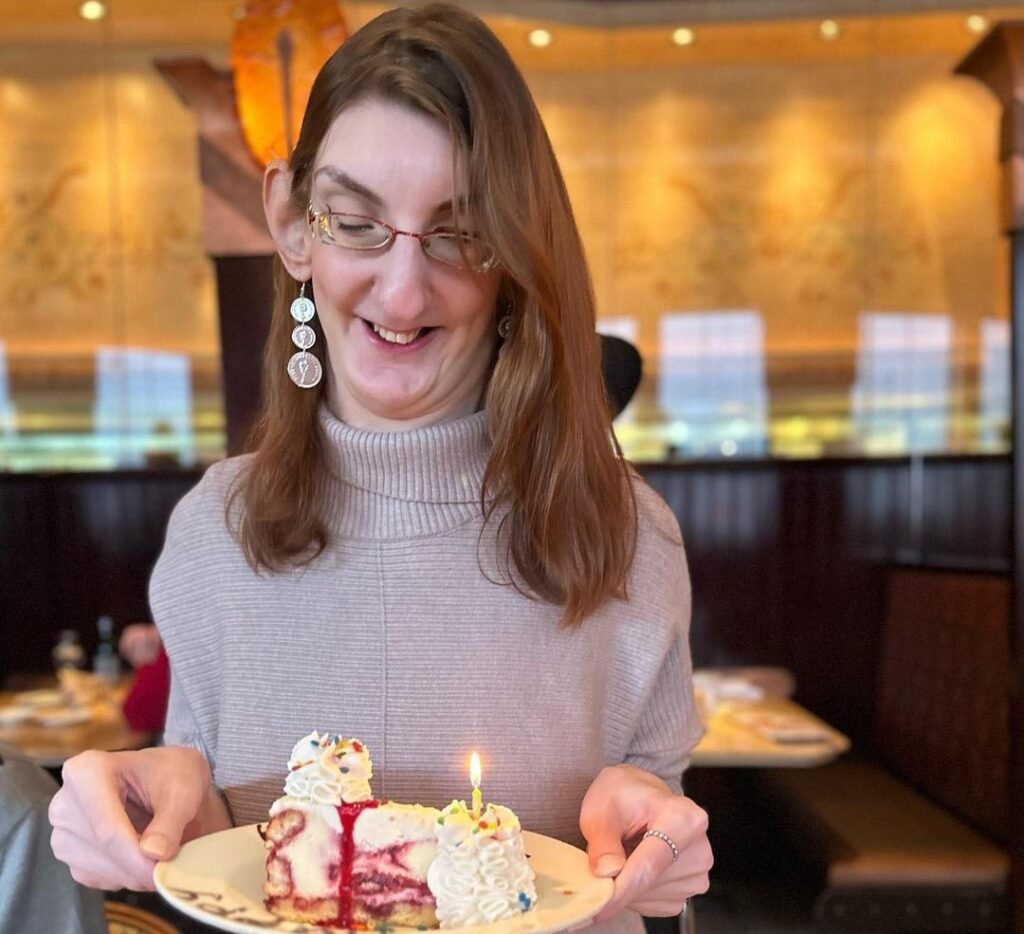
Today, Rumeysa shares insights into her life and the unique obstacles she faces online with her 297,000 Instagram followers.
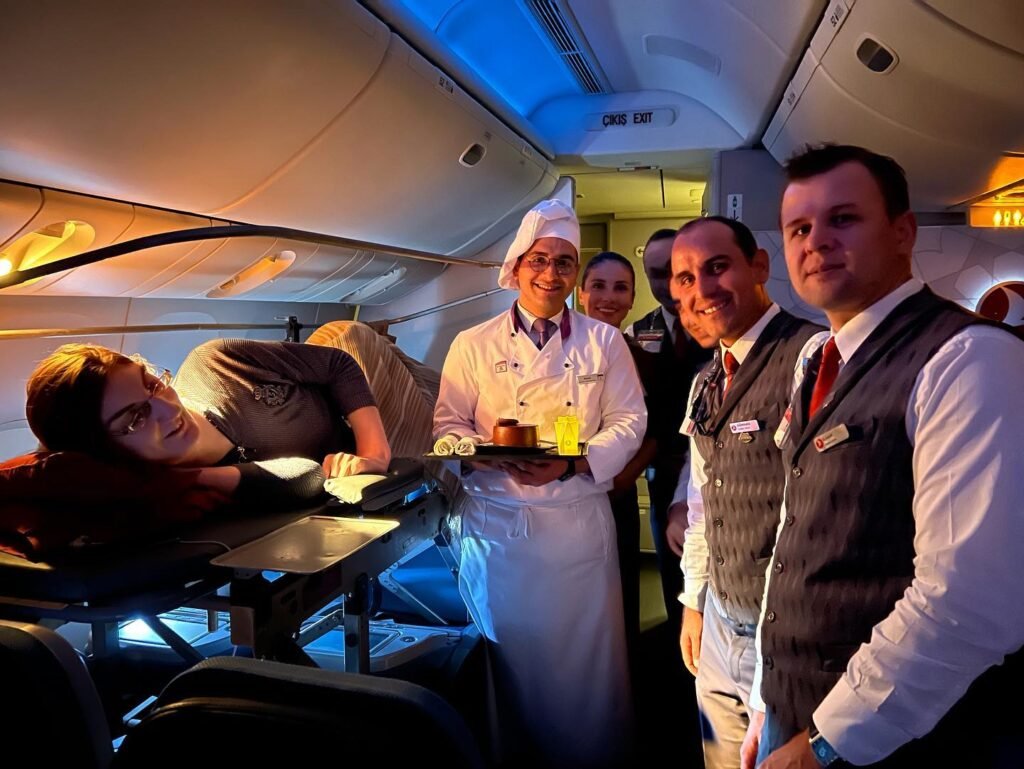
She previously went viral after sharing footage of herself flying with Turkish Airlines, requiring six seats and being carried onboard by flight staff.
Looking to the future, she hopes to move abroad one day, to somewhere where accessibility and opportunities for people with disabilities are more advanced – with the US one of the countries she is considering.
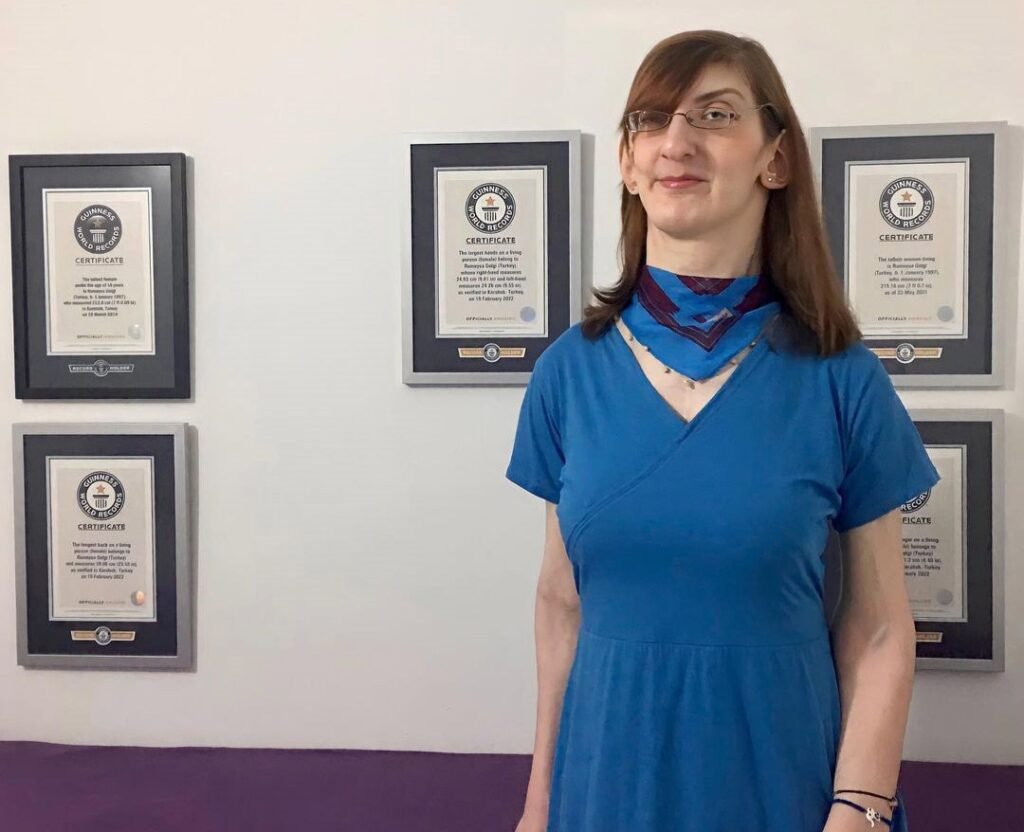
Rumeysa, who currently lives with her parents, who assist her in day-to-day life, added: “I believe that [moving abroad] would allow me to live more independently and expand both my personal and professional horizons.
“I also hope to continue traveling the world, sharing my experiences, and showing that having a rare condition should never define the limits of a person’s ambitions.
“If my journey encourages even one person to see disability or rare conditions differently, or inspires someone facing their own challenges, I will feel I have made a meaningful contribution.”
READ MORE: Animal behavior PhD says she speaks telepathically to pets, dolphins and even BUGS