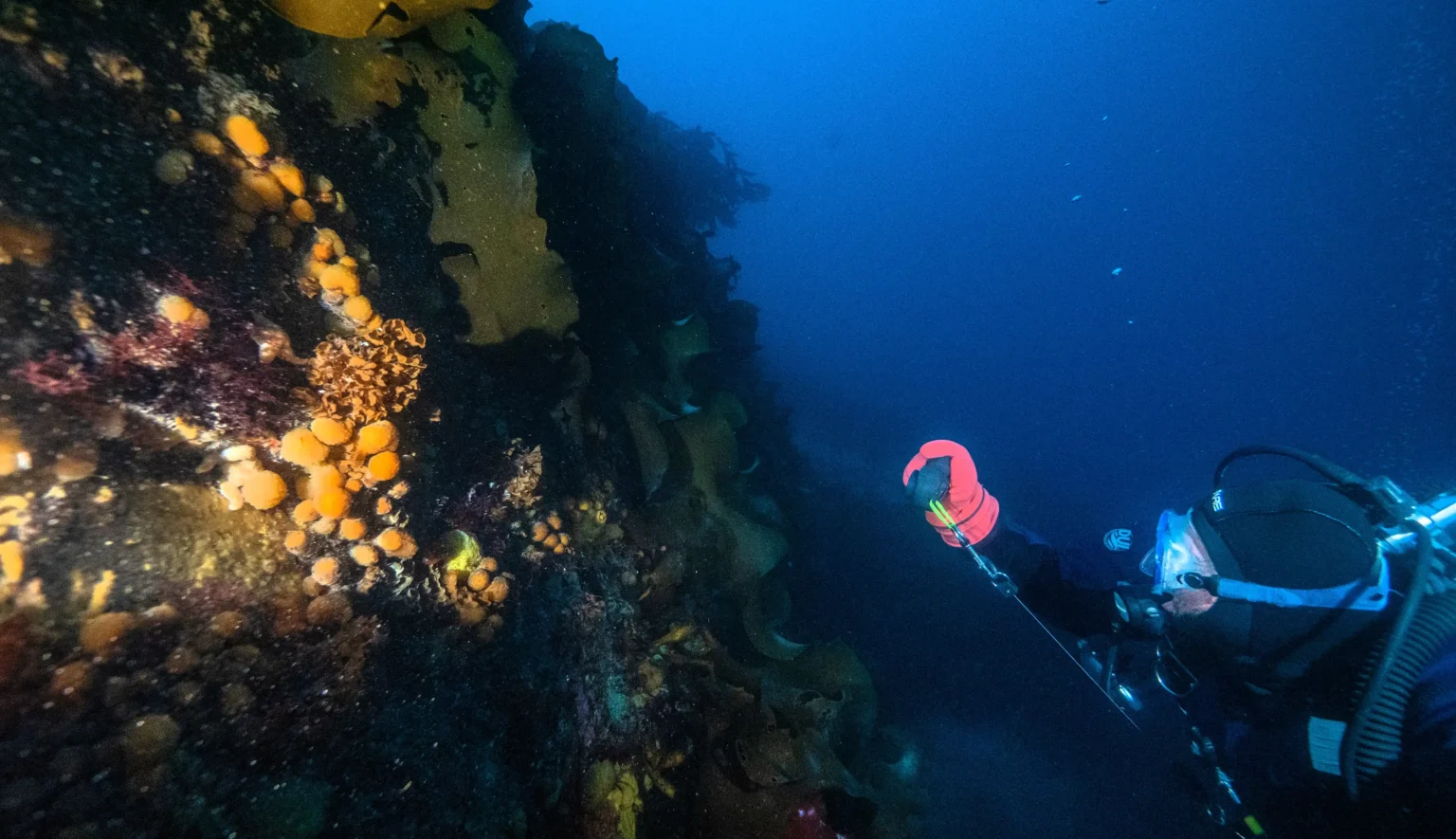

Scientists say they have discovered a “hidden weapon” inside a tiny Antarctic sea creature that could one day help lead to new treatments for deadly skin cancer.
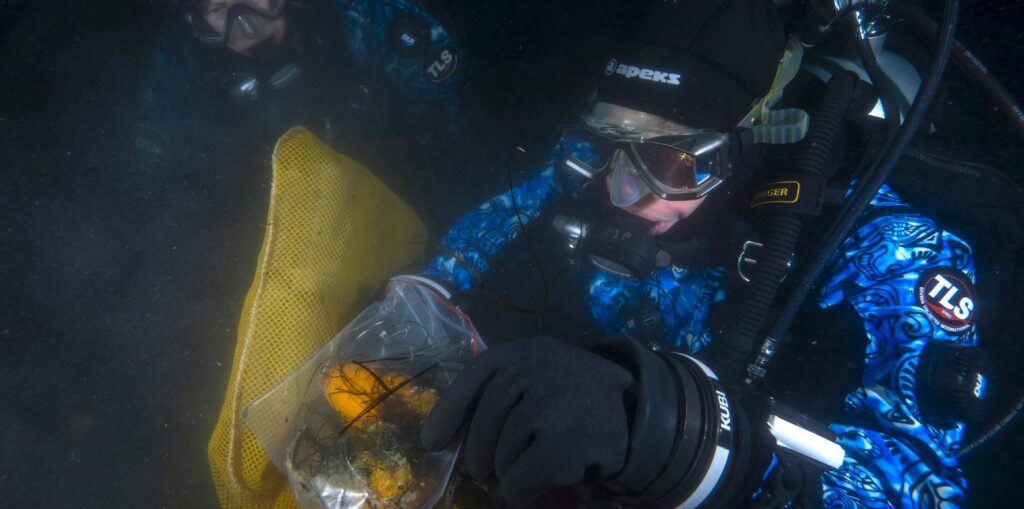
Researchers on an expedition to Antarctica identified a marine organism known as a sea squirt that appears to host a bacterium capable of killing melanoma cells in early laboratory testing.
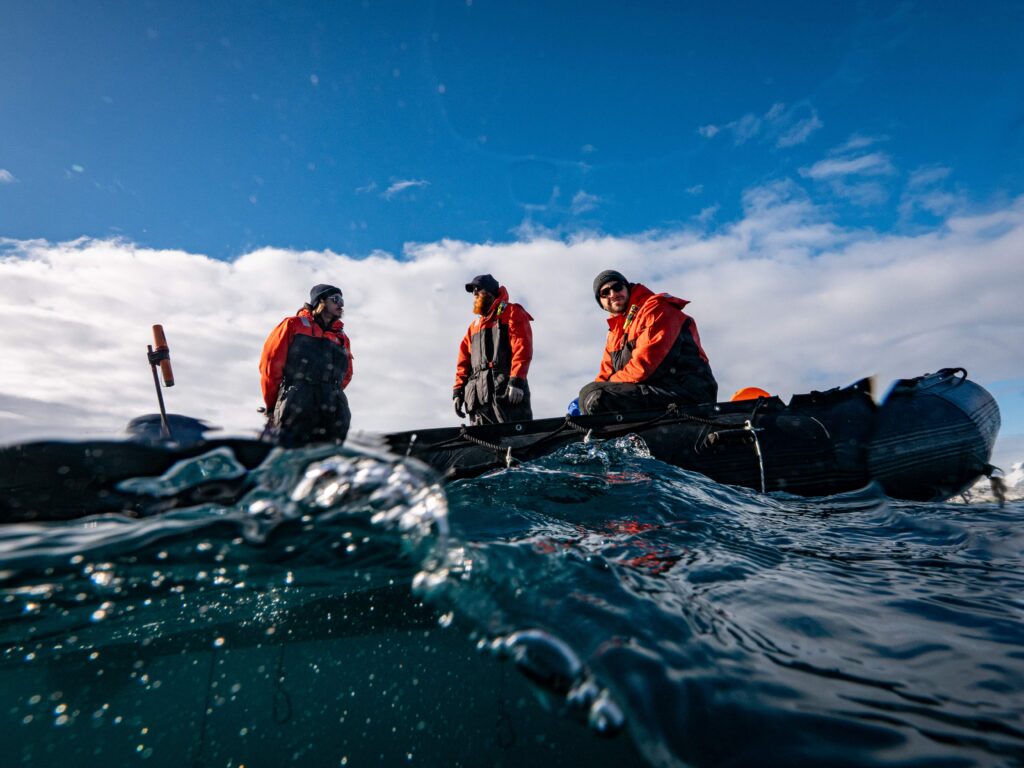
The breakthrough was made as part of a University of South Florida-led research mission exploring extreme marine environments for potential medical compounds.
READ MORE: Scientists unveil never-seen-before view of galaxy’s supermassive black hole
- Advertisement -
The team collected samples from beneath Antarctic ice, focusing on organisms that survive in some of the harshest conditions on Earth, where temperatures plunge well below freezing and sunlight is limited for much of the year, as reported by Whats The Jam.
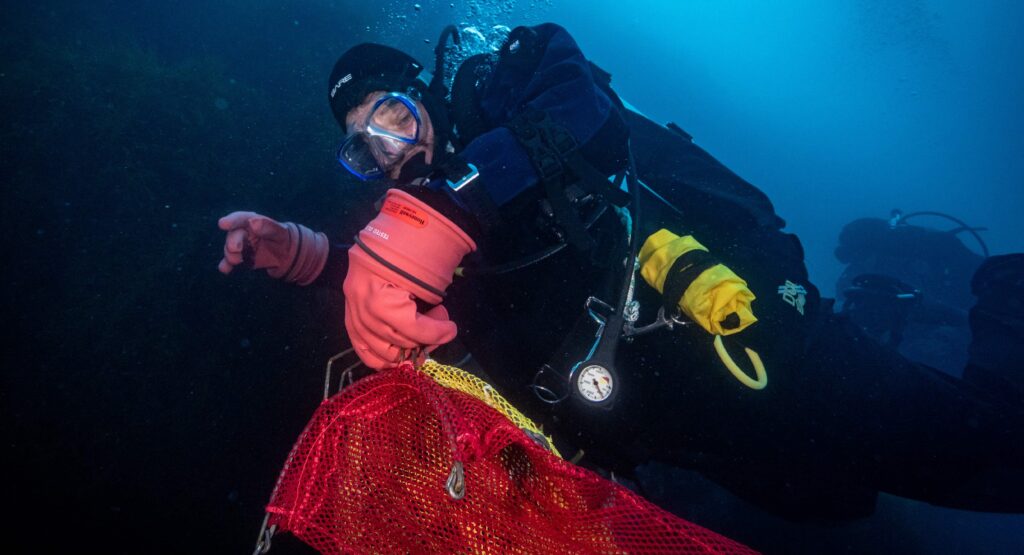
Back in the lab, scientists found that compounds linked to bacteria living inside the sea squirt showed promising activity against melanoma cells, while leaving healthy cells largely unaffected.
Researchers say this selective effect is what makes the discovery particularly significant, as many existing cancer treatments can also damage healthy tissue.
While still at a very early stage, the findings have sparked hopes that organisms adapted to extreme environments could provide new pathways for drug development in the fight against cancer.
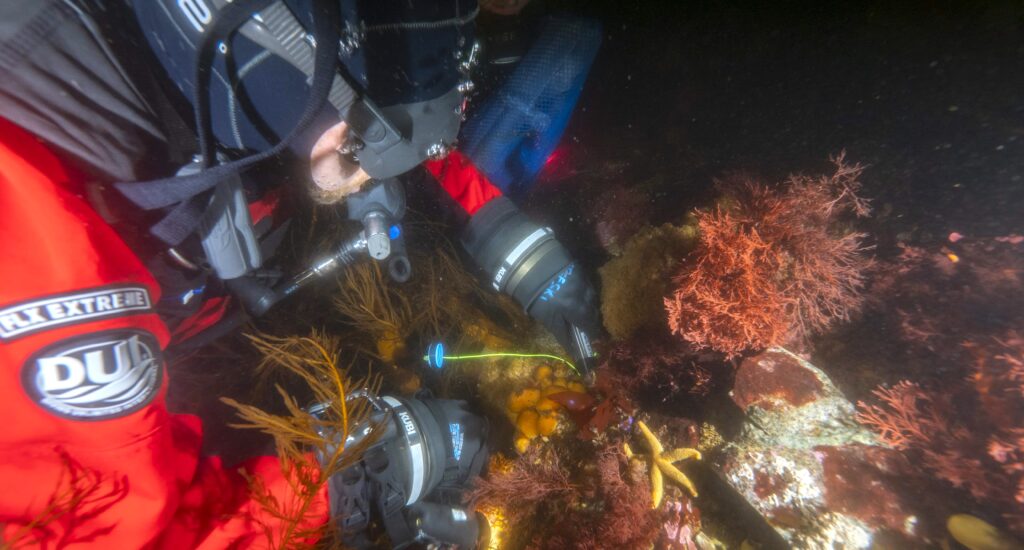
Melanoma is one of the most dangerous forms of skin cancer, responsible for the majority of skin cancer deaths globally if not detected early.
- Advertisement -
The research forms part of a wider scientific effort to explore the oceans – particularly polar regions – for previously unknown compounds that could have medical applications.
Scientists caution that the work is still in its infancy and far more testing will be needed before any treatment could be developed for human use.
However, they say the discovery highlights the potential of extreme environments like Antarctica to yield unexpected medical breakthroughs.
- Advertisement -
Further research is now planned to isolate and better understand the compound responsible for the cancer-killing effect.
READ MORE: Woman finds vintage car graveyard in ‘spooky’ UK forest