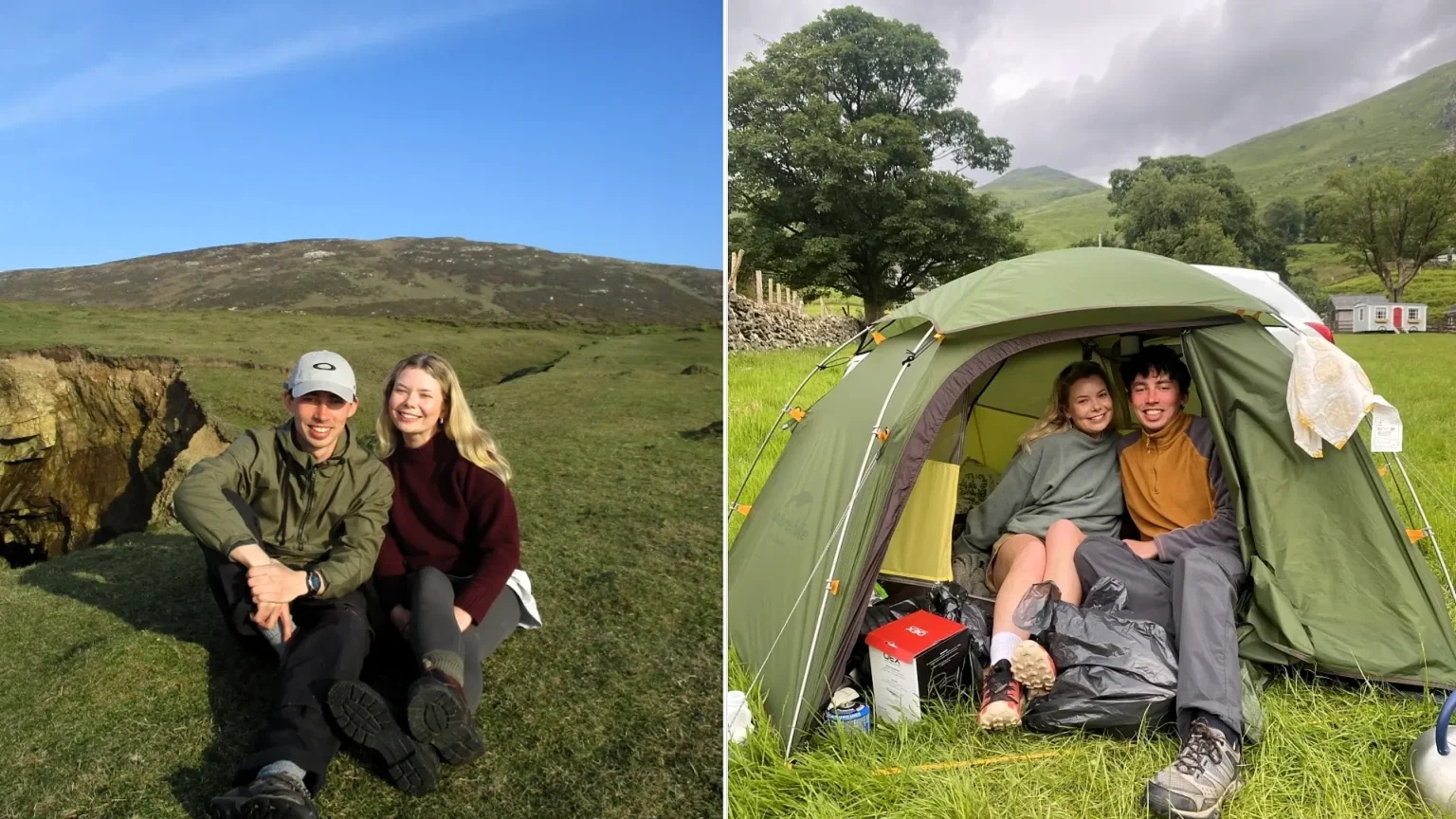

A couple moved from the city to a tiny off-grid island with just four residents and hundreds of sheep – and it’s saving them a fortune.
After living in Cardiff their whole lives, Lois Roberts and Aron Llywd had grown tired of the hustle and bustle of city life.
It had been their dream for a number of years to move off-grid and live sustainability.
- Advertisement -
But, without the funds to do so, it didn’t seem like it was within reach.
Until they came across a job on a tiny island, which involves maintaining the gardens and 10 holiday accommodations, in return for a rent-free home and salary.
And, best of all, it’s almost entirely off-grid with a population of just four, including them; except for its excessive amount of sheep, of which there is 66 to every human.
“I didn’t really think of where things came from before and took everything for granted,” Lois, aged 29, told What’s The Jam.
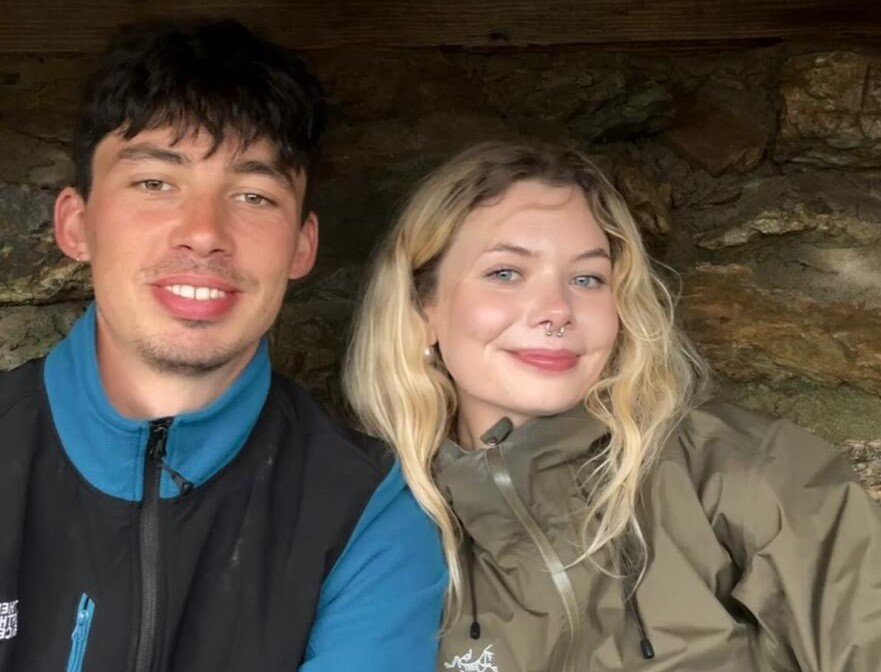
“Now I know exactly where our water and power comes from – and I’m careful about the amount we use, as it’s precious.
- Advertisement -
“I can’t pop to the shop if I’ve forgotten to buy something.
“Or see family and friends whenever we want.
“It takes a lot of effort for people to visit us; but we’re always appreciative when they do.
- Advertisement -
“It is a bit like going back in time, as we live in an old house and the compost toilet is outside at the back of the garden.
“And there is no signal on the island – apart from if you trek to the top of the mountain – but we do have WiFi in our house.
“Sometimes, it cuts off and we’re isolated.
“But then again, even with it, we feel like we’re separated from the rest of the world.
“It’s almost like we’re in a bubble with its own time and rules.
“We consider the sheep our neighbours.
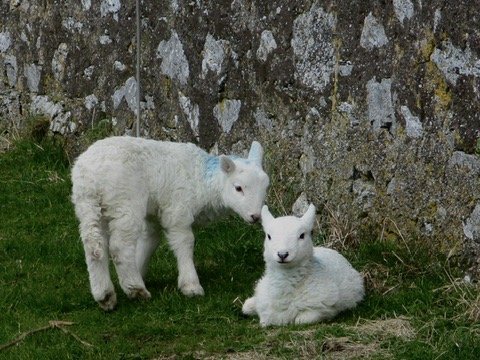
“It’s especially cute in spring during lambing season, as there’s loads of little lambs everywhere.
“When we go to the mainland after a long time on the island, it feels like we’ve been in a dream.”
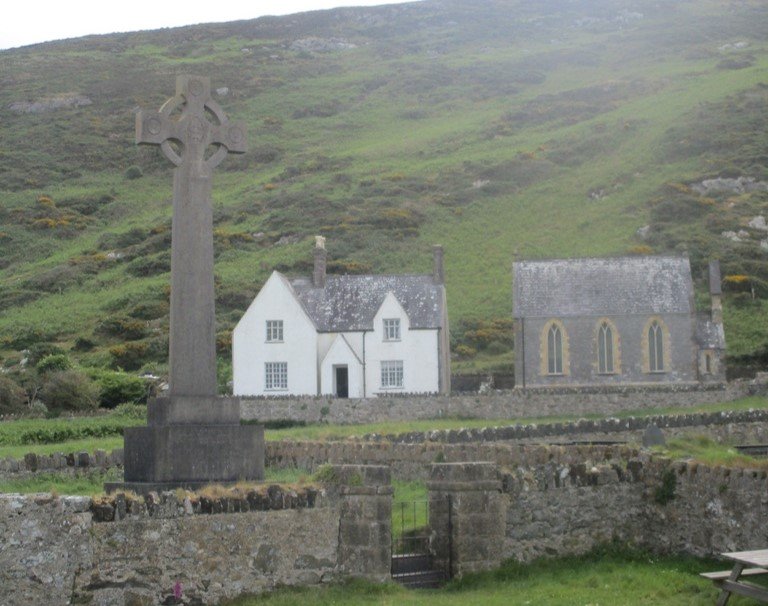
The island of Ynys Enlli – known as Bardsey Island – is located in the Llyn Peninsula in Gwynedd, Wales.
Lois, before moving, had just finished her masters degree in clinical psychology and began working as a researcher.
Aron, also 29, was a lighting technician for film and television.
When they saw the island warden role advertised, though, they snapped it up and ditched everything they knew behind with no questions asked.
She said: “Starting an off-grid lifestyle from scratch wasn’t going to be possible.
“But we kept seeing people on television and online that had changed their lives by living in remote areas – and we were desperate to do the same.
“Also, having just finished university, I wanted to do something different and not go straight into a mainstream role.”
At first, they worked seasonal roles only between 2024 and 2025, where they went back home in the winter.
It wasn’t until the previous full-time wardens left in March 2026 that the pair took their place.
Now, it’s just Lois, Aron, two farmers – and the 500 sheep.
But what does their job entail?
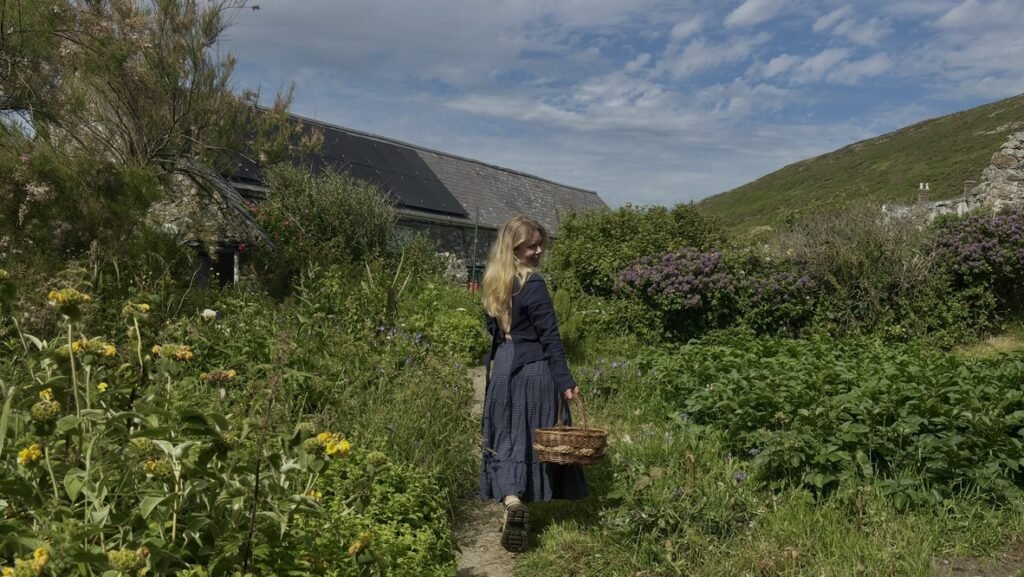
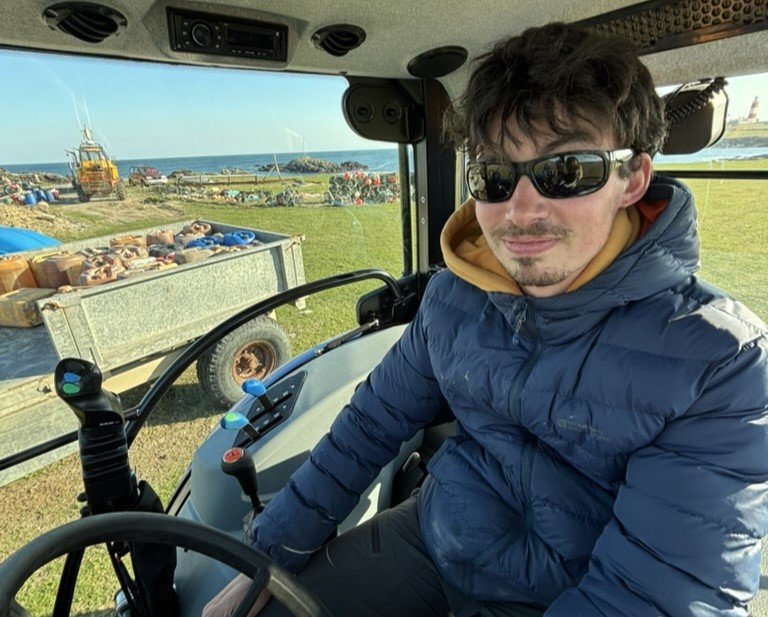
Lois said: “Guests stay between April and September, so we need to make sure the houses and gardens are kept in good condition.
“The houses were built in the 1870s and are listed, so they require a lot of maintenance.
“When things break, such as doors or windows, it’s our job to get them back in tip-top shape.
“The work is often unpredictable, so we have to solve the problems as they arise.
“We do have help from volunteers who stay on the island, so we manage tasks according to what needs to be done.
“But the best part of the job is seeing the changes that each season brings.
“From the sea thrift, to the foxgloves that pop up, and the blackberries in summer.
“It feels incredibly special and grounding.
“I think, in the city, I rarely had the headspace to sit down and learn a new craft for hours.
“Since moving here, I’ve learned how to knit, make cyanotype prints, weave and play the banjo.
“And we’re self-sustainable.
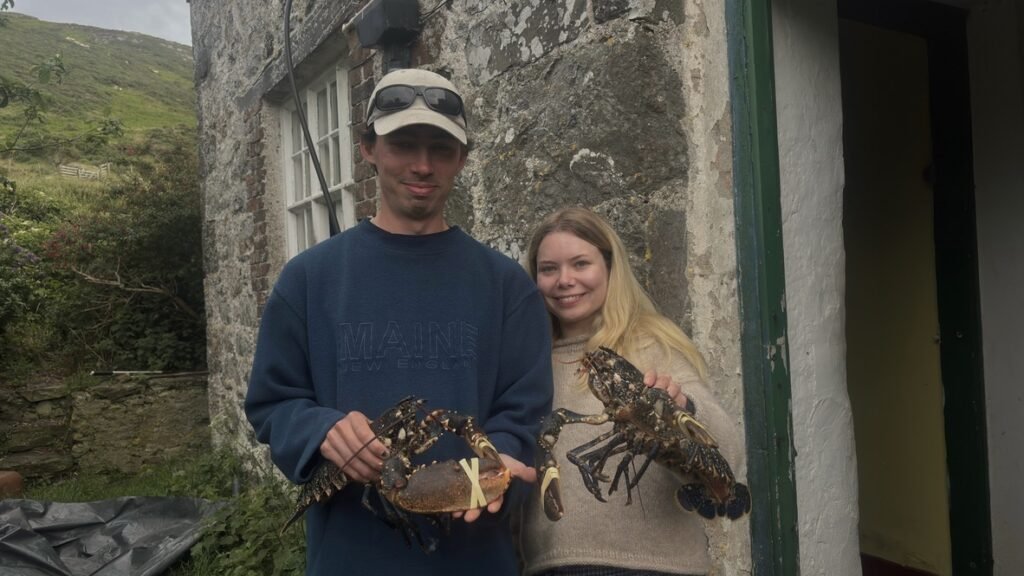
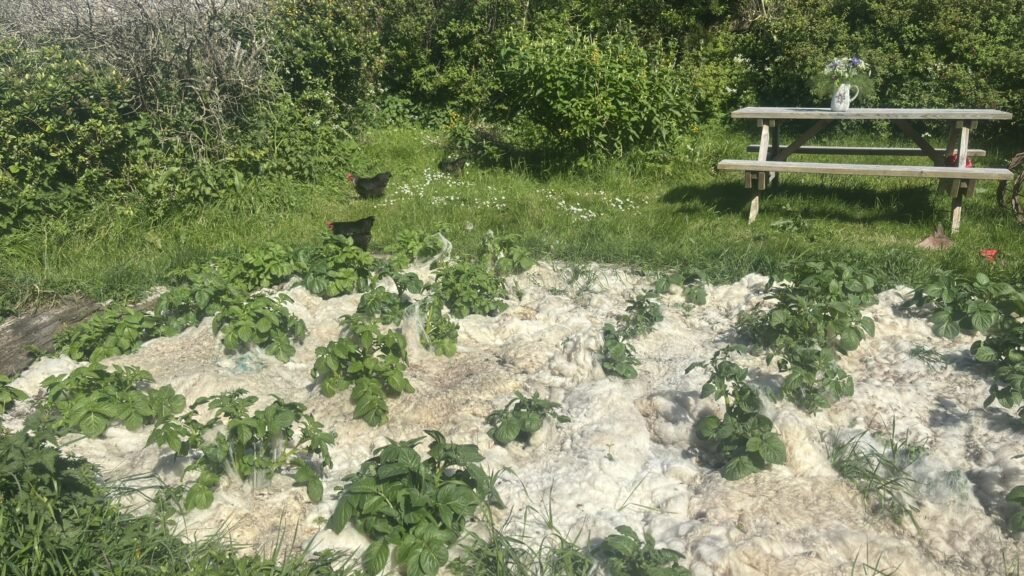
“There’s our own veg patch and large poly tunnel, as well as two lobster cages.
“Our five chickens also give us fresh eggs each day.
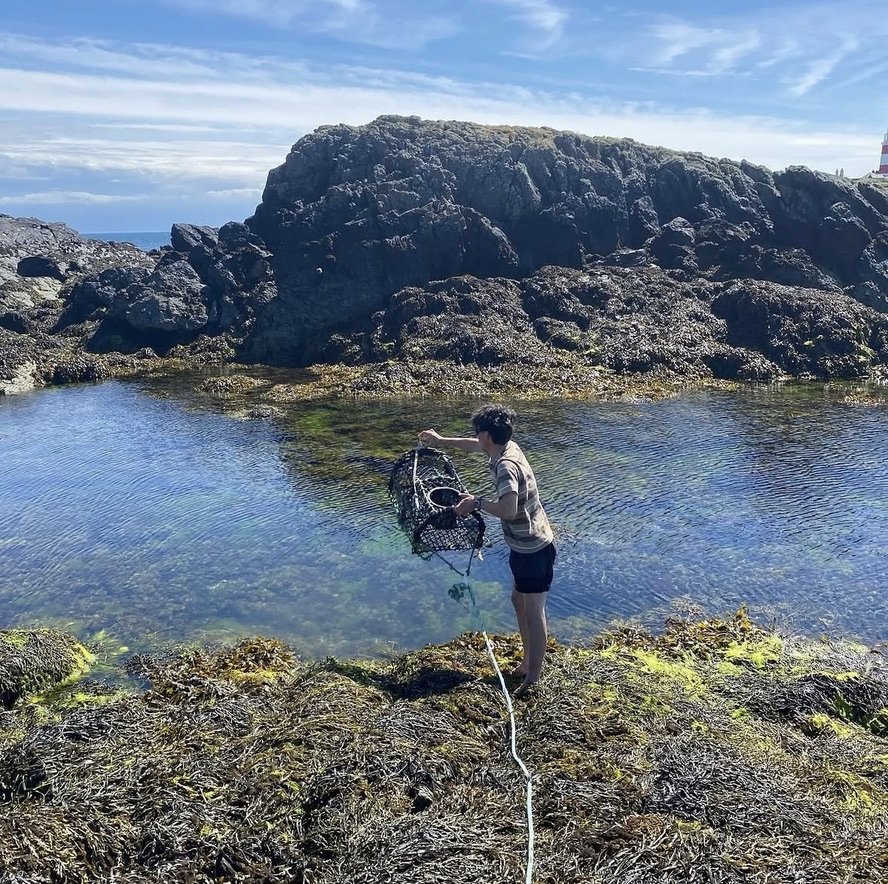
“Using the nearby orchard, we’ve been able to make our own cider, too.”
Despite being two of four, it’s not as isolating as people might think.
The sense of community is strong, as everyone checks in with each other and lends a helping hand whenever needed.
It isn’t all hunky dory, though.
She said: “Living by the seasons and relying on nature can bring its own set of issues.
“We rely on solar energy and if we have a few weeks of no sun, then we have no power.
“In the winter, we generate this from a wind turbine.
“But we do have a generator and batteries as a backup.
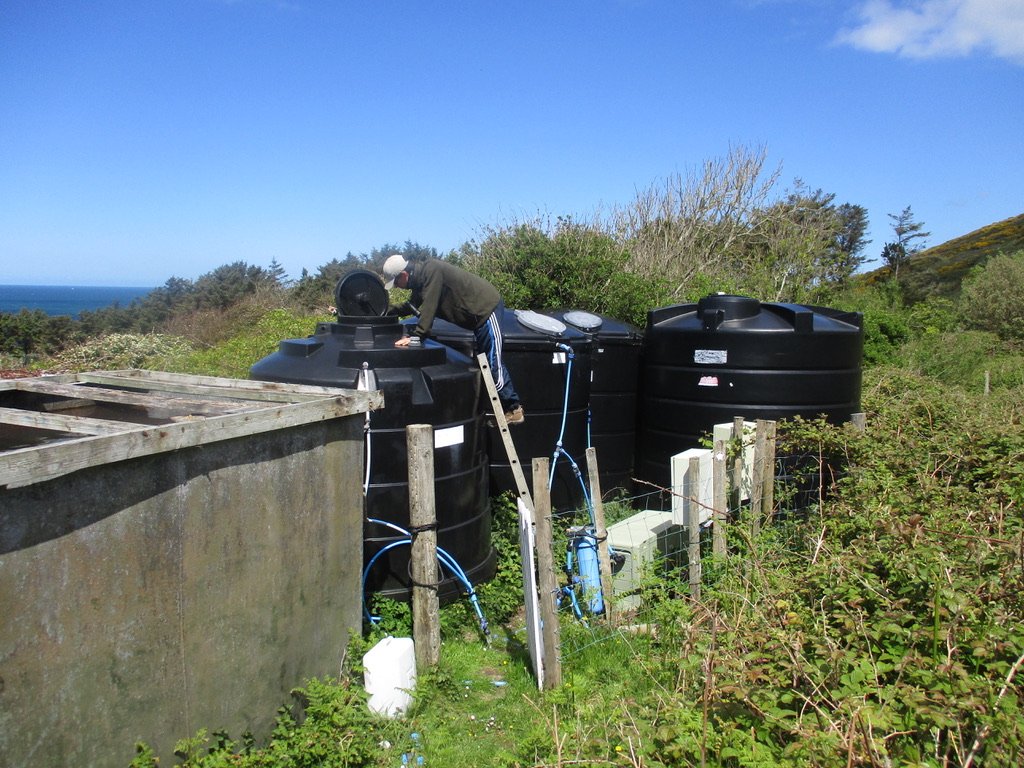
“And long periods of sunshine does mean our water supply runs low, as we rely on rain water for washing and other household uses.
“Our drinking water is from a well on the mountain.
“Keeping these supplies separate means we can make the best use of our limited resources.”
While in Cardiff, over half of their monthly pay check was spent on rent, bills and other living costs.
It was impossible for them to save and the thought of getting on the property ladder was a distant dream.
Now, though, they’re able to save half of their pay as their living costs are so low and will put the funds toward their future.
Their plan is to stay on the island for the next few years and then settle down elsewhere when the time is right.
For now, they’re enjoying a much slower paced lifestyle and aim to soak up everything the island has to offer.
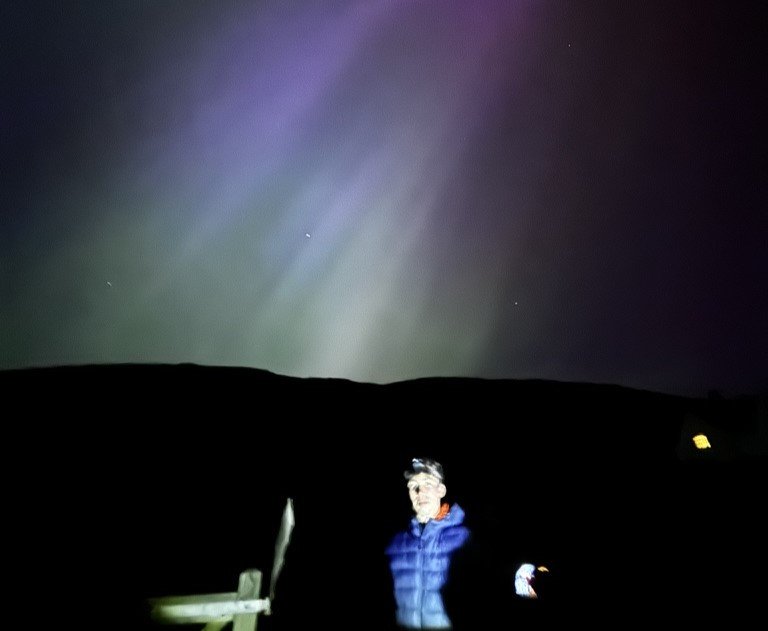
Lois added: “We’re lucky enough to see the Northern Lights from our doorstep.
“And we get to experience total darkness at night.
“It’s a luxury we didn’t get in the city.
“It’s always a privilege to see the stars so clearly and sometimes, we see the Milky Way.
“The closest light pollution is actually from Dublin.”
READ MORE: ‘People think I’m my 14-year-old daughter’s SISTER – I need to show my ID to prove I’m her mum’