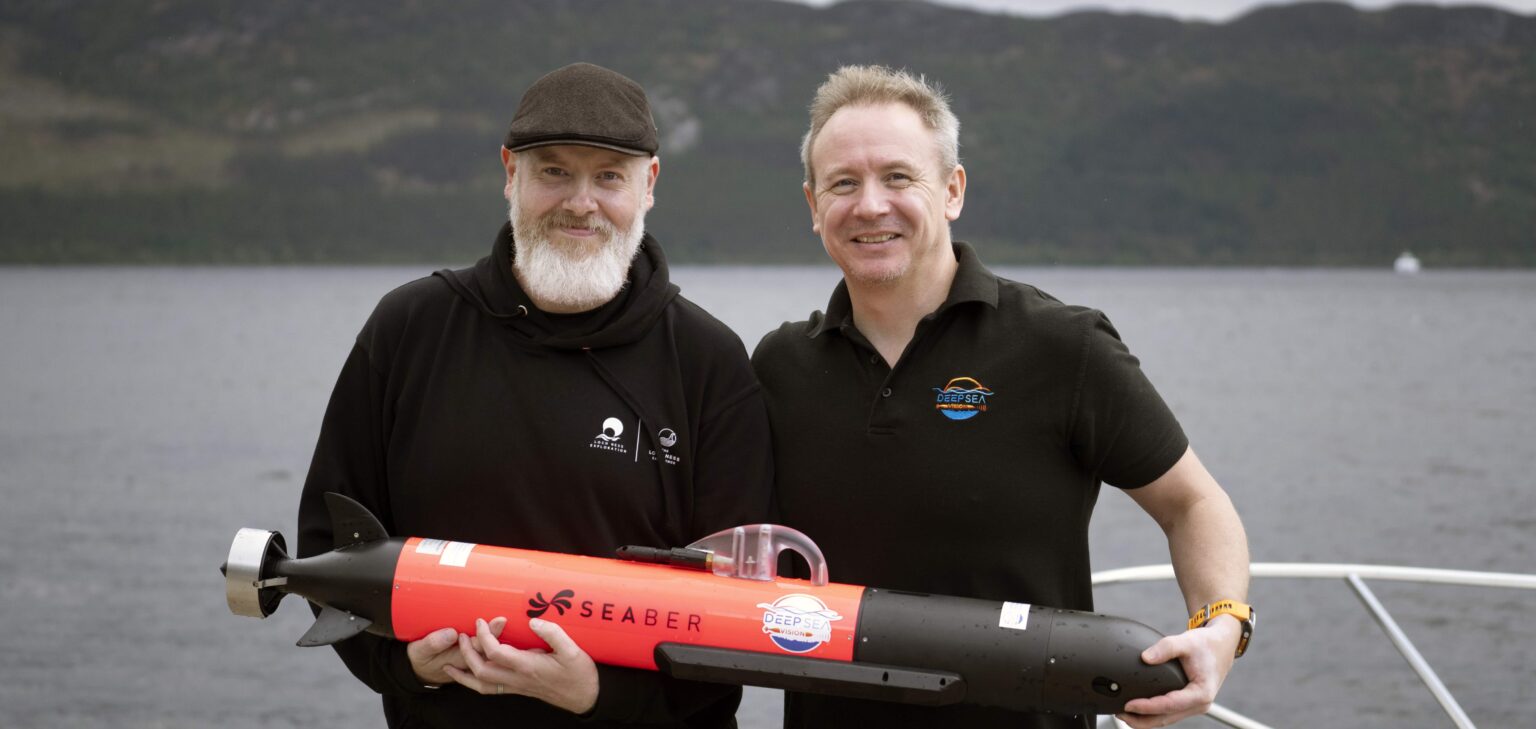

A hi-tech underwater robot searching Loch Ness has successfully tracked down an iconic Nessie film prop hidden beneath the murky depths.
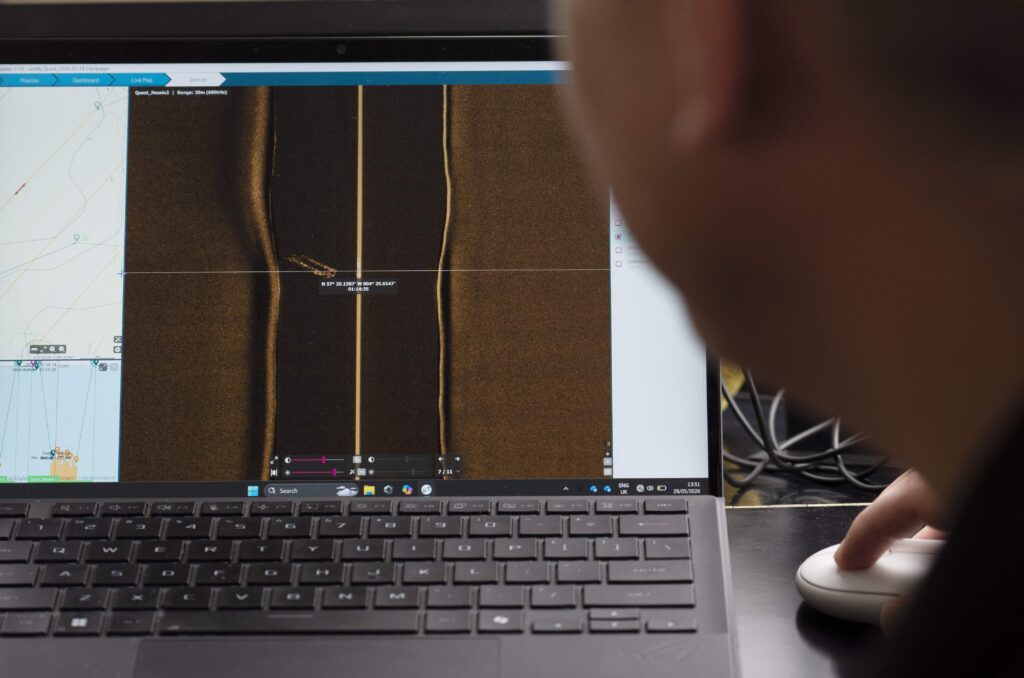
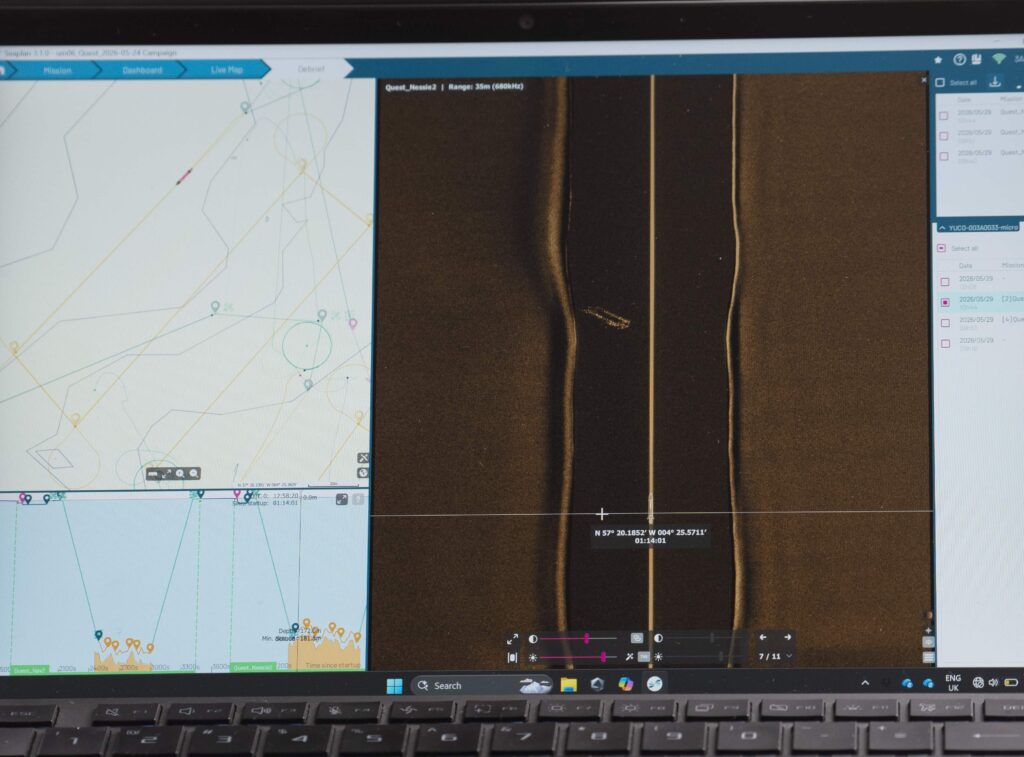
The cutting-edge autonomous vehicle pinpointed the famous “Nessie Head” prop used in the 1970 film The Private Life of Sherlock Holmes during a test mission beneath the surface.
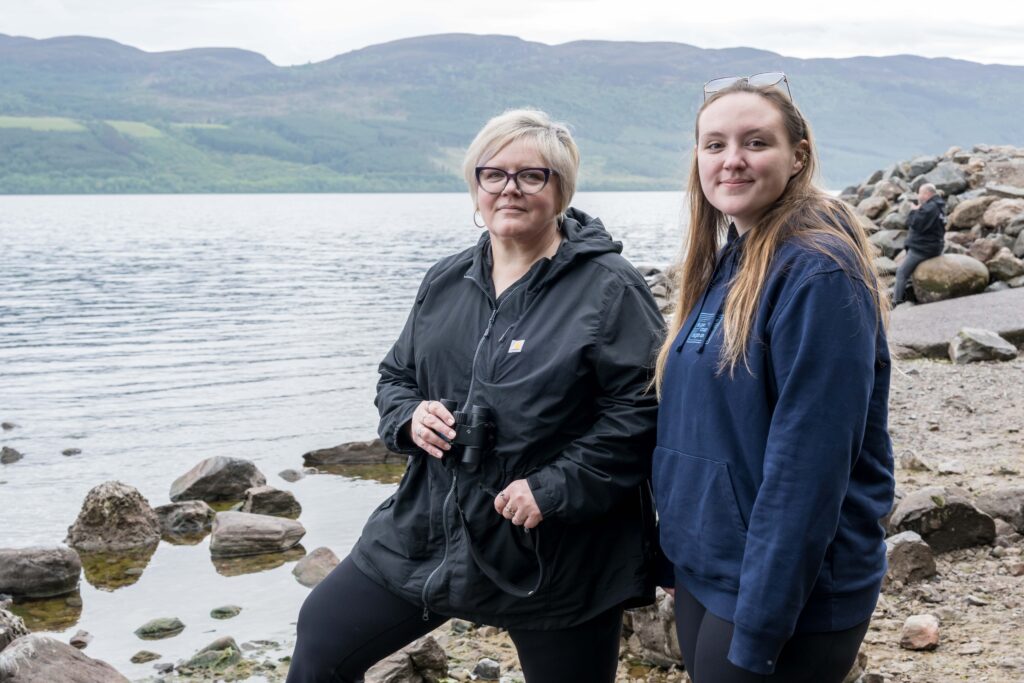
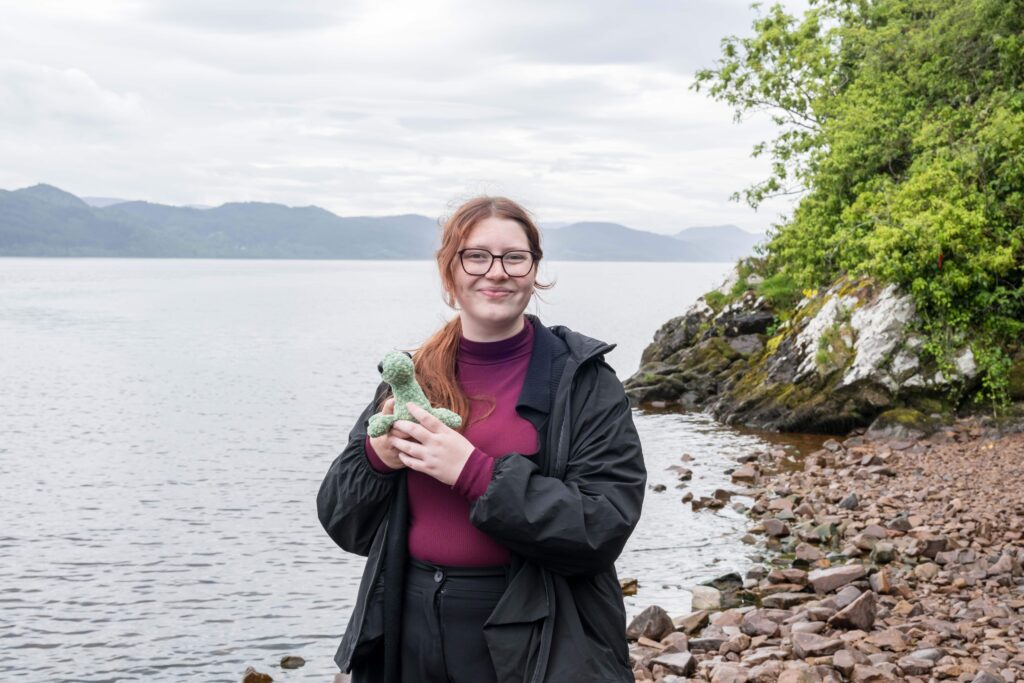
The discovery came as hundreds of monster hunters descended on Loch Ness for an annual search for the legendary beast, with visitors travelling from as far away as the US and Australia.
READ MORE: World’s biggest crane lifts giant nuclear reactor into place at Britain’s newest power station
- Advertisement -
Researchers deployed the Micro Millie autonomous underwater vehicle to test its navigation, positioning and imaging systems in the challenging conditions of Scotland’s most famous loch.
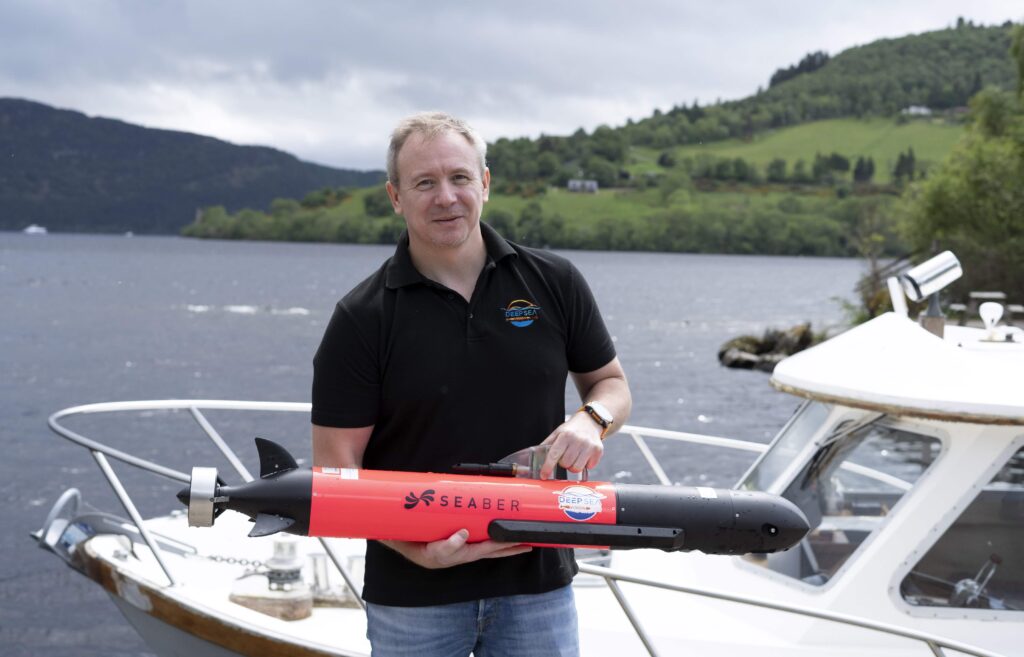
Despite difficult weather and some early technical issues, the robot completed its mission and successfully relocated the long-lost film prop with impressive accuracy.
The approximate location of the Nessie Head was already known, making it the perfect target to test the vehicle’s capabilities.
Researchers say the successful mission marks an important step forward and demonstrates how the technology could be used for future exploration and underwater surveys, as reported by Whats The Jam.
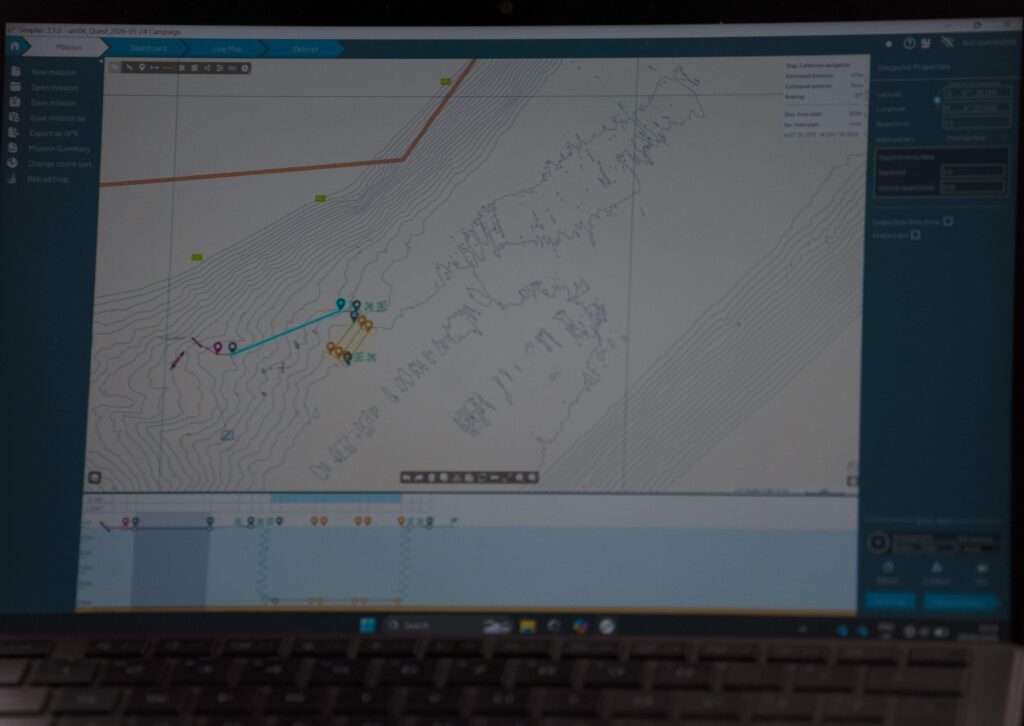
Although Loch Ness is one of the world’s most famous stretches of water, experts say only around 2-3% of its 56sqkm area has been mapped in the level of detail now possible using modern underwater robots.
- Advertisement -
Much of the existing mapping data has a resolution of between five and 10 metres, leaving large areas of the loch floor relatively unexplored.
Scientists hope future surveys could uncover historic artefacts and other hidden objects beneath the surface.
Loch Ness is believed to contain the remains of aircraft, boats and other relics that have never been located.
- Advertisement -
Craig Wallace, president of operations at Deep Sea Vision, said: “Micro Millie performed exceptionally well in a challenging and incredibly deep freshwater environment, delivering the level of accuracy and detail we hoped to achieve.
“Being able to return to and pinpoint the Nessie Head prop gave us an important benchmark for the vehicle’s navigation and imaging capability.
“It shows that this technology is accurate, reliable and ready to support much more detailed work on Loch Ness.
“This successful mission provides a strong foundation for our long-term partnership with The Loch Ness Experience and SEABER as we work towards mapping one of the world’s most mysterious bodies of water in greater detail than ever before.
“Loch Ness still has so much to reveal, and the ability to survey it at higher resolution opens up exciting possibilities for what may be found in the years ahead.”
Alan McKenna, of Loch Ness Exploration, said: “This collaboration is a really exciting development for anyone who wants to better understand Loch Ness.
“Knowing that we now have the capability to carry out ongoing scans of the loch opens up new avenues for exploration and gives us the chance to look at this environment in a completely different way.
“Loch Ness has such a rich and storied history, and there is still so much below the surface that remains unknown.
“With this technology, there is real potential to make remarkable findings and build a much clearer picture of what lies beneath.”
Nagina Ishaq, general manager of The Loch Ness Experience, said: “The Quest continues to evolve each year, and this latest mission shows how modern technology can help us explore Loch Ness in ways that simply have not been possible before.
“While the legend of Nessie is what captures imaginations around the world, projects like this are also about building knowledge, supporting exploration and helping us better understand the loch itself.”
The team now plans to carry out further surveys in a bid to map more of the loch floor and uncover what other secrets may still be hidden beneath the water.
READ MORE: Rare WWII ‘Mickey Mouse’ gas mask found after being hidden in wardrobe for more than 80 years