

Two British mums have gone head-to-head on new government guidance suggesting that kids under five should be limited to one hour of screentime per day.
Annette Kellow’s and Britt Jones’ opinions couldn’t be further from each other.
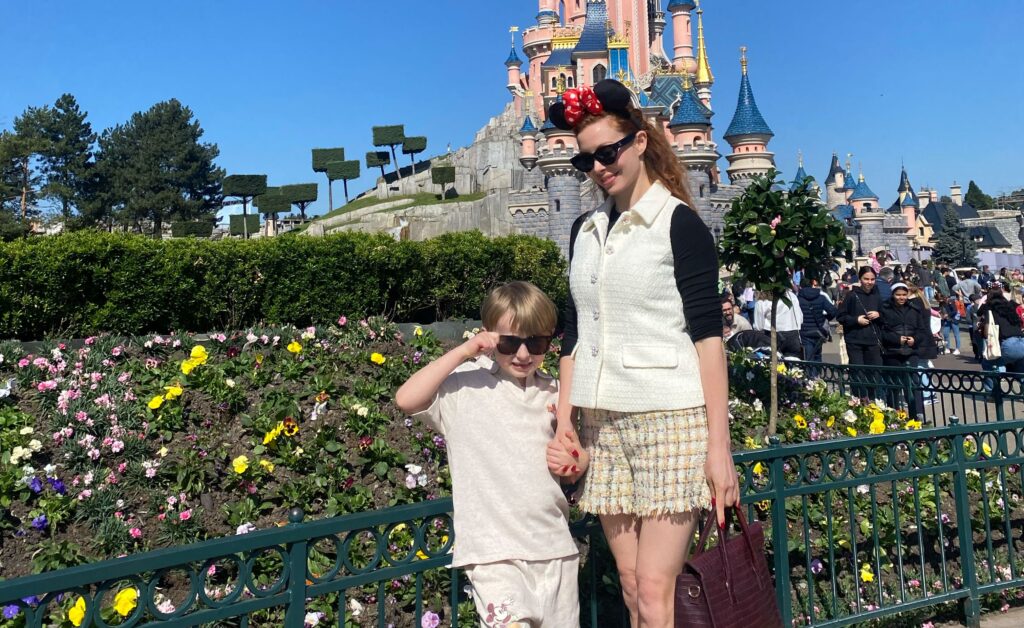
The 42-year-old has admitted to her son, Felix, aged seven, that “screens make you dumb” and limits his screentime viewing to 20 minutes up to four times per week.
READ MORE: Britain’s future under the spotlight as Anthropy26 opens with calls for growth and renewal
- Advertisement -
It’s a strict rule; so much so, that the writer has a stopwatch in place and doesn’t even own a television.
Britt, however, gives her kids, Freyja, four, and Finlay, six, “unlimited” viewing time – with the tots often staring at a screen for up to nine hours per day.
Their opinions come as new government guidance was released last week suggesting that those under five should be limited to one hour each day, with under twos not watching screens at all.
“I think children need to develop critical thinking skills more importantly,” Annette, from London, told Whats The Jam.
“When he gets to a screen-appropriate age, he will learn quickly; it’s not hard.
- Advertisement -
“We don’t give our children enough credit on how they work out AI, coding and other technology.
“It’ll all happen at a later stage in life.
“He won’t be behind.
- Advertisement -
“I champion the government’s plan.”
The mum allows her son to watch educational shows only; between Newsround and Horrible Histories.
He’ll enjoy them on her laptop due to their lack of television.
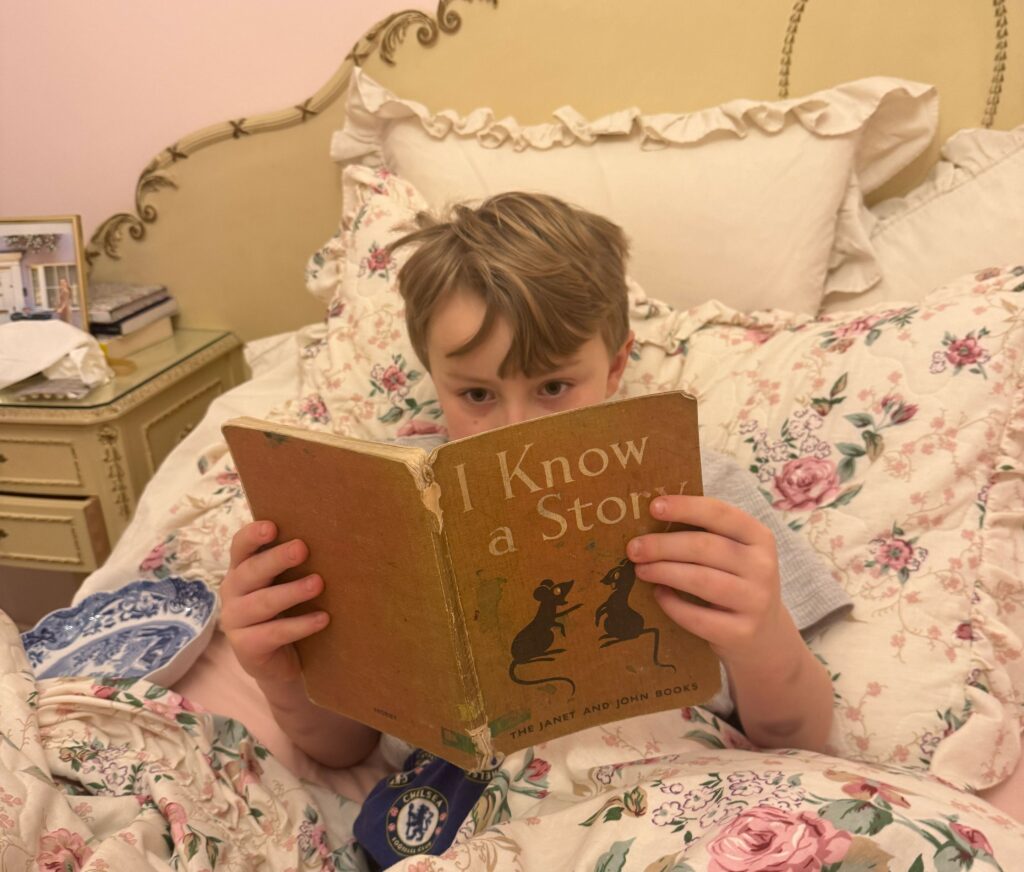
At the weekends, though, screens are off-limits.
She said: “Only after school can he catch up on the news – and that’s not an everyday thing.
“Weekends are for spending outdoors.
“Nowadays, kids are like prisoners, but I think it’s best to do things you can actually see and touch.
“Such as going to the museum, or for a walk, playing the keyboard and making things.
“On screen days, I use a stopwatch.
“When it runs out, that’s the end of it.”
Annette has had to deal with difficult questions from Felix, who sees his friends from school enjoying their screens.
But she aims to be upfront with him.
She said: “A lot of his friends have Snapchat and Roblox.
“He asks to play it and does want to do other things his friends do on their devices, but I just try to divert his attention as it’s a strict no-no.
“I’m terrified of the people that might be on these online games and I’m apprehensive about him being on a screen that has such fast-moving motions.
“It’s detrimental to a child’s focus.
“I tell him honestly and explain that there are strange people on there.
“He also believes that playing games makes you dumb.
“I know it’s harsh, but if he goes on it, there’s a chance he’ll become addicted.
“I’ve told him that screentime might mean he’s not so successful later on in life, too.”
Luckily, the pair haven’t run into any arguments, though Annette recognises it’s going to get harder as he gets older.

She added: “I believe it is a slippery slope when it comes to screens and kids.
“He’s had a handful of occasions when going to a friends’ house where they have a screen – which is a problem.
“But I explain that families have different values.
“If he has play dates here, they’re always in the garden.
“I do worry in the future that it’ll be quite tricky to say no.
“But all I want is a framework now for when that day arrives.”
Britt, aged 29, used to judge parents for allowing kids on their screens all day, especially while out to dinner.

Now a mum-of-two, she recognises it’s not so easy to keep them occupied with traditional toys and methods.
She said: “I used to wonder why kids couldn’t just read a book or be engaged in a different way.
“Now I plonk them in front of a screen as it stops them from destroying the house.”
Growing up, watching television was the norm.
It quickly became a family activity and Britt can’t recall it ever being on – even for some background noise.
She believes this might have attributed to her “addiction” today.
She said: “I got hooked on Tamagotchis, then my phone, and it all spiralled from there.
“I’m a doom scroller, especially with videos and shorts.
“I scroll on my phone whenever, including when the television is already on.
“It hasn’t taken over my life, so I don’t really see the problem, which is why I don’t when it comes to my kids, either.”
Britt admits they spend up to nine hours per day on their screens, mostly on the weekends.
The mum, from the West Midlands, added: “Essentially, I allow them an unlimited amount of screentime each day.
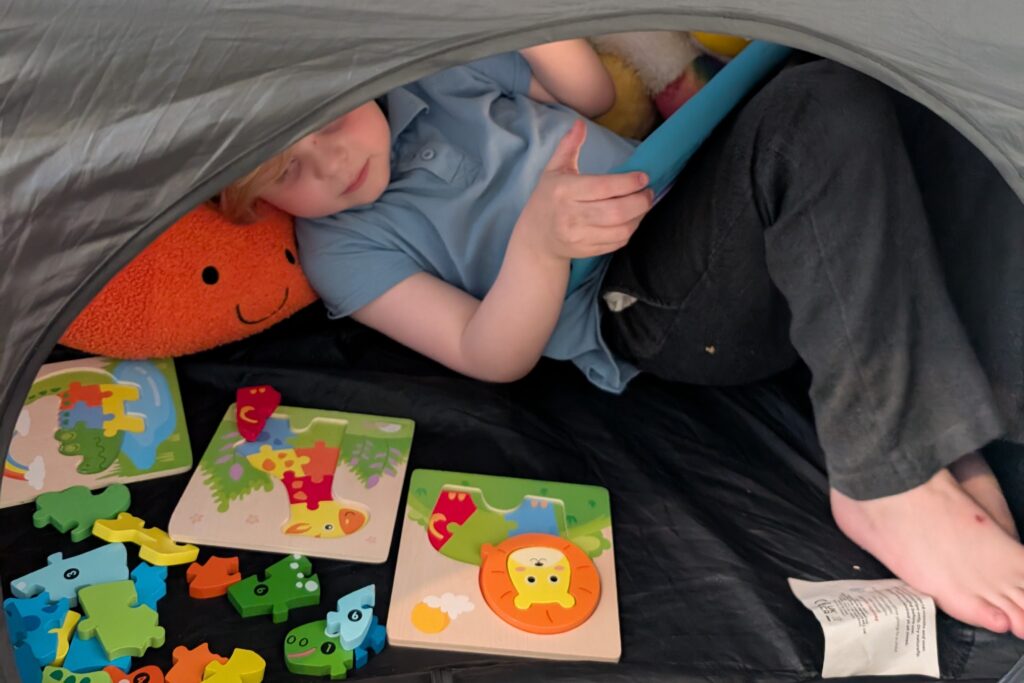
“This can include multiple outlets at once; from their tablets, to Alexa and the television.
“I believe technology is part of our modern life and they should understand how it works at an early age.
“I said before I’d never let my child use a screen, but it’s just natural that the television is always on.
“So I’ve moved to more educational shows, such as Ms Rachael, Oxbridge Baby, Singing Hands and Mr Tumble.
“They’re just not interested in toys and I see tablets as a much better way to model them for the future.”
Britt does think their attention span is limited, with them only able to concentrate for a few minutes at a time.
But she thinks the government – and those that agree with their guidance – are “deluding” themselves.
She added: “It’s a sign that people are in denial about the future.
“As times change, kids should be exposed to things that are up and coming.
“My kids are whizzes when it comes to technology.

“They will have the skills unlocked no matter how advanced things get as they’ve had this head start in life now.”
The government, as part of their guidance, has suggested that fast-paced videos are steered clear of and that “screen swaps” take place instead.
It’s still under review as more evidence emerges and urges parents to lead by example since kids’ brains are “like sponges”.