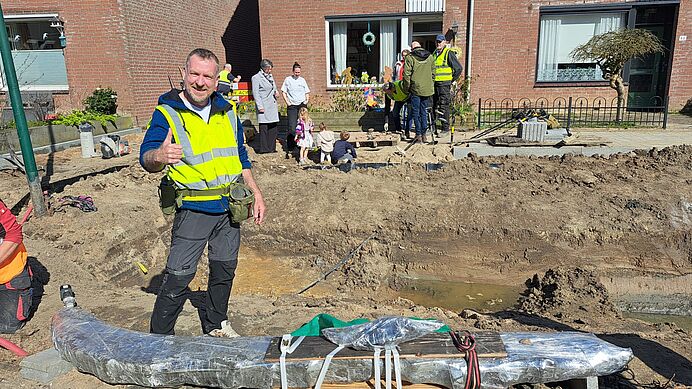


A possible ship fragment which could date back 1,300 years has been discovered during construction work.
The find was made while excavation work was being carried out to replace sewer systems and install drainage.
Workers uncovered a shaped wooden beam protruding from the ground, which caught the attention of an amateur archaeologist.
Volunteer Danny van Basten, from ArcheoTeam Wijk bij Duurstede, recognised the potential significance of the object and alerted specialists to the find which was made in Wijk bij Duurstede in the Netherlands.
Experts from Stichting Beheer Vikingschip and Museum Dorestad were called in to assess the discovery.
Shipbuilder and expert Kees Sterrenburg said the shape, notches and craftsmanship of the wood suggest it could be part of a ship’s frame.
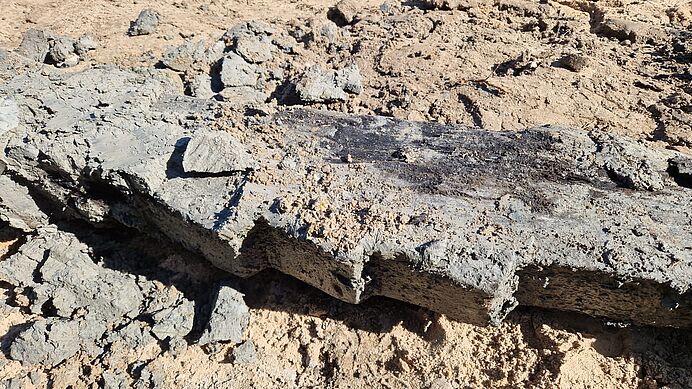
Based on its position and nearby pottery fragments, the find could date back to the Carolingian period, around 700 to 800 AD.
However, researchers are also considering whether it may be part of a cog ship, which would indicate a later date of around 1300 AD.
Further analysis is expected to determine its exact origin.
Municipal archaeologist Anne de Hoop, who is coordinating the investigation, described the discovery as unique reported What’s The Jam.
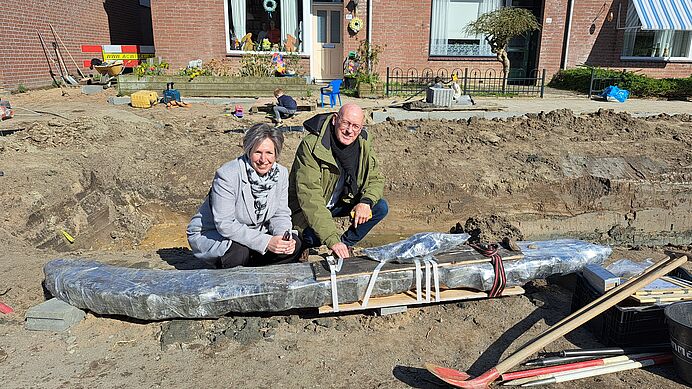
She said the beam, which measures around 3.2 metres long and 30 centimetres thick, will be carefully cleaned before experts analyse its tree rings to establish its age more precisely.
The location of the find has raised questions, with experts suggesting it may have been part of a former channel where ship remains washed ashore.
The beam has been wrapped and removed to prevent damage from drying out.
Museum Dorestad has expressed interest in displaying the object in the future.
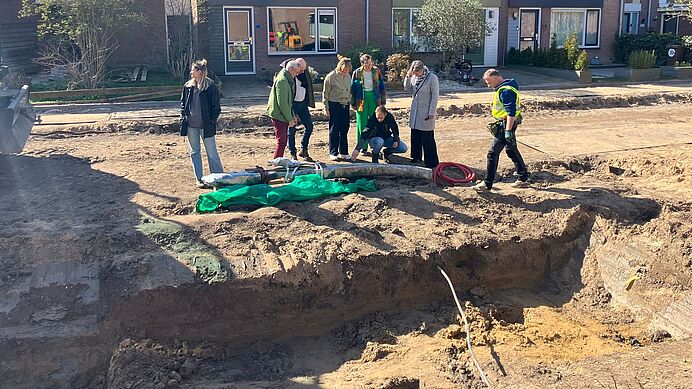
Officials said such discoveries are rare both locally and nationally.
The find also drew attention from local officials, including mayor Petra Doornenbal and councillor Bert Lubbinge, who visited the site shortly after it was uncovered.
Councillor Arne Schaddelee reportedly interrupted a provincial meeting to hear the news.
Further investigation into the origin of the find could take several months.