

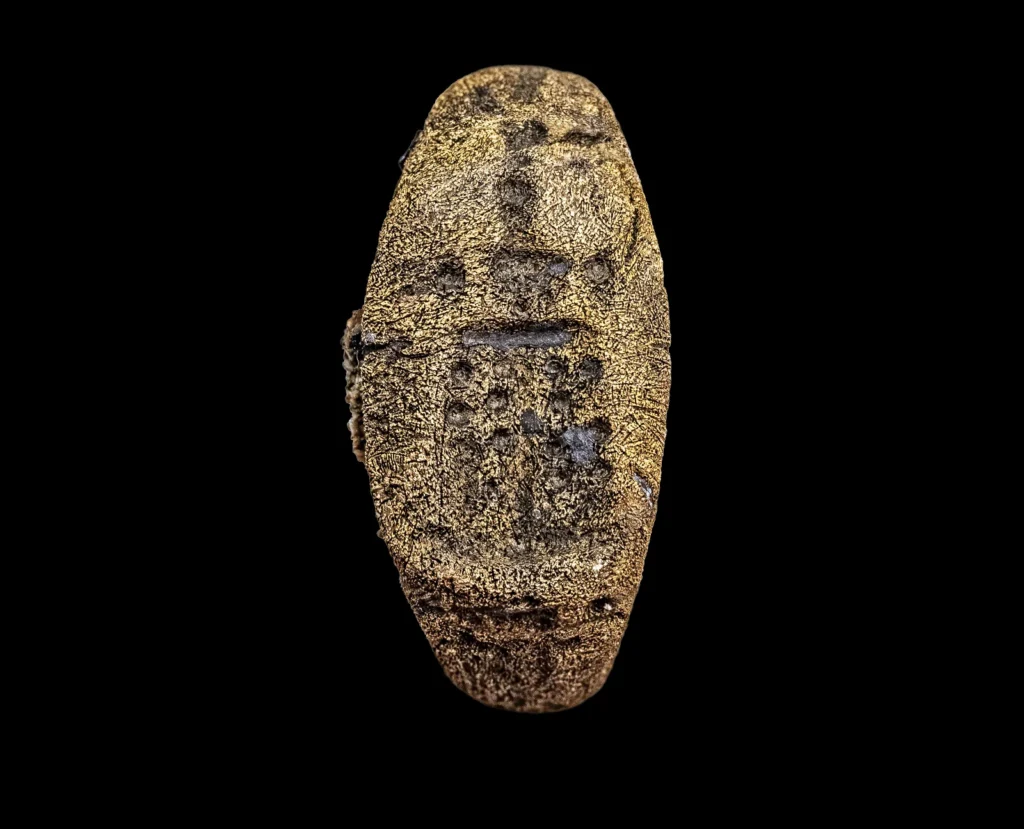
Divers have discovered the first known ring depicting one of the Seven Wonders of the Ancient World.
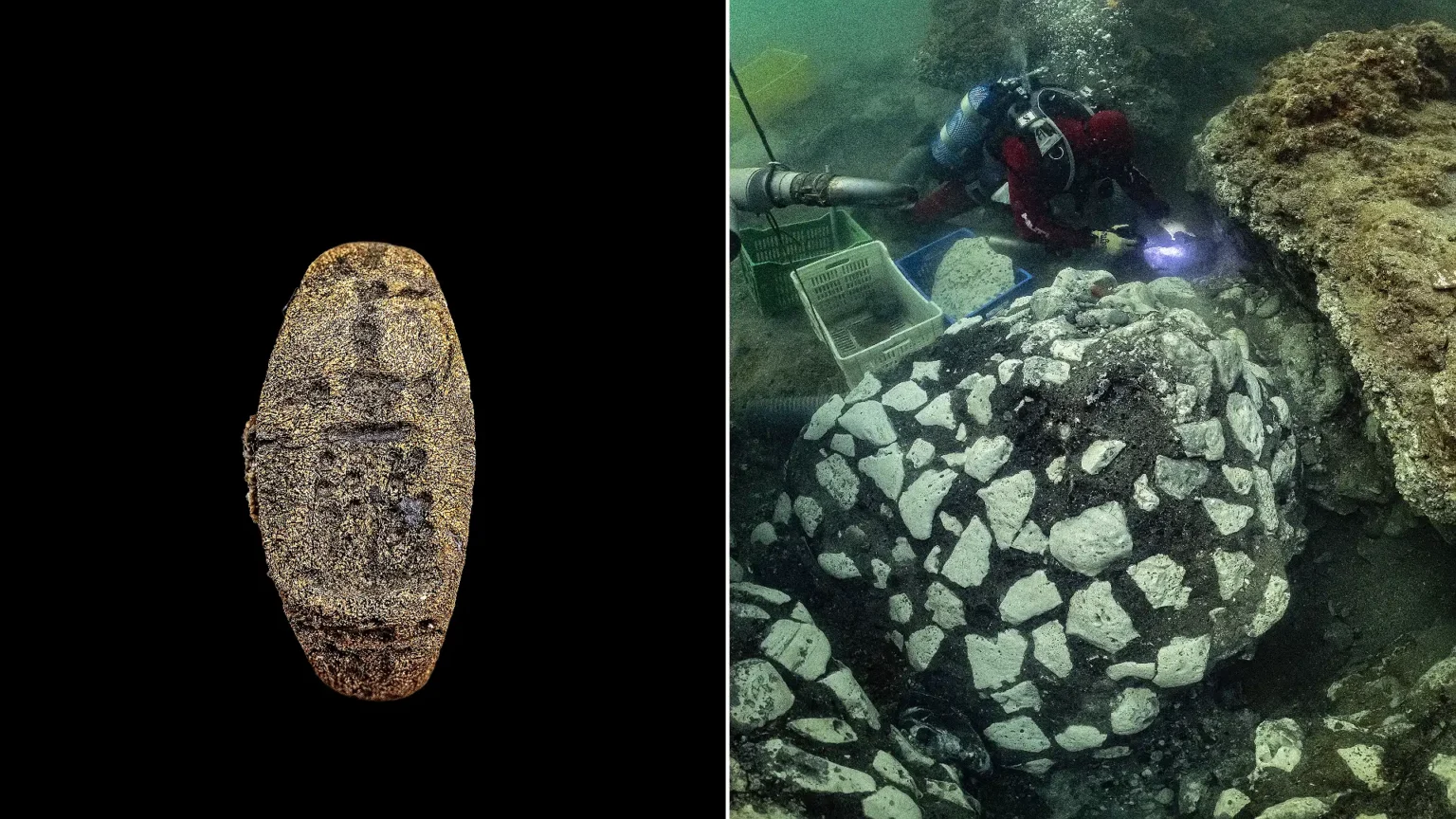
The extraordinary bronze signet shows the Lighthouse of Alexandria, which once towered over the Egyptian city and guided ships safely into its harbour.
It was recovered from the remains of a submerged royal palace on Antirhodos, an island that formed part of Alexandria’s ancient Royal Quarters before disappearing beneath the Mediterranean.
READ MORE: Brit who fled cost-of-living crisis pays under HALF for diesel abroad
The tiny treasure was found during underwater excavations led by French archaeologist Franck Goddio and the European Institute for Underwater Archaeology, as reported by What’s The Jam.
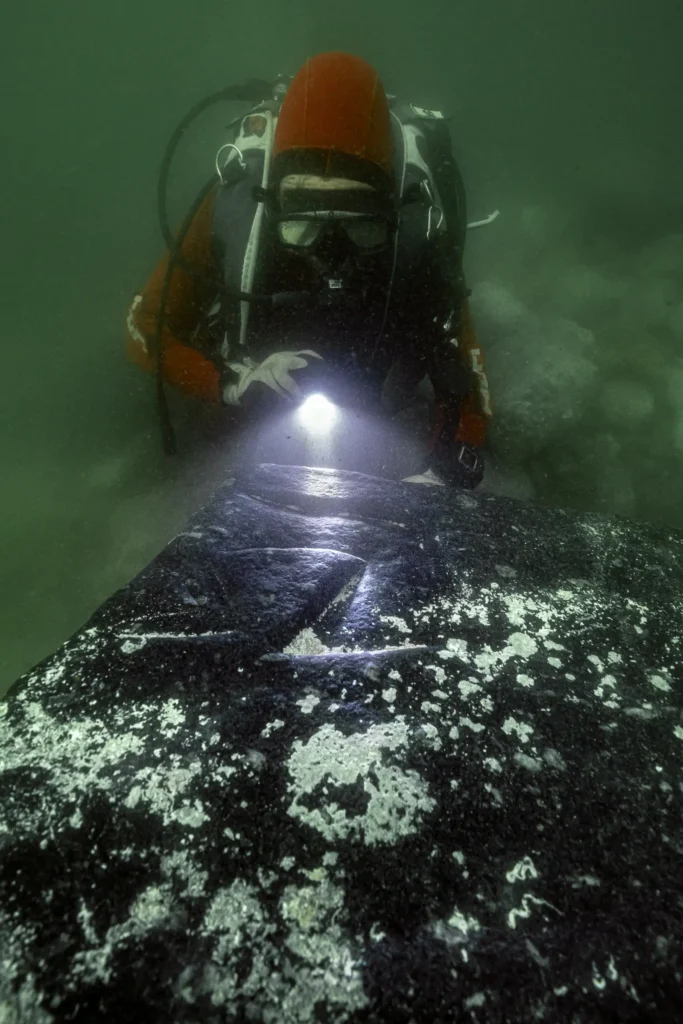
Pictures from the expedition show divers exploring the murky ruins with torches before bringing the heavily corroded ring to the surface.
Despite spending centuries underwater, its raised design remains visible and bears a striking resemblance to depictions of the lighthouse found on some second-century Roman coins.

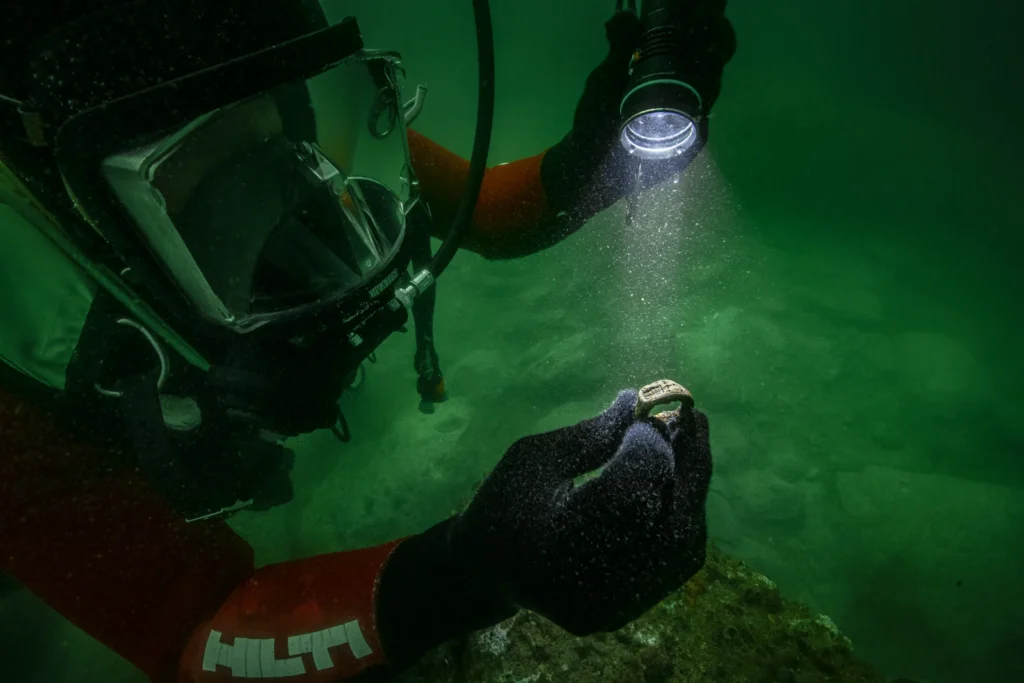
Experts say it is the first known bronze ring-signet to carry an image of the celebrated structure.
The location of the find could make it even more significant.
Archaeologists believe parts of the sprawling palace may once have housed administrative offices – potentially including officials responsible for running the lighthouse.
Franck said: “The discovery of the ring-signet is even more important as it has been excavated in the legendary palace of the Island of Antirhodos, that once was a centre of power.”
The palace was witnessed by Greek geographer Strabo when he visited Egypt between 29 and 25BC.
Archaeologists have now uncovered architectural remains covering several thousand square metres beneath the waves.
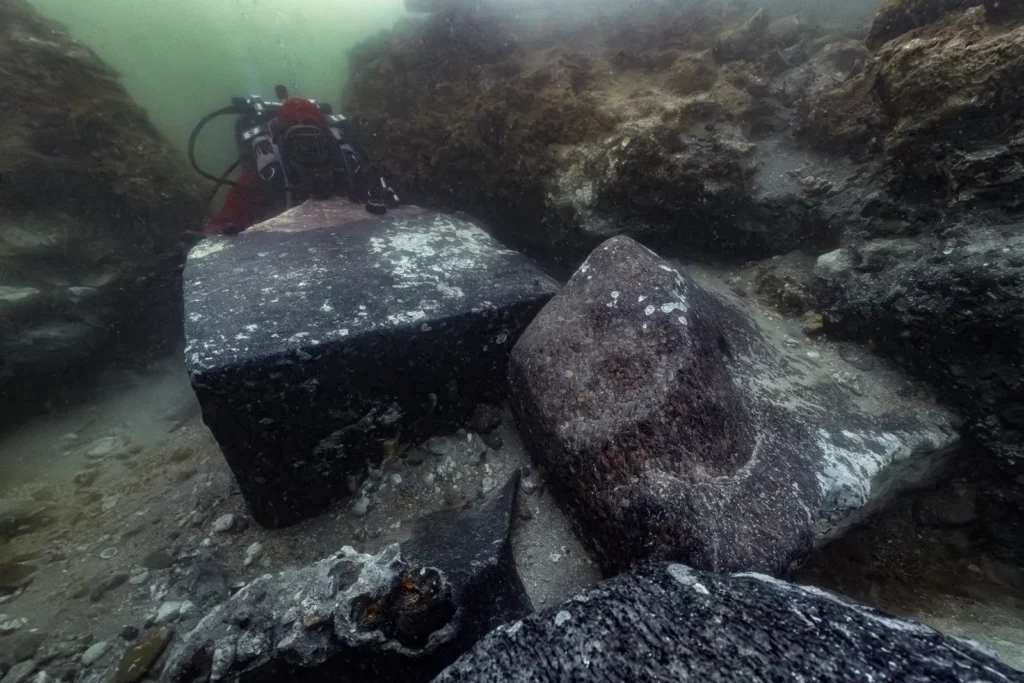
The wider royal district was once associated with some of the ancient world’s most famous figures, including Cleopatra VII, Julius Caesar and Mark Antony.
Alexandria was founded by Alexander the Great in 331BC and later became the capital of Egypt under the Ptolemaic dynasty.
Its enormous lighthouse was built on the island of Pharos during the third century BC and is thought to have stood more than 100 metres tall.
For centuries, it was among the tallest man-made structures on Earth and helped sailors navigate the dangerous approach to the bustling port.
But repeated earthquakes badly damaged the lighthouse, and it eventually vanished, leaving the Great Pyramid of Giza as the only surviving member of the traditional Seven Wonders.

Large areas of ancient Alexandria’s waterfront also sank following earthquakes, tidal waves, subsidence and changes in sea level.
Some remains now lie as much as eight metres beneath the surface.
Egypt’s Minister of Tourism and Antiquities, Sherif Fathy, and his assistant, Dr Ahmed Rehema, visited the expedition’s research vessel to see the newly discovered ring and watch the underwater work.
The mission has also been examining other sites around Alexandria’s Eastern Harbour, with archaeologists recovering pottery, glassware and everyday objects spanning centuries of the city’s history.
Researchers hope continued work at Antirhodos will reveal more about how the palace operated and the people who lived and worked at the heart of ancient Alexandria.
The excavations are being undertaken by the European Institute for Underwater Archaeology in collaboration with Egypt’s Ministry of Tourism and Antiquities and with support from the Hilti Foundation.
The institute has been investigating Alexandria’s submerged ruins since 1992.
READ MORE: Daredevil HAMSTER sprints along power line in the sky