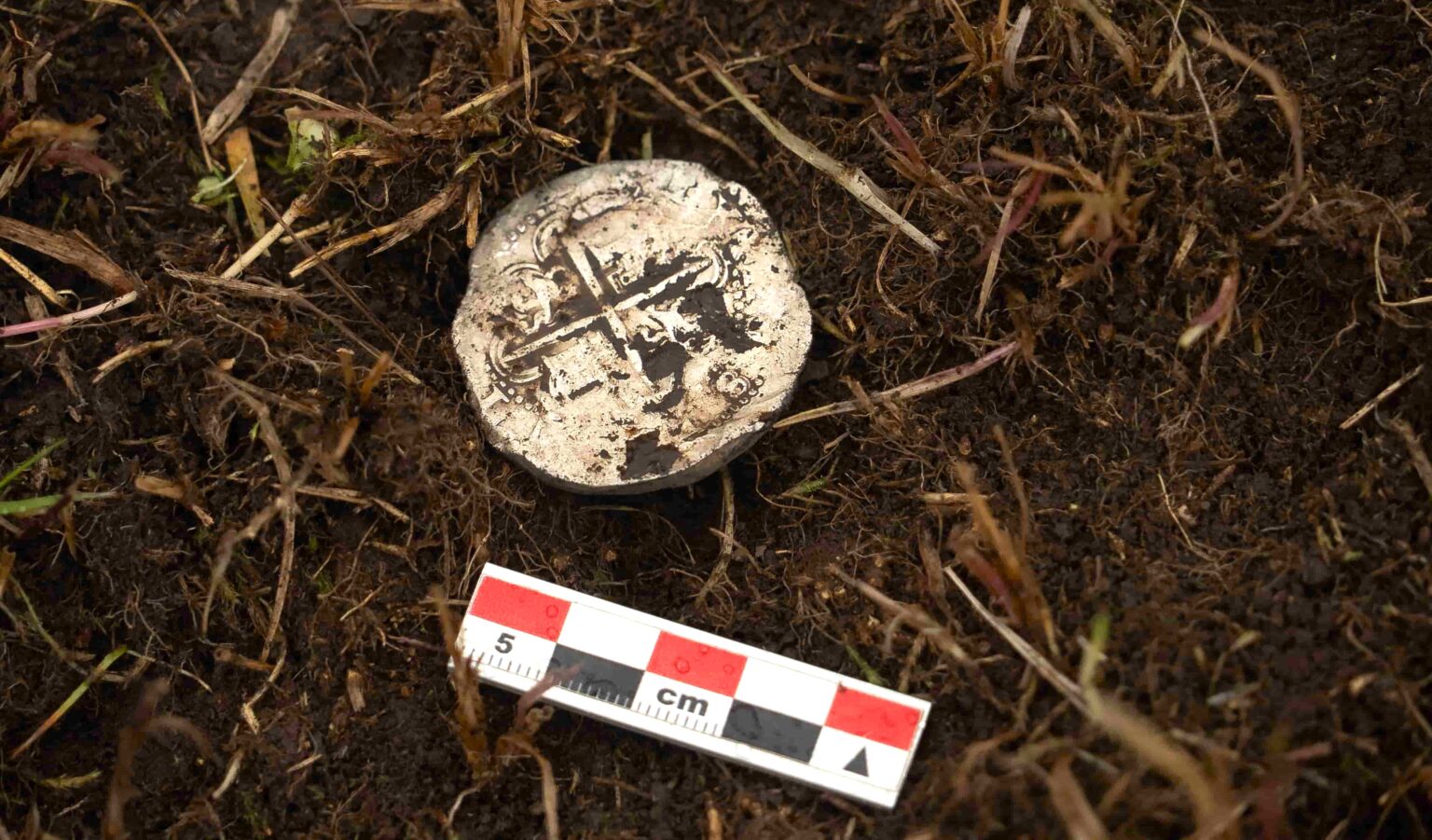


A 400-year-old silver coin has been discovered – helping pinpoint the exact location of a doomed colonial settlement where hundreds of people died.
Experts say it was originally placed as part of a ceremonial ritual when the settlement was founded more than 400 years ago.
The rare find is now offering a crucial clue into the fate of the ill-fated colony.
READ MORE: Family booted off flight because of their ‘feverish’ baby reveal tot was just crying
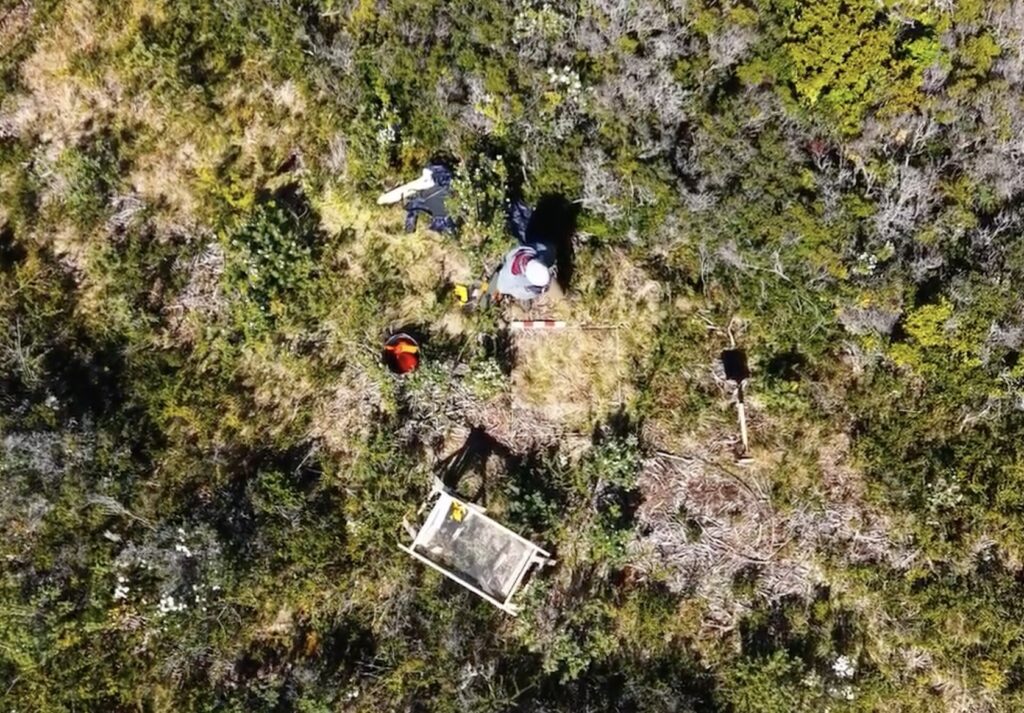
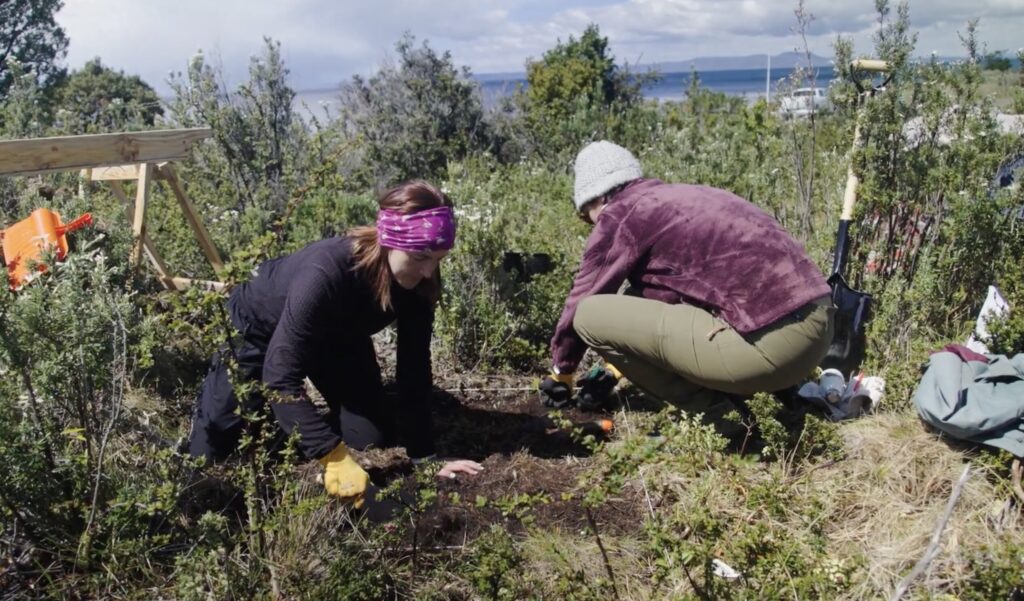
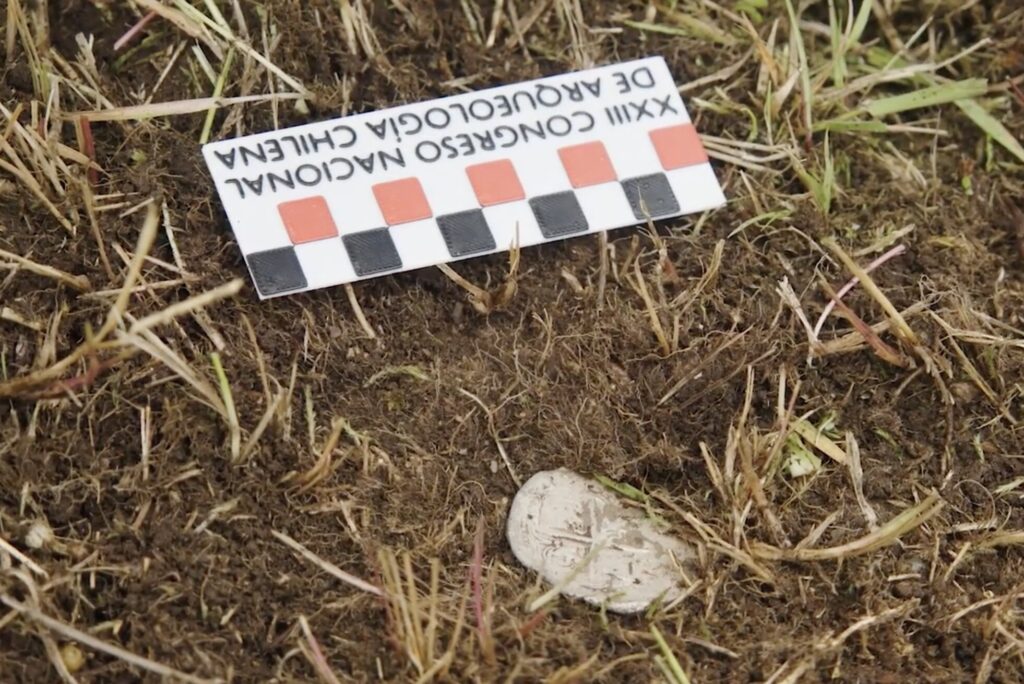
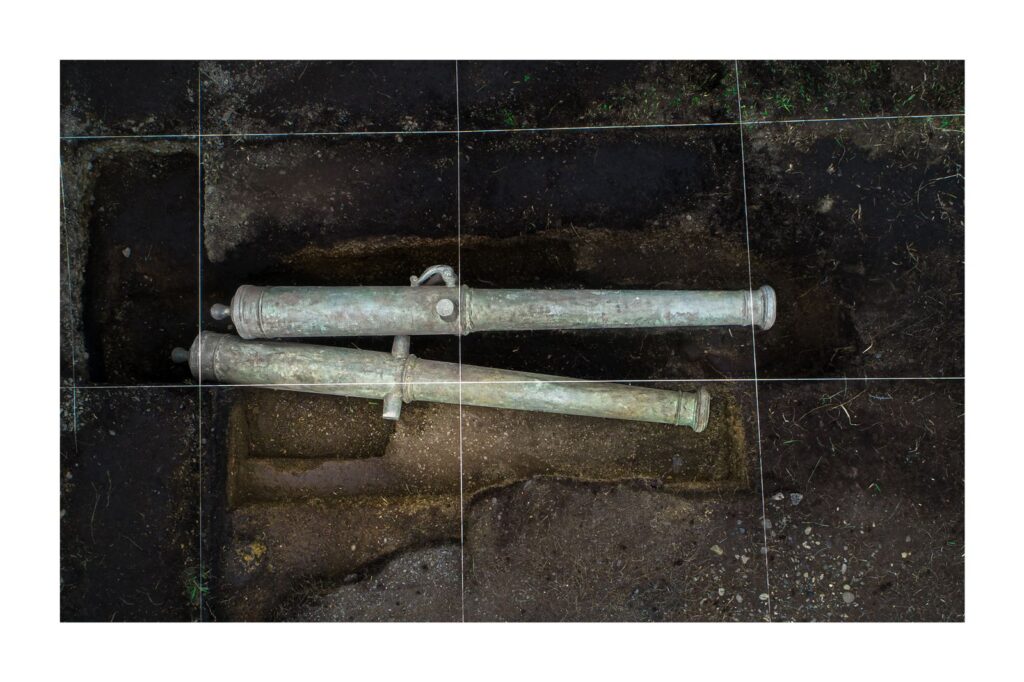
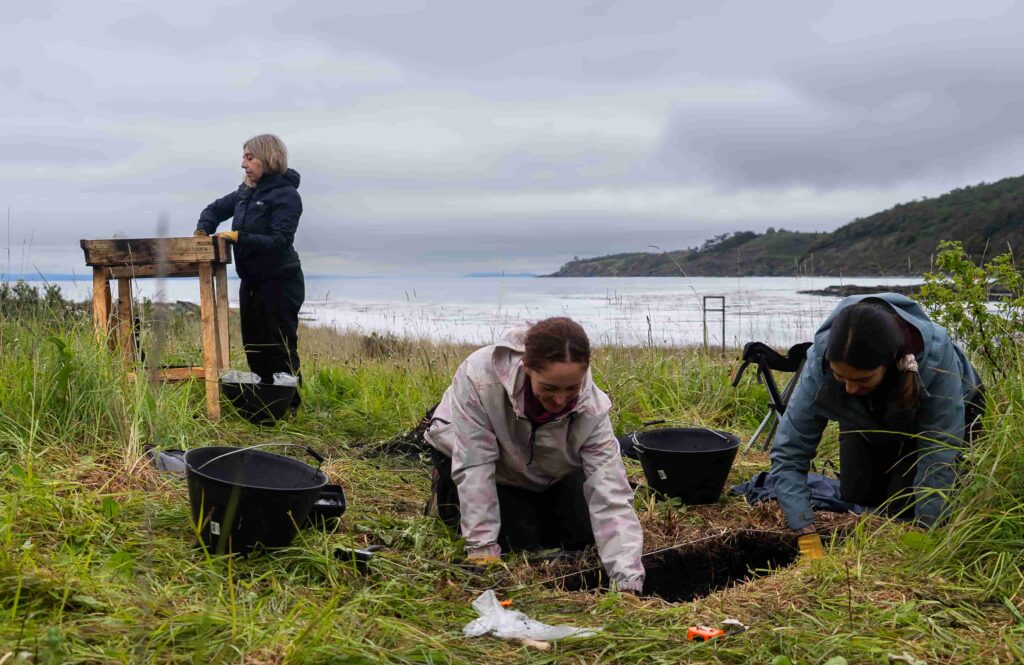
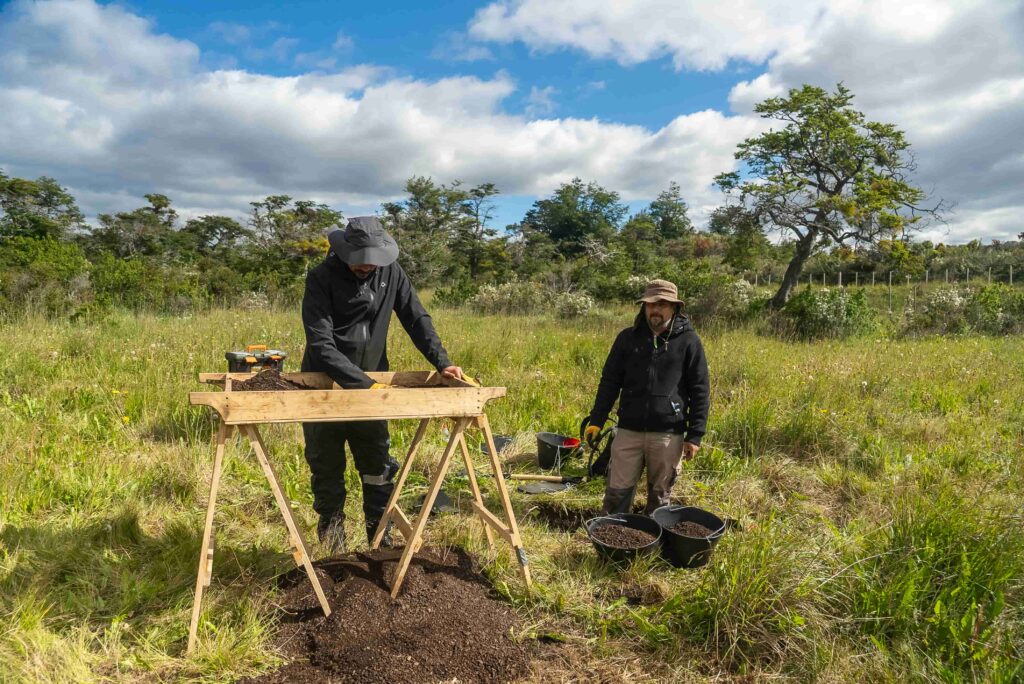
The coin was uncovered during excavations at a remote site by experts.
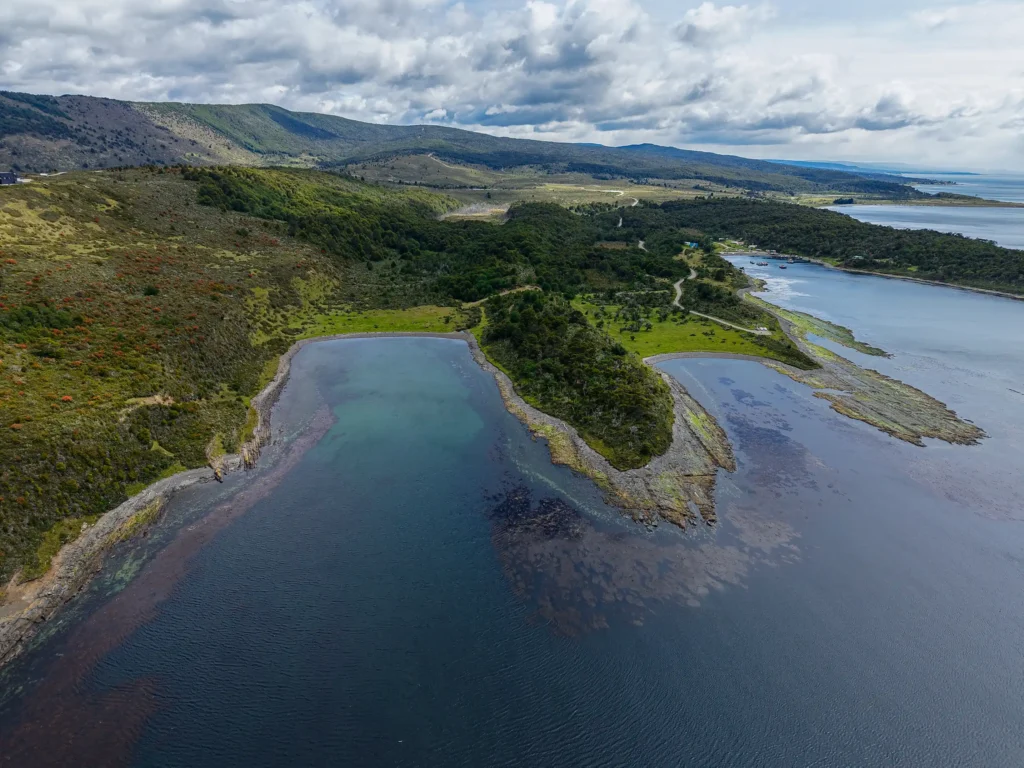
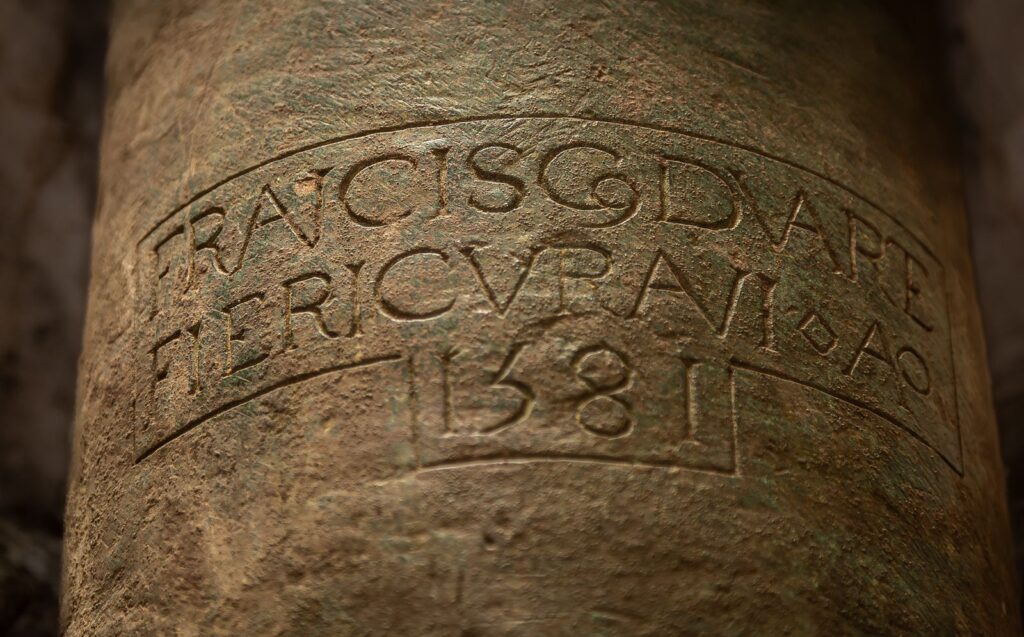
The settlement, known as Ciudad del Rey Don Felipe, was established in 1584 under orders from King Philip II of Spain.
But it quickly descended into disaster.
Out of around 350 settlers, most died within just a few years due to starvation, disease and extreme cold.

The site was later discovered abandoned by English explorer Thomas Cavendish, who renamed it “Port Famine”.
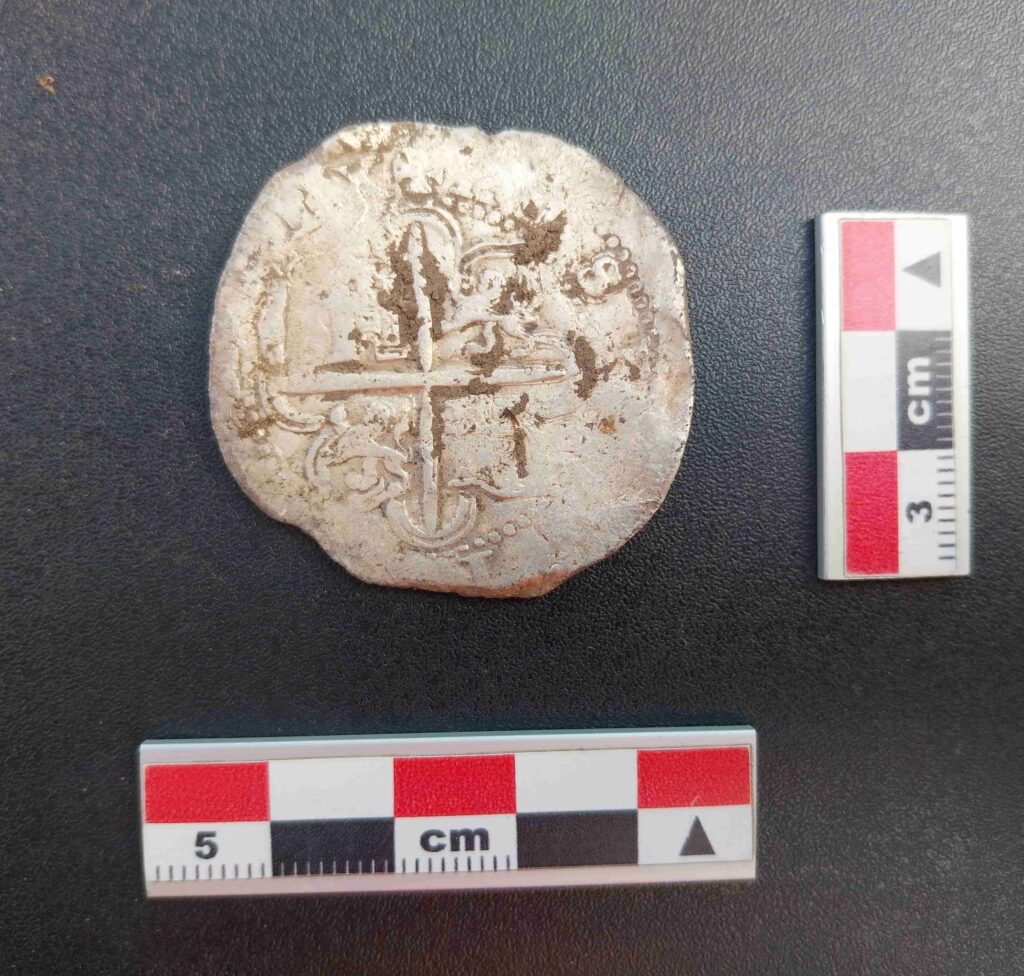
The newly discovered coin – known as a “piece of eight” – was found exactly where historical records suggested it would be near the Strait of Magellan in southern Chile.
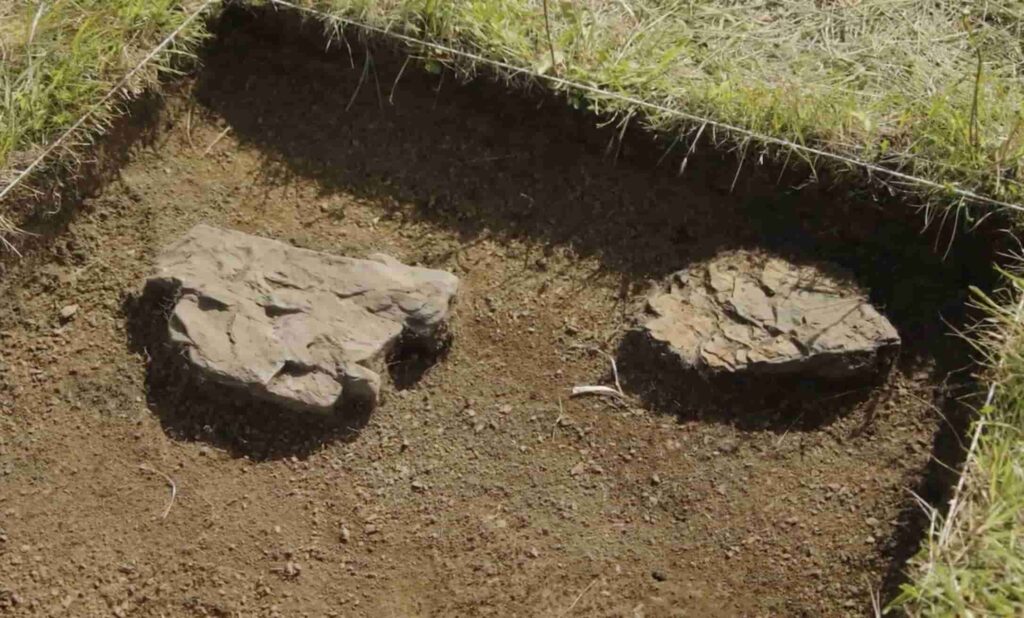
Soledad González Díaz, a historian at Universidad Bernardo O’Higgins in Santiago and lead researcher on the project, told What’s The Jam: “What makes this discovery extraordinary is that the coin was found exactly where historical sources describe it – placed on a stone inside the church.”

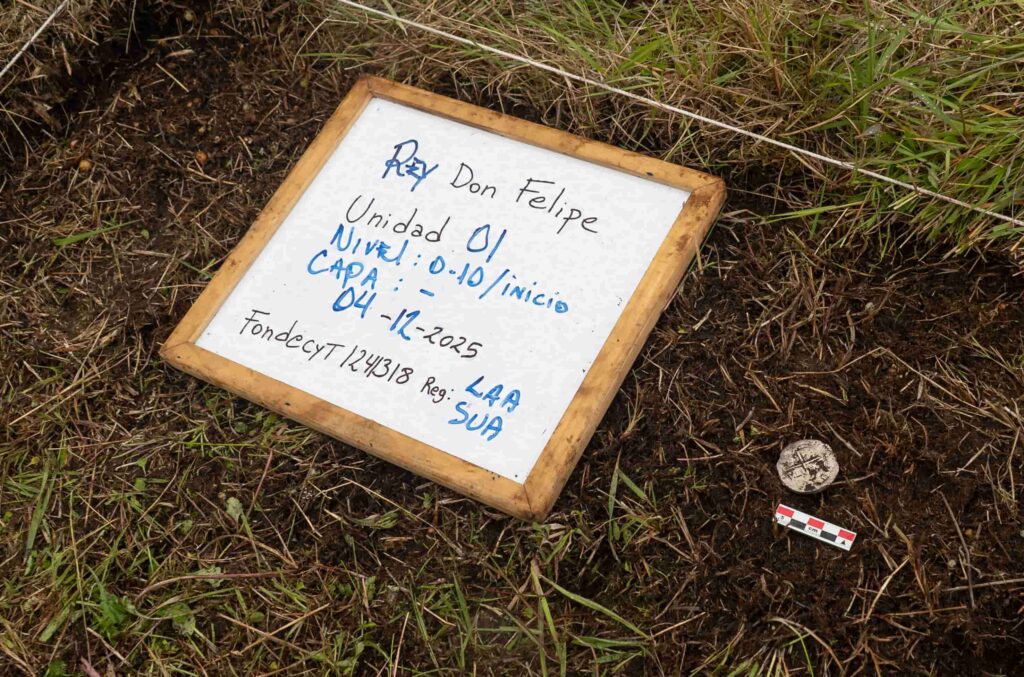
She added that the discovery allows researchers to reconstruct the layout of the settlement, including key structures.
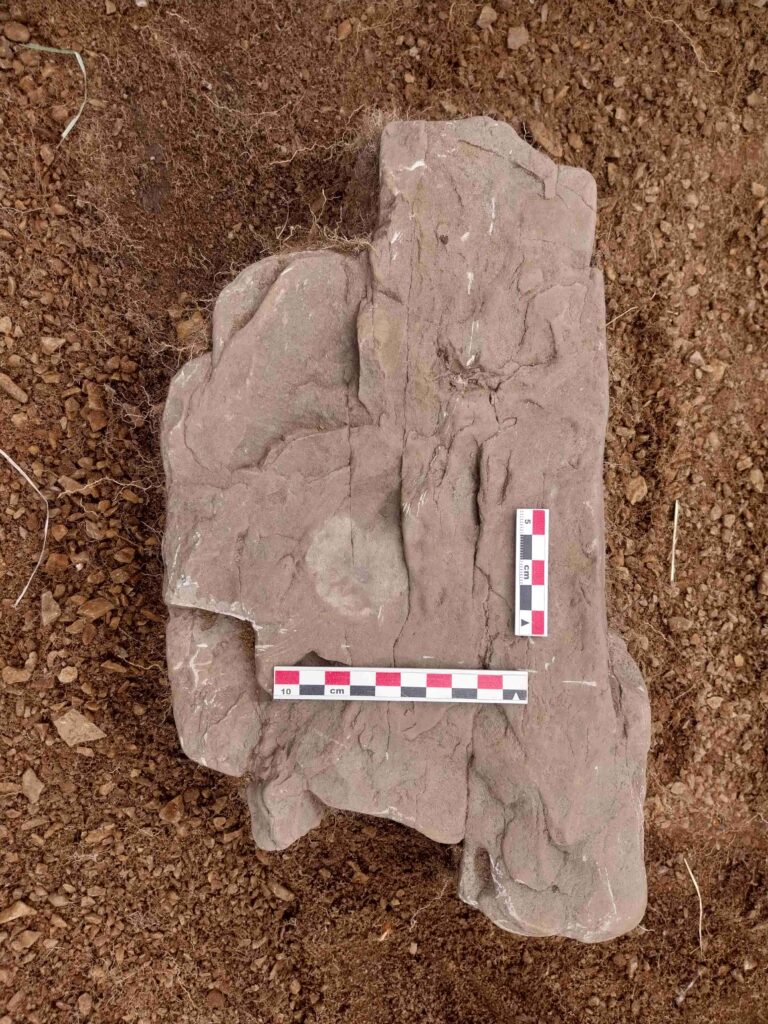
The coin had been placed on a stone within the foundations of what is believed to be the colony’s first church.
Simón Urbina, an archaeologist at Universidad Austral de Chile, said: “This is the kind of discovery we rarely get.”
Researchers used high-precision mapping and metal detection technology to locate the exact spot.
Francisco Garrido, an archaeologist at Chile’s National Museum of Natural History, said: “We initially detected a very strong signal, but we didn’t know what it was.
“With the data we gathered, we selected the excavation point – and that’s where we found the coin.”

The silver coin would have been widely used across the Spanish Empire, often minted in Potosí in modern-day Bolivia.
Experts say the find directly links written historical accounts with physical evidence for the first time.
Joaquín Zuleta, a philologist at Universidad de los Andes, said: “It directly connects historical narratives with the physical landscape.”
The discovery forms part of a wider research project investigating early colonial settlements in the region.
Researchers say it highlights how fragile early colonies were – with isolation, harsh environments and limited supplies often leading to their collapse.
READ MORE: Perfectly persevered treasure from 2,000-year old shipwreck found by divers