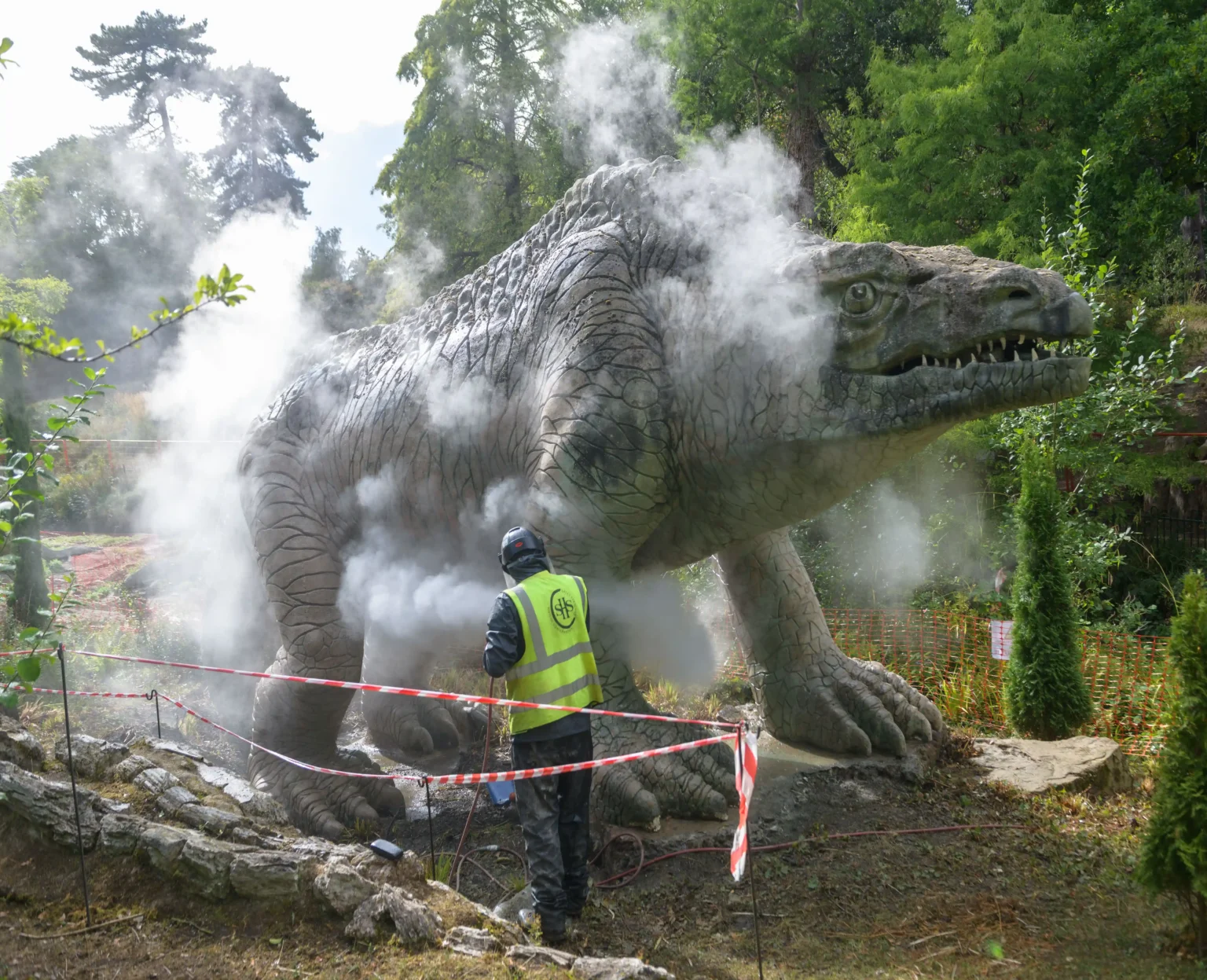


The world’s first life-sized dinosaur sculptures have finally been removed from Historic England’s Heritage at Risk Register after a £27 million regeneration project brought the Victorian icons back to life.
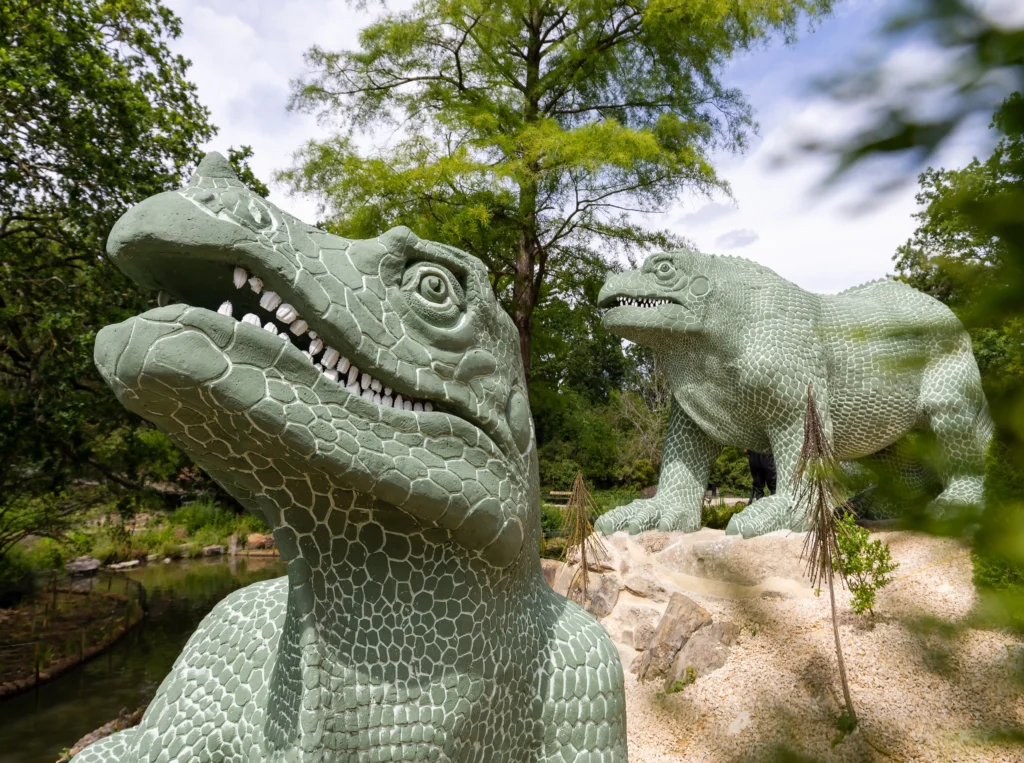
The Grade I-listed Crystal Palace dinosaurs, which first wowed visitors in 1854, had become cracked, weathered and broken over the past 172 years, with fears some could lose their toes, tails and even teeth.
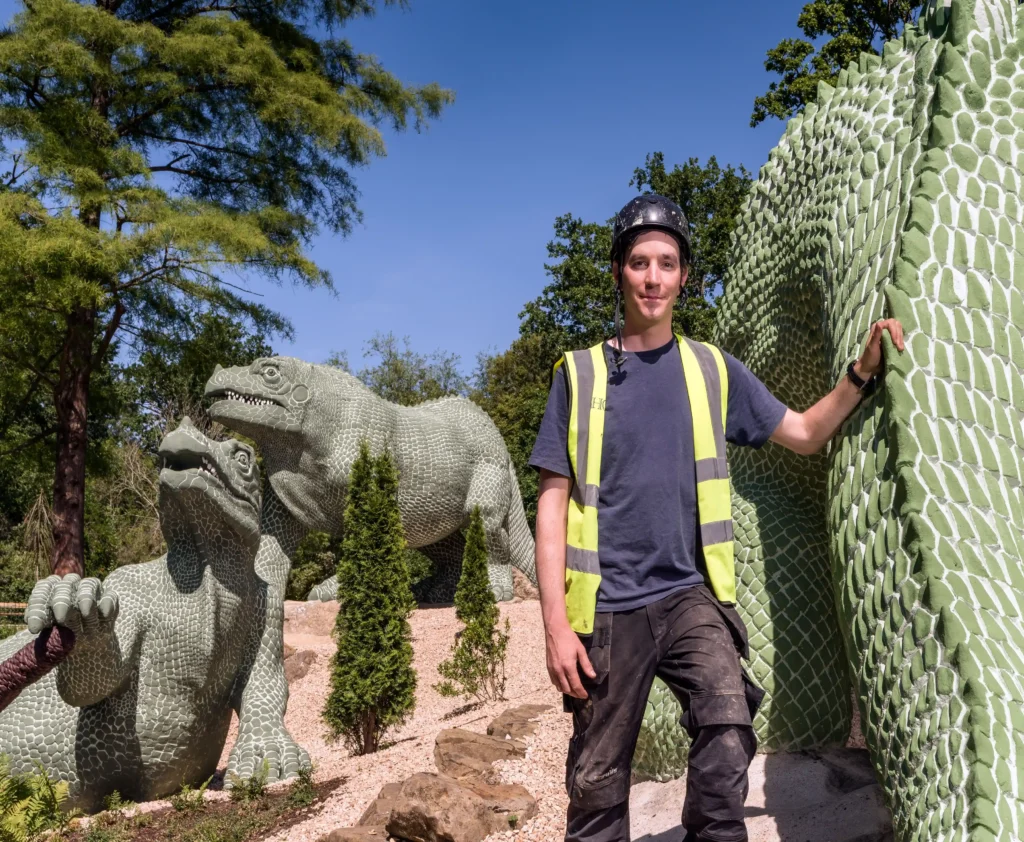
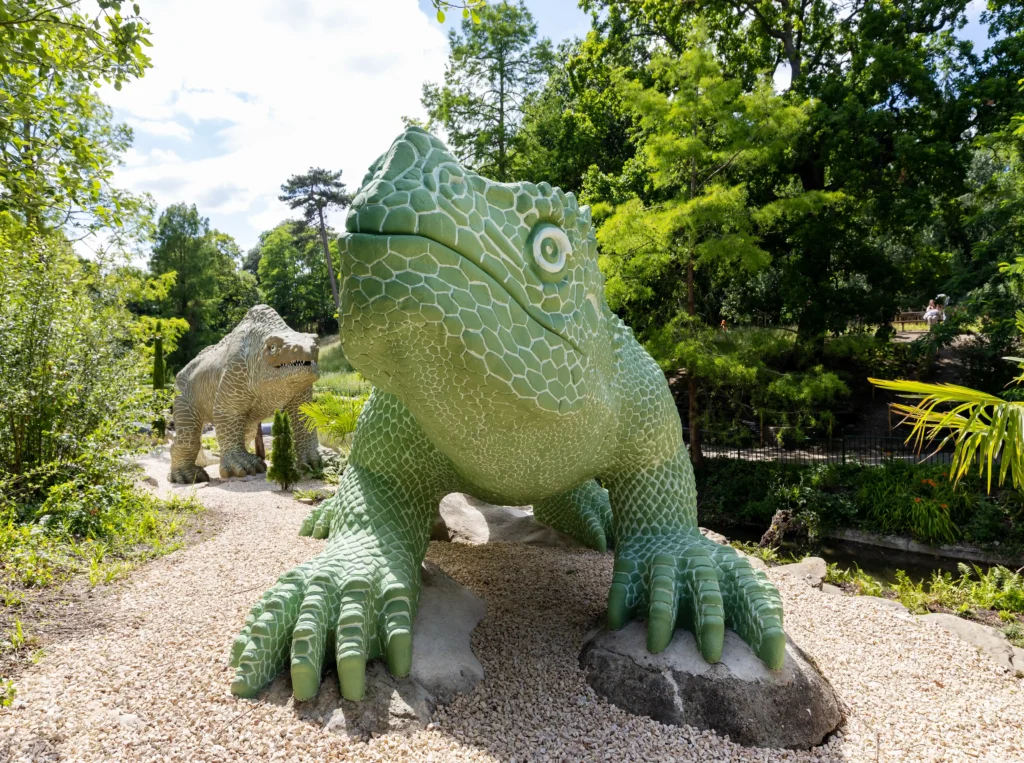
Now, after a major restoration programme, the famous sculptures have been painstakingly repaired and repainted in their original Victorian colours, leaving them looking as they did when first unveiled to the public.
READ MORE: ‘I feared my boat would break down after sailing into mile-long sea of millions of jellyfish’
The project formed part of the largest regeneration programme carried out at Crystal Palace Park since the Crystal Palace itself was destroyed by fire in 1936, as reported by What’s The Jam.

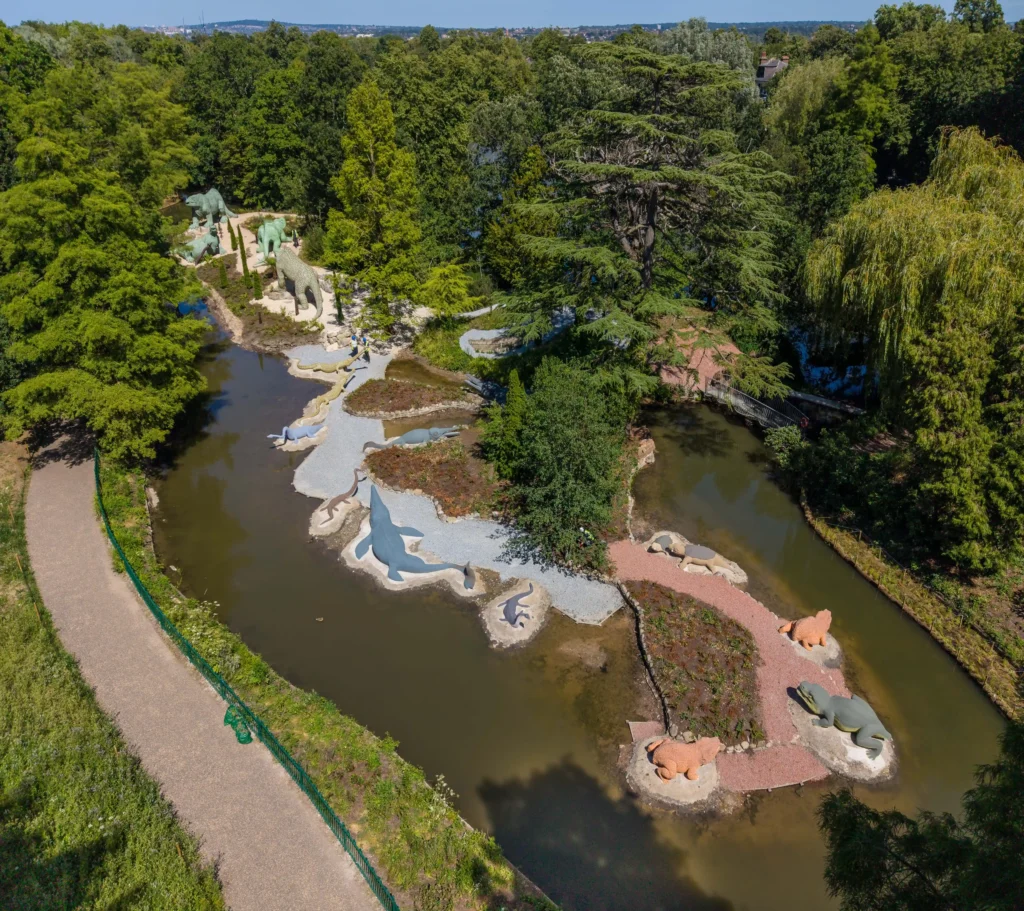
Bromley Council invested £22 million from the sale of nearby land to fund improvements across the historic park, while The National Lottery Heritage Fund contributed a further £5 million.
The dinosaurs were placed on Historic England’s Heritage at Risk Register in 2020 after decades of deterioration left several of the sculptures structurally vulnerable.
Experts warned they were at risk of losing limbs, tails, teeth and other features unless urgent conservation work was carried out.
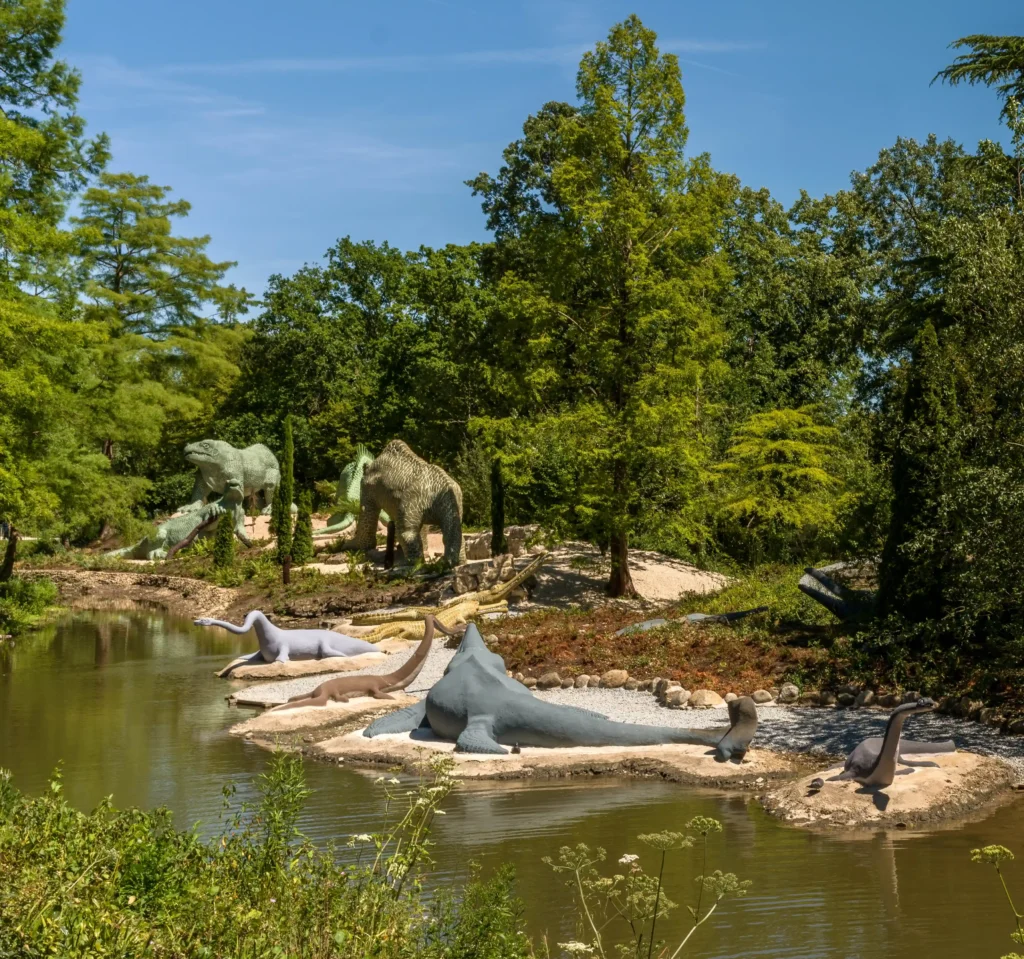
The 30 sculptures are recognised as the world’s first life-sized models of extinct animals.
When they were unveiled, they gave Victorians their first opportunity to see prehistoric creatures brought to life, inspired by the latest fossil discoveries of the era.

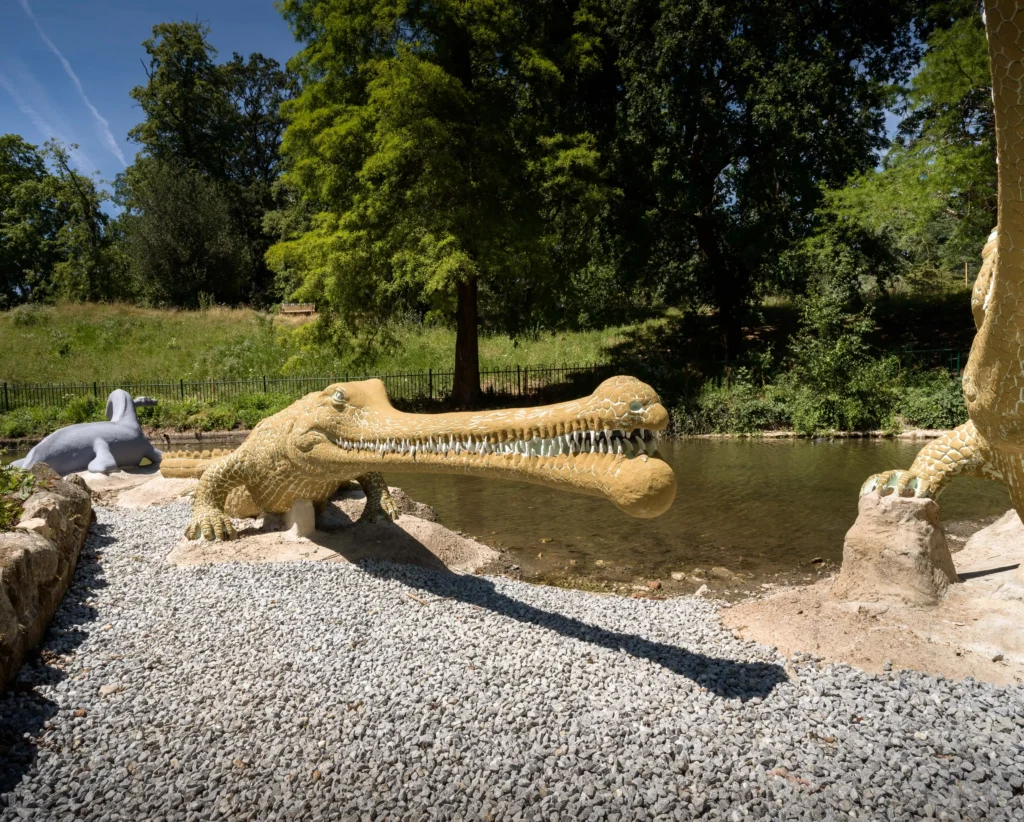
Historic England said they represented the cutting edge of scientific knowledge at the time and sparked what is widely regarded as the world’s first wave of “dino mania”.
The displays even fascinated Queen Victoria and Prince Albert, who are said to have visited the park several times to see the remarkable creations.
Although scientists now know many of the reconstructions are inaccurate by modern standards, the sculptures remain internationally significant because of their role in the history of science and public education.
As part of the wider regeneration, a new dinosaur-themed playground has been created alongside a visitor centre telling the park’s 170-year history.

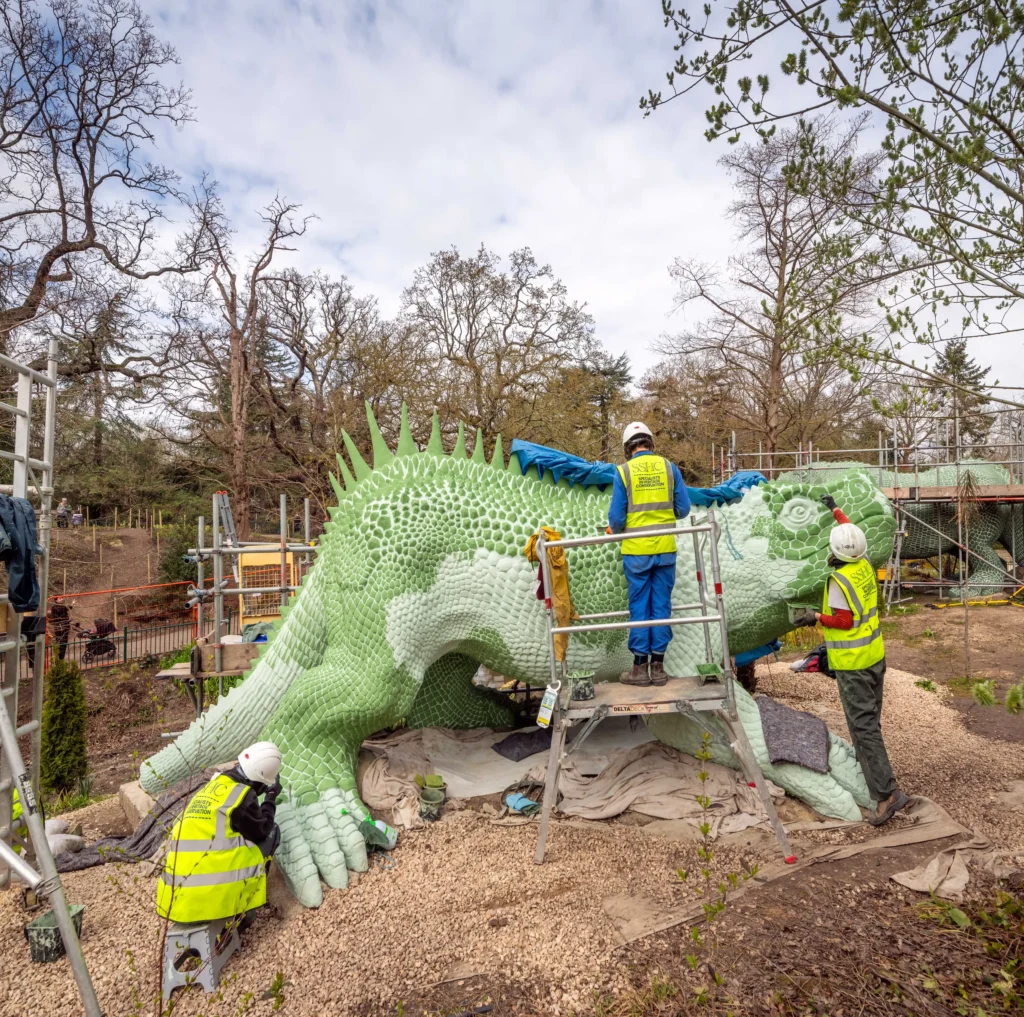
The Grade II-listed Italian Terraces and Grand Centre Walk have also been restored, while new accessible routes, improved footpaths, lighting, sustainable drainage systems and wildlife planting have been introduced across the 200-acre Grade II park.
Crystal Palace Park Trust said the restoration had returned the dinosaurs to their “former glory”, allowing visitors to experience them much as people did when they first opened in 1854.
A weekend of celebrations to mark the completion of the regeneration project will take place on 18 and 19 July, including the official opening of the new visitor centre.

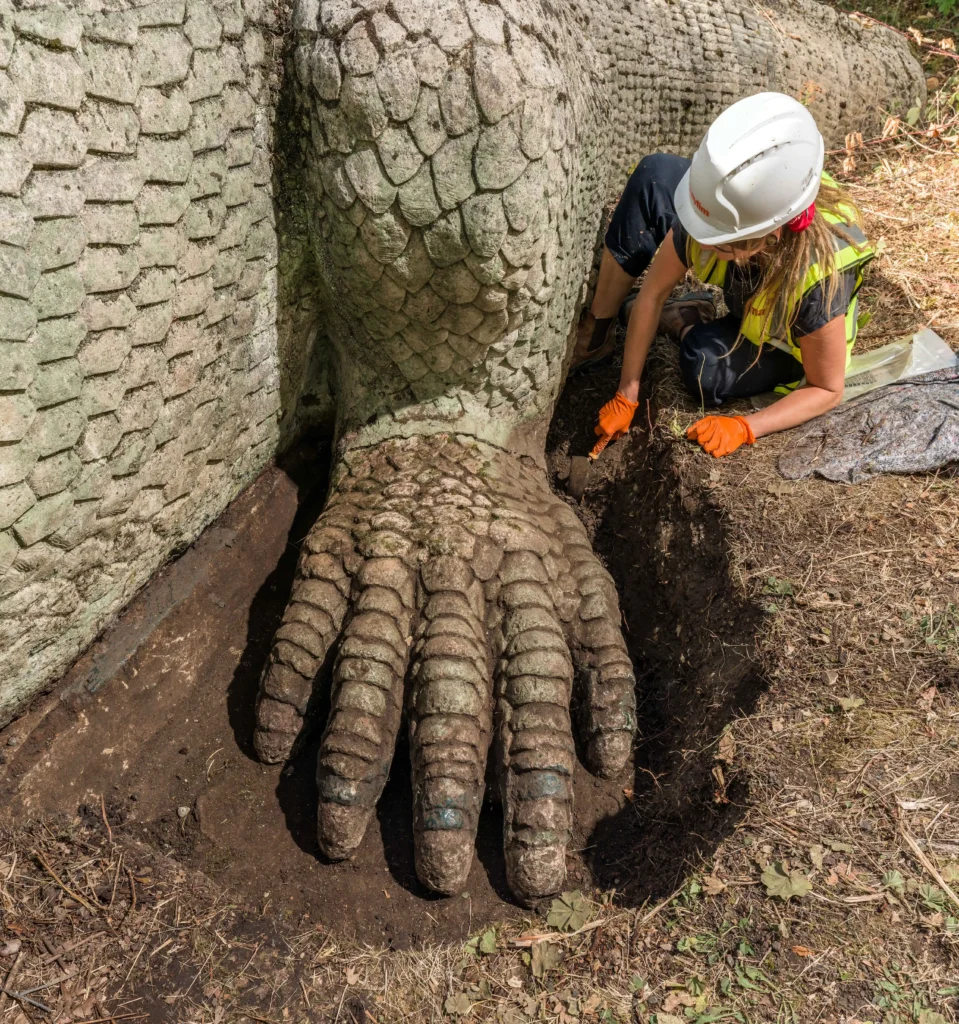
Councillor Yvonne Bear, Executive Councillor for Renewal, Recreation and Housing, said: “Our regeneration plan has always been about securing this historic park for the future and when you look at the incredible transformation that we have delivered, that future is looking brighter than ever.
“I hope residents and visitors enjoy exploring the stunning restored heritage and the host of new improvements across the park, which will be taken into the next chapter of its history under the careful custodianship of our partners Crystal Palace Park Trust.”
READ MORE: Pub landlord hands out free shots after every England goal