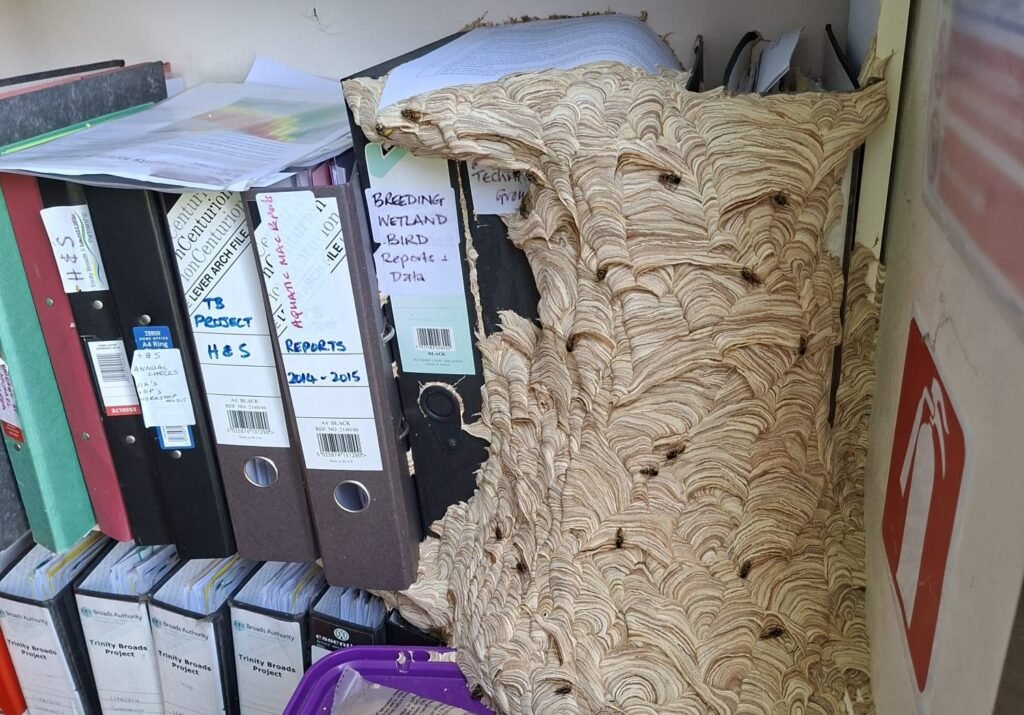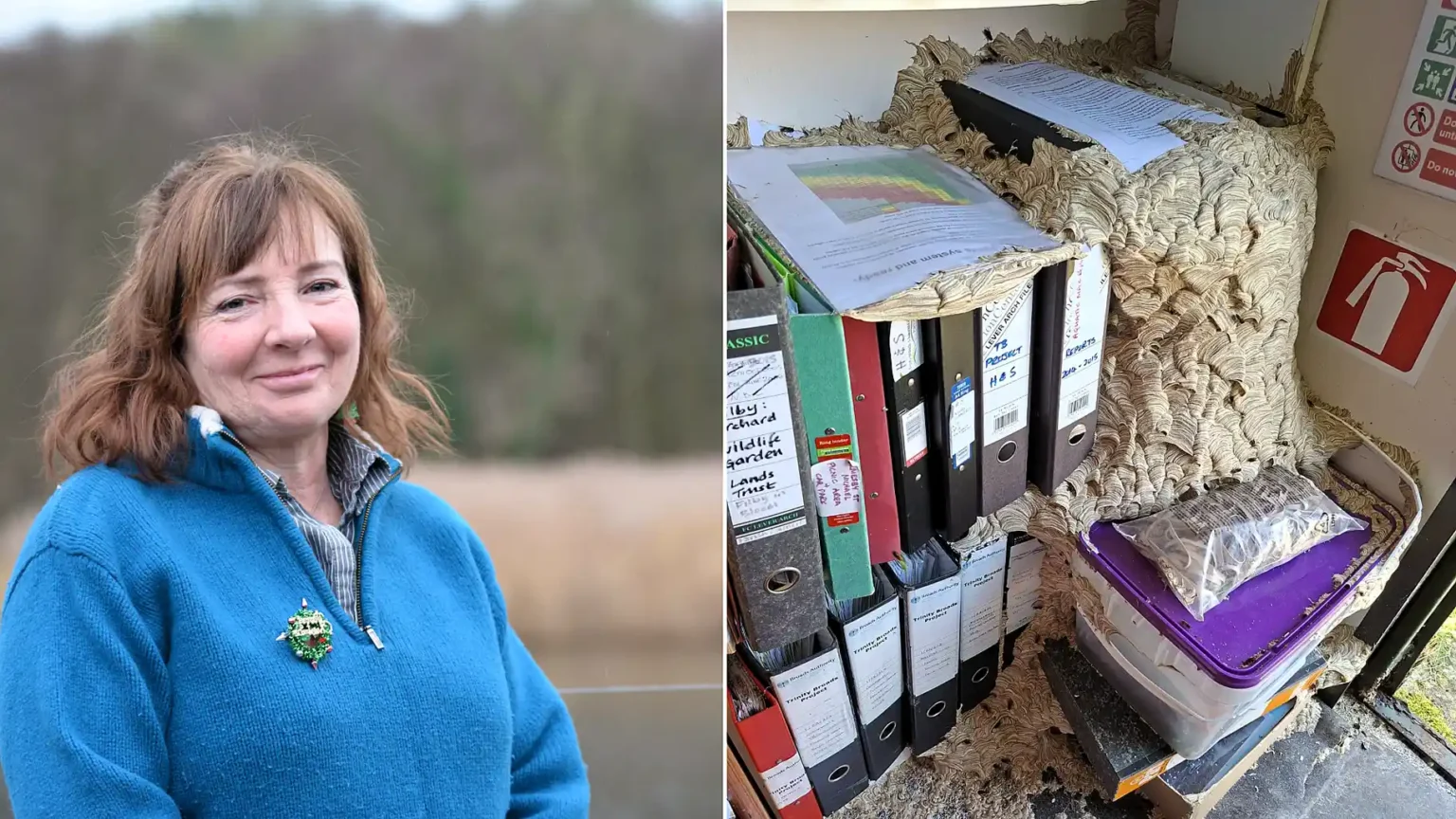

A wildlife warden has been forced to leave her office after thousands of wasps moved in and built a huge nest.
Eilish Rothney, a reserve warden with Norfolk Wildlife Trust, returned from holiday to discover the insects had taken over her workspace at Trinity Broads.
By the time she got back, the nest was complete – and the uninvited tenants are still there.
READ MORE: Rare solid GOLD Cadbury egg goes on sale for sweet £20,000
- Advertisement -
“The nest is in my office; they collected scraping from wood outside and meticulously built the nest and are still doing so,” Eilish told What’s The Jam.
“They get in through a hole in the door frame and tolerate me opening the door, going inside and doing some work.
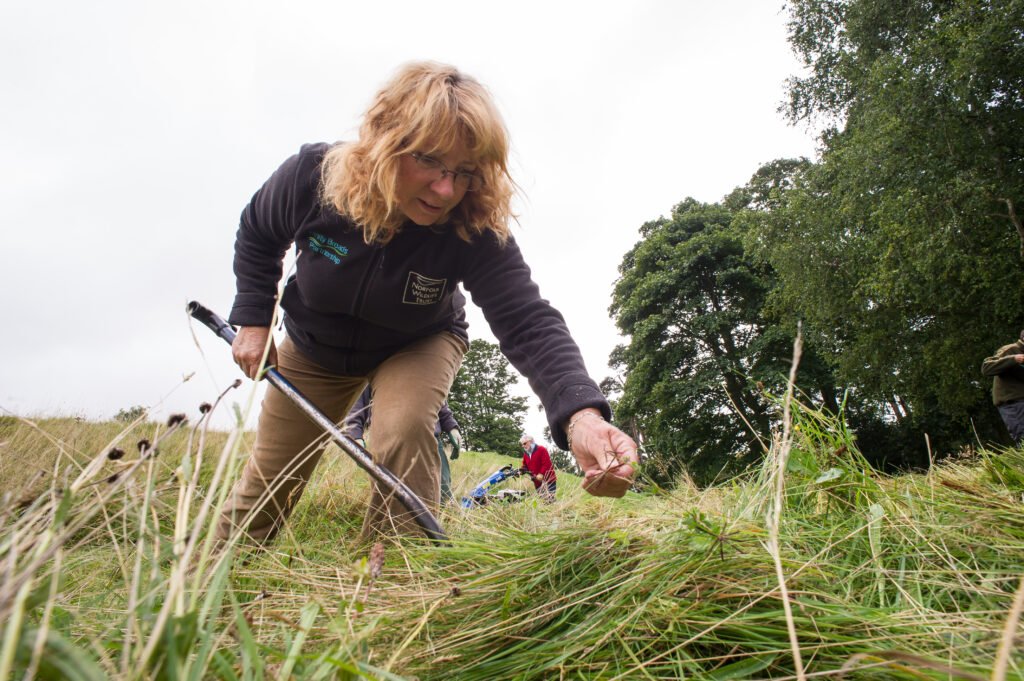
“I try not to disturb them; they do a good job controlling leaf-eating insects otherwise our trees could be bare!”
She joked: “Usually being a wildlife charity means protecting wildlife… this week it meant negotiating office space with it.
“Thousands of new colleagues moved in without permission, skipped recruitment entirely and ignored the office hot-desking policy.
- Advertisement -
“Can’t fault them on attendance, though.”
As Eilish spends most of the summer carrying out conservation work and wildlife surveys, the wasps were able to establish themselves while she was away.
Eilish added: “In the summer I am out most of the time doing conservation work or surveys.
- Advertisement -
“I am the only member of staff on the reserve so it’s only cleaned when I clean it.
“They started building when I was away on leave. They have been in residence for at least a month.”
Despite their fearsome reputation, Norfolk Wildlife Trust says wasps deserve far more credit than they usually receive.
Reserves officer Robert Morgan said despite numerous run-ins with wasps he loves their no-nonsense attitude.
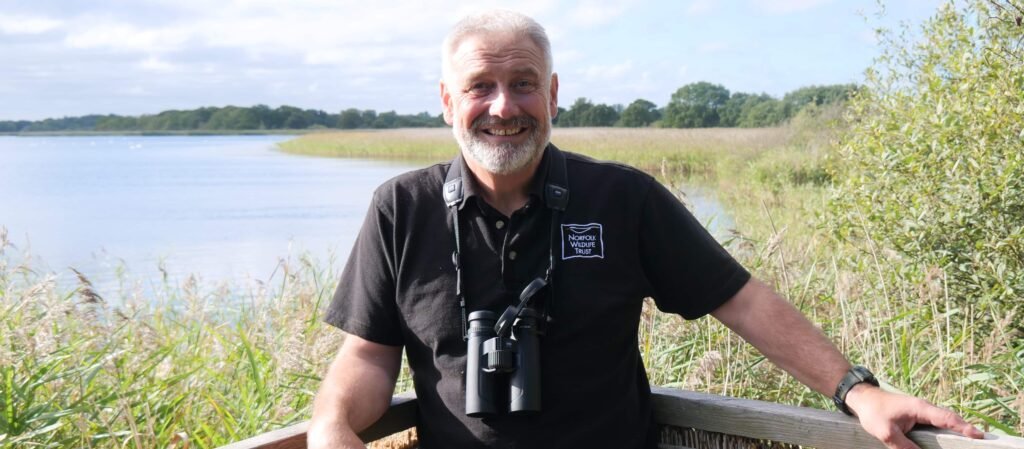
He said: “Wasp stings are an occupational hazard in wildlife conservation work
“It’s resulted in 22 stings painfully scribbled in the accident book.”
Norfolk Wildlife Trust said wasps are essential to healthy ecosystems and urged anyone concerned about a nest to seek professional advice, as some species are harmless or rare and disturbing nests can be dangerous.
READ MORE: Fury as government social media role pays nearly £20,000 MORE than nuclear security expert