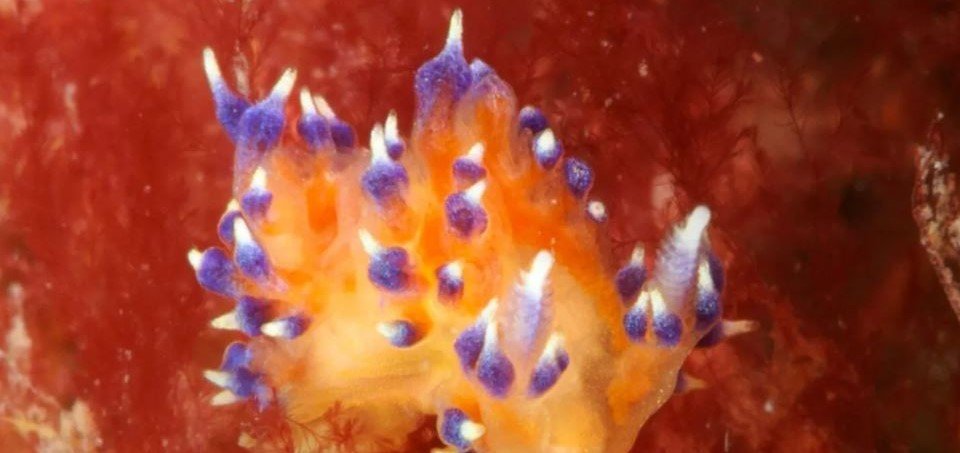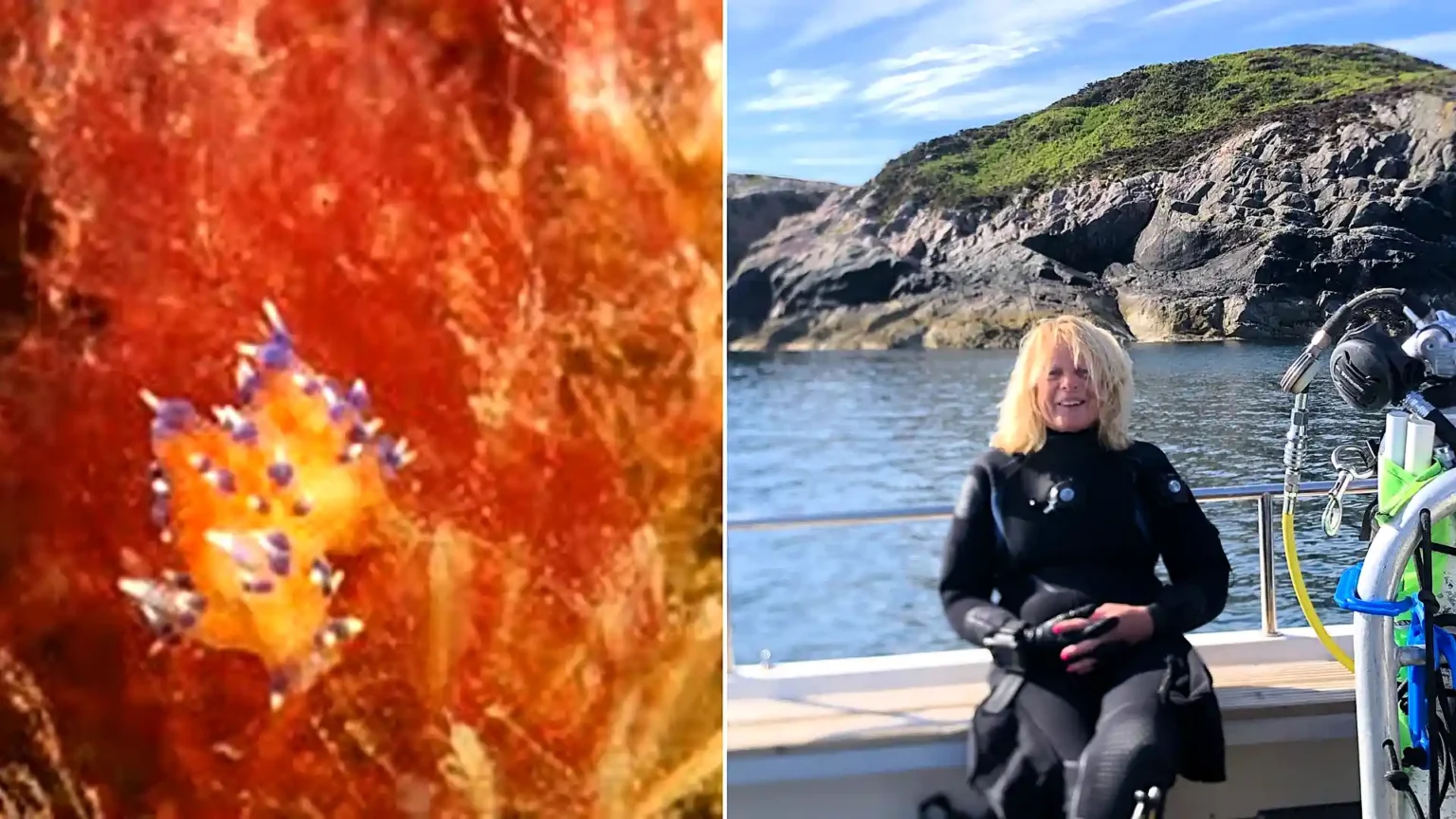


A tiny brightly-coloured sea slug spotted off the British coast could be a brand new species, experts say.
Diver Maggs Ashton discovered the striking orange, purple and white nudibranch while exploring a shipwreck off Lundy, Devon.
Measuring just 0.6 inches long, the mysterious creature was found around 65ft underwater among the wreckage of the MV Robert, which sank in 1975.
READ MORE: Schoolboy dwarfed by 13ft sunflower he grew from a single school seed
Marine naturalist Bernard Picton said the discovery was significant and believes the animal is likely to be a species never formally identified before.
Maggs said the colourful sea slug immediately caught her eye despite its tiny size, as reported by What’s The Jam.

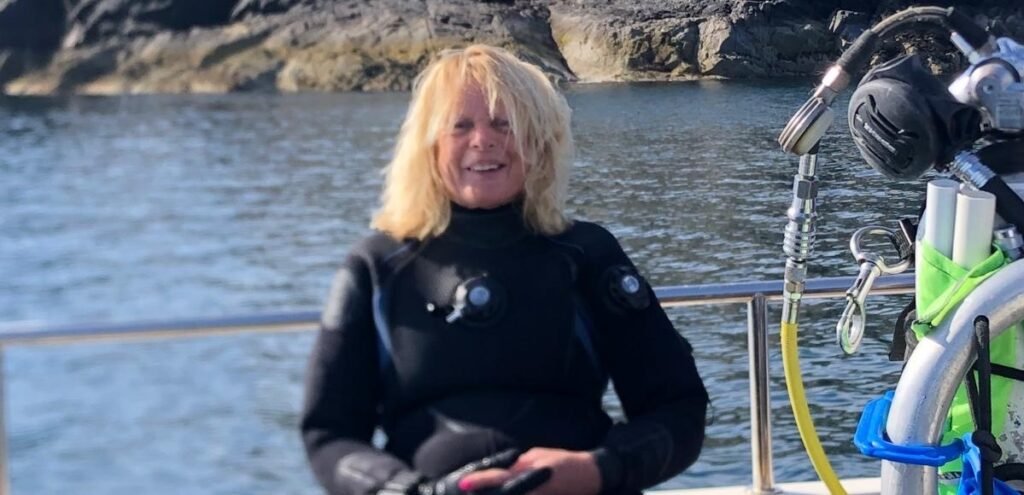
She said: “I was just swimming along and not really looking that carefully when I suddenly saw it.
“It just stood out, and I’d never seen anything like it before in my 29 or 30 years of diving – it was really special.”
Maggs sent photographs of her unusual find to marine biologists, who told her it appeared to be a species that had not previously been documented.
She has since returned to the wreck in the hope of finding it again, but so far has had no luck.
She said: “I’ve actually been back to the wreck to try and see it again, but I can’t find it.
“Hopefully it is just hiding and hasn’t been eaten by a fish.”
Picton believes the creature could be an undescribed species belonging to Lomanotus, a genus of sea slug.

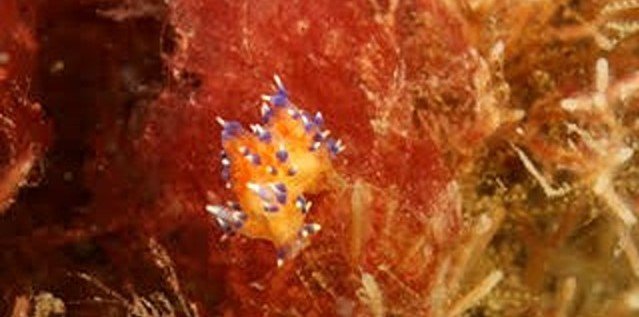
He said: “I think it is likely to be an undescribed Lomanotus species.
“In scientific terms, this is significant – an ‘undescribed species’ is one that has never been formally identified, named and documented in the scientific literature.”
The association has now urged divers, rockpoolers, sailors and fishers to keep their eyes peeled for similar creatures and submit any photographs to its data archive centre, DASSH.
A spokesperson said the records help scientists build a clearer picture of how Britain’s coasts and seas are changing as waters warm, including sightings of “unusual visitors and shifting species ranges”.
The association added: “The discovery is another reminder that the marine life around Britain is ever-changing.”
It comes after young rockpoolers taking part in the monthly Rock Pool Project Bioblitz discovered a rare depilatory sea hare on Mount Batten beach in Plymouth in 2025.
READ MORE: Man slammed by ‘Karens’ for skipping ‘queue’ to reach mountain summit