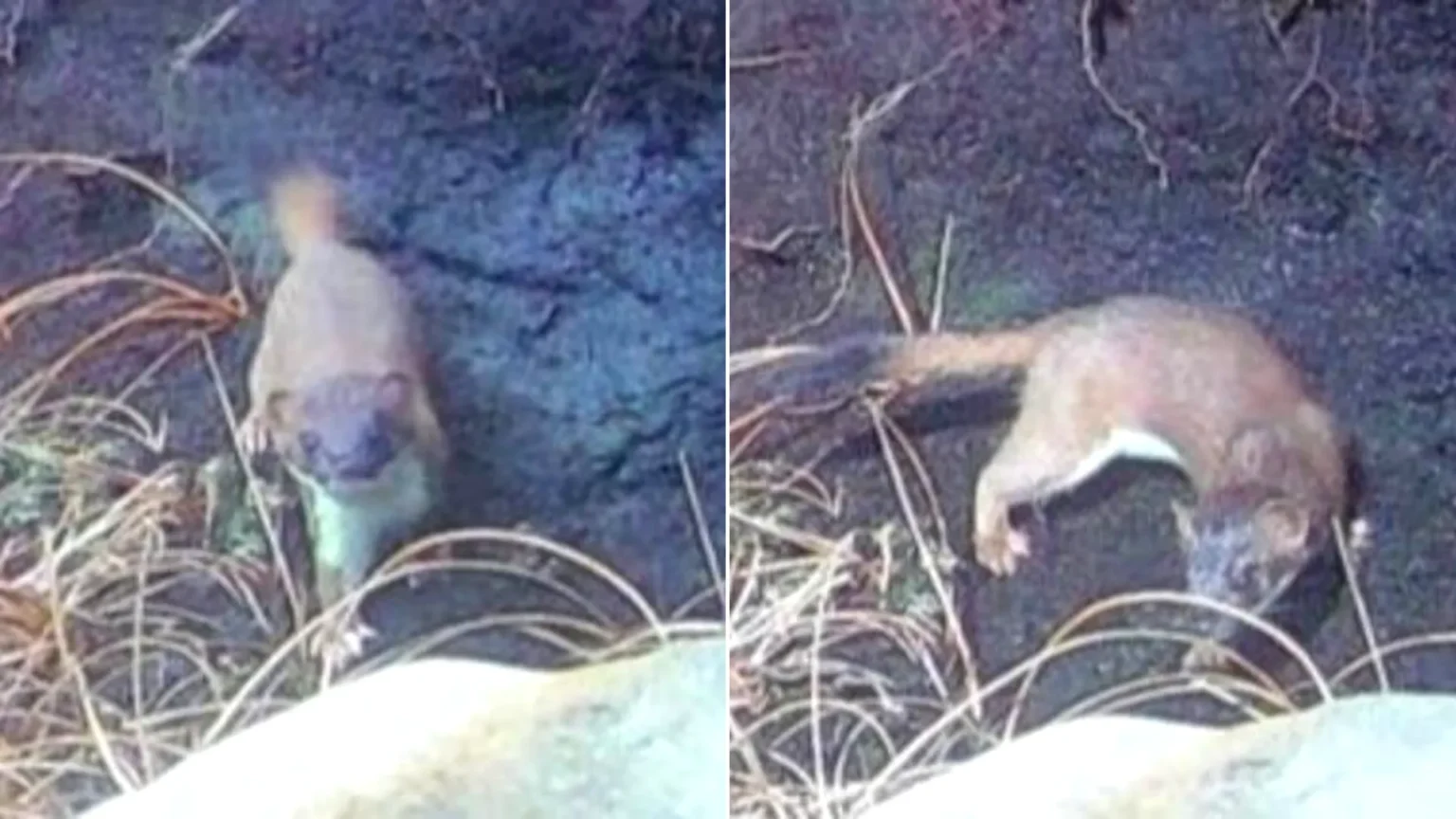


A lone stoat that sparked a seven-month hunt involving detection dogs, drones and more than 200 traps has finally been caught on a remote island.
The male predator was captured near the Loch of Loomachun on Rousay, Orkney, on Friday (9 Oct) and removed by experts.
The non-native invader had raised fears for vulnerable wildlife, including nesting curlews, lapwings and oystercatchers, as well as the unique Orkney vole.
READ MORE: Exotic RAINBOW slug found on UK beach stuns experts
The capture came after an intense operation involving targeted traps, AI-assisted trail cameras, detection dogs and local volunteers.
DNA analysis had suggested the animal was male, a finding confirmed when it was examined after being caught.

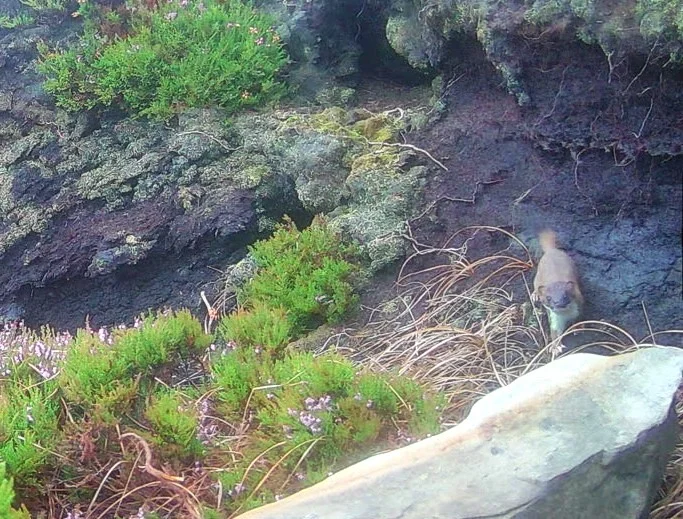
Conservationists say there is currently no evidence of female stoats breeding on Rousay or a population becoming established beyond Orkney’s Mainland and the Linked Isles, as reported by What’s The Jam.
Alice Head-Rapson, of Orkney Native Wildlife Project, ONWP, who set the trap that caught the animal, said: “This incursion response was a test of our skills, but everybody at the project stepped up to meet the moment.
“My teammate, Benjy, and I spent the summer and autumn monitoring as much of Rousay as we could and expanding our trap networks, with a focus on sighting hotspots like the Loch of Loomachun.
“Our work has certainly paid off.

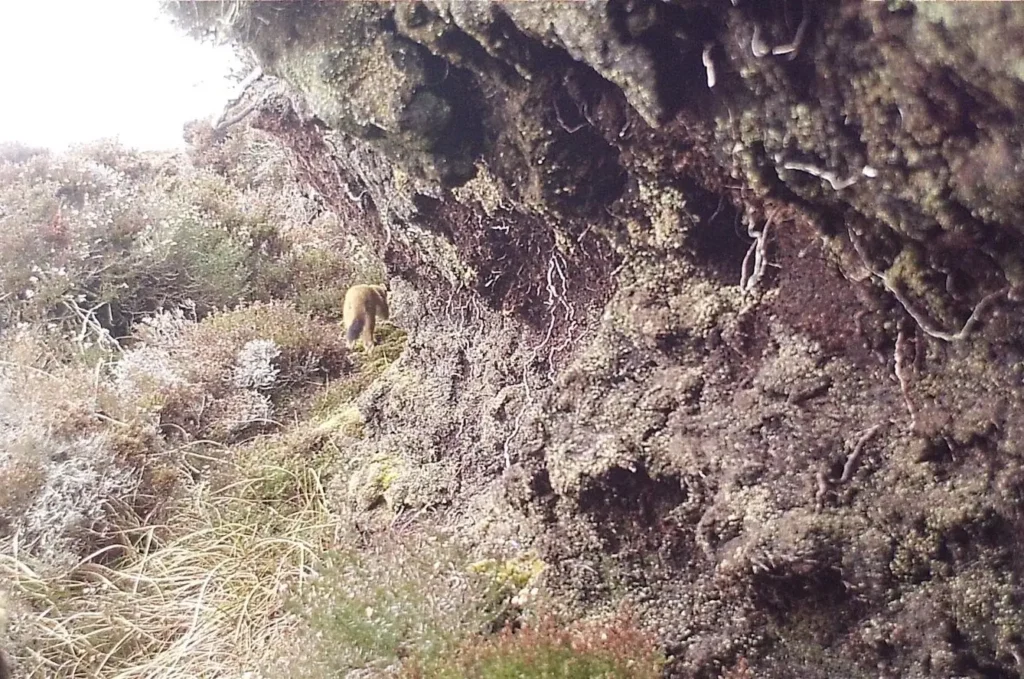
“It’s still important we guarantee with complete confidence that the stoat we’ve trapped was the only one, but our achievement here is a big deal, and we hope that will help to keep nature safe across all of Orkney.
“Working with the island community has been a privilege, and we’re really grateful for all the support the volunteers there have shown for native wildlife.”
Rousay, which has around 230 residents, was believed to be free of stoats before the first sighting triggered an urgent response.
The island lies around 1.8 miles from Orkney’s Mainland, a distance the strong-swimming predators could potentially cross.
The search proved challenging, with teams trying to track a single fast-moving animal across 4,500 hectares of largely heather-covered moorland.
Local biosecurity volunteer Ian Barker said: “If you’ve ever been to Rousay, you’ll know that finding this stoat raised a lot of challenges.
“We were looking for just one stealthy, fast-moving animal across 4,500 hectares of island – most of which is heather moorland, which is difficult to cross on foot and very easy for stoats to hide in.

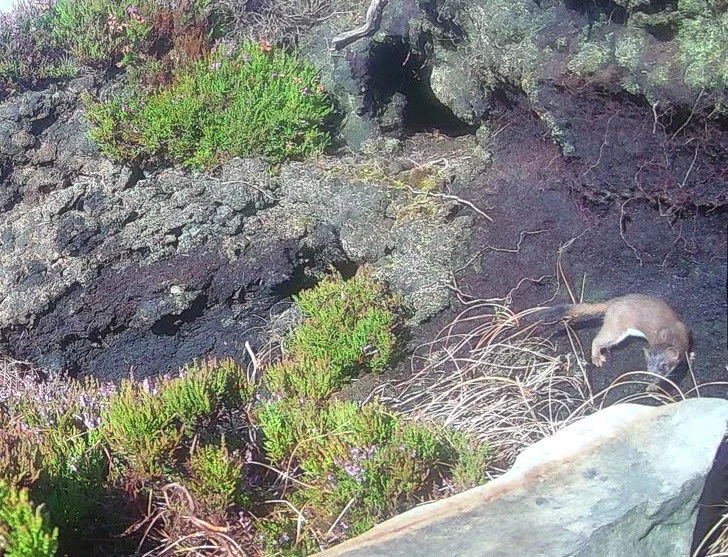
“It has been great to see professionals and volunteers coming together and achieving this common goal.
“I’m really happy that we succeeded in catching this stoat, and that we’ve managed to protect our native wildlife.”
Stoats are native to mainland Britain but not Orkney, where they pose a serious threat to ground-nesting birds and the endemic Orkney vole – a unique subspecies found nowhere else in the world.
The vole is also an important food source for native hen harriers and short-eared owls.
The £15million ONWP scheme was launched in 2019 and is jointly run by RSPB Scotland, NatureScot and Orkney Islands Council.

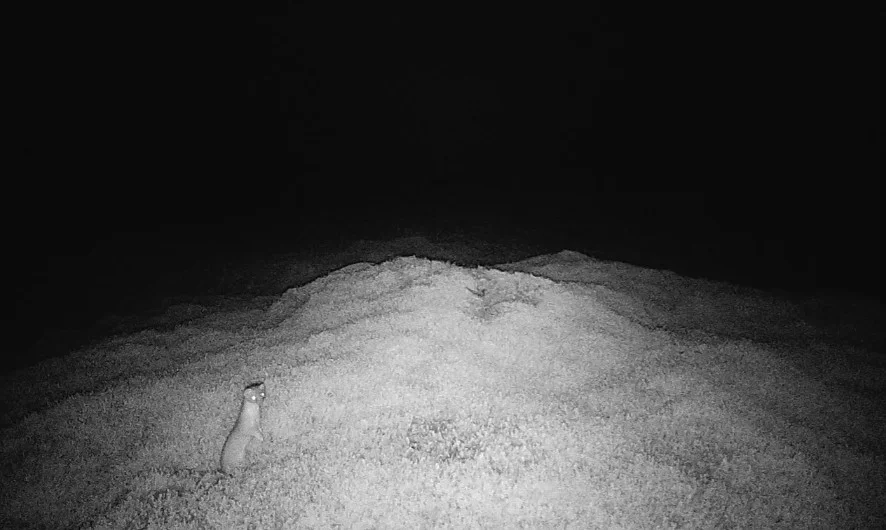
More than 9,000 stoats have now been removed as part of the wider eradication effort, with only a handful believed to remain in some areas.
An additional £150,000 was pledged following the Rousay sighting to fund a specialist trapper, an extra field worker, vehicles and equipment.
Despite the latest success, conservationists are not yet declaring victory.
Intensive monitoring will continue on Rousay before a further two years of surveillance – the period required before the island can be declared stoat-free.
The project also thanked local volunteers, landowners and members of the public whose sightings and access to land helped the operation.
It warned that removing every last stoat is essential in protecting Orkney’s wildlife and the local economy, including tourism that brings thousands of visitors to the islands each year.
READ MORE: Rare deep-sea long-tailed SHARK leaps from water off UK coast