
A Brit’s unexpected treasure that he discovered in a field is being sold and could fetch £25,000.
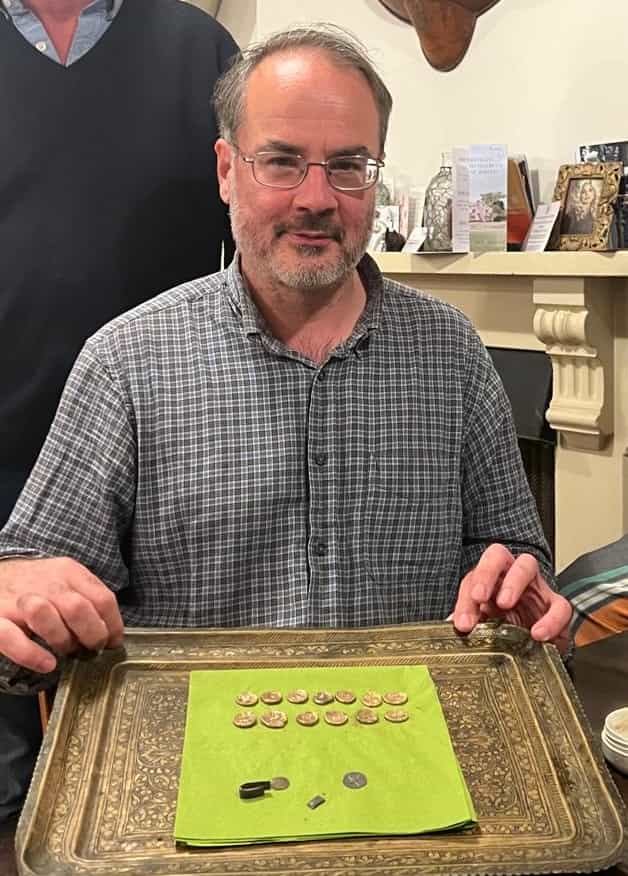
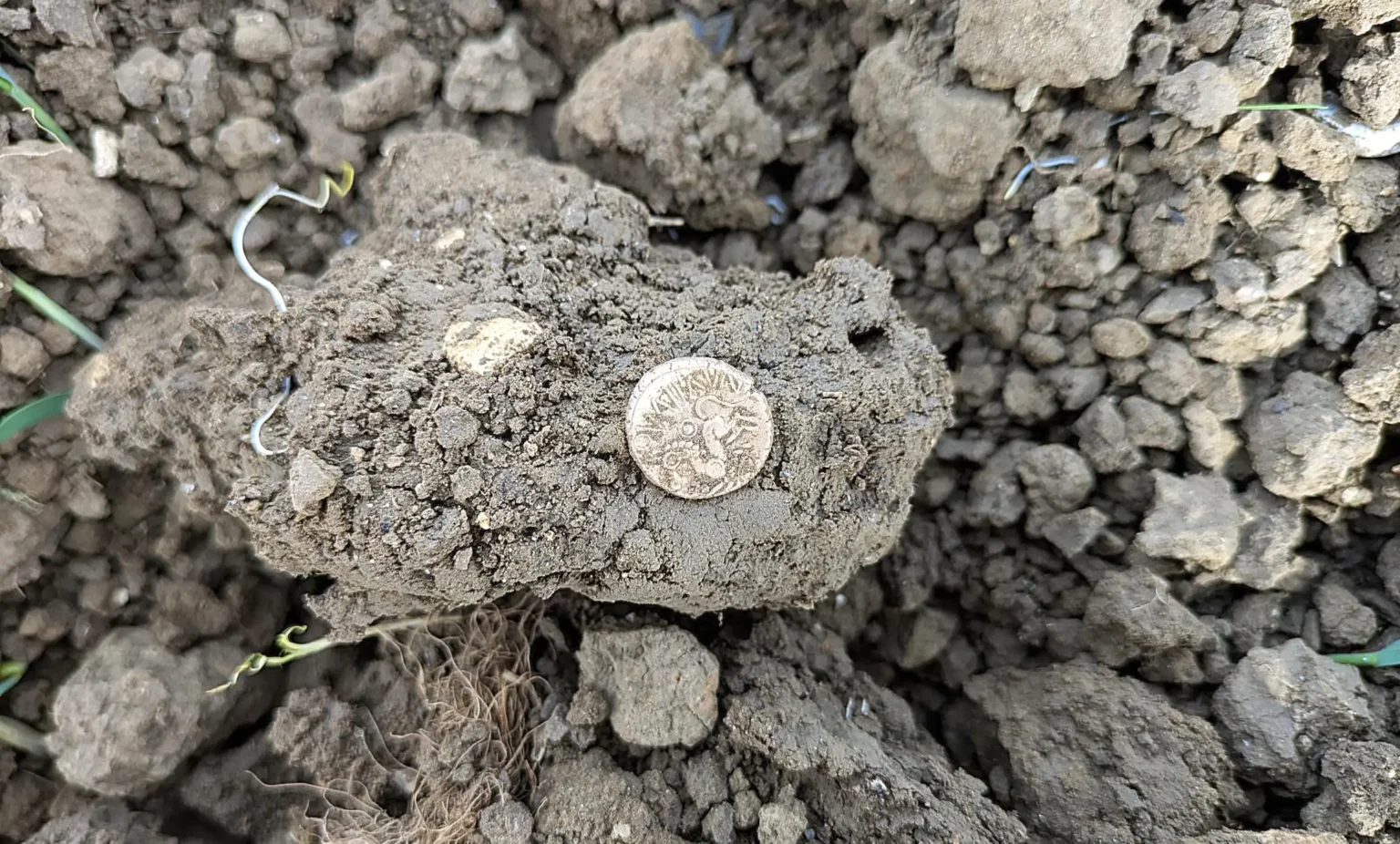
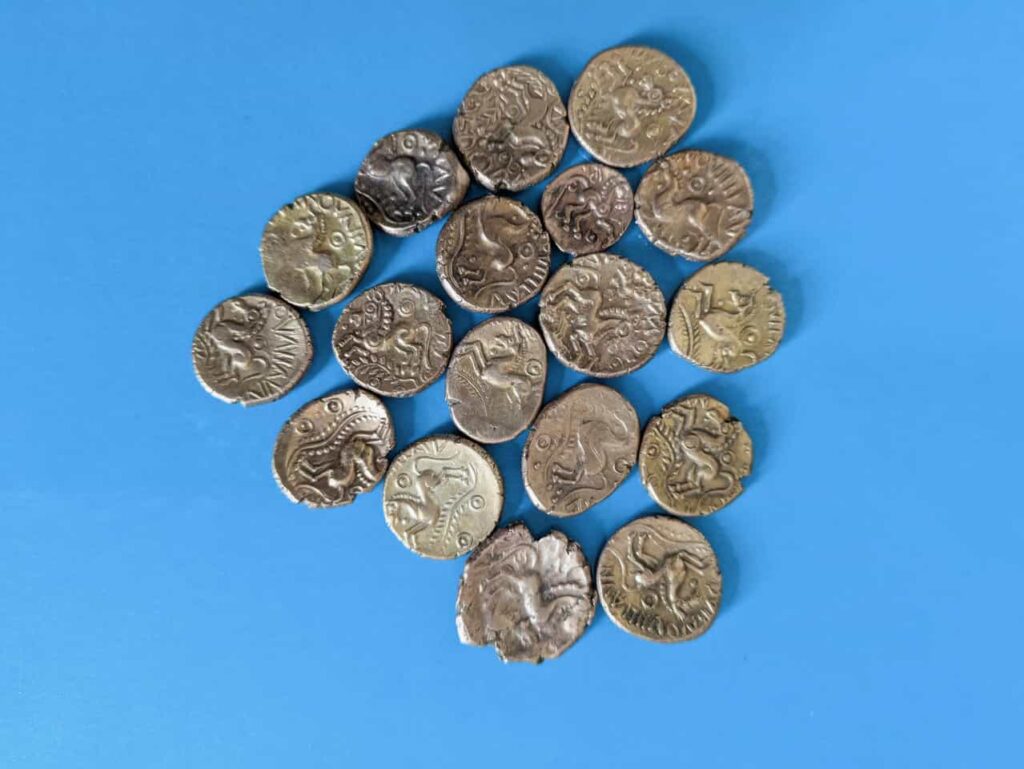
Tom Licence discovered the hoard – which includes 16 full gold Iron Age staters and one quarter-stater – in Bury St Edmunds.
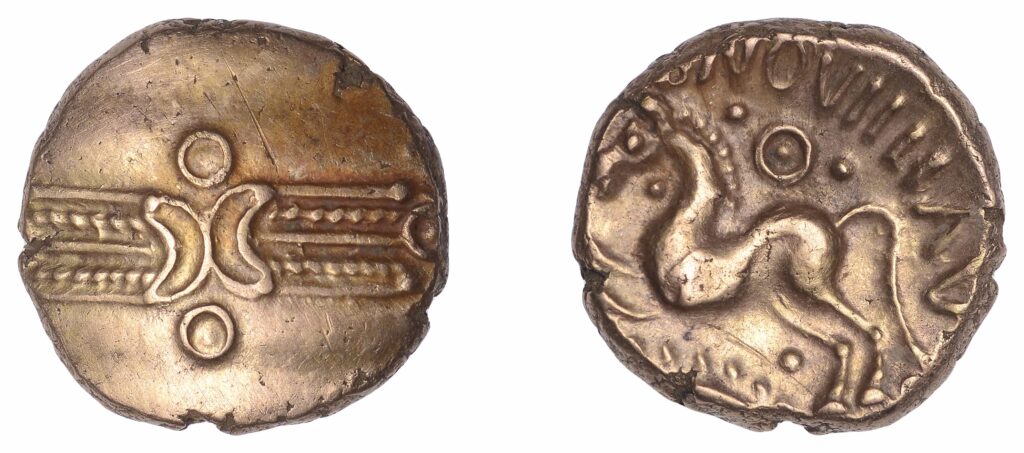
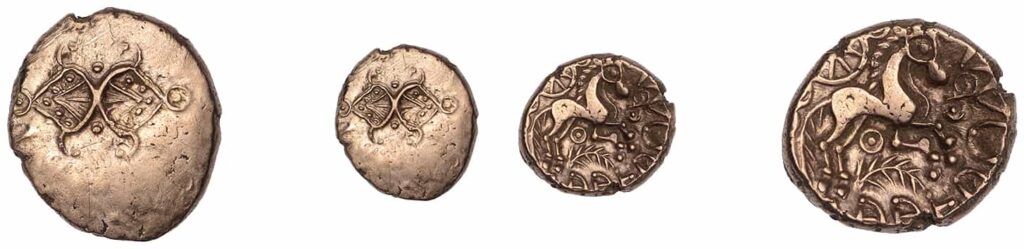
The 46-year-old’s find is the largest set of gold coins from the Iron Age reign of King Dubnovellaunos, who ruled the Trinovantes between 25BC – 10AD.
READ MORE: Ancient RINGS older than St Valentine set to fetch over £3,000 at auction
- Advertisement -
The professor of Medieval History and Literature at the University of East Anglia, reported the coing, found in two parcels, to Finds Liaison Officer and it was declared treasure.
Tom even returned to the site in Suffolk a few months later and found one more stater.
He feels they could have been buried by one of his ancestors.

They will be offered at Noonans Mayfair on 4 March.
“The reason I went to this new field was because my niece was keen to go metal detecting so I wanted to find a suitable location to take her,” said Tom.
- Advertisement -
“It was when I was there that I noticed that the field rose from a nearby stream in a gentle gradient and had dark silty soil, which was in a perfect condition on a dry October day, so I decided to use my trusty metal detector.
“Later that afternoon, I started to get signals and found two pieces of Viking hack silver.
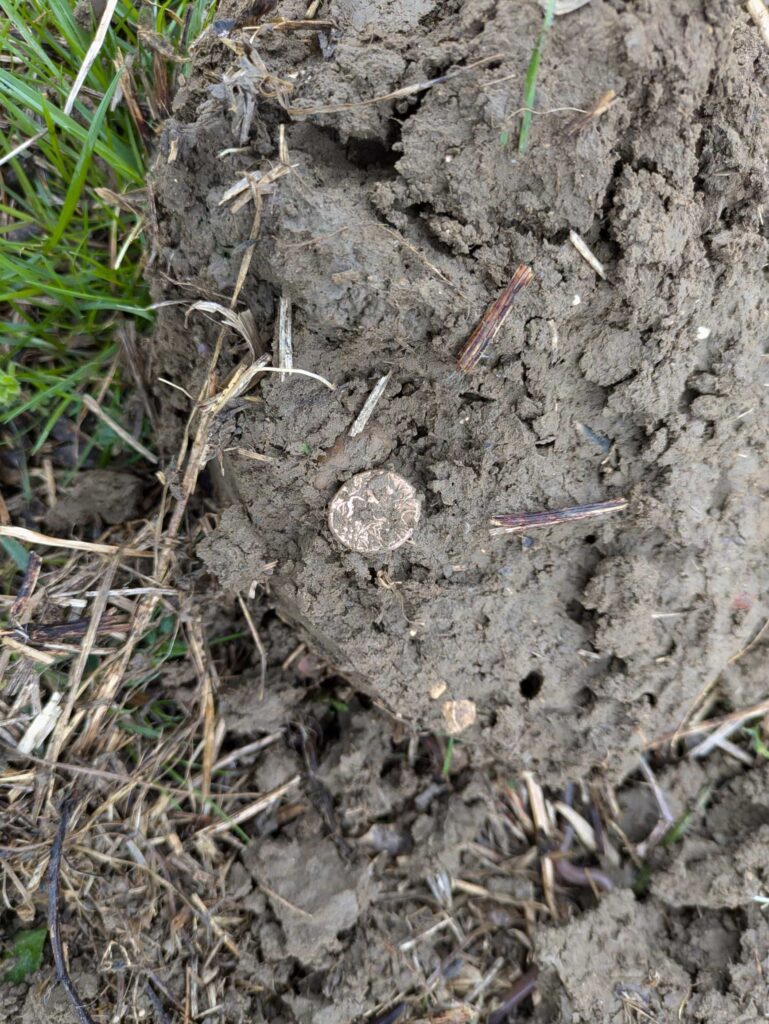
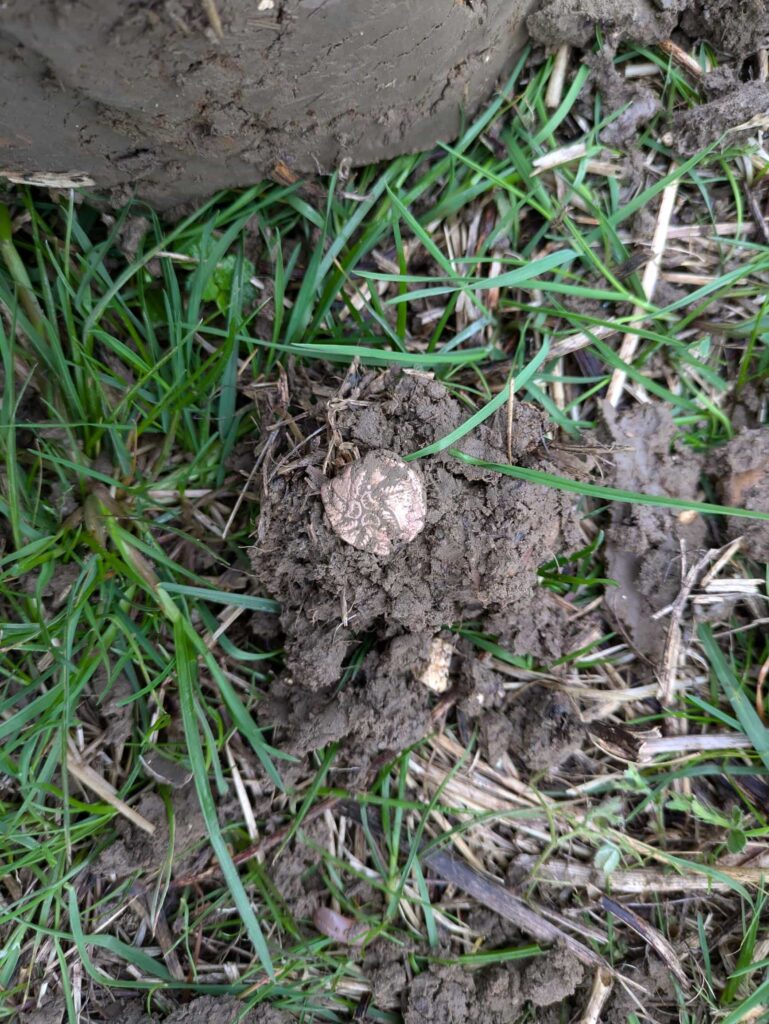
“I continued searching and was astounded to find a gold stater and after changing the settings and going up and down rows that I had marked out – I went into hunting mode and found another six staters.
- Advertisement -
“When it got to sunset, I called the landowner and took the coins to show him and his wife.
“Later that week, I returned to the field and found more coins – making a total of 17 coins.
“I was born in Essex but my family has roots in the Bury St Edmunds area, and I like to imagine that the coins were buried by one of my ancestors.”
Tom and the landowner have chosen to keep a single stater each and after splitting the money.
The professor plans to use some of the money raised to support local archaeological work in Suffolk, as reported by What’s The Jam.
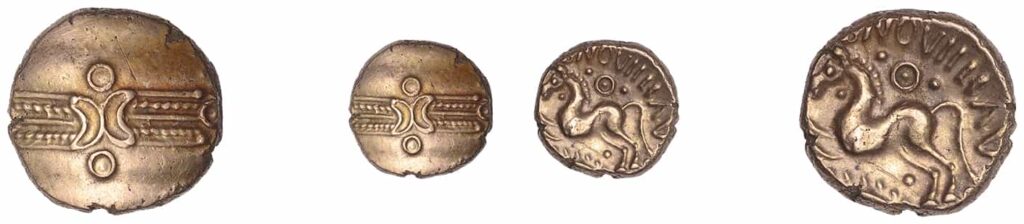
Expert Alice Cullen, said: “All of the staters in the hoard are inscribed and they can be attributed to two figures: Addedomaros and Dubnovellaunos.
“We assign these leaders to different tribes: the Catuvellauni and the Trinovantes respectively.
“As ever with British Iron Age numismatics, this simplicity masks a lot of hidden complexity.
“Addedomaros’ kingdom appears to have expanded to include much Trinovantian territory and it is possible that he was Dubnovellaunos’ father, an argument supported by stylistic links between their coinages.
“Addedomaros was probably the first king north of the Thames to produce an inscribed coinage but beyond that we know frustratingly little about him.
“Dubnovellaunos ruled the Trinovantes, and at some point, held sway in Kent as well.
“He is mentioned in the Emperor Augustus’ Res Gestae as having sought refuge in Rome.
“The find spot of this hoard, which sits a day’s walk from Colchester to the south and Bury St Edmunds to the north, is directly at the heart of Trinovantian territory.
“John Sills has suggested, on account of die sequencing, that Bury St Edmunds Hoard was concealed during the reign of Dubnovellaunos, for the hoard omits the ruler’s last two issues.”
The treasure was found in 2024.
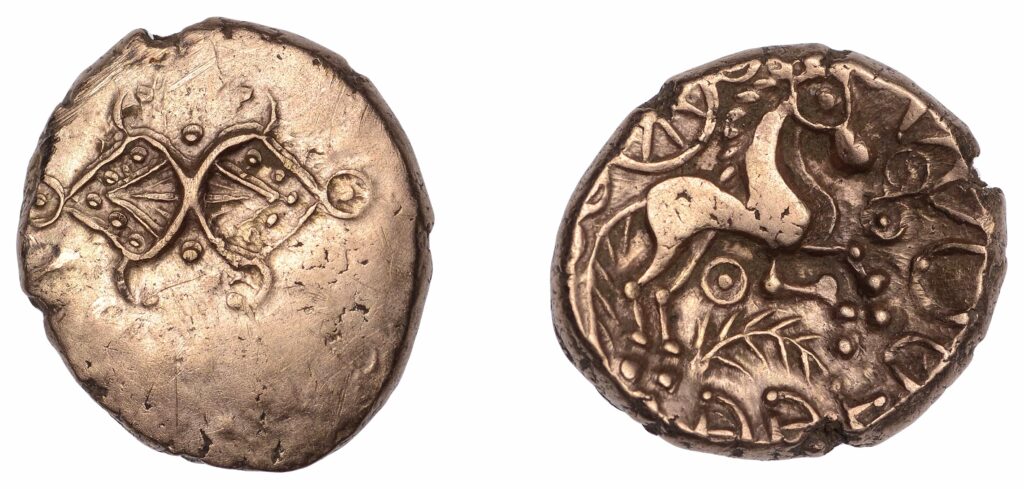
Among the highlights of the hoard are two coins that are Tom’s favourites.
These are the Addedomaros wheel stater estimated at £3,000-3,600.
While the Dubnovellaunos stater is expected to fetch £1,500-2,000
The 16 coins will be sold individually and are expected to fetch in the region of £25,000.
READ MORE: Shoppers left stunned by pesky starling pinching fruit at ASDA