

A forgotten family heirloom or a dusty wardrobe find could be worth far more than its owner ever imagined.
From jewellery mistaken for costume pieces to historic artefacts saved from the rubbish bin, seemingly ordinary possessions are emerging from British homes with remarkable valuations.
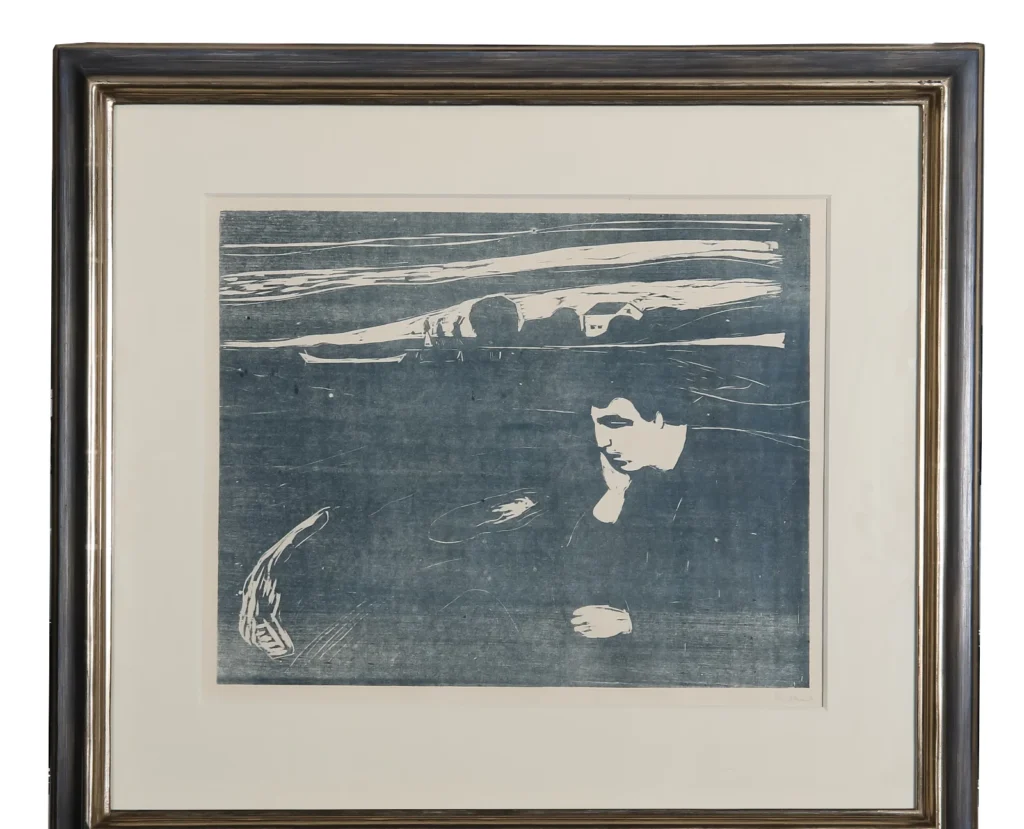
One family even discovered that a print kept for more than half a century was the work of The Scream artist Edvard Munch, and could fetch a whopping £80,000.
READ MORE: Costa Coffee launches Christmas menu with Ferrero Rocher latte
Here are six treasures which prove it may be worth checking the cupboards before heading to the tip.
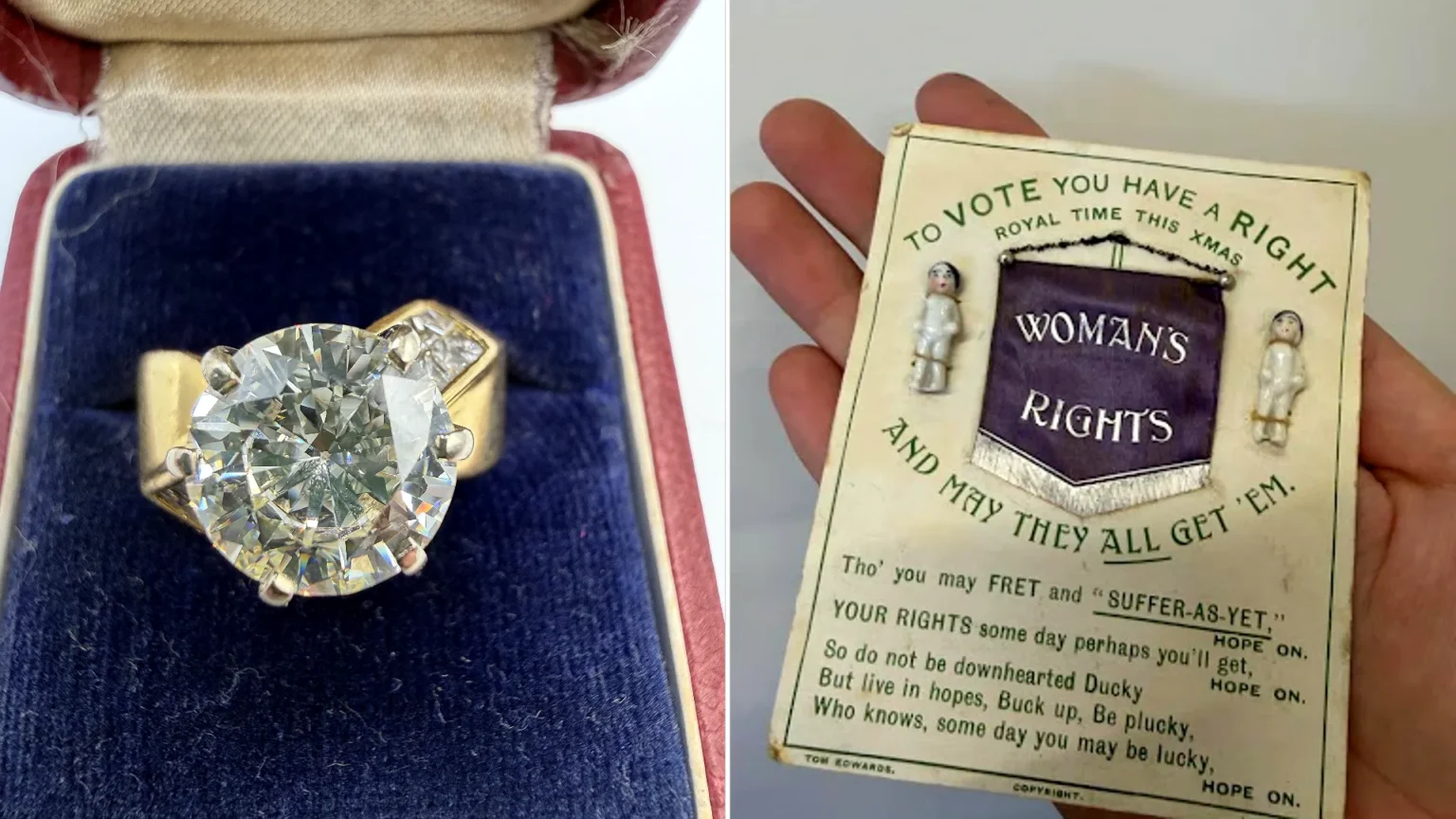
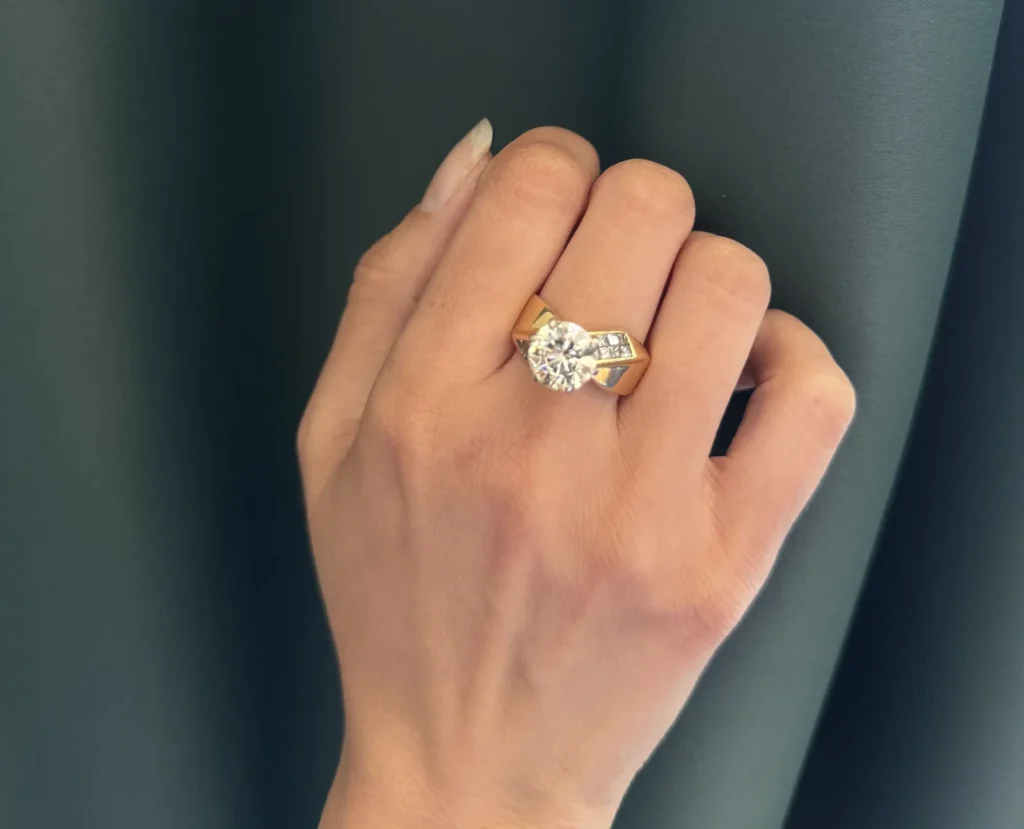
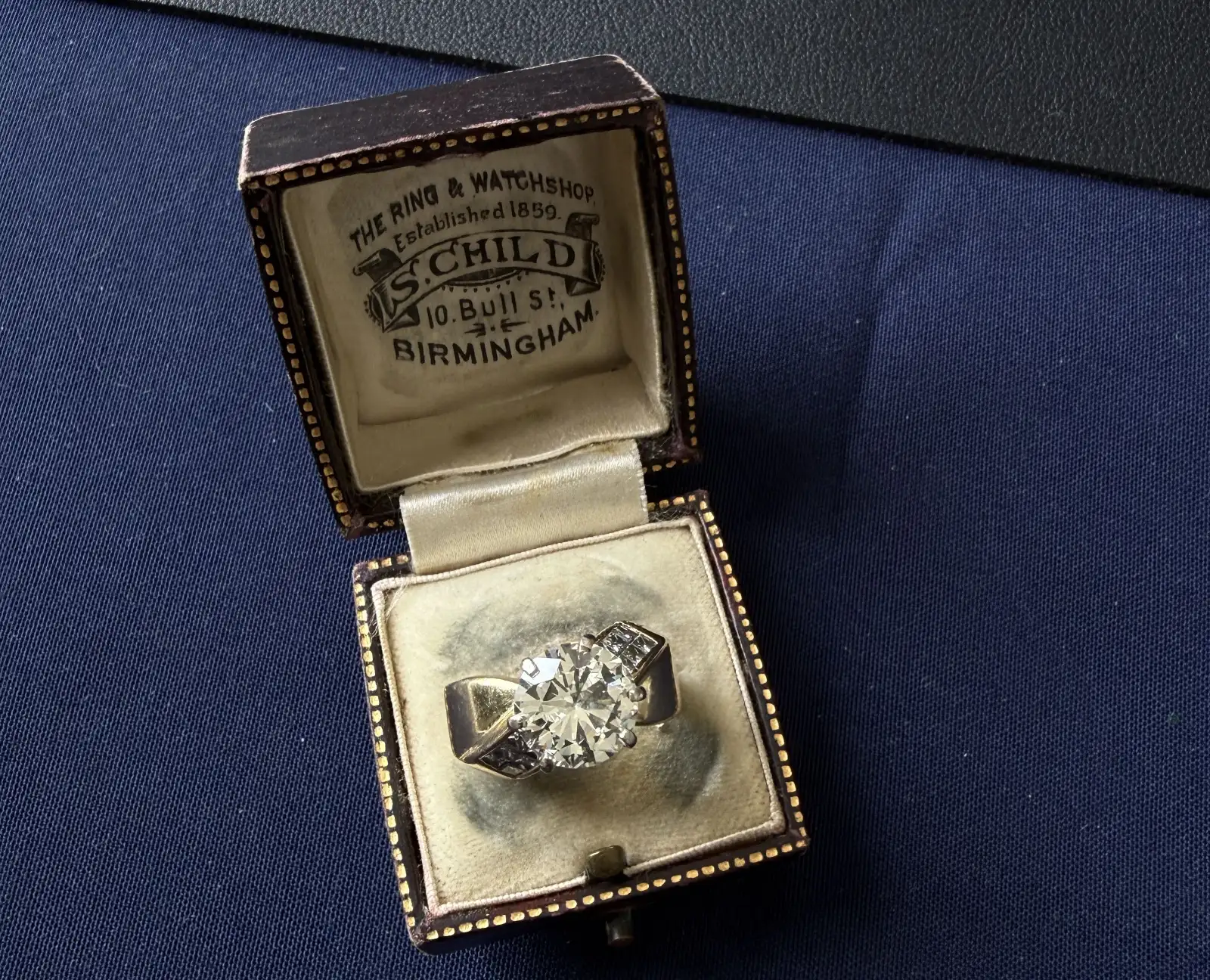
One bargain hunter got the surprise of her life after discovering that a £5 ring was set with a 3.02-carat natural diamond.

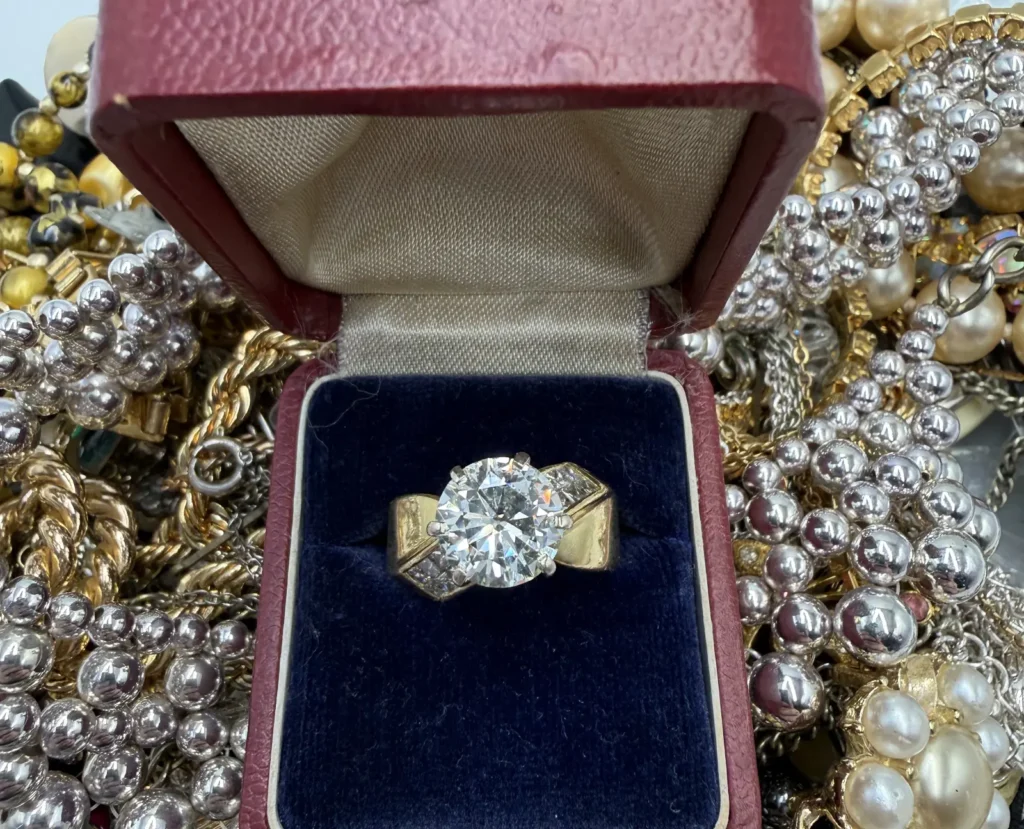
She bought the sparkler at a car boot sale because she thought it was a pretty piece of costume jewellery.
The owner later took it to a WeBuyVintage roadshow in Oxfordshire, where expert Asha Nayak examined the stone and discovered it was mounted in 18-carat gold.
It was valued at £15,000, an extraordinary 3,000 times its purchase price.
The stunned owner said: “I never expected it to be worth thousands. It was such an incredible surprise and a moment I will never forget.”
An old festive greeting carried to a valuation event in Mold, North Wales, turned out to be a rare piece of political history.
Dating from around 1910, the card was created when campaigners sold seasonal merchandise to raise funds and promote votes for women.
Its elaborate messages include: “To vote you have a right Royal time this Christmas” and “Woman’s Rights and May they all get’em”.
The card was published by London firm Tom Edwards and valued at £2,500.

Such greetings were generally discarded after Christmas, leaving relatively few surviving examples.
Expert Matt Case said its rarity, condition and connection to the suffrage movement made it attractive to collectors and museums alike.
A signed woodcut by Norwegian master Edvard Munch has emerged from a private family collection in Kent after more than 50 years.
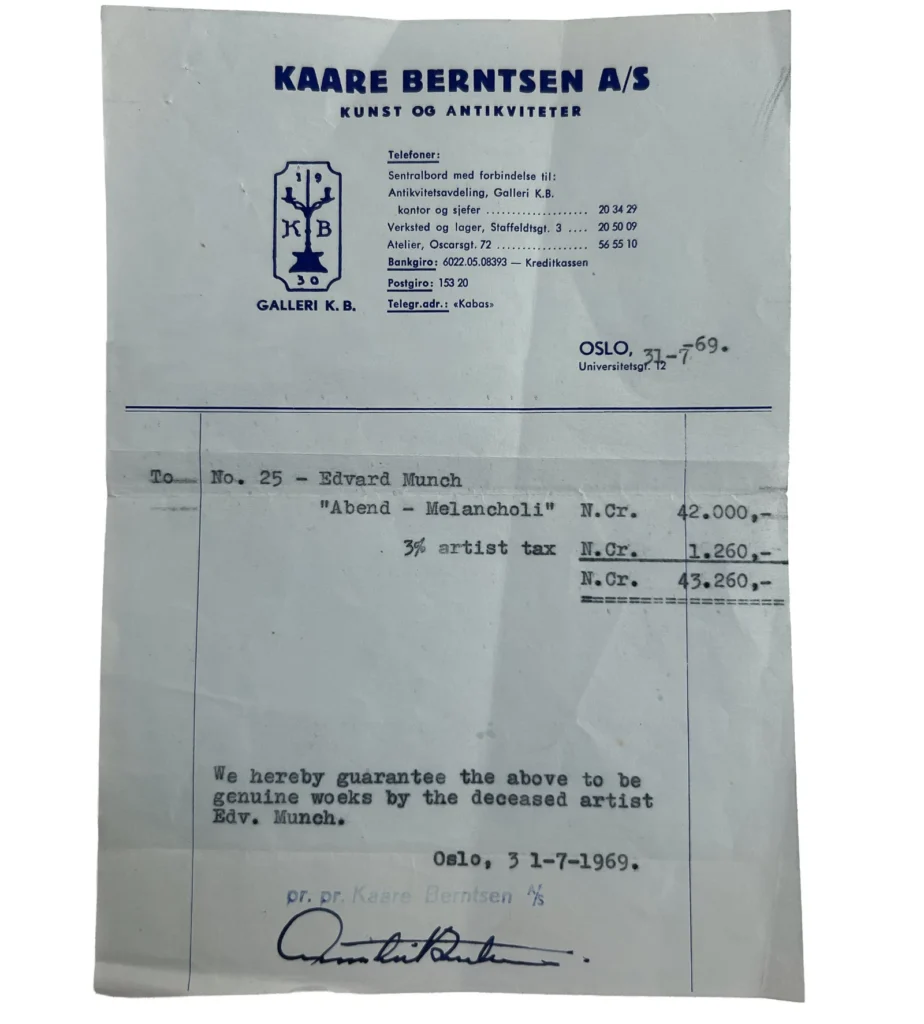
Melancholy III was purchased in Norway for 42,000 kroner in 1969—equivalent to approximately £3,300 at the time, and remained with the same family.
Crucially, they also kept its original receipt, providing valuable evidence of the artwork’s history.
The 1902 print depicts a solitary figure on a rocky shoreline and explores the jealousy and sorrow of unrequited love.
It is expected to fetch between £50,000 and £80,000 when auctioned by Catherine Southon Auctioneers on October 28.
A ceremonial gown worn during the 1969 investiture of then-Prince Charles was saved after its owner learned that historic belongings could be discarded during a house clearance.

The red garment belonged to Owen Lloyd George, 3rd Earl Lloyd George of Dwyfor and grandson of former prime minister David Lloyd George.
The earl wore it while serving as sword-bearer during the televised ceremony at Caernarfon Castle.
It remained at his former country seat, Ffynone House in Pembrokeshire, until a woman spotted items from the property advertised online in 2021.
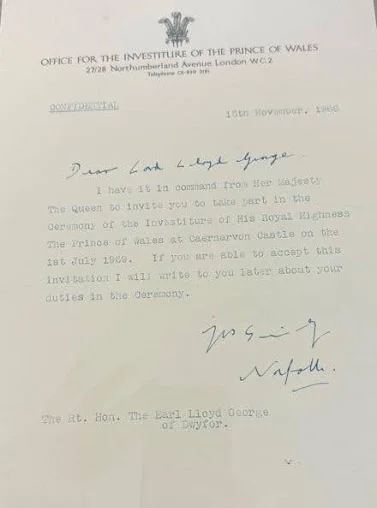
Fearing that an important piece of Welsh history could be lost, she rescued the personalised gown and an invitation from Queen Elizabeth II.

The pair have since been valued at around £600.
A rare children’s “Mickey Mouse” gas mask was discovered at the bottom of a wardrobe after remaining there for more than eight decades.
Its original owner, born in 1940, was issued the respirator as a toddler and kept it until his death.
His daughter uncovered it while clearing the family home before taking it to a valuation roadshow in Portslade, East Sussex.
Manufactured by Happynak in around 1941, the child-sized mask was designed to appear less frightening by drawing on the familiar Disney character.

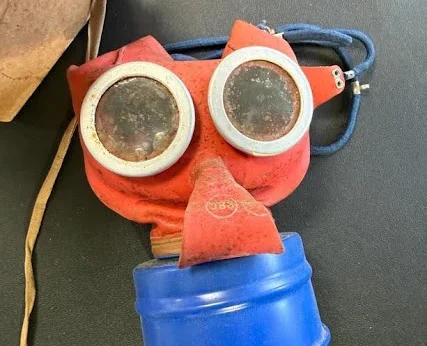
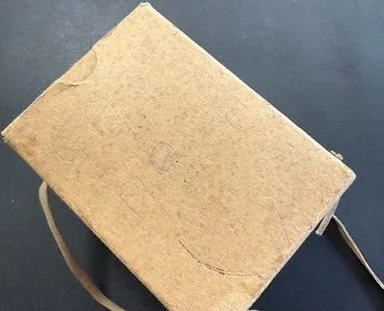
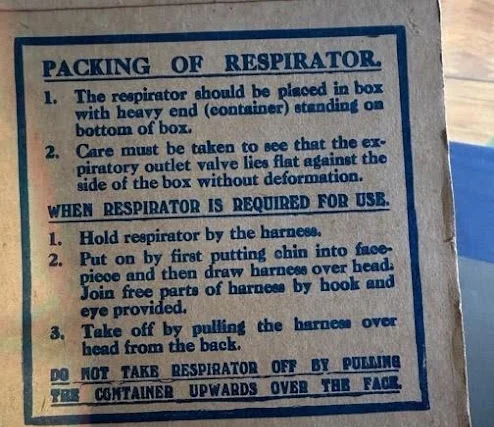
It survives with its box, carrying canister and rare instruction leaflet.
The unusual wartime object was conservatively valued at between £30 and £60, although experts said its rarity could push the eventual price higher.
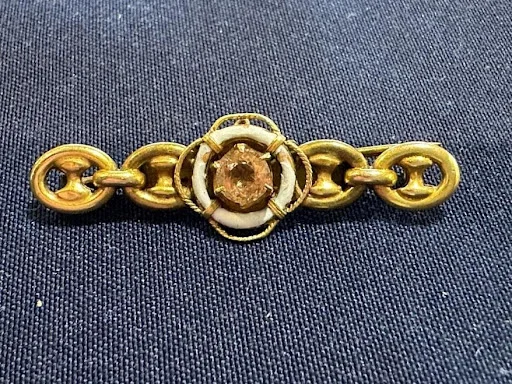
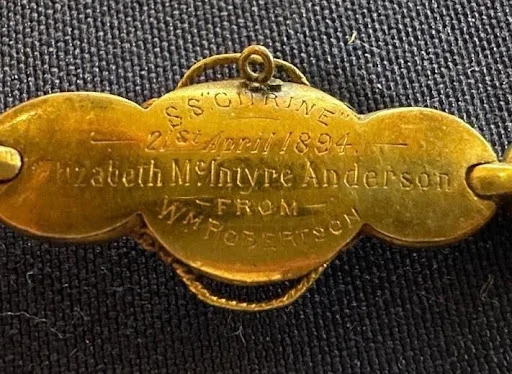
A brooch passed down through one family for more than 130 years was found to hold a poignant connection to the doomed SS Citrine.
Shipping pioneer William Robertson presented it to Elizabeth McIntyre Anderson, believed to have been the vessel’s first passenger, in April 1894.

Its rope-shaped design surrounds a lifebuoy set with a citrine stone, while an inscription records the ship, date, recipient and donor.
The SS Citrine later struck rocks off the Isle of Man and sank in 1931, killing nine of its 11 crew members.
The keepsake remained within the recipient’s family before one of her descendants brought it to a roadshow in Fleetwood, Lancashire.
Although valued at a modest £100, experts said its named recipient, exact date and connection to the tragedy gave it significant historic importance.
Its owner hopes to put the proceeds towards upgrading his motorhome.
READ MORE: Brits SOAR 300ft at 60mph as UK’s only FLYING Christmas lights show returns