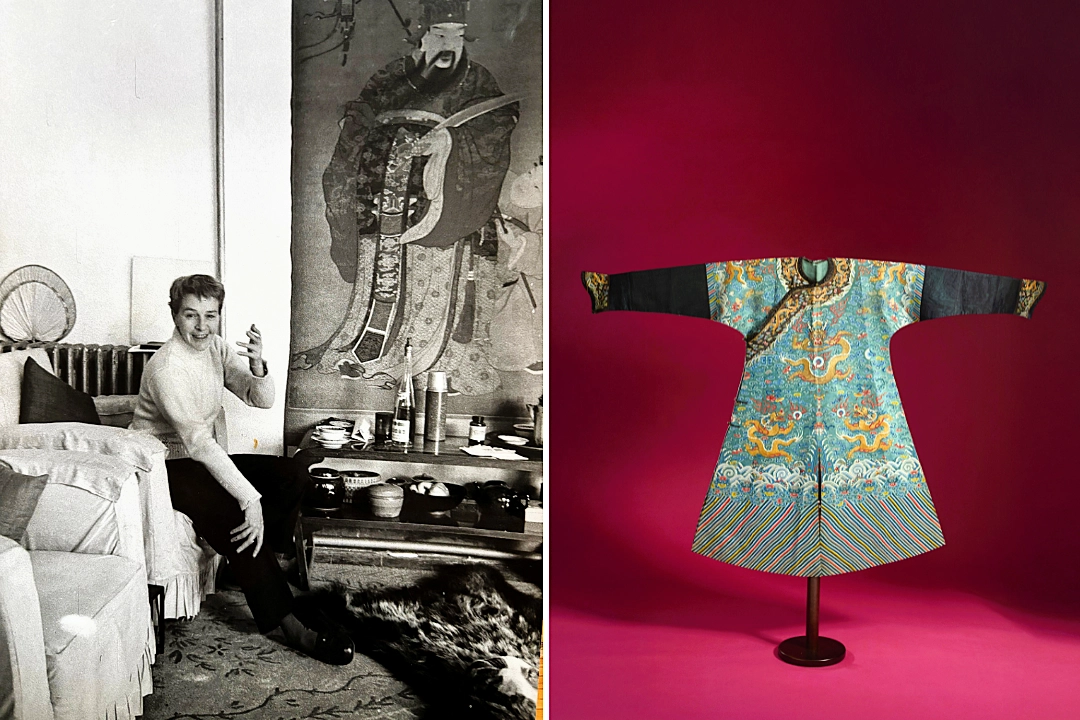

A British family were left stunned after discovering their communist nan’s long-hidden Chinese art collection is worth a staggering £40,000.
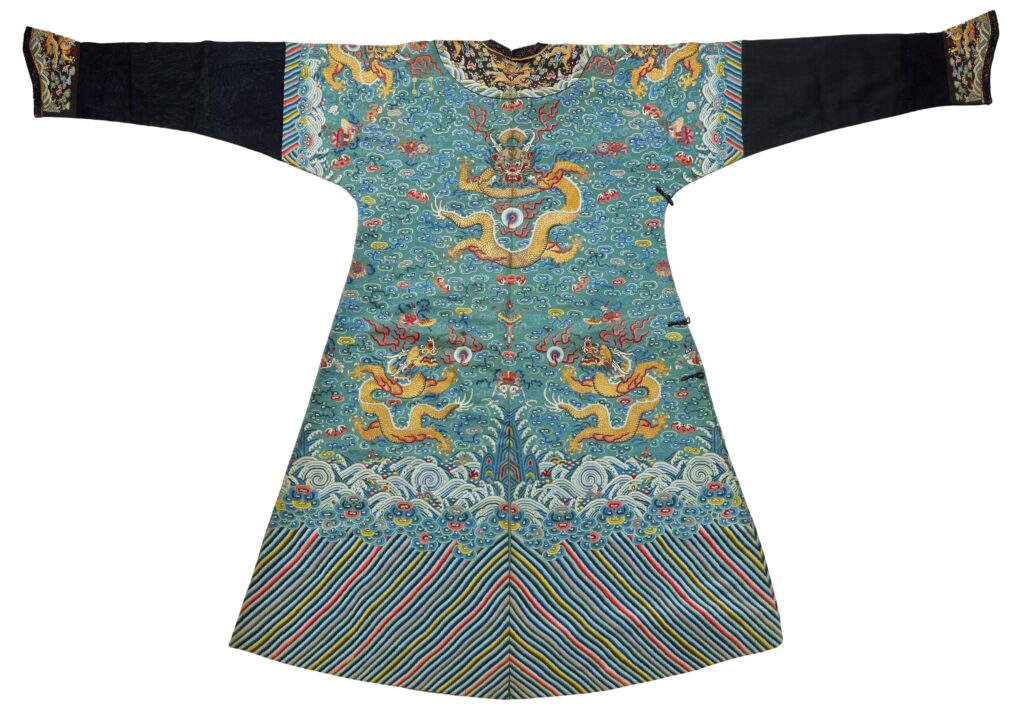
Emma Davey uncovered the treasure trove when a chest of travel souvenirs left by her grandmother turned out to contain rare pieces – including a robe once worn by the Emperor’s family.
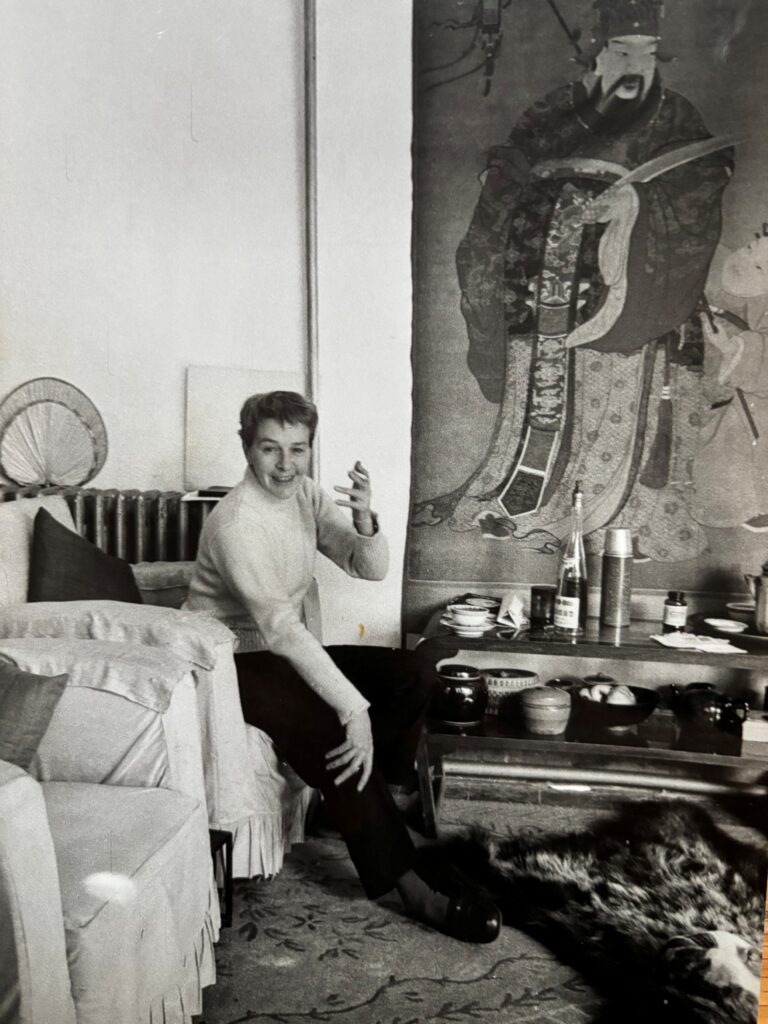
The items were collected by her gran, Nan Brake, during the 1950s while living in China.
READ MORE: Britain’s most expensive bar snack – posh restaurant launches crisps with CAVIAR for £65 per bowl
- Advertisement -
They had sat quietly in the family’s London home for more than 40 years after her death in 1984.
But a routine valuation by specialist Ruixue Li revealed what she described as an astonishing collection of Chinese art packed with top-quality Imperial pieces, as reported by Whats The Jam.
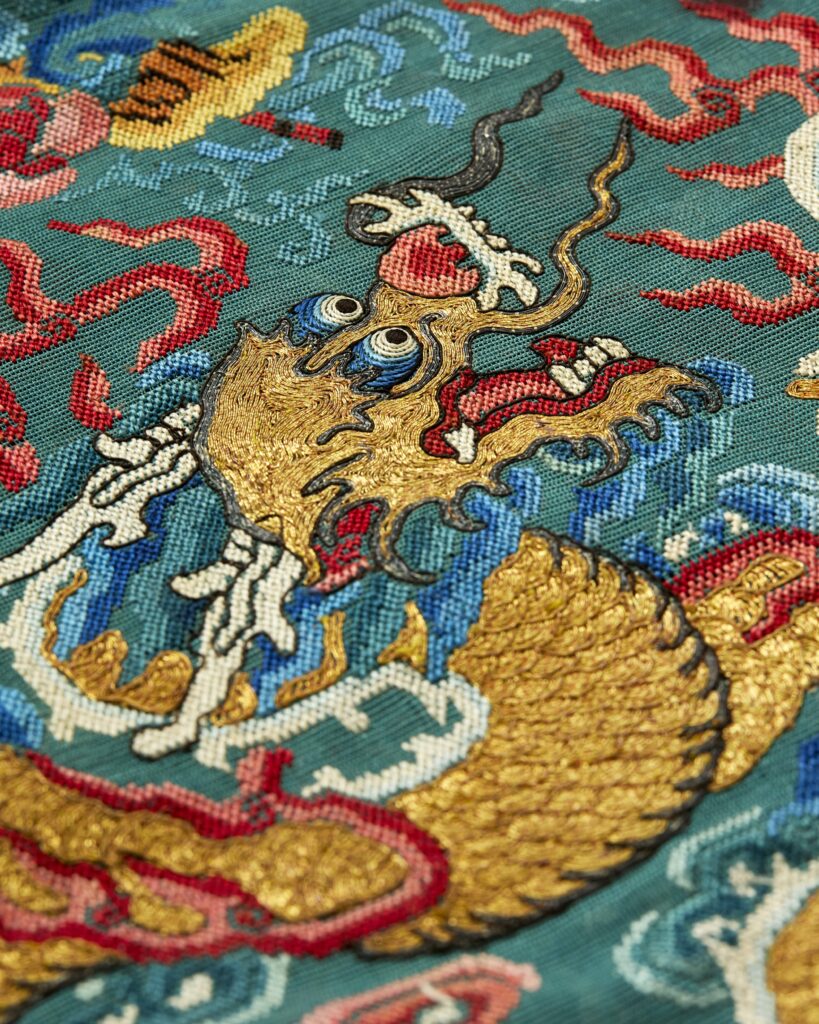
Li believes a Qing dynasty dragon robe in the haul, valued at up to £12,000, was made for a member of the Emperor’s family, thanks to the presence of five of the Twelve Symbols of Imperial Authority.
The robe is thought to date back to the Jiaqing period, making it up to 230 years old.
Emma Davey said: “We always thought of these objects as mementos of our grandmother.
- Advertisement -

“We had no idea they were so valuable, or had so much history.
“We used to dress up in the silks as children.
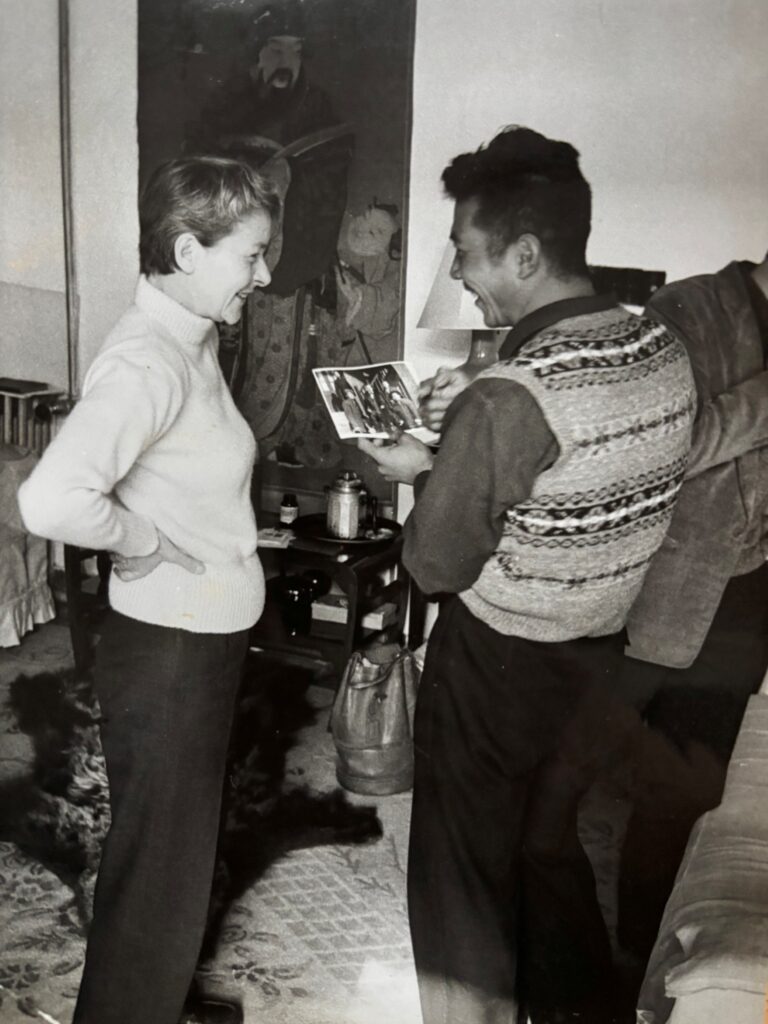
“My grandmother told us of her acquaintance with the last eunuch of China.
- Advertisement -
“Although anecdotal, it’s possible that was how she acquired some of the Imperial works in the collection.”
Brake led an extraordinary life shaped by her commitment to socialism and globe-trotting adventures.
Born in Beeston, Nottinghamshire, in 1904, she became involved in left-wing politics in the late 1920s – first joining the Independent Labour Party before later becoming a branch secretary of the Communist Party of Great Britain.
She even volunteered during the Spanish Civil War, working with medical units linked to the International Brigades, where her first husband was killed by forces loyal to Francisco Franco.
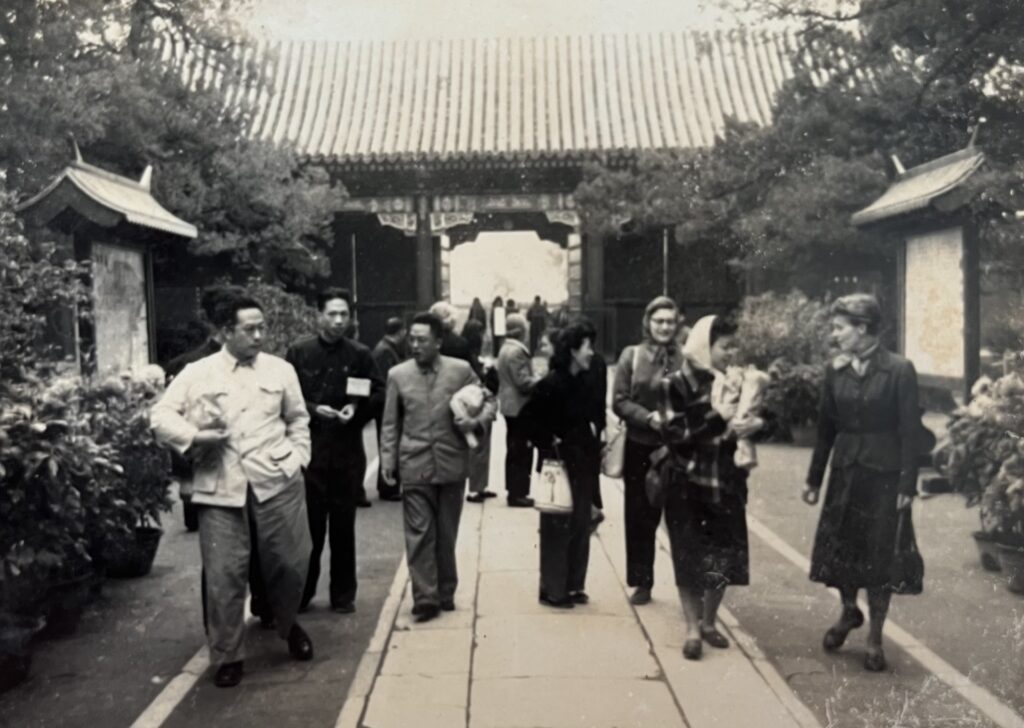
In 1952, she travelled to China as an interpreter for an international conference at a time when Mandarin-Spanish translators were almost unheard of.
During her time there, she travelled widely, picking up objects from markets and dealers, describing her trips as “junking” in diaries and letters sent home.
Davey said: “My grandmother was a singular woman.
“While other children were eating shepherd’s pie, we were going to Berwick Street market to find Chinese ingredients, which was unusual at the time.
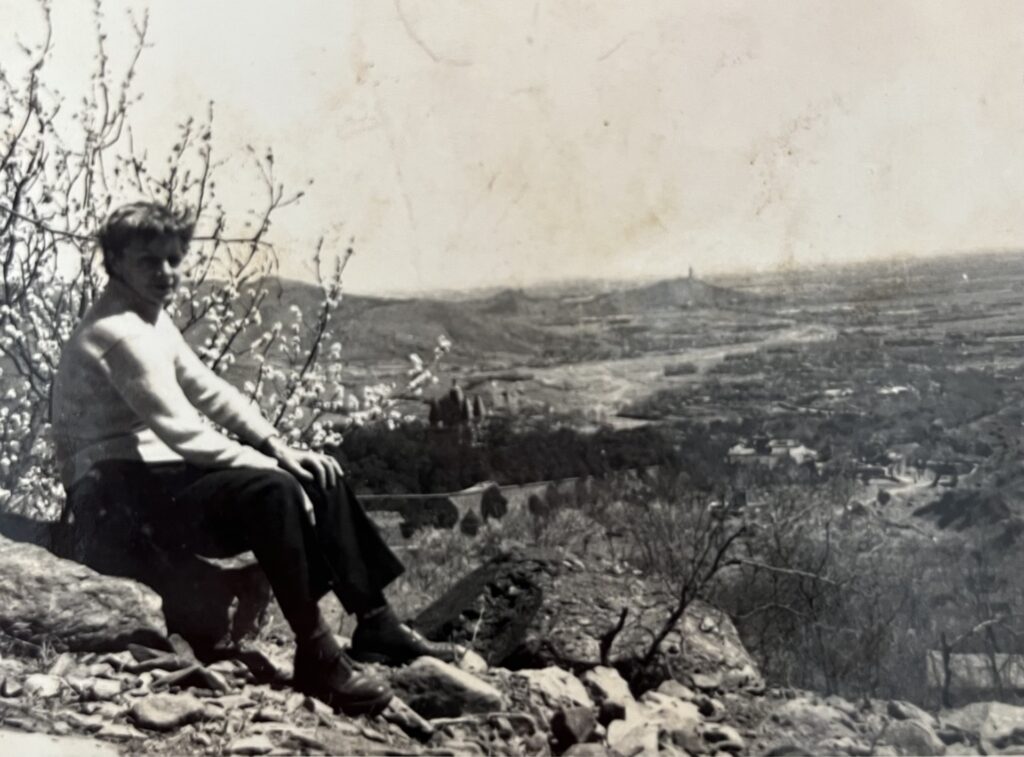
“She was very cosmopolitan.
“People in China would often say things in front of her in Mandarin, assuming that a British woman wouldn’t be able to speak the language.
“They were always shocked when she replied.”
She later lived in Peking between 1953 and 1960, working on the English-language publication China Reconstructs – now known as China Today – as well as subtitling films and carrying out reporting work.
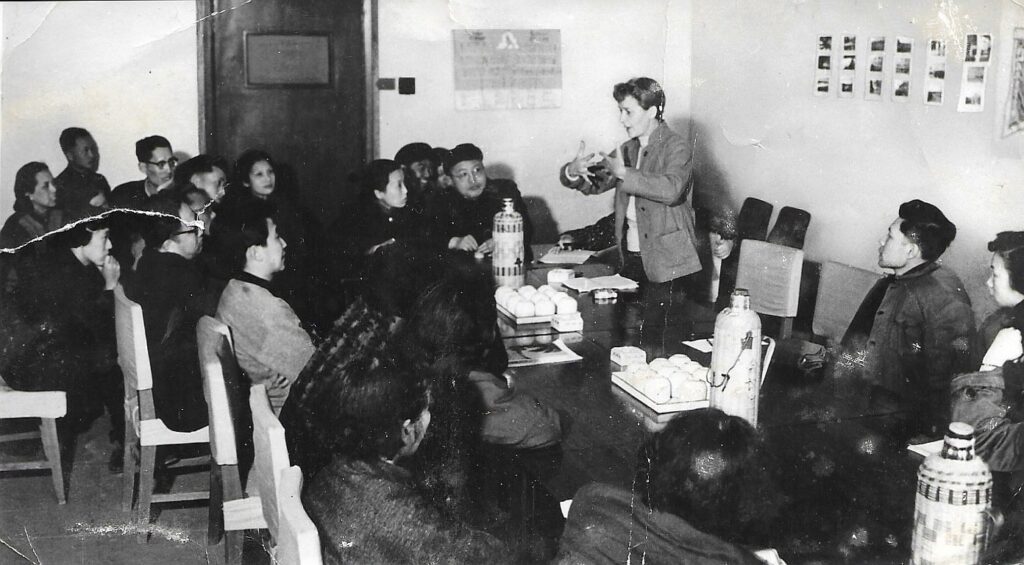
Expert Bill Forrest said: “This extraordinary collection was acquired during a formative moment in the early years of the People’s Republic of China.
“It offers an important record of the antiques trade at a time of profound change, and it is exceptionally rare to encounter a collection with this level of provenance and personal context intact.
“Whether or not Nan Brake knew precisely what she had, she clearly had a keen eye for exceptional objects.”
The collection is set to go under the hammer on 12 May at Roseberys Auctioneers.
READ MORE: Savvy shopper reveals Monday app hack that slashes grocery bills by up to 60%