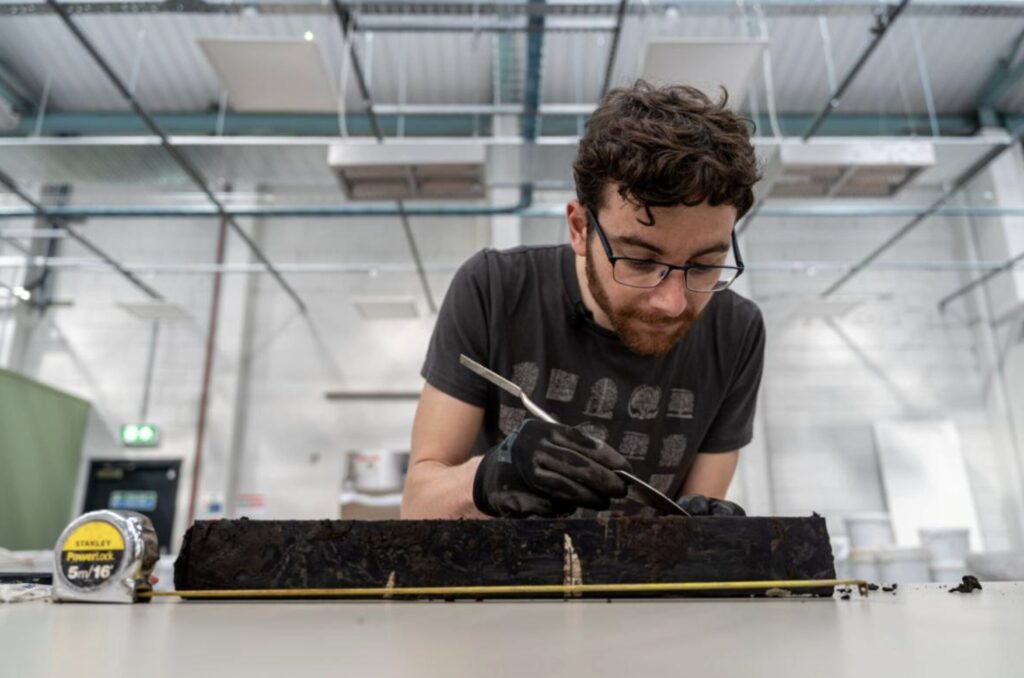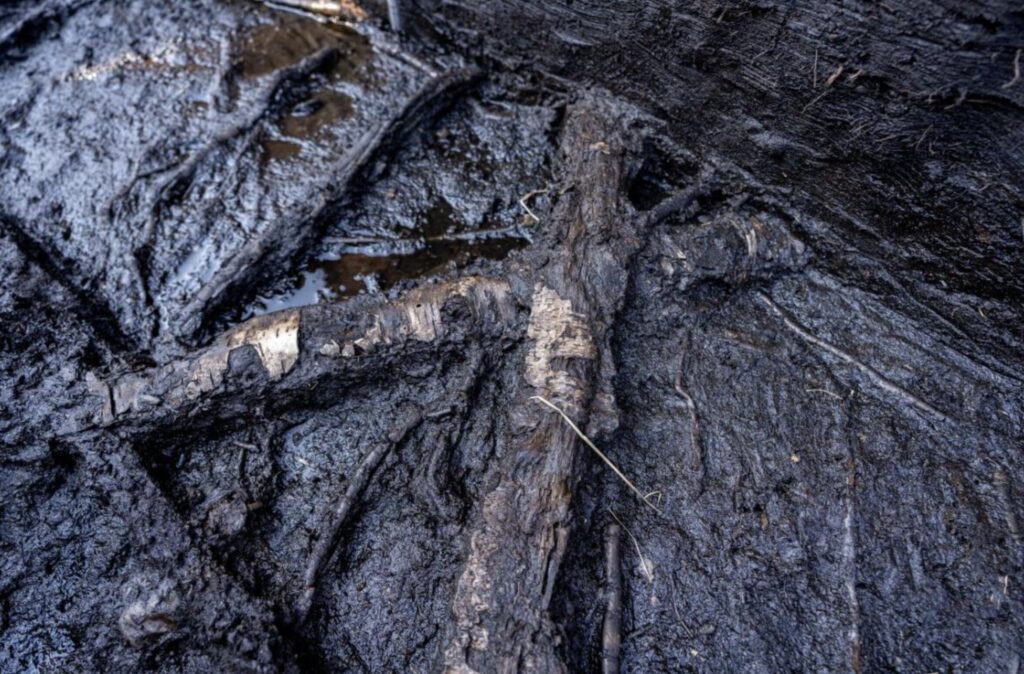


A 6,000-year-old wooden trackway used by early humans has been uncovered beneath layers of peat.
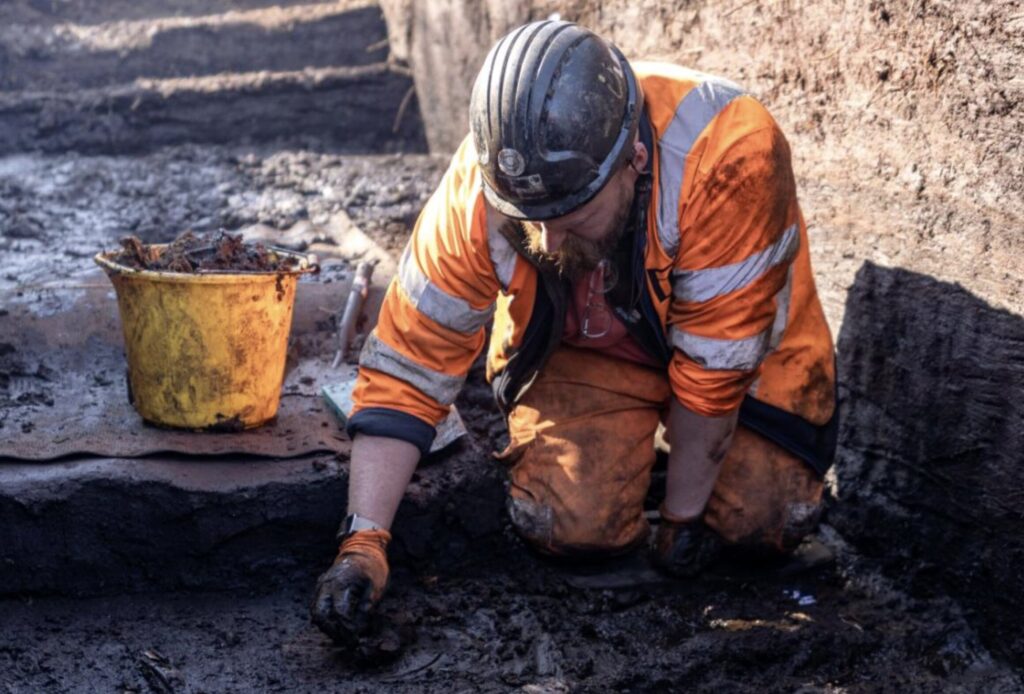
Archaeologists made the discovery during an excavation led by a wildlife trust and the Species Survival Fund.
The structure, made from birchwood poles and brushwood, is believed to date back to between 3,770 and 3,640 BC.
READ MORE: 2,000-year-old Roman feature found during shop renovation
Experts say the trackway would have been used by Neolithic people to cross marshland that once covered large parts of Britain.
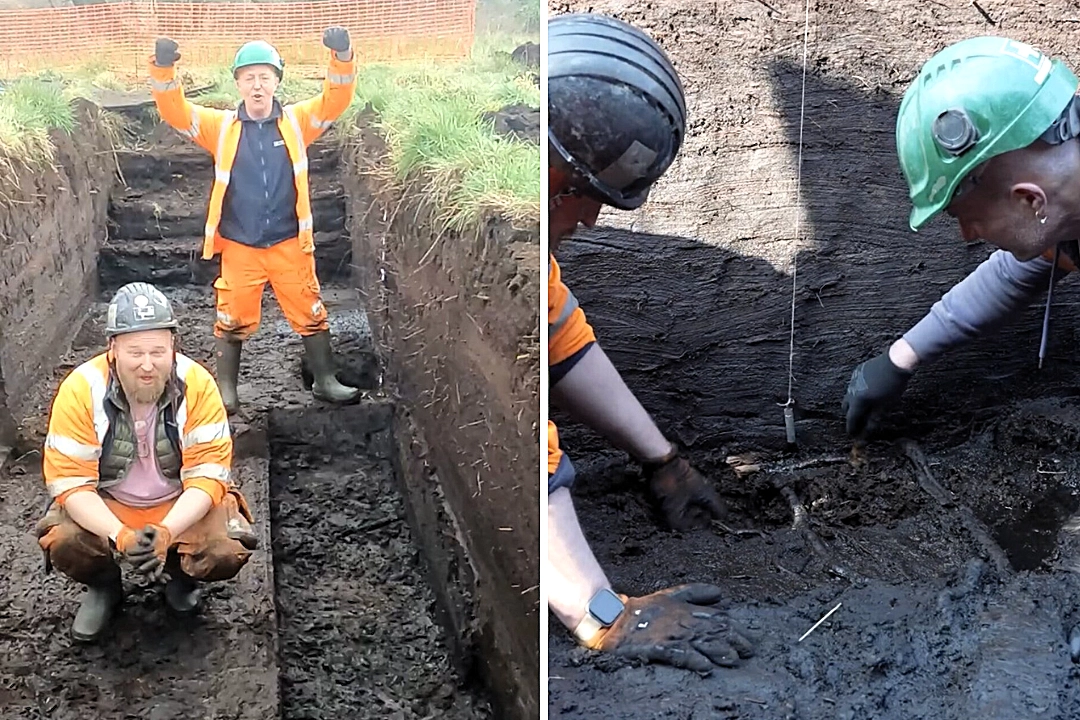
The find at Honeygar Farm on the Somerset Levels, was unexpected, as teams had originally been investigating a separate prehistoric trackway thought to be around 4,600 years old.
Instead, they uncovered a second structure believed to be around 1,000 years older.

The trackway has been preserved for thousands of years thanks to the waterlogged peat conditions at the site.
Archaeologists say the peat also has protected pollen, plant remains, insects and microscopic organisms, offering a rare insight into ancient environments.
These remains could help scientists better understand past climate change and human activity in the region.
Bruce Eaton, who led the excavation, said the discovery adds to knowledge of Somerset’s ancient landscape.

He said: “To be involved in a project which not only aims to restore valuable habitat but will also protect vulnerable archaeology has been a privilege.
“This discovery further adds to our knowledge of Somerset’s complex ancient landscape.”
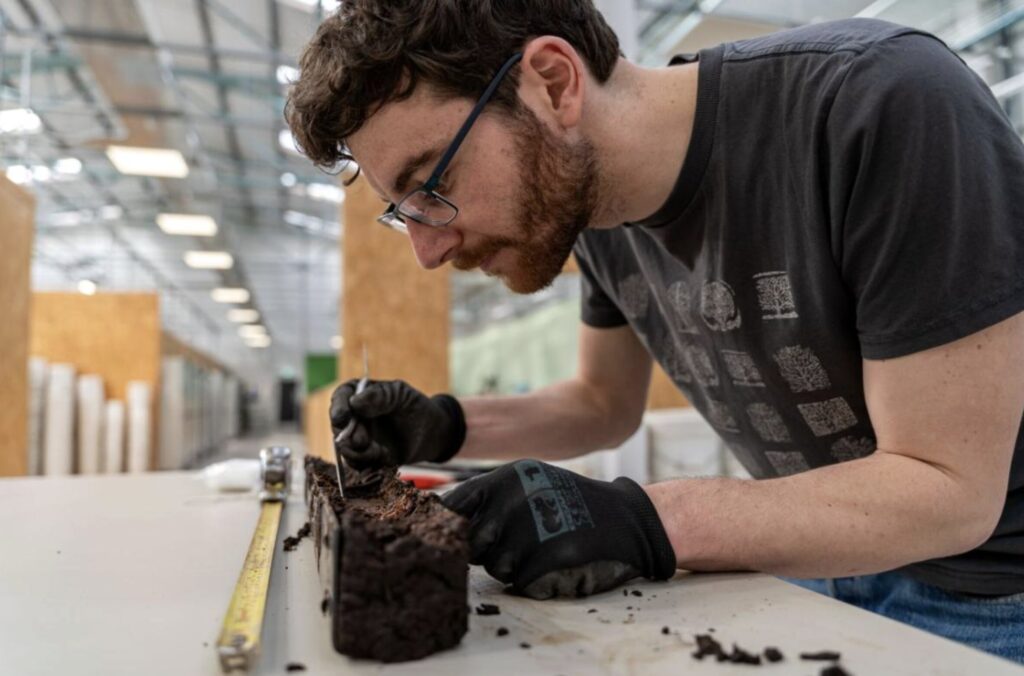
Researchers are now analysing soil samples from the site to uncover more details about the area’s history.
The findings could also help ecologists restore wetland habitats that once thrived on the Somerset Levels.