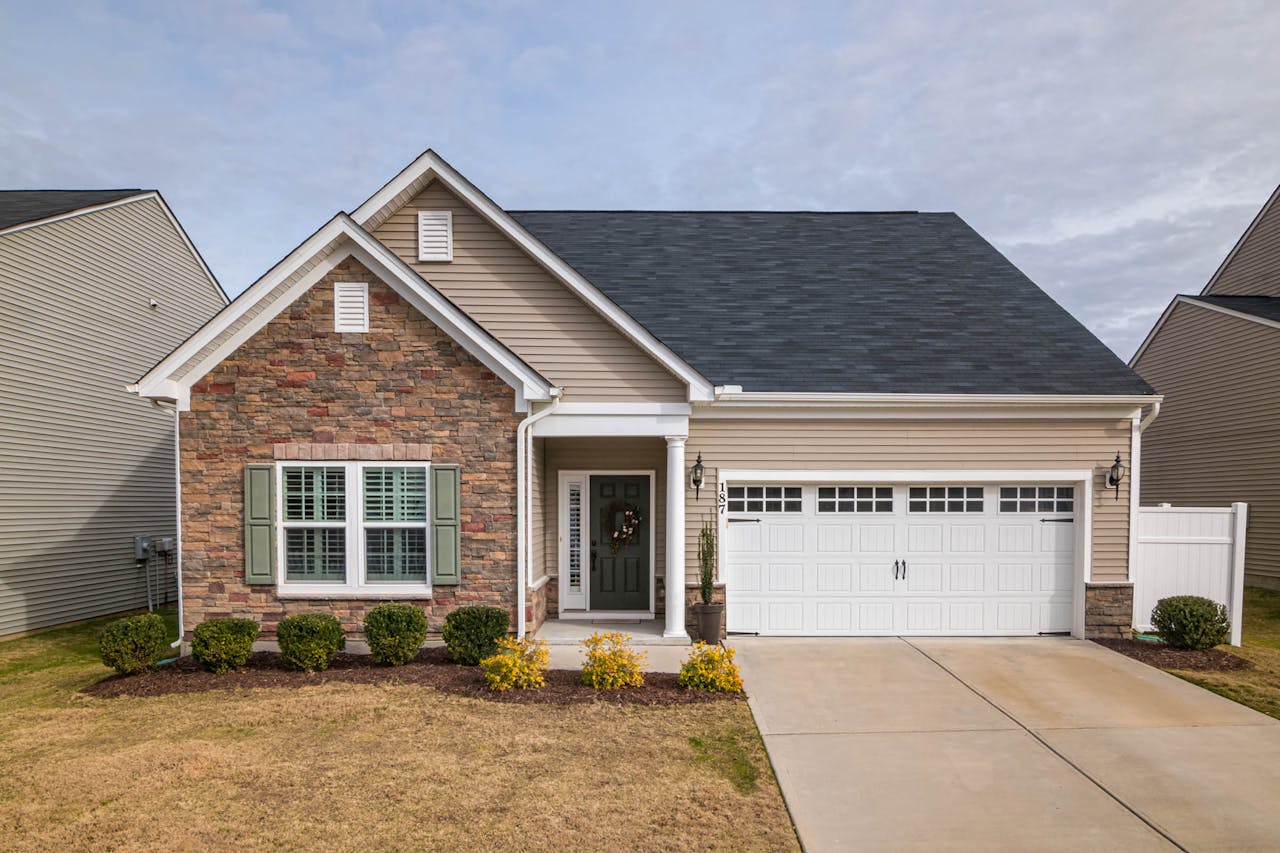

Moving into a newly renovated home sounds like the perfect fresh start, but it can also come with a few surprises. There is a mix of excitement and pressure because everything looks new, yet you still want to make sure it is truly ready for everyday living. If you are settling into a place in Miami, for example, there are a few extra things to keep in mind, like how humidity can affect materials, finishes, and even storage spaces over time. Small details that seem fine at first can become noticeable once you start using the space daily.
It is also common to feel rushed during this phase. Between coordinating the move, setting up utilities, and trying to get comfortable, many people skip important checks. This guide will walk you through what to check first so you can settle in with confidence and enjoy your upgraded space without second-guessing anything.
Inspect the Condition of Your Belongings After the Move
Before you start unpacking everything, take a moment to check the condition of your belongings. Even with careful handling, items can shift during transport. Look at furniture, boxes with fragile items, and large appliances to make sure everything arrived safely.
If you worked with a local Miami moving company, chances are your items were handled with care, but it is still important to do a quick inspection. Check for scratches, dents, or missing pieces. Open a few key boxes right away, especially those with valuables or essentials. If you notice any damage, take photos and make a note of it so you can address it quickly.
- Advertisement -
This step might feel like a delay, but it helps you catch problems early and avoid frustration later when you need those items.
Check That All Renovation Work Is Fully Completed
Once your belongings are accounted for, shift your focus to the renovation itself. Walk through each room slowly and look for anything that seems unfinished. It could be small things like missing paint touch-ups, loose handles, or fixtures that were not installed properly.
Open and close doors, cabinets, and drawers to make sure they work smoothly. Sometimes these details are easy to miss during a renovation, but they become noticeable once you start using the space daily. If you hired contractors, compare the final result with what was promised to make sure everything is in place.
Test All Utilities and Systems
A newly renovated home should not just look good; it should function well, too. Turn on all the lights and test every switch. Plug something into outlets to make sure they work. Run water in sinks and showers, and check for leaks or unusual pressure.
Pay attention to heating and cooling systems as well. You want to make sure everything is running properly before you fully move in. Testing these systems early gives you time to fix any issues before they turn into bigger problems.
- Advertisement -
Look for Signs of Poor Workmanship
Even if your home looks great at first glance, take a closer look at the details. Check for uneven paint, tiles that are not aligned properly, or gaps in flooring. These small signs can point to rushed or incomplete work.
Focus on corners, edges, and areas that are not immediately visible. These spots often reveal issues that were overlooked. It is better to catch these early so you can have them corrected while everything is still fresh.
Ensure Proper Cleaning Has Been Done
Renovations can leave behind a surprising amount of dust and debris. Even if the place looks clean, fine dust can settle in vents, on surfaces, and inside cabinets.
- Advertisement -
Wipe down countertops, shelves, and baseboards. Check air vents and corners where dust tends to collect. A deep clean before unpacking makes a big difference. It gives you a fresh start and keeps your belongings clean as you move them into place.
Review Safety Features
Safety should always be a priority when moving into a new space. Test smoke detectors and replace batteries if needed. Make sure any alarms are working properly.
Check that doors and windows lock securely. If your home has stairs, confirm that the railings are stable. These small checks help you feel secure and prevent potential risks once you are fully settled.
Confirm Storage and Space Functionality
A newly renovated home often comes with updated storage, but it is important to make sure it works for your needs. Open closets and check that shelves are sturdy. Make sure there is enough space for your belongings.
Think about how you will use each area daily. Does the layout make sense for your routine? Taking a moment to assess this before unpacking helps you stay organized and avoid rearranging everything later.
Inspect Exterior Areas
Do not forget to step outside and check the exterior areas. Look at the driveway, patio, or any outdoor space. Make sure surfaces are even and safe to walk on.
Check drainage around the property to avoid water buildup. Turn on outdoor lights to confirm they work. These checks help ensure that the outside of your home is just as ready as the inside.
Create a Small Fix-It List
As you go through each area, keep a simple list of anything that needs attention. It might be a loose handle, a small paint issue, or something that needs adjusting.
Prioritize the items that need immediate fixes and plan to handle them soon. Having a list keeps everything organized and helps you stay on top of small issues before they grow into bigger ones.
Start Unpacking with a Plan
Once you are confident everything is in good shape, begin unpacking with a clear plan. Start with essential areas like the kitchen and bedroom. This helps you settle in comfortably without feeling overwhelmed.
Avoid opening every box at once. Take your time and organize as you go. A thoughtful approach makes your new space feel more functional and welcoming from the start.
Taking the time to check your home after a renovation and move may feel like extra work, but it pays off. You will feel more confident in your space and avoid unexpected problems later. A careful inspection, a bit of planning, and a steady pace will help you truly enjoy your newly renovated home from day one.