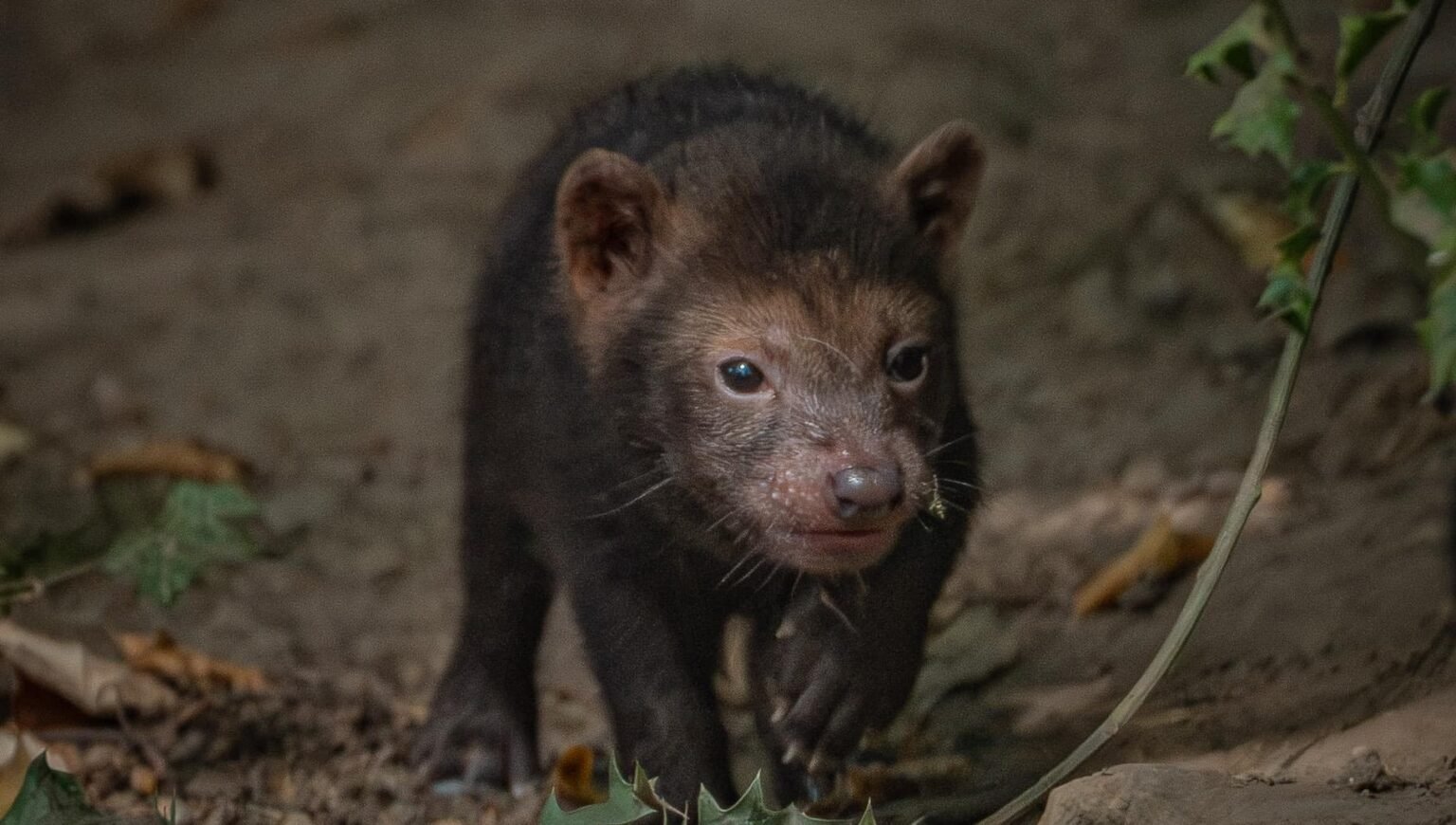


Five rare pups with webbed feet have made their public debut – after keepers first realised they had been born when they heard bird-like chirping.
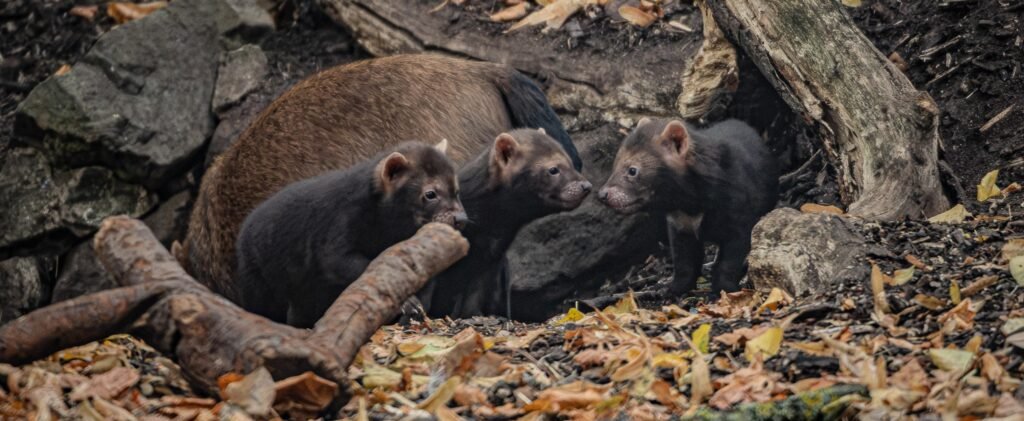
The tiny bush dogs have emerged from their underground den at Chester Zoo for the first time.
Keepers have nicknamed the month-old youngsters “little furry potatoes” because they spend much of their time toddling around before collapsing into a heap together.
READ MORE: Photographs capture dolphins and octopus going to war off British coast
The five pups are the only litter of bush dogs born in the UK this year.
They were welcomed by four-year-old mum Molly following a 65-day pregnancy and are being raised alongside dad Charlie and their older siblings.
Each pup weighed between just 120g and 150g at birth – roughly the same as a tin of sardines.

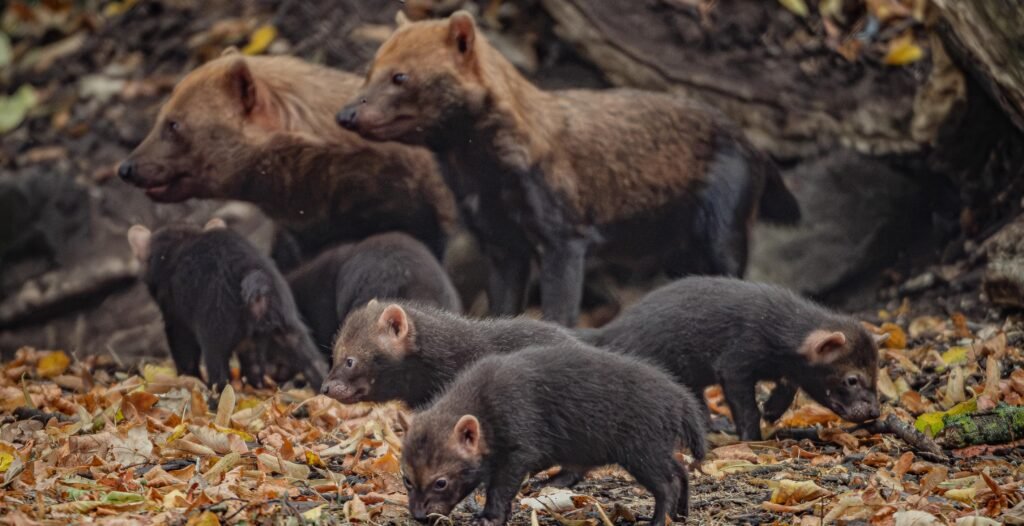
Keepers initially left Molly and her new family undisturbed inside one of three dens.
It meant they did not immediately know how many pups had been born.
One of the first indications of a successful birth came when staff heard the youngsters making high-pitched calls which sounded surprisingly like birds chirping.
The increasingly confident pups are now beginning to explore their enclosure under the watchful eyes of their family.
Richard Tyson, carnivore keeper at Chester Zoo, said: “At this stage, they’re just little furry potatoes.
“They toddle around a bit, but mostly they huddle together in a pile.
“It won’t be long before they’re eating solid food, and we’ll start providing them with little bits of chicken or rabbit to try over the next few weeks.”

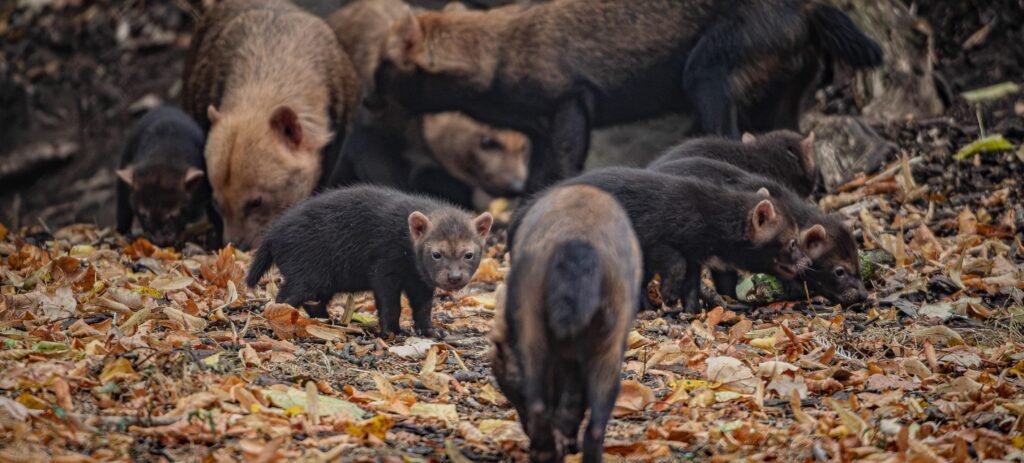
The pups’ older brothers and sisters have also been attempting to help care for the new arrivals.
However, their short legs make carrying the babies a difficult task.
Richard said: “The older brothers and sisters like to move the little pups around, but they have quite short legs, so they can’t lift them fully off the ground.
“They get bumped around a bit and then you hear a lot of squeaking.
“That’s when Molly comes over and tells them off.
“Dad Charlie has been protective too.
“It’s all normal – the family is getting along well and the pups look healthy.”

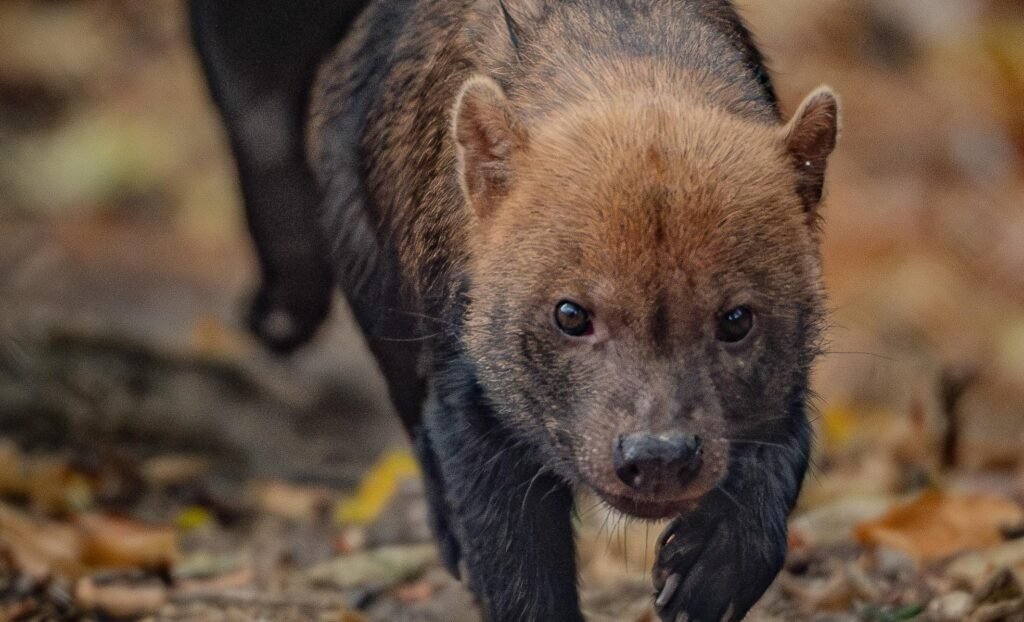
Bush dogs are small wild canines native to parts of Central and South America.
Adults stand just 25cm to 30cm tall and normally weigh between 5kg and 8kg, giving them a squat, terrier-like appearance.
Despite their name and appearance, they are not a breed of domestic dog.
They are the only surviving member of the scientific genus Speothos and are believed to be closely related to the much taller maned wolf.
The species was initially described using fossils discovered in Brazilian caves and was mistakenly believed to be extinct before living animals were identified.
Bush dogs have partially webbed feet which make them powerful swimmers and help prevent them from sinking into muddy riverbanks.
They can also dive beneath the surface while pursuing prey.
The sociable animals live in extended family packs containing up to 12 individuals.

Their bird-like whistles and chirps allow them to keep in contact while moving through thick forests where visibility can be poor.
Their preferred meals include large South American rodents such as pacas and agoutis, although groups can also tackle capybaras and other animals much larger than themselves.
Research has indicated that a bush dog’s bite can be around half as strong as a grey wolf’s, despite the wolf being many times larger.
They also have unusual cutting teeth adapted to eating meat.
Another of their more peculiar habits involves performing a form of handstand while scent-marking.
Females can reverse towards a tree and raise their hindquarters into the air to leave their mark higher up the trunk.
The behaviour is thought to make the small animals appear larger to rivals.

In Brazil, the species is known as the cachorro-vinagre – or “vinegar dog” – possibly because of the distinctive smell of its urine.
Bush dogs can live for between 12 and 14 years in zoos.
However, spotting one in its natural habitat can prove extremely
Chester Zoo estimates that wild numbers have fallen by more than 25% in just 12 years.
The animals are threatened by habitat destruction, hunting, dwindling prey numbers and diseases transmitted by domestic dogs.
Agricultural expansion, including land being used for soy production, is placing further pressure on habitats in which the animals live.
The five Chester pups form part of a European conservation breeding programme intended to maintain a healthy and genetically diverse population.
Twenty-five bush dog pups have been born across Europe this year, meaning the Chester litter accounts for a fifth of the total
READ MORE: Driver catches WALLABY hopping down road on way to work