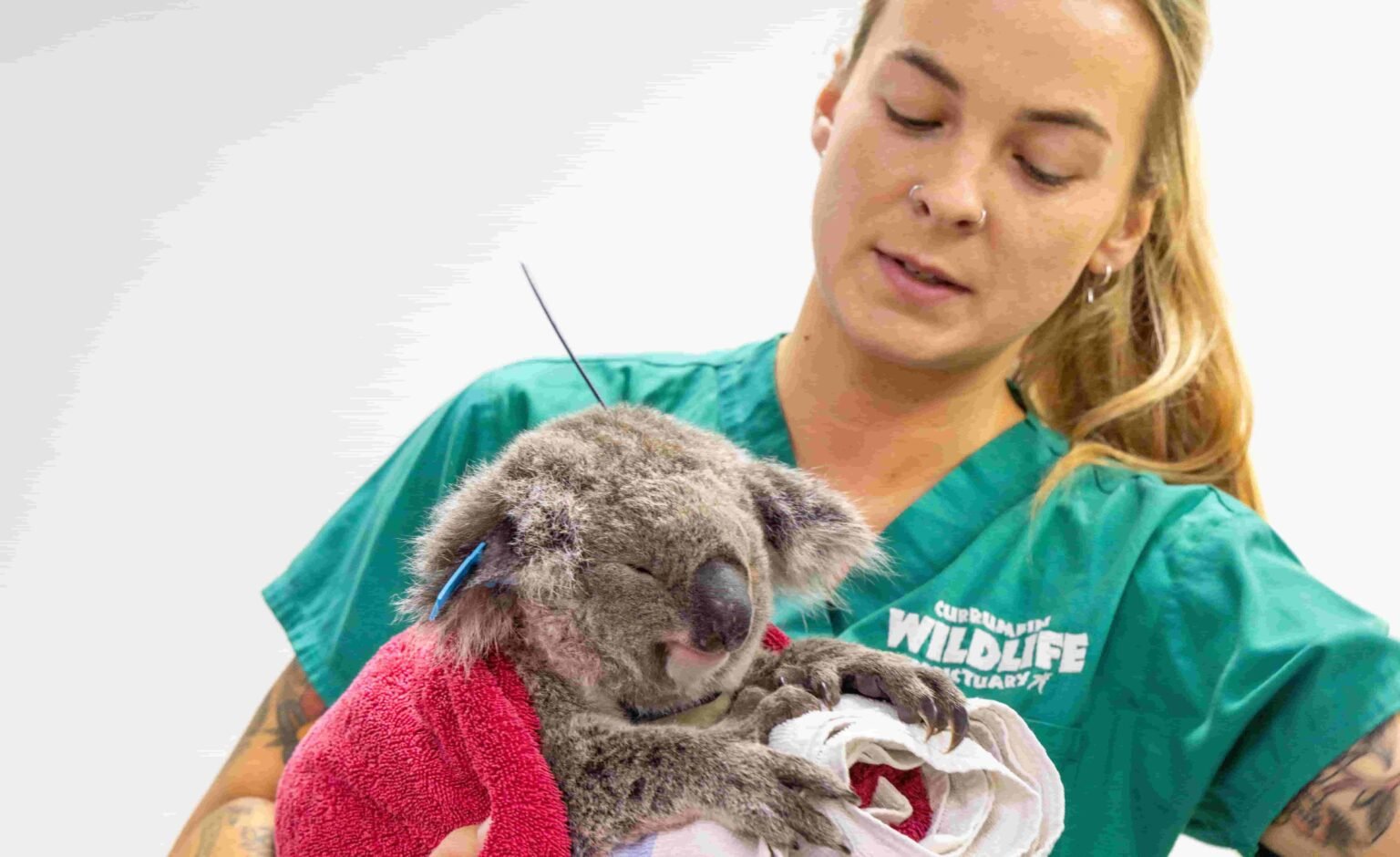


A young koala has become the first in the world to receive a pioneering chlamydia vaccine implant in what scientists are calling a “massive breakthrough” in the fight to save the iconic species.
The 18-month-old female, named Bamse – Norwegian for “teddy bear” – received the revolutionary biodegradable implant after being captured in Burleigh, Queensland.
The implant, developed by researchers at Queensland University of Technology (QUT), means wild koalas no longer need to be captured twice to receive the life-saving two-dose vaccine.
READ MORE: Startled staff chase cheeky seagull after it nicks shop doorstop
Instead, the second dose is automatically released around 30 days later, dramatically reducing stress on the animals while making mass vaccination campaigns far more practical.
After undergoing the procedure at Currumbin Wildlife Hospital, Bamse was returned to the wild on the very same day wearing a GPS collar so researchers can monitor her progress over the next six months.

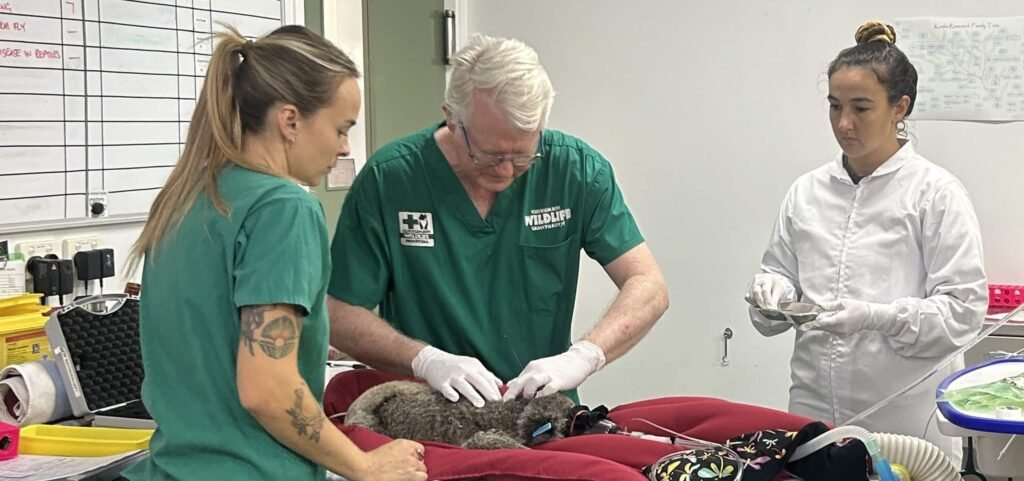
She is one of five wild koalas to receive the implant so far.
Researchers say both Bamse and another koala have already been recaptured for their one-month health checks and remain chlamydia free.
The disease is one of the biggest threats facing Australia’s koala population, causing blindness, infertility, urinary tract infections and, in many cases, death.
Scientists hope protecting young females like Bamse will allow them to reproduce safely, helping vulnerable populations recover.

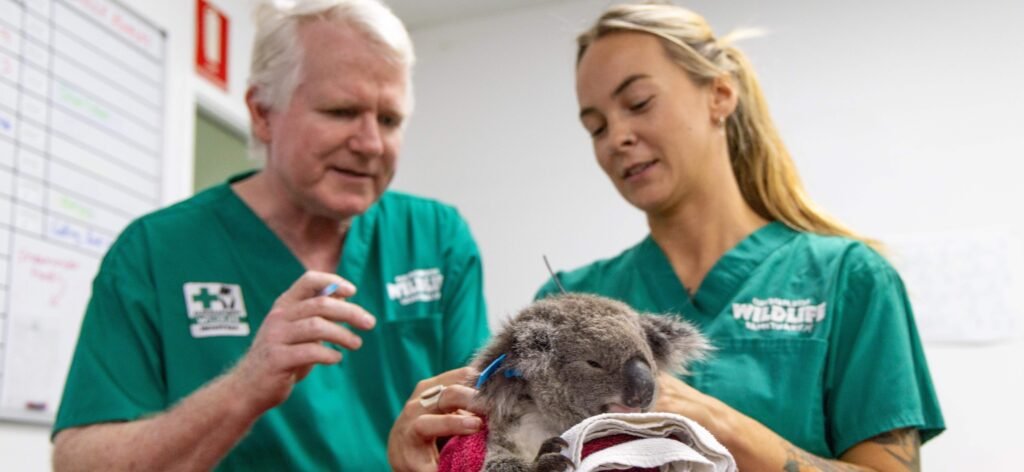
Senior veterinarian Dr Michael Pyne described the achievement as a “massive breakthrough”.
He said: “We’ve been working with vaccines against chlamydial disease in koalas for over five years now and this is a massive breakthrough where we are turning a two-injection vaccine into an injection and an implant that can be all applied in one examination.
“It’s truly a remarkable moment.
“Bamse was a great candidate, a young female koala, the poster child for the future of the species.
“To protect her with the vaccine implant is exactly what we want to be doing.

“We’ll be monitoring her over the next six months.
“It’ll be exciting to see her when she gets her first joey.”
Dr Pyne said the vaccine needed to be rolled out widely to protect at-risk koala populations across Australia.
QUT researcher Dr Freya Russell, who helped administer the implant, described the moment as years of research finally paying off.
She said: “It wasn’t just a procedure.
“It felt like a turning point where all of the research setbacks and persistence over the last few years have finally come to the point where we can make a real-world impact.”

Researchers believe the technology could eventually be adapted for many other animal vaccines and medicines that currently require multiple doses.
The vaccine programme has already delivered dramatic results.
More than 500 koalas have been vaccinated through the project, including over 30 young koalas in Elanora on Queensland’s Gold Coast.
Back in 2020, more than 70 per cent of koalas admitted from the area to Currumbin Wildlife Hospital were infected with chlamydia.
Since the vaccination programme began, chlamydia admissions from the region have fallen by 75 per cent.

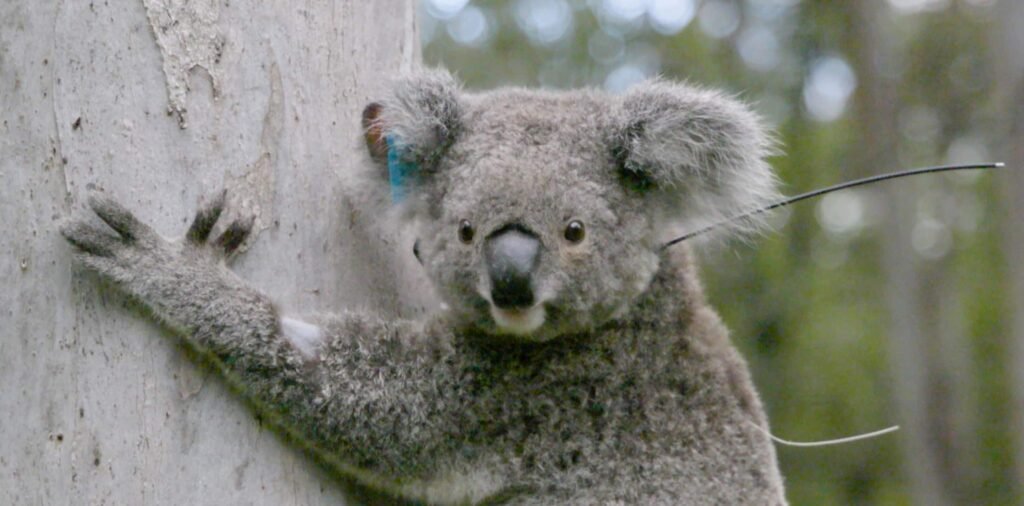
Researchers also say the population has enjoyed a baby boom, with 41 joeys and 13 grand-joeys born in what was once one of Queensland’s worst-affected koala populations.
An independent report prepared for the Queensland Government also backed the vaccine, concluding it had significantly reduced chlamydial disease and deaths in vaccinated wild koalas while proving large-scale vaccination is feasible.
Researchers now hope the implant will allow the programme to expand into other heavily affected regions where the disease remains widespread.