

Dolphins and octopuses are going to war off the British coast as concerns over an increasing population are raised.
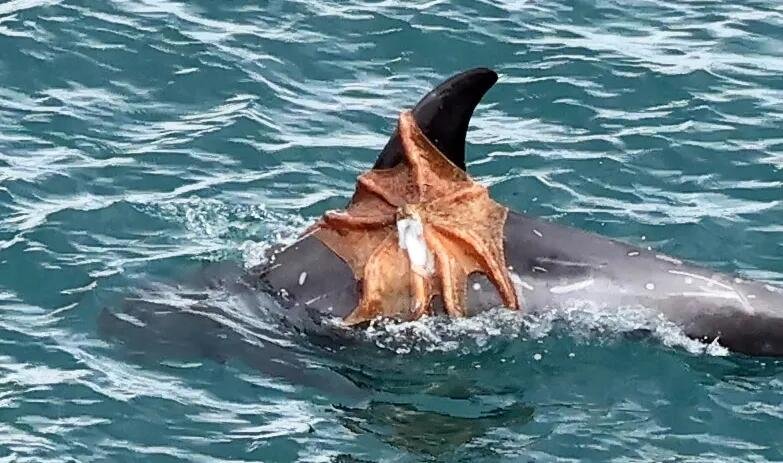
Incredible photographs show a close encounter between a Risso’s dolphin and a common octopus.
The octopus wrapped its arms around the dolphin’s dorsal fin and appeared to hitch a ride.
READ MORE: Driver catches WALLABY hopping down road on way to work
It happened off Berry Head, Devon.
The remarkable sighting comes as scientists investigate unusually high numbers of octopuses being recorded around the Southwest coastline.
Risso’s dolphins are one of the UK’s least understood cetaceans and are known to feed primarily on squid and other cephalopods, as reported by Whats The Jam.

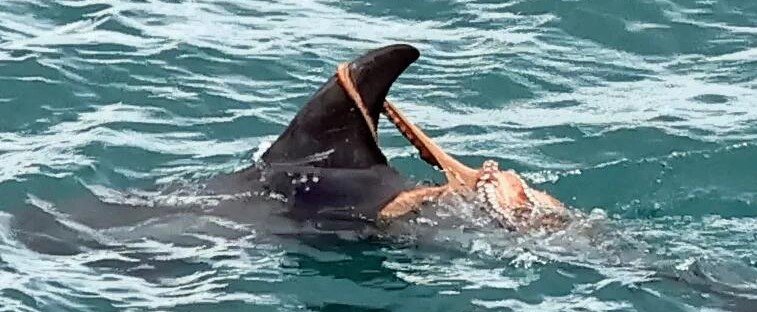
Researchers are now examining whether the recent abundance of octopus could be creating new feeding opportunities for the dolphins.
The sighting comes amid growing interest in an apparent octopus bloom reported around the Southwest coast over the last year.
Although common octopuses are native to UK waters, they are usually rare, making this the largest bloom recorded in at least 75 years.
Marine Biological Association researchers found the 2025 bloom was exceptional in both size and geographical spread after surveying fishermen, divers and snorkellers.
Evidence suggests the population likely originated from breeding grounds near the Channel Islands and northern France, with currents carrying young octopuses into UK waters.

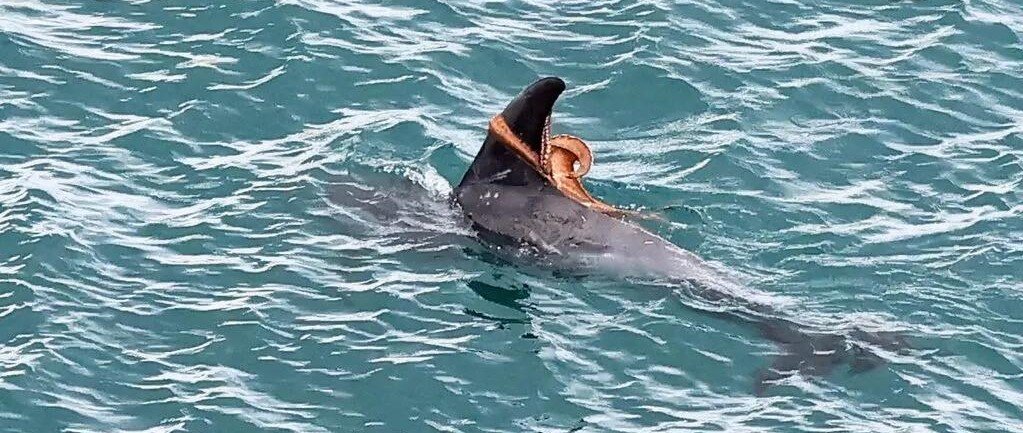
Warmer sea temperatures appear to have played a key role, raising concerns that similar events could become more common as the climate changes.
The observation also forms part of research into Risso’s dolphins across the region, led by University of Exeter MSc researcher Josh Symes using photo identification.
Josh said: “These photographs offer a fascinating glimpse into the feeding ecology of Risso’s dolphins and the changing marine environment around our coasts.
“Risso’s dolphins are closely associated with cephalopods, and sightings like this help us understand how they are responding to changing prey availability.
“The images also highlight the value of citizen science, as observations from volunteers are helping us build a clearer picture of marine wildlife across the Southwest.”
Dr Bryce Stewart, Senior Research Fellow at the Marine Biological Association, said the continued reports of octopus were an important area of research.


He said: “Observations of interactions between Risso’s dolphins and common octopus help to demonstrate how shifts in the abundance of a species can ripple through the wider ecosystem.
“It’s a powerful reminder of how interconnected our marine environment is and why we need to continue studying it.”
The South-West Marine Ecosystems State of South-West Seas in 2025 Report also identified 2025 as an exceptional year for change in the region’s marine environment.
It described the common octopus ‘outburst’ as ‘outstanding’, noting that increased numbers had become a significant feature of the Southwest marine food web.

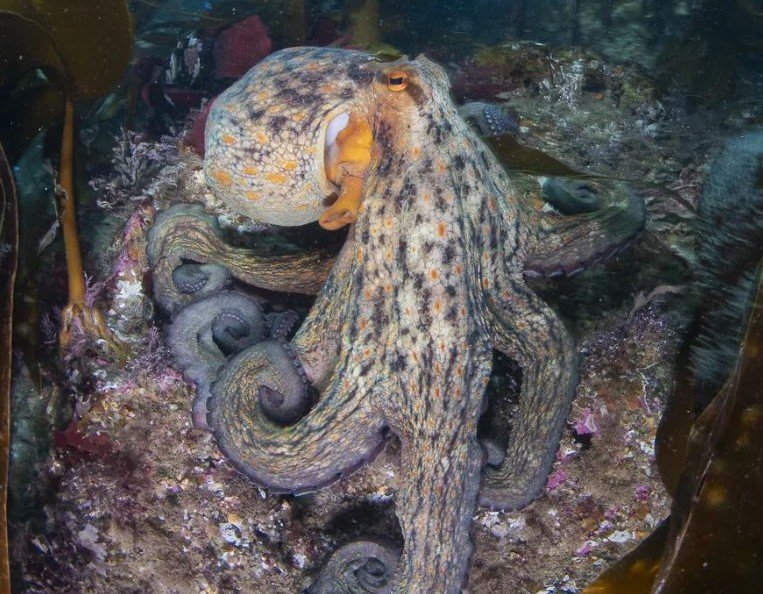
The report also recorded a continuing upward trend in effort-corrected Risso’s dolphin sightings, likely linked to higher numbers of cephalopods such as cuttlefish and octopus in coastal waters.
More broadly, it linked the changes to warming seas, marine heatwave conditions, shifting species distributions and changes to inshore fish, seabed and coastal wildlife communities.
Recent research led by University of Exeter visiting fellow Nicola Hodgins from marine charity Mara found that Risso’s dolphins around the British Isles form a single genetically distinct population.
Researchers hope continued monitoring of both species will improve understanding of how marine life is responding to environmental change in UK waters and help inform conservation management.
READ MORE: ‘I heard chirping I thought was my toddler’s toy – then a BABY SQUIRREL fell from the ceiling’