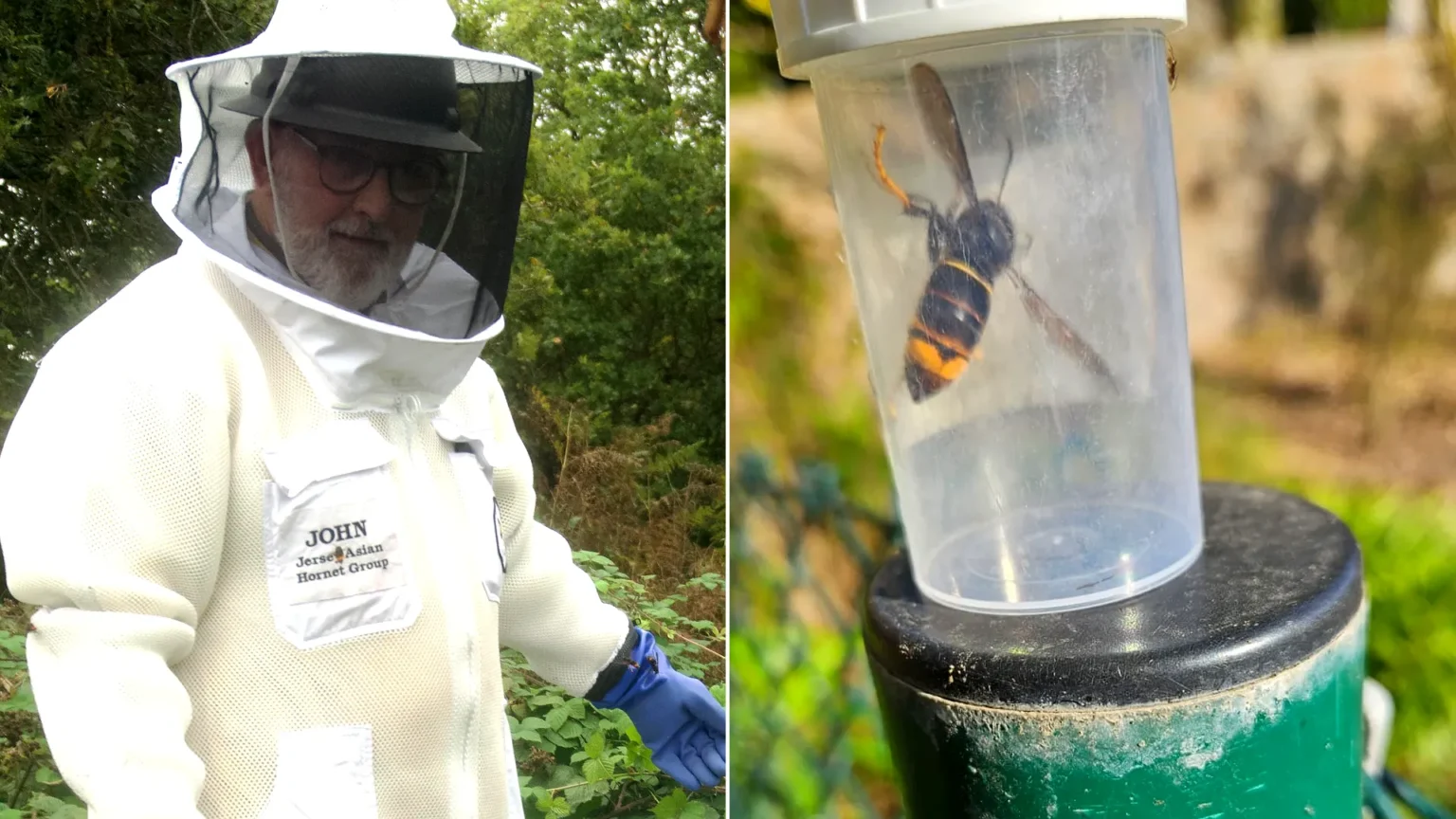

Britain faces a deadly new health risk after soaring cases of killer Asian hornet stings on a nearby island.
The invasive insects have become a public safety threat in Jersey, with officials warning that the likelihood of serious stings, including life-threatening reactions, is expected to rise.
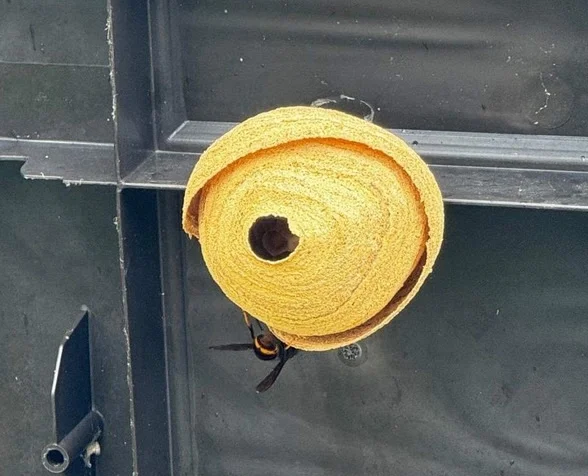
More than 800 nests have been identified on the island so far this year – a staggering 50 per cent increase on the same point in 2025.
READ MORE: Scottish island’s last male stoat FINALLY caught after drone hunt
- Advertisement -
Jersey’s Environment Minister Mary Le Hegarat said most nests had been destroyed but warned the battle against the pests had become about far more than protecting wildlife, as reported by What’s The Jam.
She said: “Asian Hornets are increasingly becoming a broader public safety issue requiring a coordinated response across government, public services, landowners, businesses, community organisations and volunteers.”
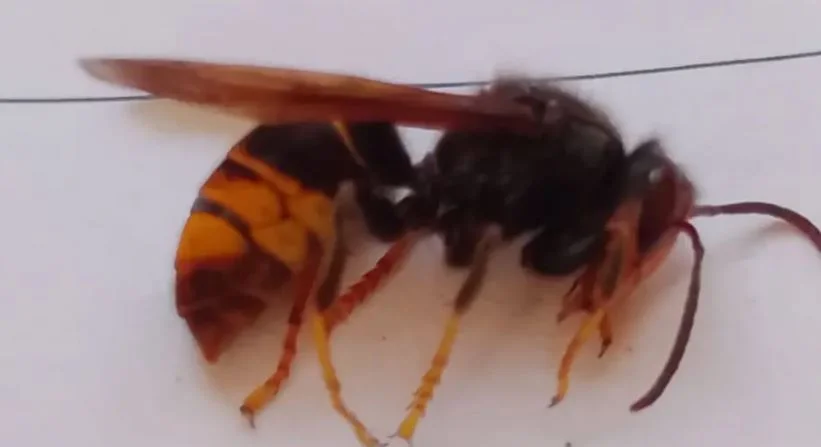
Government figures show 50 sting incidents were recorded in Jersey last year, including one confirmed case of anaphylaxis and several hospital attendances.
Officials expect around 1,000 nests could be discovered in 2026, with the island potentially capable of supporting as many as 2,000 in future.
The insects are particularly dangerous when people accidentally disturb their nests, with officials also reporting near misses involving members of the public, contractors and children.
- Advertisement -
Asian hornets have been linked to deaths in France and China.
The non-native predators also pose a serious threat to biodiversity, devouring insects including honeybees, butterflies and beetles.
Each nest can contain up to 10,000 hornets, raising fears over the scale of the threat as populations grow.
- Advertisement -
Jersey’s government is expected to spend £90,000 tackling the insects this year, up from around £74,000 in 2025 and £71,000 in 2024.
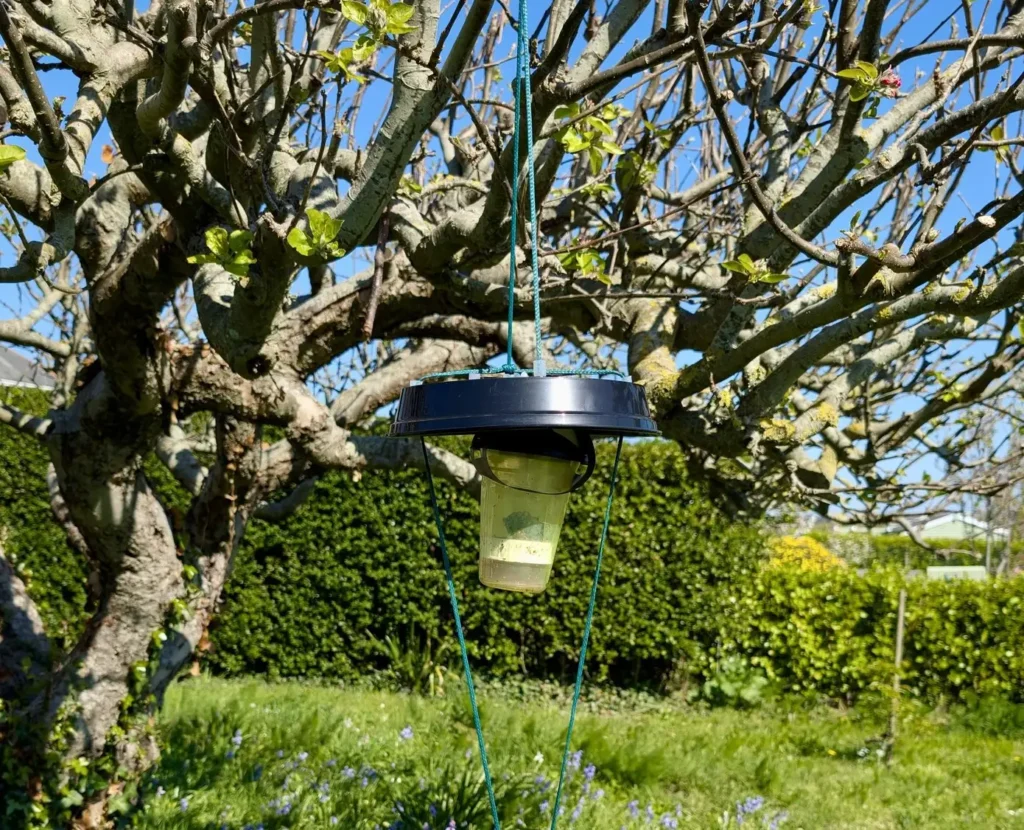
The cash will fund nest destruction, equipment and staff costs.
Officials have ruled out complete eradication as a realistic goal because established populations exist on Jersey and in nearby parts of France.
Instead, efforts are focused on tracking the insects, destroying nests and limiting the damage to wildlife, businesses and public safety.
The Channel Islands are seen as a potential stepping stone for the hornets to reach mainland Britain.
The first Asian hornets in the Channel Islands were reported in Jersey in August 2016, before the insects reached Guernsey just seven months later.
Now there are fears the pests could already be establishing themselves in Britain after a nest was discovered near Street, Somerset.
A beekeeper spotted a yellow-legged hornet near his hives in September.

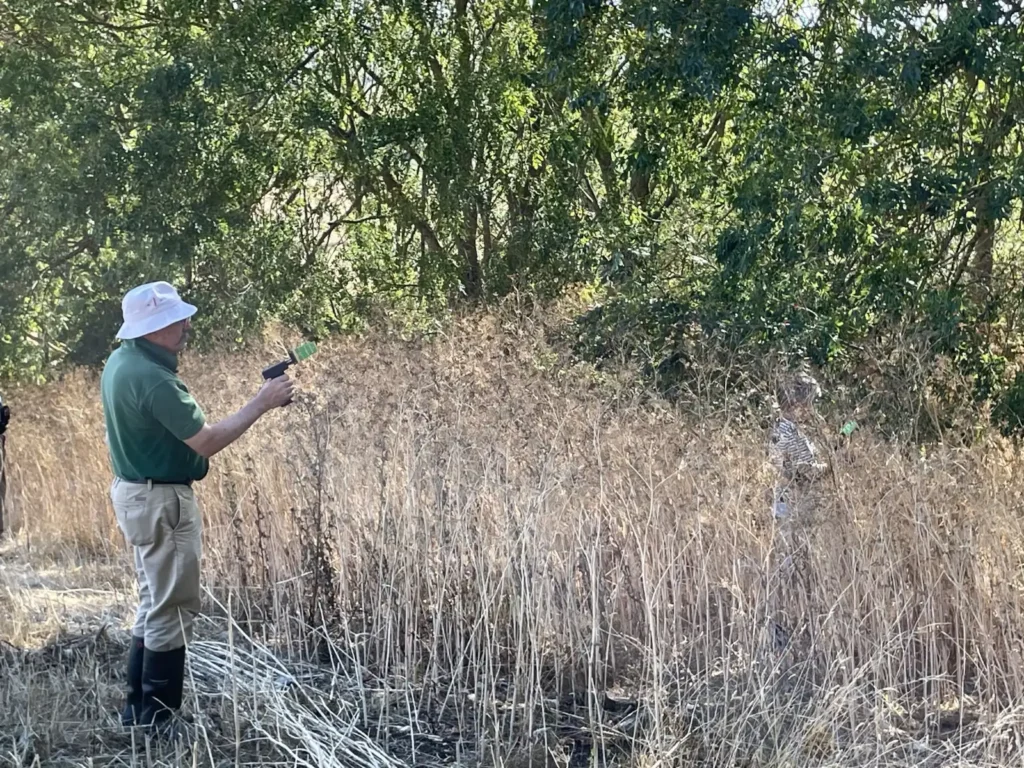
The insect was electronically tagged and tracked back to a nest hidden in a large bramble patch in nearby woodland.
A specialist team subsequently located and destroyed the nest.
The National Bee Unit is advising beekeepers to monitor their hives and carefully check wasps and European hornets nearby in case a yellow-legged hornet is among them.
READ MORE: Exotic RAINBOW slug found on UK beach stuns experts