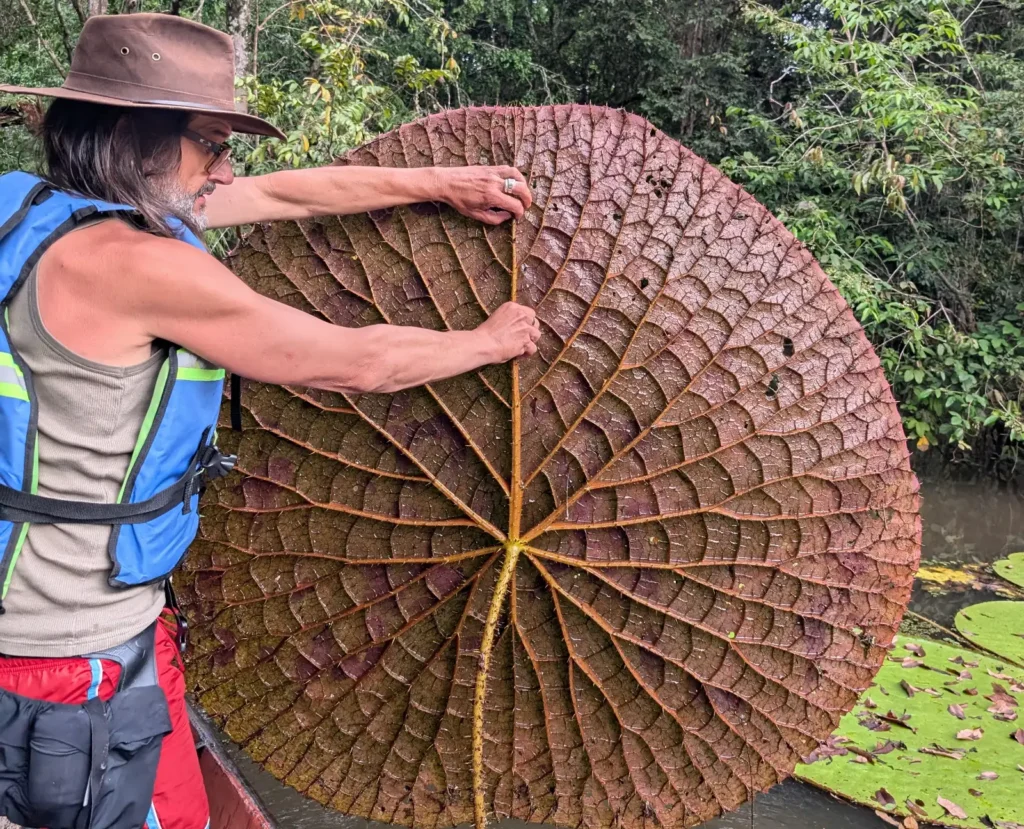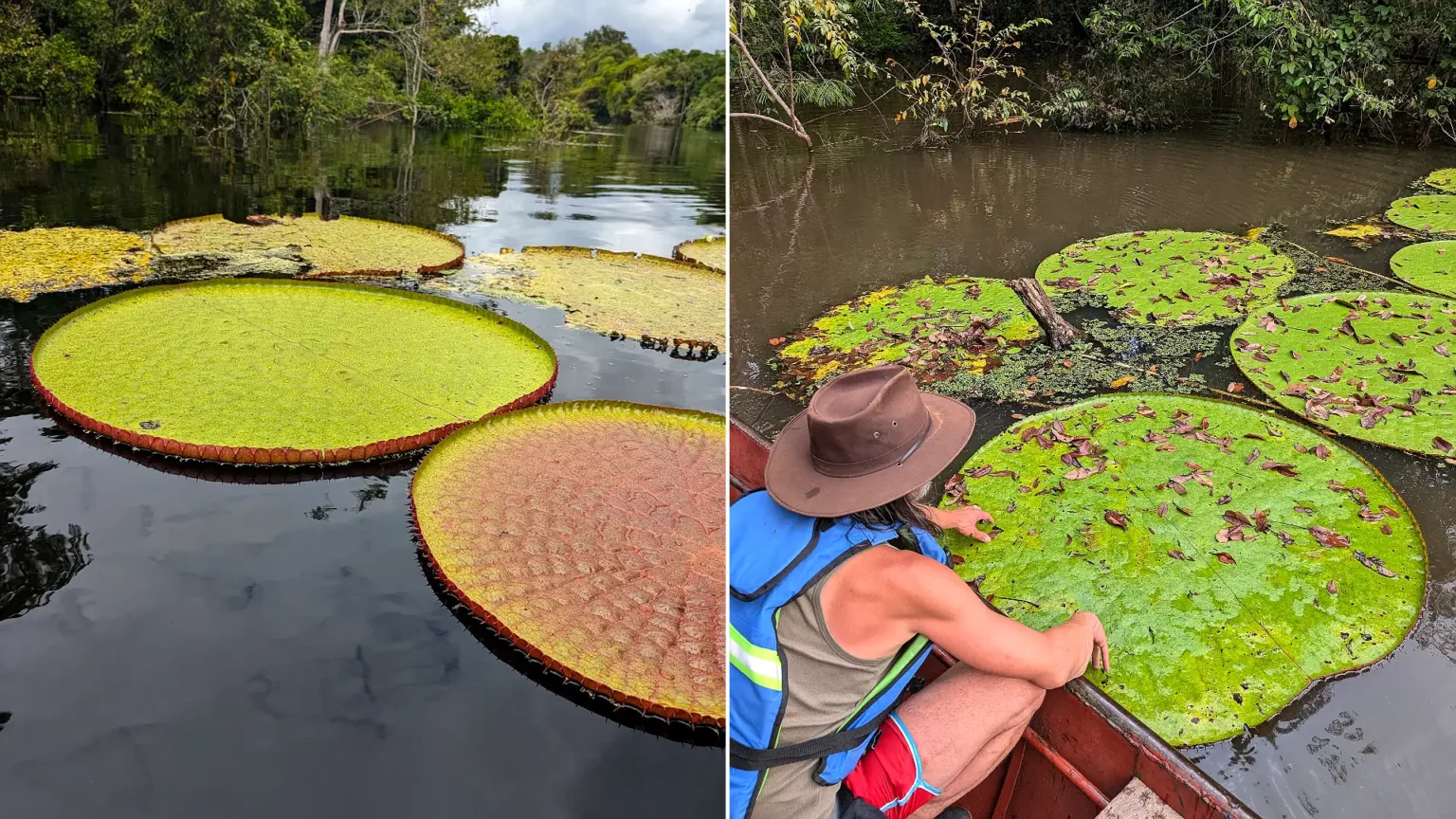


A giant new waterlily species so enormous it can be spotted from space has been discovered by British experts.
The Colombian giant waterlily, known by its scientific name Victoria colombiana,
produces enormous lily pads measuring up to two metres across.
READ MORE: Dolphins surprise lifeboat crew as pod swims alongside vessel during training exercise
It is also one of the oldest living lineages of flowering plants in the world.
But the critically endangered species was only discovered thanks to a chance Instagram post.

American plant enthusiast Jeremiah Harris shared photographs of waterlilies he had spotted in Colombia’s Inírida region, as reported by What’s The Jam.
The pictures caught the attention of Carlos Magdalena, a waterlily expert and horticulturist at the Royal Botanic Gardens, Kew, in London.
He suspected the plants could belong to an entirely new species because the known natural range of giant Victoria waterlilies did not extend to the region.
Using satellite imagery, he was able to confirm the presence of the enormous lily pads in nearby lakes before organising an expedition to investigate.
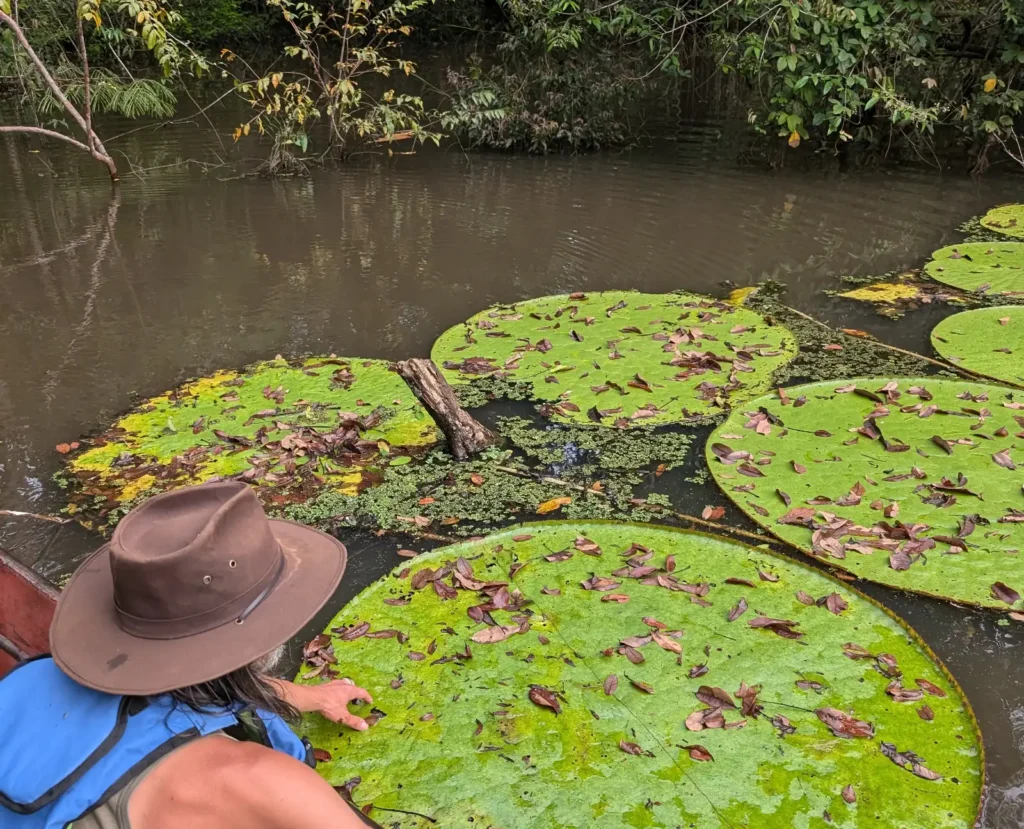
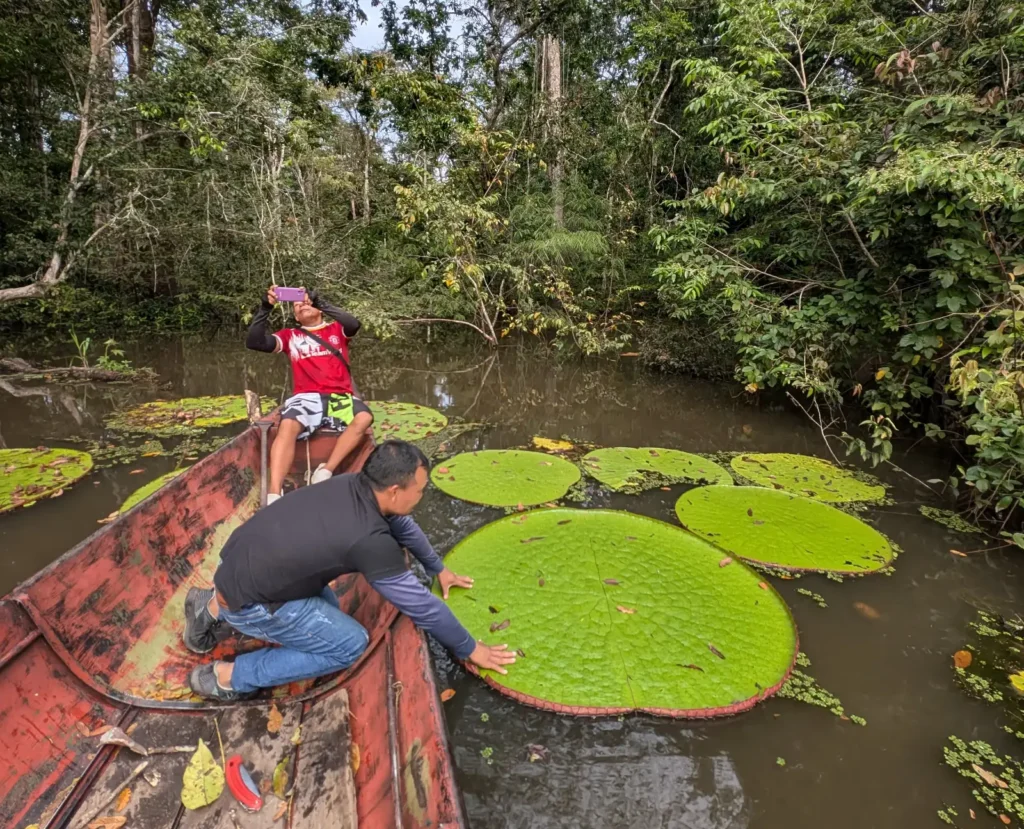
Working alongside Colombian botanists and members of indigenous communities, the team spent five days searching the flooded rainforest.
But with just two plants found and neither in flower, it looked as though the expedition would end without the evidence needed to formally identify the species.
Then, in a last-minute breakthrough, their indigenous boatman Gustavo Melo revealed he knew where more could be found.
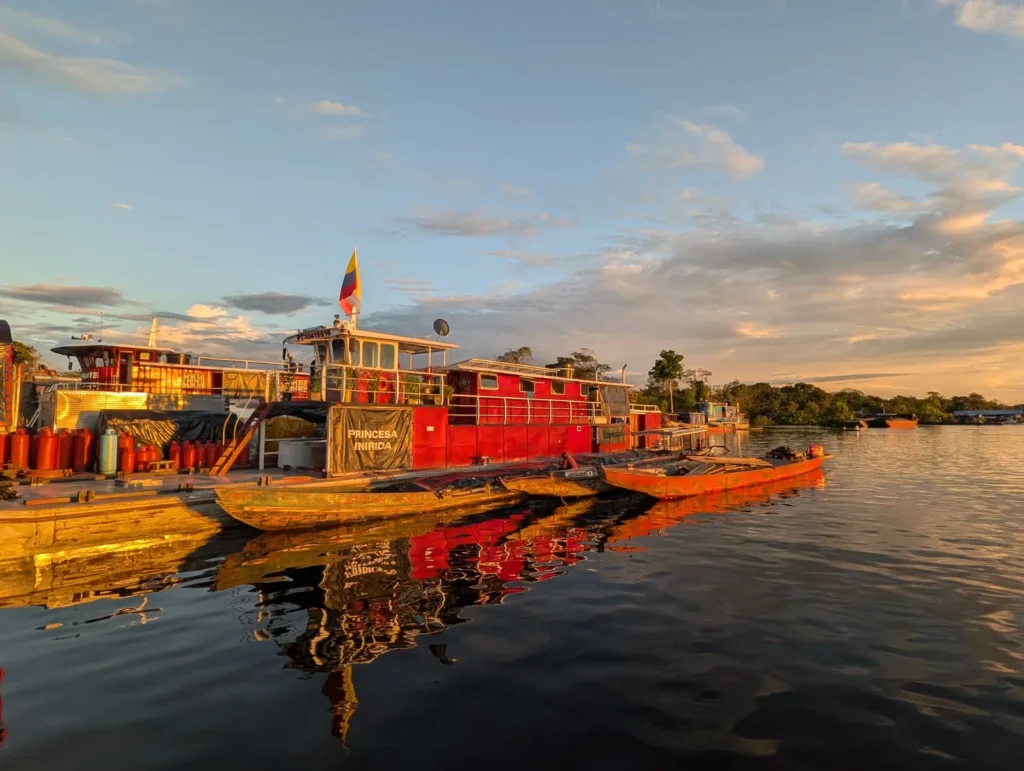
With just hours remaining before their return flight to Bogotá, the team set off at 1am in pitch-black darkness, travelling deeper into the flooded jungle.

Just before sunrise, they reached a remote lake and discovered five more giant waterlilies, including one in flower.
The find provided the crucial material needed to begin formally describing the species, with seven plants eventually documented across two lakes.
Researchers now estimate there could be just 30 to 50 individual plants growing in the wild, making the species extremely rare and potentially at risk of extinction.
Mr Magdalena said: “This is one of those extraordinary stories where indigenous and horticultural knowledge with the help of social media and technology came together to uncover a truly extraordinary botanical achievement.

“It is also a reminder that nature is still full of surprises and wonder.
“Now that we know this waterlily exists, our responsibility is to understand it better and protect it.”
Further analysis of satellite imagery has since revealed a third lake where the species is present, although researchers believe more plants could remain undiscovered.
The team hopes to collect seeds and cultivate the waterlilies in Colombia’s capital Bogotá, helping them learn more about the species and safeguard its future.
There are also hopes of establishing a protected population in a more accessible lake within indigenous territory, potentially supporting local eco-tourism.
Plant taxonomist Maarten Christenhusz, who helped oversee the scientific description, said: “New species are found all the time, but few are as large, spectacular and emblematic as this one.
“This new giant waterlily can even be seen from space, which is a striking reminder of how much we still don’t know about life on our planet.
“We can only conserve what we know exists, and discoveries like this show why exploring and understanding the natural world is so important.”
If conservation efforts are successful, the spectacular plant could one day be grown at Kew Gardens alongside its closely related giant waterlilies.
READ MORE: Neon-bright sea creature found on UK beach is one of the rarest ever