
A woman who has saved more than £100,000 has revealed the three “unhinged” methods used to reach her goal.
Hannah Bevington regularly shares tips and advice around being savvy on social media with her 30,000 followers (@hannahbevington ).
The 26-year-old has always been “very frugal”, though she upped her game a few years ago.
READ MORE: Brit woman scores designer handbag worth £246 for just £5 in charity shop
- Advertisement -
Now, she’s saved a whopping £100,000, despite earning just £20,000 a year, with some rather “unhinged” methods.
“My goal was always to maximise my ability to save and invest while still enjoying the things I loved,” Hannah, from Warwickshire, told Whats The Jam.
“For example, I would buy clothes and makeup and then sell items I didn’t need on Vinted.
“This allowed me to enjoy nice things while keeping my savings growing – it really felt like the best of both worlds.”
In a clip, which has racked up 102,000 views and over 7,000 likes, she reveals her saving methods.
- Advertisement -
BUY TWO OF EVERYTHING
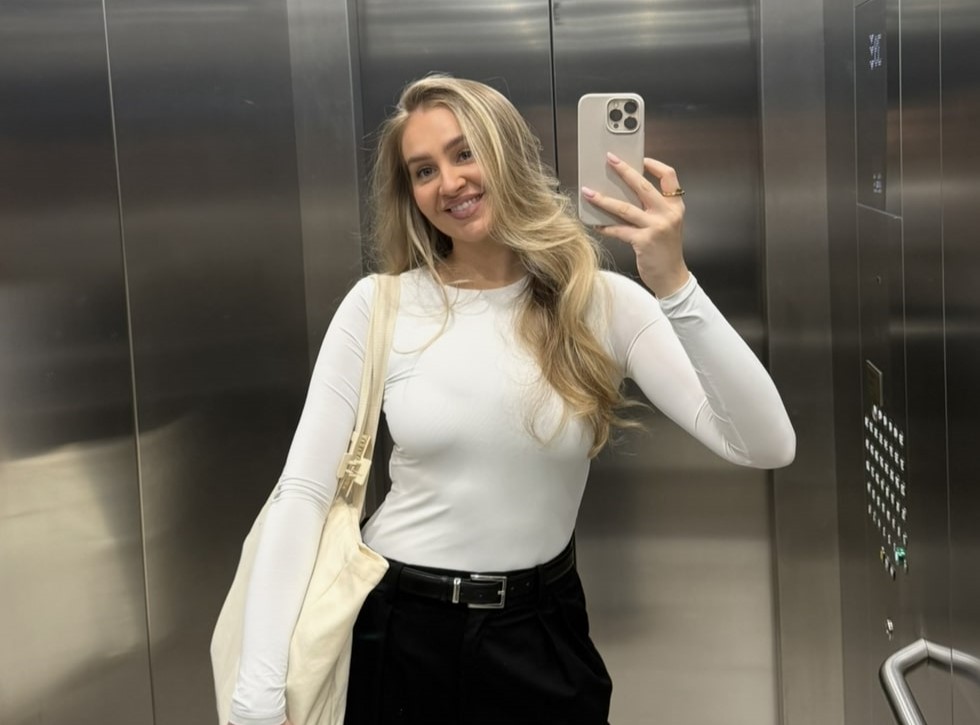
Hannah said: “Whenever there was a sale [like an end-of-season sale], if there was a top I liked and it was 50% off, I would buy that top.
“But I’ll also buy a second one just for the purpose of selling it on Vinted.
- Advertisement -
“I would [list it] on Vinted and then I would sell it for close to the retail price, because if you think [about it], a couple weeks later the sale was no longer on, so people were back to buying full price.
“So I would usually discount it by like 10 or 15 percent and then I would basically make money on it.
“Then that would also pay for the top that I just bought.
“So girl maths – it was free.”
NEVER PAY FULL PRICE
She added: “Second thing is that I would never let myself pay full price for items.
“You’ll see it now, but Zara constantly has sales.
“Like there is really no need to pay full price for something.
“But back in the day when I didn’t have a lot of money I would never ever pay full price for clothes.
“And the reason I would do this is because I always had the intention, in the future, of selling the item on Vinted.
“Ultimately, I got this product at a massive discount, so it meant that when I came to resell it, I was selling it for probably more than what I paid for it.
“Which was mad because you’re wearing a product but then also making profit, which probably isn’t a good thing.”
SPENDING POTS
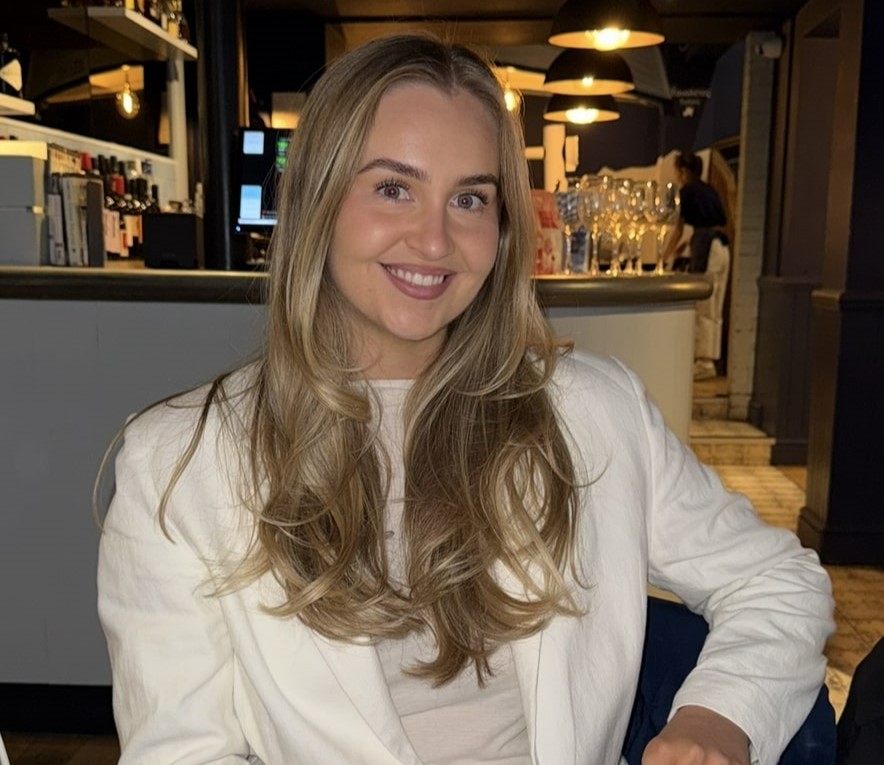
Hannah said: “Third unhinged frugal thing that I did was that I used to have a pot of money on my Starling bank account.
“And it was called ‘Vinted’.
“And basically [anything] I would sell on Vinted, I would put into this money pot, and this was my spending pot for clothes.
“And I would not allow myself to buy any new clothes unless it was from this pot.
“So I almost had to sell my wardrobe in order to buy more clothes.
“It was more just because I couldn’t afford to keep buying clothes all the time, but I was addicted to online shopping.
“And it was like a little game, because I [had to ask myself] if I could afford [items].
[If not], I needed to sell a few more things to get [it].”
Hannah claims she still sticks by some of these tips to help her save, including selling on Vinted.
She added: “If items aren’t being worn, it feels like a waste when I could sell them and use the money to buy better quality pieces that last longer.
“I’ve moved away from fast fashion, trendy items, and now use this approach to gradually upgrade my wardrobe with more timeless pieces.
“While my approach has evolved, selling on Vinted and focusing on quality purchases remains part of how I manage my money.”
Hannah’s desire to start her savings journey came from growing up with lots of anxiety around money.
She said: “My parents had to stretch their salaries to live in the more affluent area we did because they wanted a better life for both my brother and me.
“This meant money was tight growing up.
“Seeing them experience that made me realise I wanted to avoid the same stress.
“From the age of 17, I started being very frugal and keeping my expenses extremely low.”
Even while working on a beauty counter earning just £16,000 a year, she would still put up to £300 a month aside.
And by the time she was 19, Hannah had over £4,000 saved.
She said: “I became really motivated by the sense of financial security that saving gave me.
“And I loved knowing I had a solid foundation even at a young age.
“Over time, my priorities shifted, and when I turned 21, I invested the £4,000 I had saved into my Lifetime ISA.
“This is just my personal approach and not financial advice.
“I’ve continued to add to it almost every tax year, and in my experience, it has grown significantly over time.”
Hannah, who works in marketing, hopes the money saved – and her attitudes – will help to give her flexibility in the future.
She added: “My goal is to have the freedom to reduce hours or semi-retire one day if I want, without feeling financially restricted.
“Of course, I may also use some of it for life events, like a house deposit or wedding, but the main focus is on creating financial security and flexibility for myself.
Hannah’s top tip for saving? Use strict rules.
She said: “Review your expenses regularly.
“I track my spending over a few months to understand where my money is going.
“I personally use a version of the 50/30/20 rule for my monthly income after tax, National Insurance, and pension contributions.
“Around 50% goes to needs like rent, bills, and food, 30% to wants like treats or holidays, and 20% into savings.
“It helps me stay aware and in control of my finances.
“Keep your expenses as low as possible.
“Avoid getting trapped in high-interest debt, like car finance, as it can easily pile up.
“In my own experience, living at home for longer allowed me to save a large portion of my income in my early 20s.
“Pay yourself first – I set up direct debits to automatically move money into my savings or investment accounts.
“Even small amounts consistently saved can grow over time.
“For me, this has been one of the most effective ways to maintain financial security and steadily grow my savings.
“It’s about understanding my money, keeping consistent with saving, and finding a system that works for my lifestyle.
“Everyone’s journey is different, and this is simply what has worked for me personally.
“I’ve learned that even small habits, like selling items I no longer use, tracking my spending, and consistently saving, can make a big difference over time.”
READ MORE: ‘I bought a pair of designer shoes for a bargain and sold them for £115 PROFIT’