

A “highly motivated” mum-of-three has revealed how she is raising her children to be “overachievers” – including maths and spelling work before school, a ban on slang, and reading dictionaries for fun.
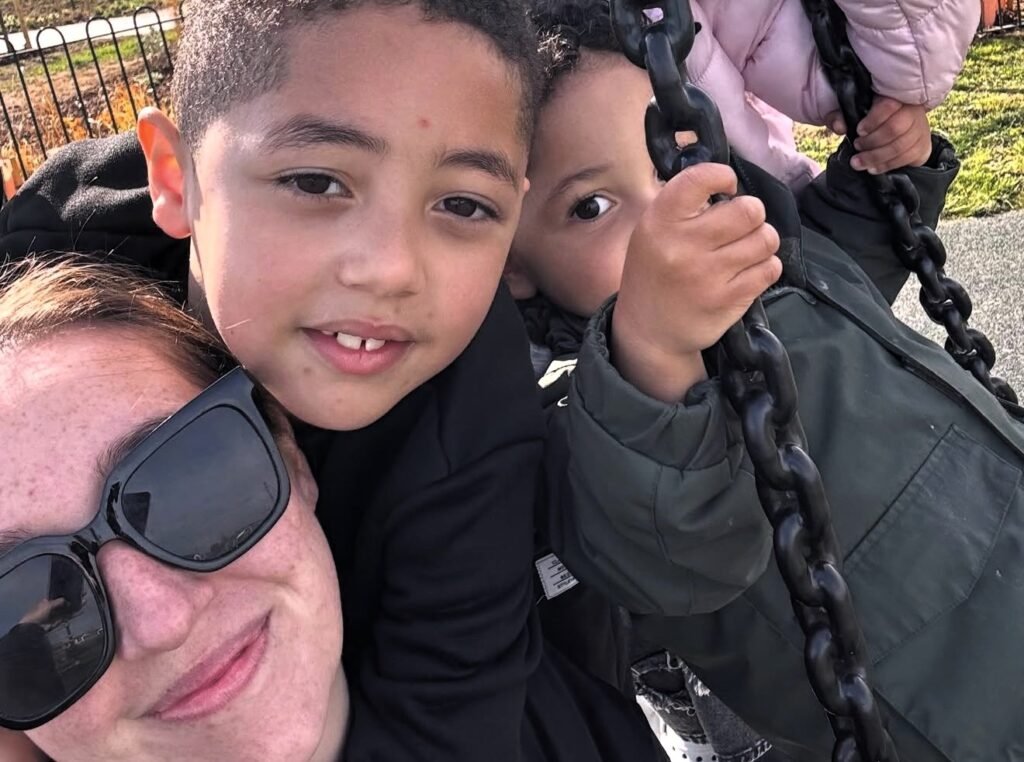
Rosie Graham encourages her children to excel academically, with a firm but fun approach to learning as a part of “every day family life”, rather than restricted to the classroom.
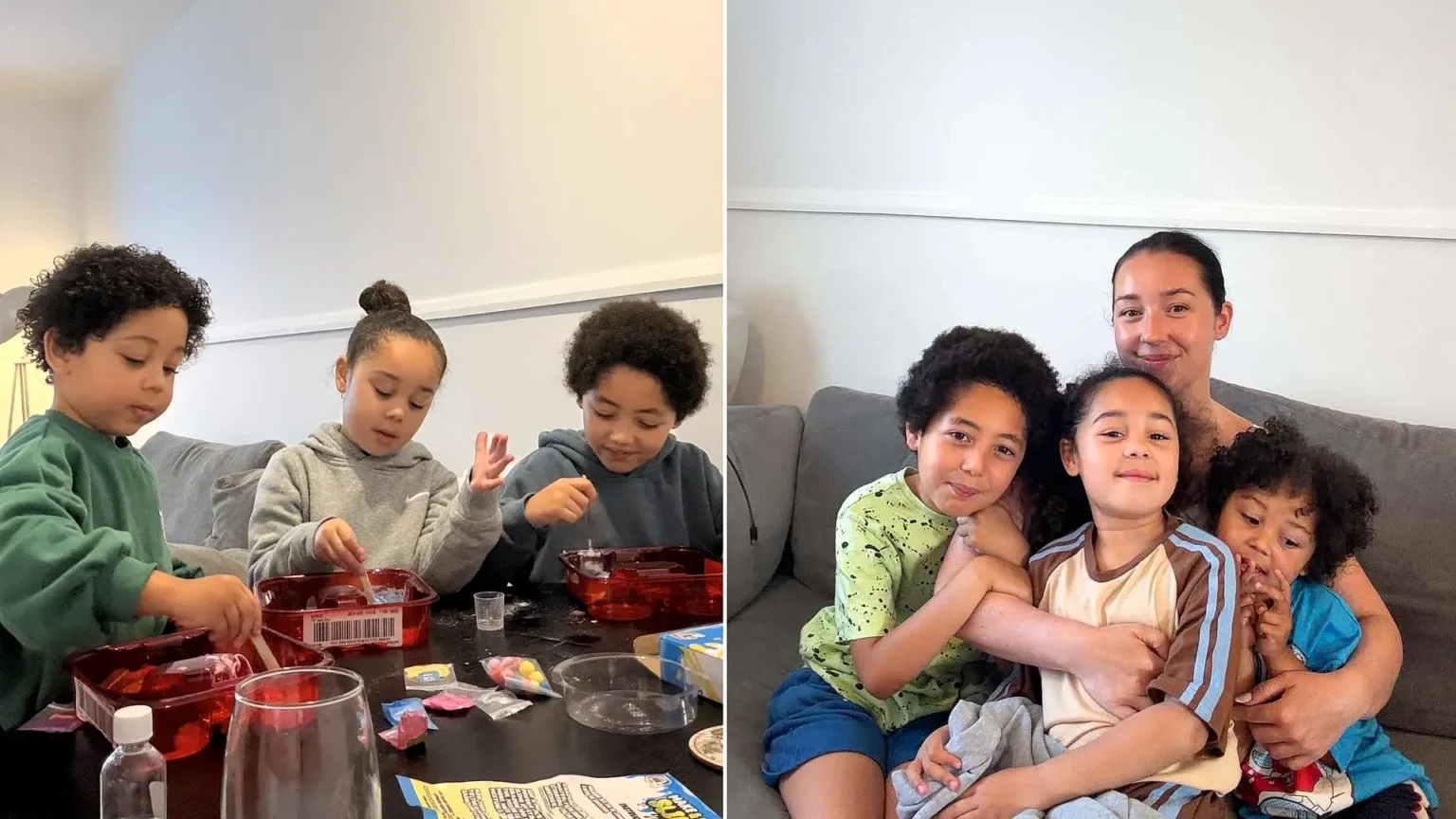
The 31-year-old, who is mum to Hunter, eight, Dakota, seven, and four-year-old Saint, says all three of her children are working above age-related expectations in several areas as a result – and have a “genuine love” of learning as a result.
READ MORE: ‘I’m expecting my third baby and refuse to spend thousands’
And her approach dates back as far as toddlerhood, with Rosie insisting on speaking in full sentences with no ‘baby talk’, reading daily to and with her children, and counting everything they could see to encourage maths skills.
“Given the right tools, children will flourish,” Rosie, a stay-at-home mum from Bedfordshire, told What’s The Jam.
“They [my children] were not born over-achievers.


“They were raised with structure, language, consistency and independence.
“All three of my children are working confidently for their ages.
“My eldest two are generally working above age-related expectations in several areas, and my youngest, who is due to start Reception in September, is also working above the expected level in many of the Early Learning Goals.
“What makes me happiest isn’t just where they are academically – it’s that they genuinely enjoy learning.
“They read for pleasure, ask lots of questions and are confident having a go at new challenges.”
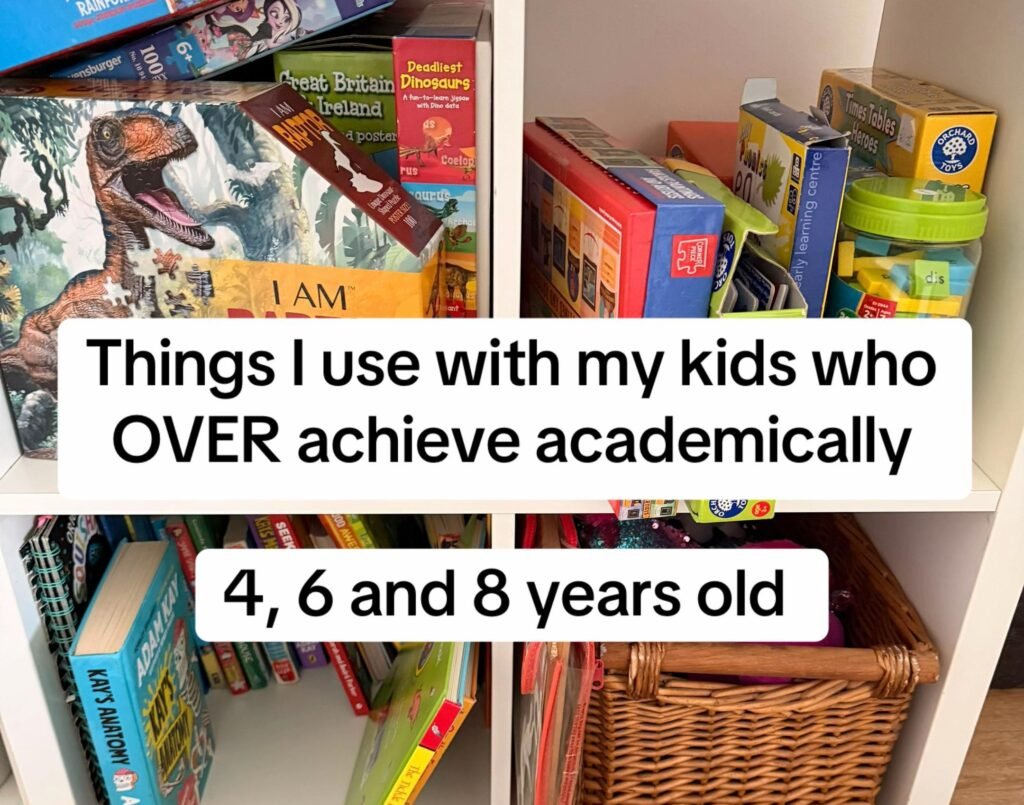
Rosie makes a point of encouraging her children to read every day, and normalise learning by demonstrating herself reading, researching or learning new skills, and by bringing things like counting in shops and list writing a part of their life.
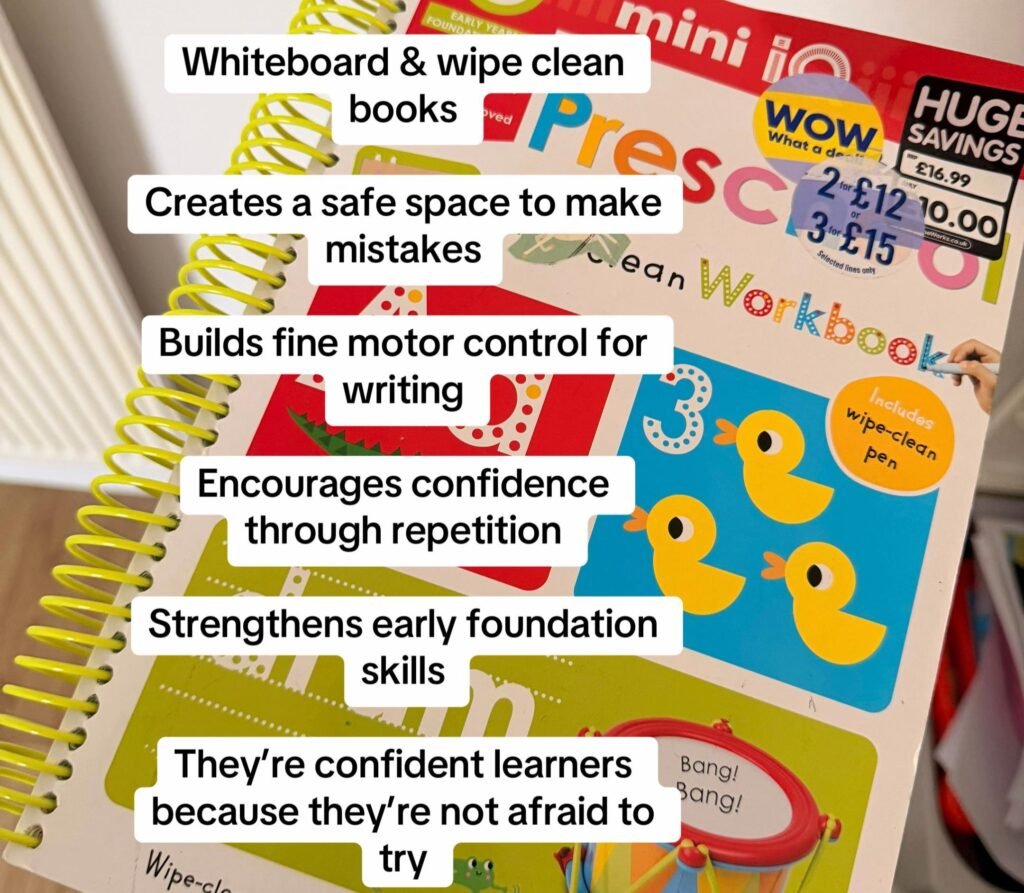
Before the school day starts, the family can be found practicing maths and spelling together, and dictionaries around the house are picked up for further learning opportunities.

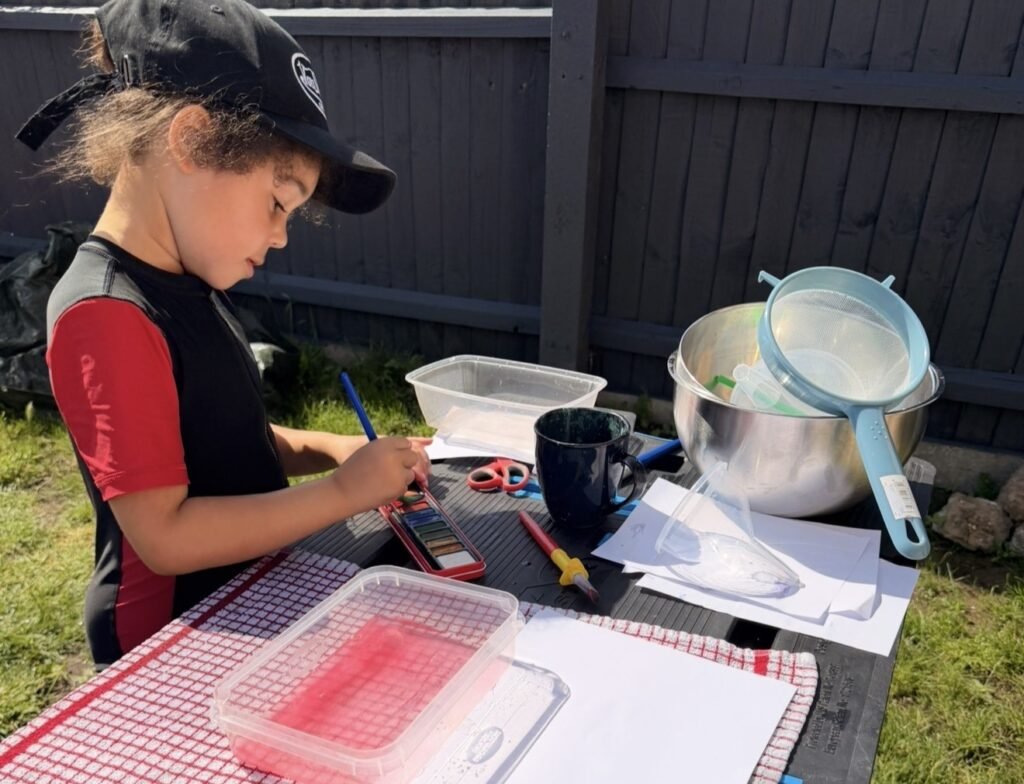
Meanwhile, after school, they visit libraries, play educational games and read together.
The knock-on effect is that they all have a genuine enjoyment for reading and education in general, according to the mum.
She added: “Learning doesn’t feel like a punishment or a chore in our house – it’s simply part of everyday life, and I think that’s why they’re naturally curious and enjoy finding out new things.
“I don’t recreate a classroom at home.
“If we practise maths or writing, it’s usually linked to what they’re already covering in school, helping them deepen their understanding rather than simply moving on to harder content.”
Similarly to when they were little and Rosie refused to use ‘baby talk’ to her children, she now discourages the use of slang by speaking in full, grammatical sentences.
She said: “I don’t think slang is inherently bad. Everyone adapts how they speak depending on the situation.

“What I do think is important is that children develop a broad vocabulary and understand when different types of language are appropriate.
“Being able to communicate clearly and confidently gives children more opportunities throughout life.
“Education [in general] opens doors.
“I don’t believe academic success is the only measure of success, but I do want my children to have as many opportunities as possible in life.
“Strong reading, writing, communication and problem-solving skills benefit children whatever career they choose.
“Some people assume I’m putting pressure on my children or expecting perfection.
“That’s never been my aim.
“I don’t believe in rushing children through year groups or filling every spare minute with worksheets.
“I believe children benefit from reading regularly, asking questions, being curious and having parents who take an active interest in their education.
“For me, helping my children do well academically isn’t about creating pressure – it’s about giving them confidence, opportunities and a genuine love of learning.”
Rosie recommends fellow parents search the national curriculum expected standard framework to see what the child should be learning at each age or year group.
She checks this to see what each child should know, and works on the specific curriculum points with her children outside of school hours.
From there, she is able to help them exceed expectations with the additional support.
And, crucially, she recommends praising the child for their effort regardless of the outcome.
Rosie added: “I think there’s sometimes a misconception that supporting your child’s education means taking away their childhood.
“That couldn’t be further from our reality.

“We still play, visit parks, bake together, go to museums, enjoy family days out and spend lots of time outdoors.
“Learning is simply woven into everyday life rather than replacing childhood.
“If there’s one message I’d love parents to take away, it’s that you don’t need to be a teacher to help your child succeed.
“So much of supporting learning comes down to being intentional – reading together, asking thoughtful questions, encouraging curiosity and taking an interest in what they’re learning at school.
“Ultimately, my goal isn’t to raise children who simply get good grades.
“It’s to raise children who are kind, curious, resilient and confident enough to make the most of whatever opportunities come their way.”