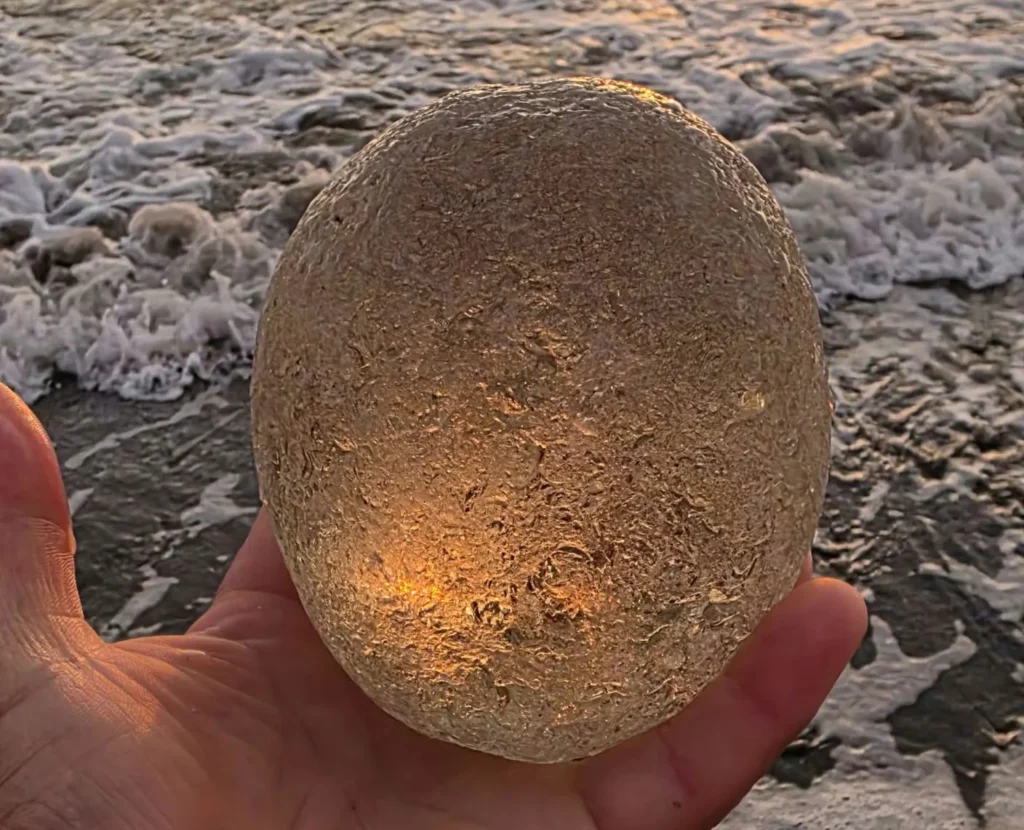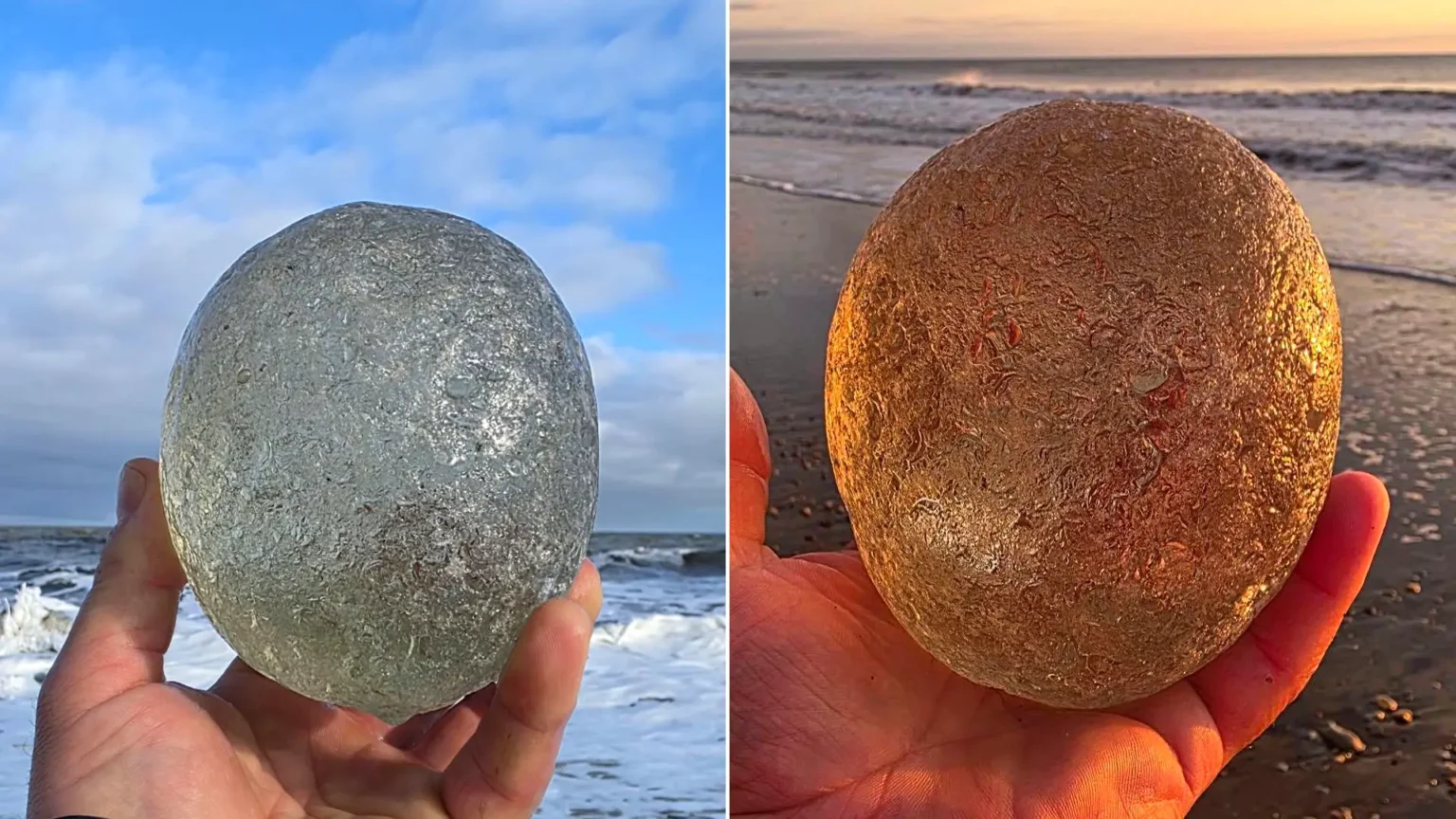

A beachcomber struck gold after finding a gigantic piece of sea glass that has been polished by the waves for more than a century.
Paul Garbutt discovered the enormous crystal-clear object on a beach near Seaham, County Durham.
The 59-year-old said it was the biggest piece of sea glass he had ever come across, describing the stunning find as a “massive thing”.
READ MORE: US sandwich chain opens first UK restaurant with plans for 400 sites
- Advertisement -
The glass is thought to have come from one of the Victorian factories which once operated along the Durham coast, as reported by What’s The Jam.
Paul said: “I’m a professional beachcomber and this is the biggest seaglass I have ever seen.

“It’s a massive thing.
“It’s glass from the Victorian glass factories.
“It’s probably been in the sea for over a century.
- Advertisement -
“It will have been polished by the waves.
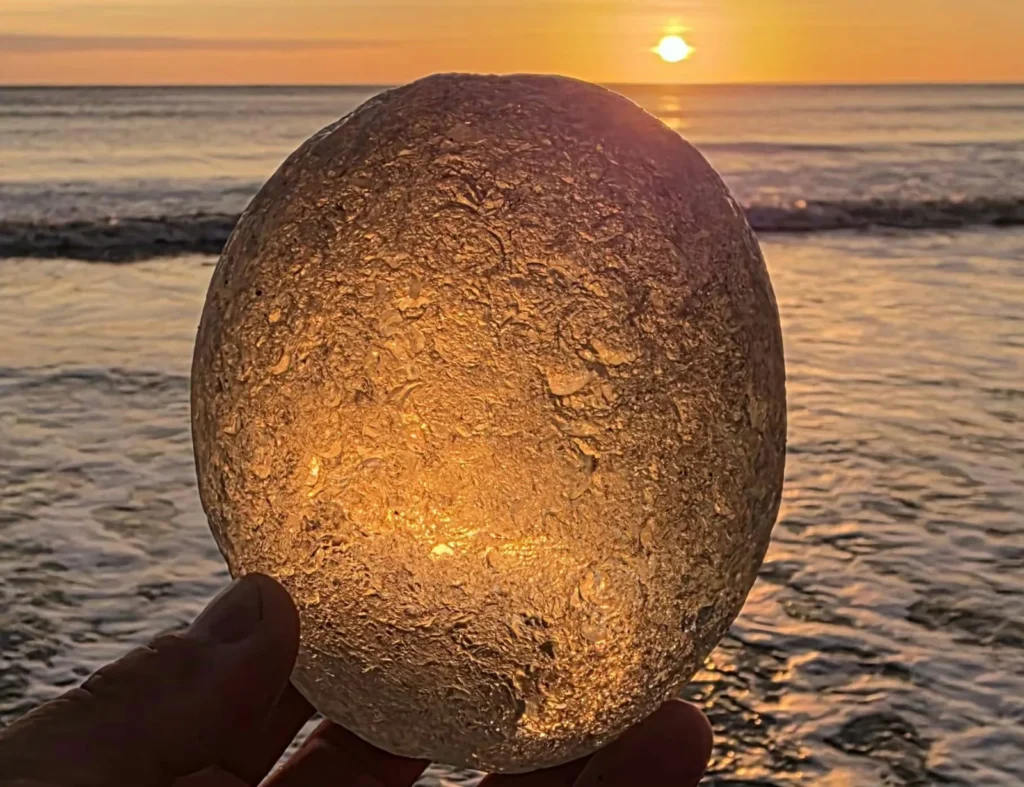
“People come from all around the world to try and find a piece.”
Seaham is famous among collectors for its sea glass, which originated from the area’s historic glassmaking industry in the 19th and early 20th centuries.
- Advertisement -
One of the best-known sites was the Londonderry Bottleworks, opened by John Candlish in 1853.
The factory produced huge quantities of hand-blown bottles before closing in 1921, with discarded glass waste dumped into the North Sea.
Over decades, the waves transformed the jagged fragments into smooth, frosted pieces which wash up along the coastline.
But not all sea glass is worth the same – with rare colours and unusually large pieces particularly prized by collectors.
Common clear, green and brown fragments generally have little individual value, while rare shades such as red, orange, yellow and turquoise can command much higher prices.
Multicoloured glass, known as ‘multi’ or ‘end-of-day’ glass, is especially sought after because of its distinctive swirls and layers.
Individual rare pieces can sell for tens of pounds, with exceptional examples fetching more than £100.
Specialist jewellery featuring Seaham glass can sell for upwards of £110.
The value depends on more than colour, however.
Collectors also look for naturally frosted surfaces, smooth edges, unusual shapes and size.
READ MORE: Tesco revives Christmas markets in hundreds of stores and starts hiring