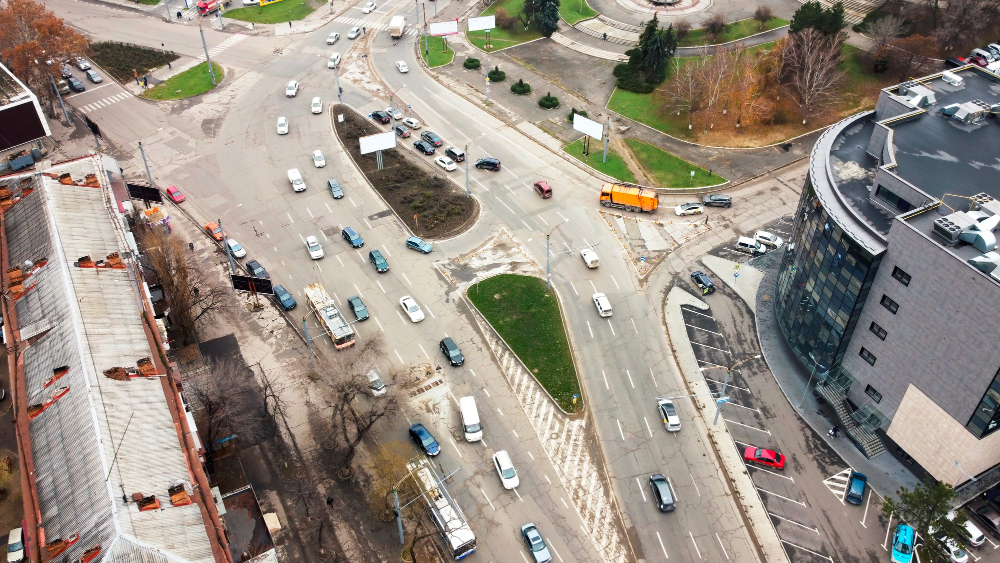


Rideshare accidents continue to rise in the US. According to The Business Standard News, transportation experts think that rideshare cars are involved in about 3 to 4 percent of all traffic accidents in big cities.
A rideshare passenger stepping into an Uber for a short trip across town may not think twice about the intersections along the route. The Federal Highway Administration (FHWA) reports that intersection-related crashes account for approximately 41 percent of all crashes that have been reported across the United States, while more than 50 percent of crashes occur in urban areas and about 22 percent of fatal crashes happen at intersections.
Rideshare cars also reduce the number of people supporting public transport systems, which are better regulated, more efficient, and more environmentally friendly, according to Phoenix Uber accident attorney Luis P. Guerra. When an application is frequently used for rides, it leads to more emissions, increased risk of accidents, and careless driving on the part of a fatigued driver. Other consequences of the continued usage of rideshare applications include increased congestion and wear and tear on both the roads and vehicles.
Legally, it is more complex when exploring the aftermath of an Uber accident at an intersection compared to a regular car accident.
Let’s discuss how intersections create dangerous situations for people riding Uber or other rideshare applications.
Why Intersections Create Higher Risk for Rideshare Vehicles
Intersections function as points where various types of road users must go through their limited space. But why are intersections dangerous?
The intersection pavement is a spatially allocated space for pedestrians, cyclists, trucks to deliver packages, buses, and cars to travel in their own time or according to a signal based on the traffic condition. The FHWA report says that more than the open-road segments, intersections generate more conflict points, resulting in higher crash rates at those locations.
The American Journal of Epidemiology published research, which the CDC indexed, that analyzed trip-level rideshare data in New York City and discovered that every 100 additional rideshare trips in a specific area during one hour raised the likelihood of an injury crash that involved either motorists or pedestrians by 4.6 percent. The study findings show that rideshare pickup and drop-off activity at busy intersections raises local crash exposure. Keep in mind that the said relationship between the two factors remains established through research rather than official national standards.
Urban intersections face sightline restrictions. The driver loses sight of cross traffic when parked trucks, landscaping trees, signage, and tall buildings obstruct the view. A driver who exercises caution in those situations will face difficulties related to timely reaction.
Common Causes of Uber Accidents at Intersections
The crash numbers at these locations see multiple factors that create their patterns. The main reason for accidents is commonly attributed to driving distractions. A rideshare driver needs to manage three things at once. They have to glance at the GPS application, manage the Uber platform, and also talk to their passengers.
A study published in The Journal of Safety Research discovered that one-third of the rideshare driver respondents reported experiencing a work-related crash. Some of the factors that increased the likelihood of crashes were drivers who used cell phones, drove when drowsy, and drove in unknown areas. When a driver diverts their eyes off the street to look at a yellow signal or make a left turn, the collision risk is highly increased.
Another common traffic infringement is the violation of right of way. A driver who decides to turn left, for example, will be the cause of an accident if he or she fails to gauge the other car’s speed. A situation can become dangerous when drivers run red lights, roll through stop signs, and speed through yellow lights that are about to change. Drivers face dangerous conditions when rain and fog and glare decrease their ability to see and lose control of their vehicles.
How Traffic Patterns Increase Rideshare Exposure
Rideshare drivers mainly independently operate within urban boundaries downtown and into the entertainment districts. These drivers also take advantage of airport corridors since the demand for their services is heavy in these areas. Research on ridesourcing and curb management has discovered that vehicles that make multiple pickups and drop-offs create more intersection conflict situations compared to vehicles that make one direct drive to their destination. Drivers and nearby individuals face increased danger of accidents with each additional curb interaction that occurs during high traffic conditions.
Liability After an Uber Intersection Crash
Fault in an intersection crash is rarely obvious. To determine who broke the right-of-way rules, investigators study traffic camera footage together with vehicle telematics, witness statements, and police reports. The analysis extends to Uber’s insurance system when the case involves an Uber accident. Uber provides third-party liability coverage worth $1,000,000 when a driver is either en route for a pickup or actively engaged in transporting a passenger. Uber provides $50,000 in insurance coverage to any individual who sustains injuries. The company provides $100,000 with regard to the general incident expenses and $25,000 for damages sustained to property. Drivers lose Uber coverage when they operate their vehicles for personal use since their personal auto insurance policy becomes active.
State governments control rideshare driver regulations through transportation network company laws, which operate in each state. Operations of trucks and heavy vehicles are regulated by the Federal Motor Carrier Safety Administration. The rules established by state regulatory bodies for rideshare services differ in insurance obligations and operational requirements.
How an Attorney Helps After a Rideshare Intersection Accident
Ridesharing attorneys must act without any delay concerning preserving any evidence in preparation for a lawsuit. The evidence that these lawyers try to gather includes dashcam footage and any surveillance video. The legal team determines the appropriate insurance coverage that was in effect when the accident happened, which includes sending necessary documents to the rideshare company while communicating with claims adjusters who want quick settlements at low costs. Lawyers representing clients with severe injuries will hire both accident reconstruction specialists and medical experts to create complete assessments of all damages and future medical expenses.
Accidents involving Uber vehicles at intersections impose some legal issues that extend beyond just usual automobile accidents. After an accident has taken place, it is important to take several steps. The primary requirement is that victims of ridesharing accidents seek medical care and document the scene of the accident. The victim must keep a copy of their rideshare travel receipt. They must not provide any recorded statement to an insurance adjuster until you consult a qualified rideshare injury attorney. The lawyer will assist you in determining the correct insurance tier while working to protect key evidence.