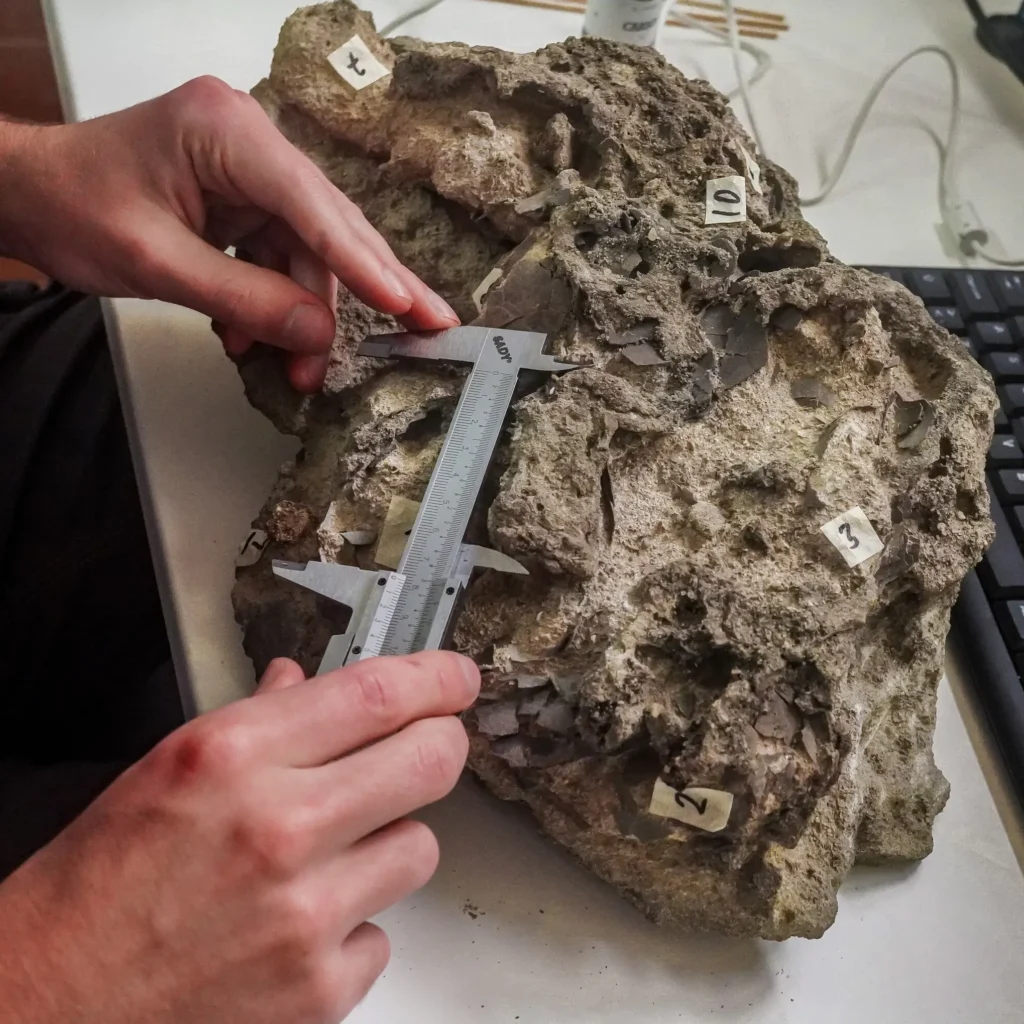
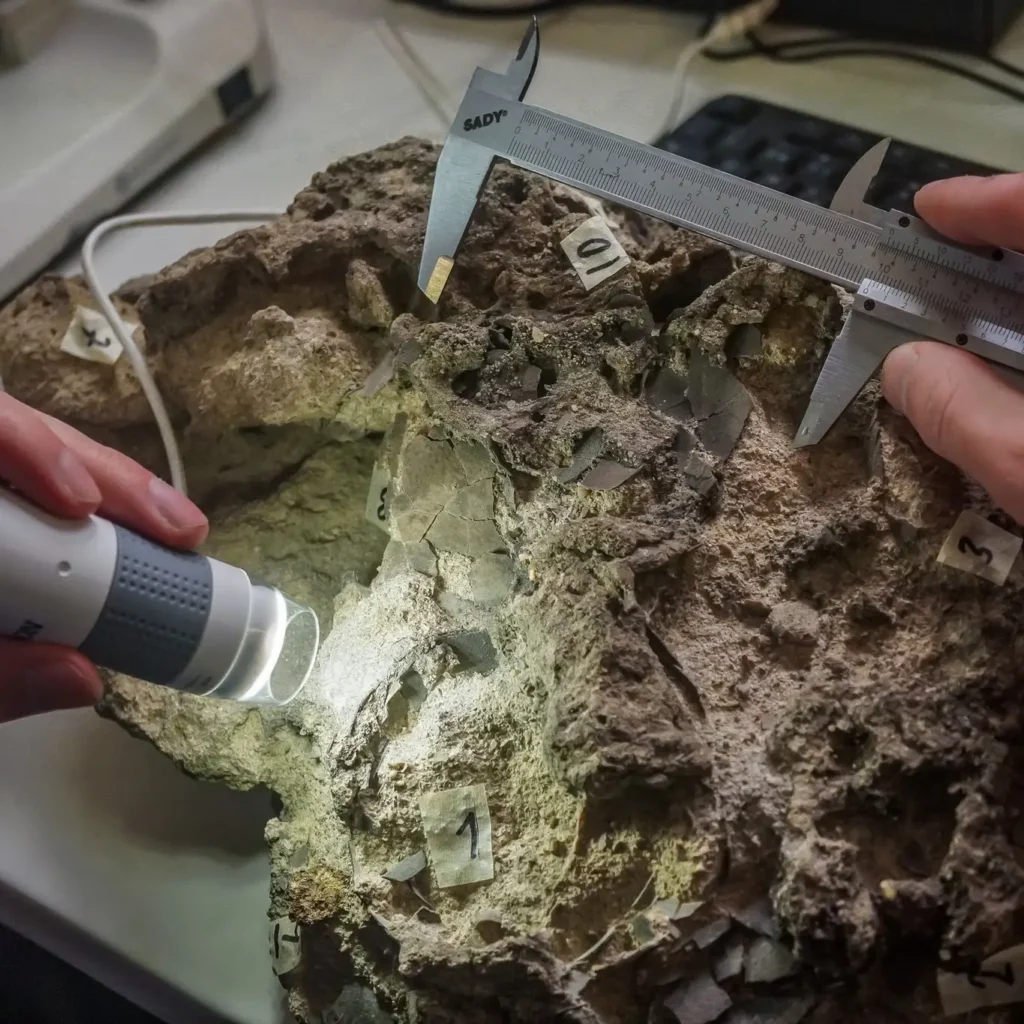
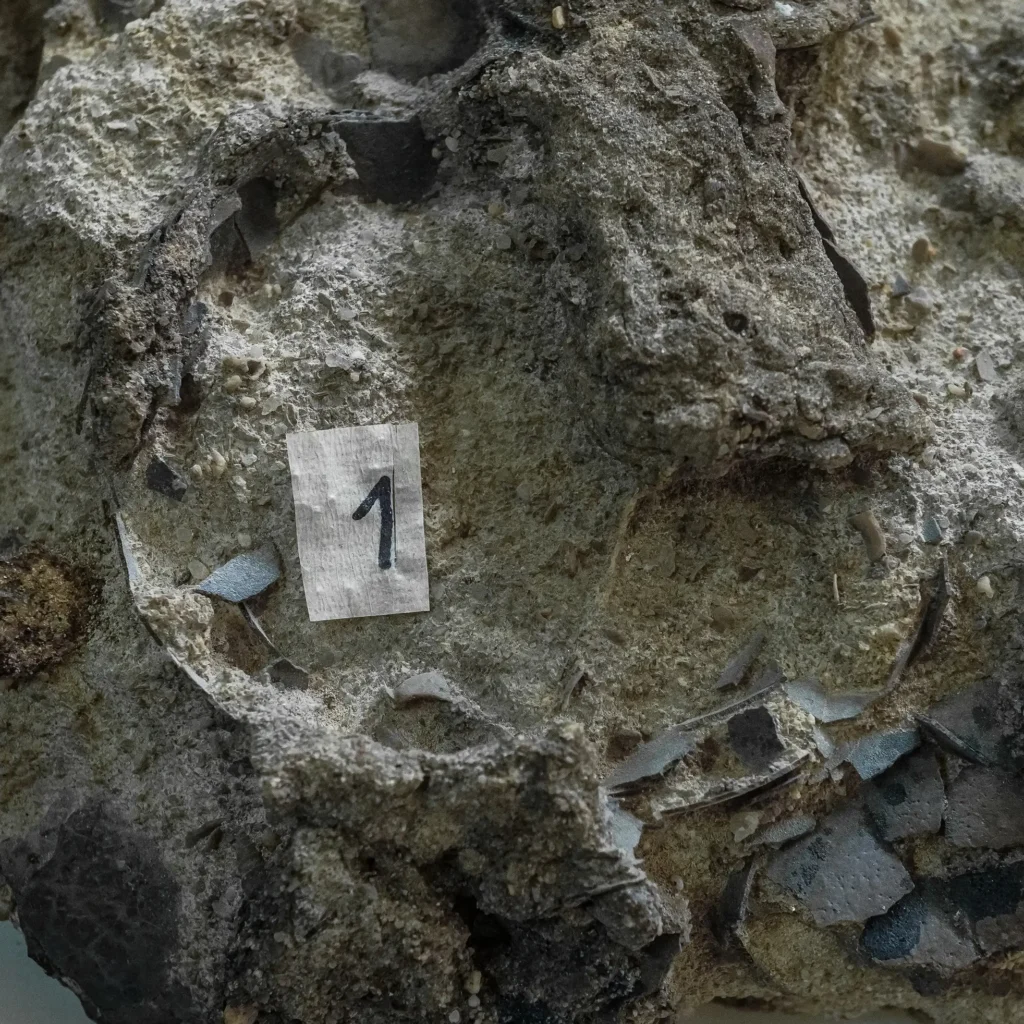
A nest full of dinosaur eggs has been discovered on a coastal cliff.
The eggs – some of which could contain traces of embryos, experts say – date back an incredible 150 million years.
Based on their shape and the porosity of the shells, experts believe they belonged to a carnivorous dinosaur that roamed the region in the Late Jurassic period.
READ MORE: Bbbrrrave fishermen battle minus 30 temperatures to free frosted ship from ice
Scientists were surprised by the small size of the nest, as well as the type of sediment it was found in.
It was discovered in granular sandstone, which is “rare”, and suggests the eggs were laid on a riverbank.
The nest was found by Carlos Natário of the Torres Vedras Natural History Society on the cliffs of Santa Cruz Beach, north of Lisbon, Portugal.

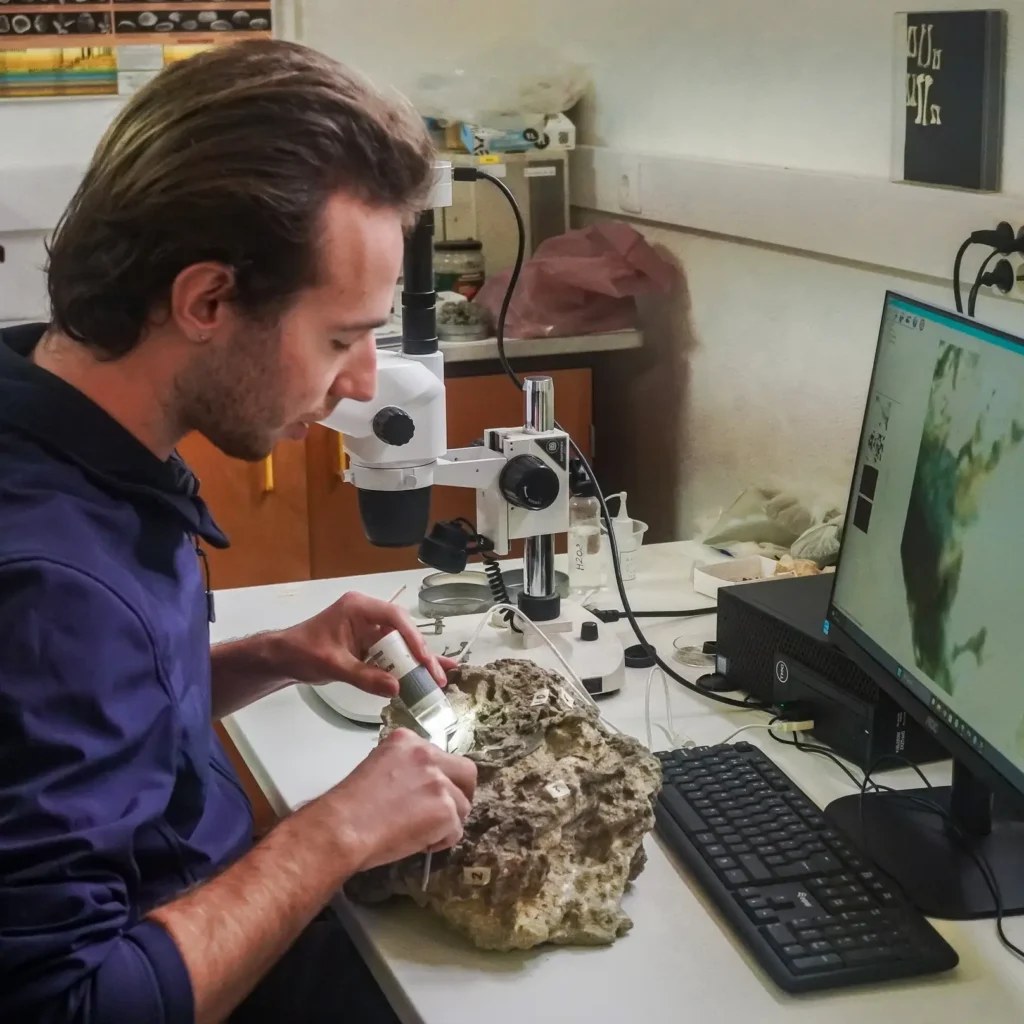
The researcher was carrying out monitoring work on paleontological sites when he found it, as reported by What’s The Jam.
Experts said the eggs seemed to be arranged in an orderly manner and had not been moved together by water flow.
Unlike other dinosaur eggs that were laid on the surface, these ones appeared to have been “partially buried”, the society said in a statement.
They seemed to have been laid by a carnivorous dino, possibly either a Torvosaurus or a Lourinhanosaurus.
Society director Bruno Camilo said that “almost all the dinosaur hatchlings emerged successfully” based on the shell evidence, adding that there may be traces of embryos still inside some of them.
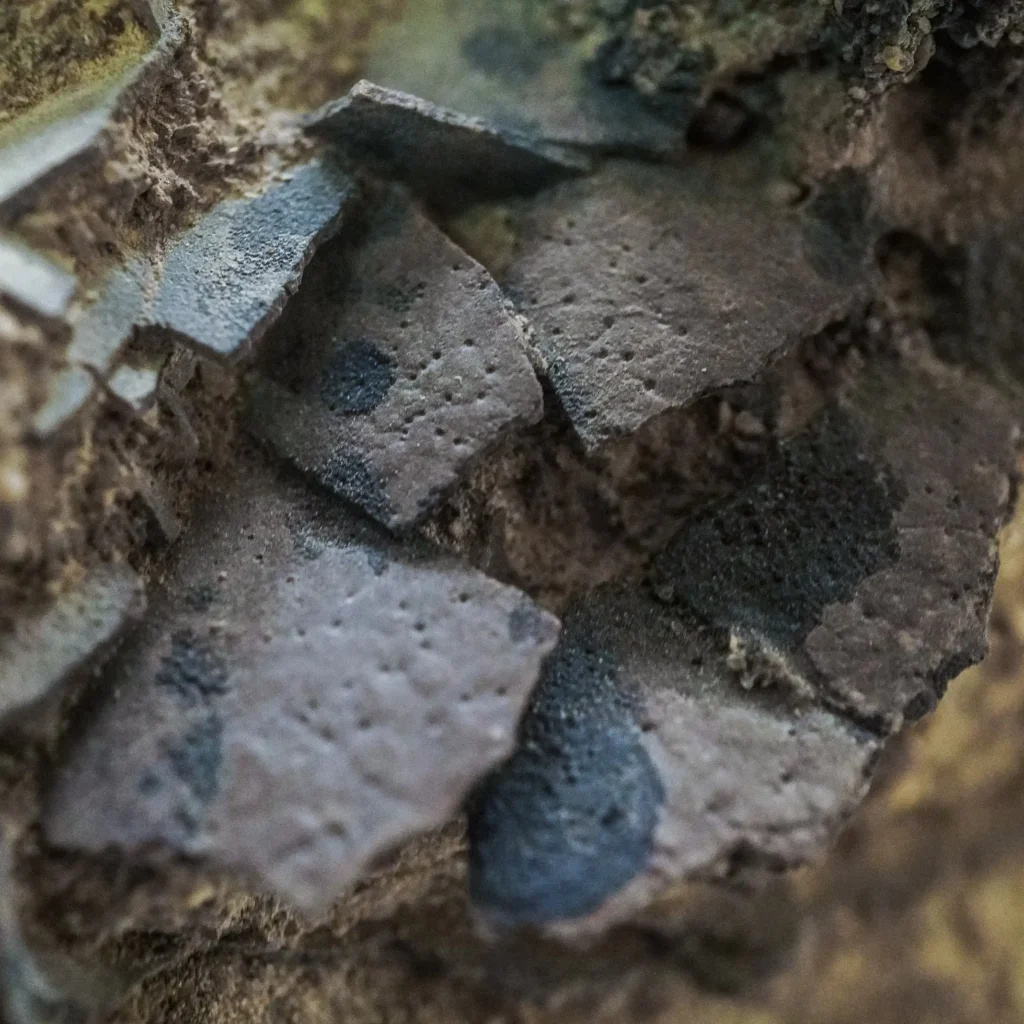
He added: “It is not possible to see a section yet because they’re covered in sediment.”
Palaeontologists will analyse the eggs with computed tomography scans to create a three-dimensional model of their interior.
This should help them determine whether any preserved embryo remains still exist.
Portugal, particularly the region around Lourinhã, is one of the few countries where dinosaur eggs and nests from the Late Jurassic period are found.