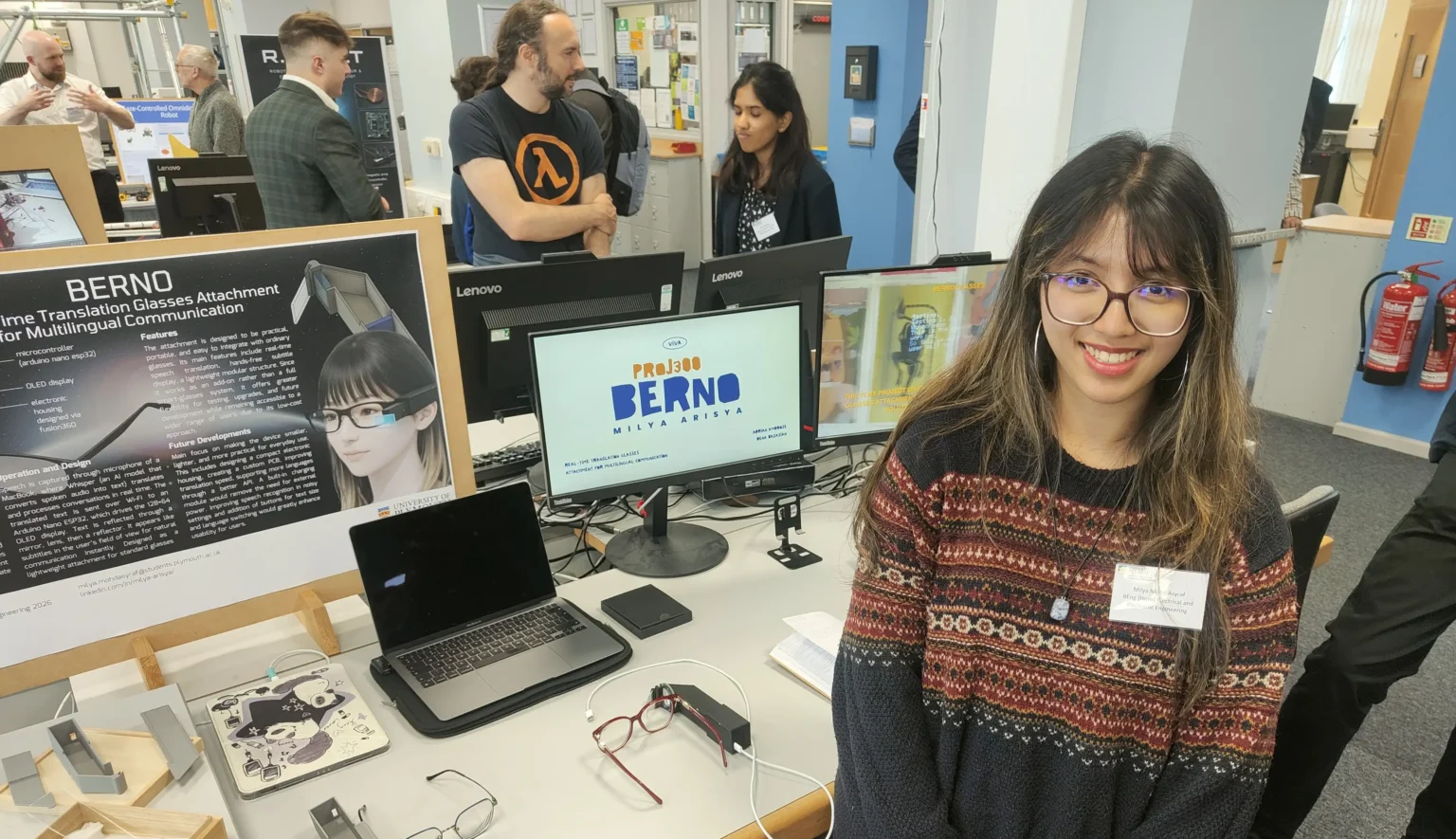


A student has created AI-powered glasses that can translate any language into subtitles before your eyes – for just £30.
The futuristic gadget, designed by Milya Mohd Asyraf, works in real time and costs a fraction of similar devices already on the market, some of which can cost thousands of pounds.
The invention clips onto a standard pair of glasses and turns spoken words into text, projecting them directly in front of the wearer’s eyes.
READ MORE: Bemusement as Buzz Lightyear strolls along street SALUTING passers by
Milya, who grew up in a multilingual environment, said her own struggles understanding different languages inspired her to create the low-cost device, as reported by What’s The Jam.
She said: “My whole inspiration behind this project is that I grew up in a multilingual environment and was always one of those people who didn’t understand what everyone else was saying.
“Language barriers – or even differences in accents – can make communication tricky, and many translation tools currently rely on phones, playback or expensive smart glasses that either interrupt conversations or reduce accessibility.

“My project addresses that issue by creating a wearable attachment that allows a more natural and immediate interaction, without additional features.
“Apart from ensuring that it works, I was really keen to make it as inexpensive as I could, and the single function – translation and transcription – is what makes the product affordable.
“In a world that’s becoming increasingly reliant on technology, it should be accessible to everyone.”
The project was Milya’s focus for her final year studying Electrical and Electronic Engineering, which she presented at the University of Plymouth’s recent Engineering, Computing and Mathematics showcase.
The device captures speech through a small microphone before an AI model translates it and converts it into text.

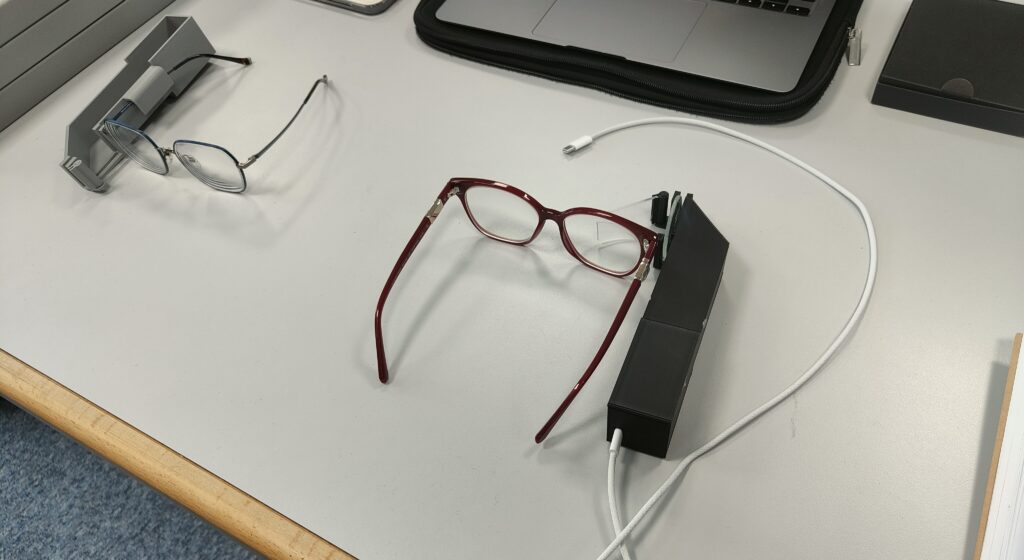
The translated words are then sent via Wi-Fi to a microcontroller powering a miniature display.
Using a mirror, lens and reflector system, the text appears as subtitles in the user’s field of vision.
Milya also incorporated sustainable elements into the design, using leftover acrylic plastic for the reflector and repurposing a Bluetooth microphone.
She now hopes to develop the invention further by replacing the laptop processor with a dedicated smartphone app.
Milya added: “Engineering isn’t just about machines and technology, it’s about people.
“While I need to work on the size and weight of the glasses before making them fully marketable, I really think it’s something people could benefit from.”
READ MORE: Greggs confirms wave of store closures as red heat warning grips UK