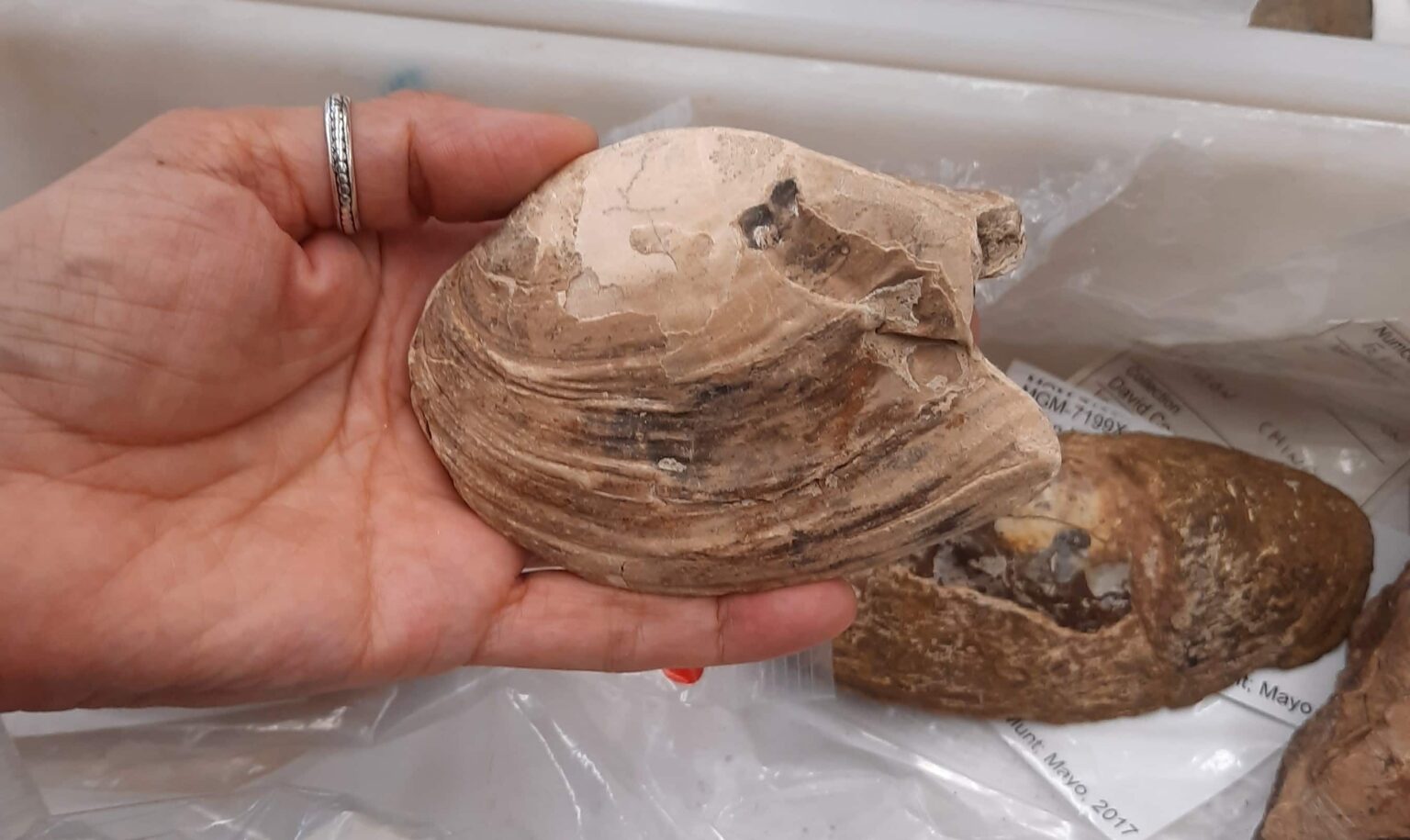


A 125-million-year-old shellfish fossil has given scientists an extraordinary glimpse into prehistoric motherhood after tiny unborn babies were discovered perfectly preserved inside.
The remarkable fossil contains microscopic embryos and larvae still tucked away inside the ancient animal’s gills, making it the oldest known evidence of maternal care ever found in shellfish.
The discovery shows that freshwater bivalves were already protecting and incubating their young while dinosaurs such as Iguanodon roamed the Earth.
READ MORE: Newlyweds STUNNED as lifeboat crewmates form guard of honour with oars and yellow wellies
The findings, published on 22 June in the journal Scientific Reports, come from an international team of researchers led by the Geological and Mining Institute of Spain (CSIC).
What makes the fossil, unearthed on the Isle of Wight, so extraordinary is that scientists didn’t just uncover the shell, as reported by Whats The Jam.

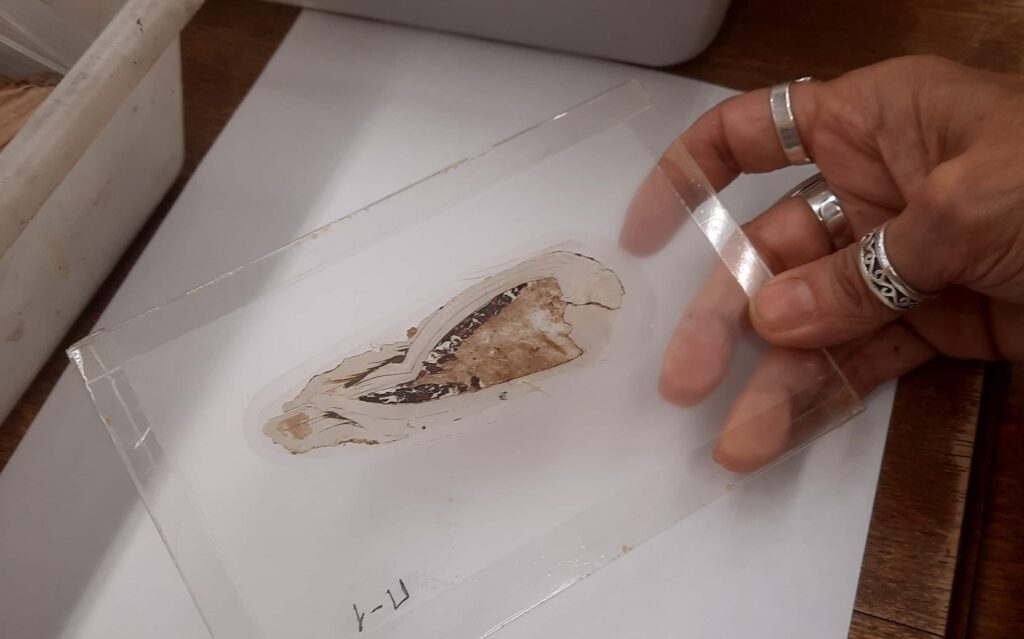
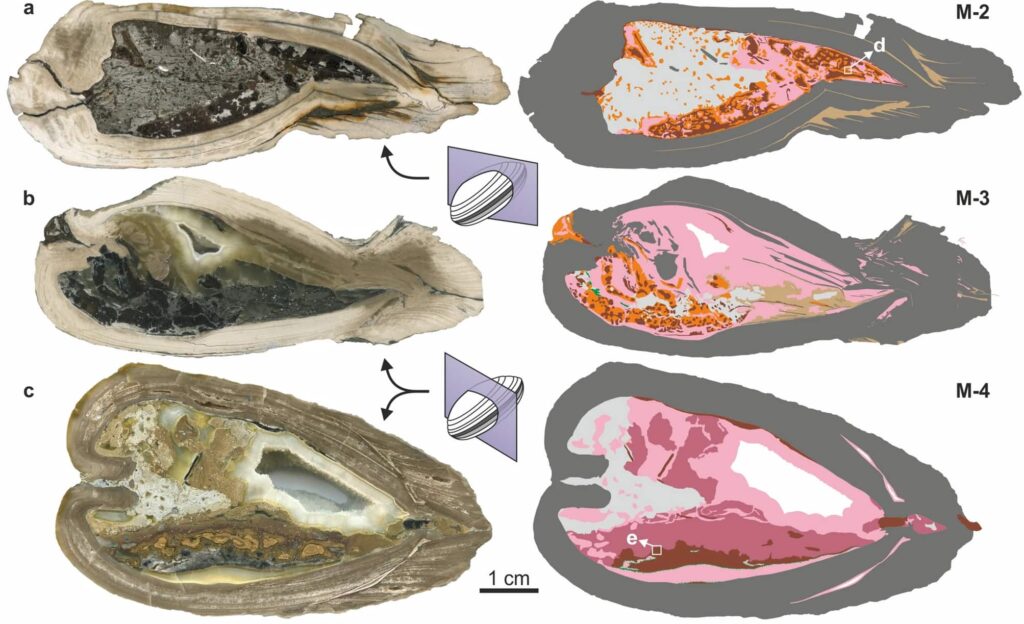
They also found preserved soft tissues inside the animal, including reproductive organs, gill structures and developing offspring – something almost never seen because soft tissue normally decays long before fossils can form.
The fossil belonged to Margaritifera valdensis, an extinct freshwater bivalve distantly related to today’s freshwater pearl mussels.
Researchers described it as offering a rare snapshot of family life more than 125 million years ago.
Dr Martin C. Munt, a visiting academic at the University of Portsmouth and specialist in fossil molluscs, said: “This is the earliest known fossil evidence that these shellfish cared for and protected their developing young.
“Until now, this reproductive strategy was known only from living species.”
The fossil preserved several stages of development, from tiny embryo-like cells to more advanced larvae, allowing researchers to piece together how the ancient animals reproduced.

Modern freshwater mussels still use a surprisingly sophisticated breeding strategy, brooding their young inside specialised chambers in their gills before releasing the larvae into the water, where they temporarily attach themselves to fish as part of their life cycle.
The new fossils show this complex reproductive behaviour had already evolved during the Early Cretaceous.
Dr Aleksandra Skawina, a fossil bivalve specialist and co-author of the study, said: “These new fossils demonstrate that this complex reproductive strategy had already evolved by the Early Cretaceous.”
The team also uncovered evidence that the ancient shellfish actively helped their babies grow.
Tiny mineral deposits preserved within the fossilised gills appear to have acted as calcium stores, supplying the developing larvae with the materials needed to build their shells – much like modern freshwater mussels do today.
The research also solved a mystery that has puzzled scientists for almost 200 years.

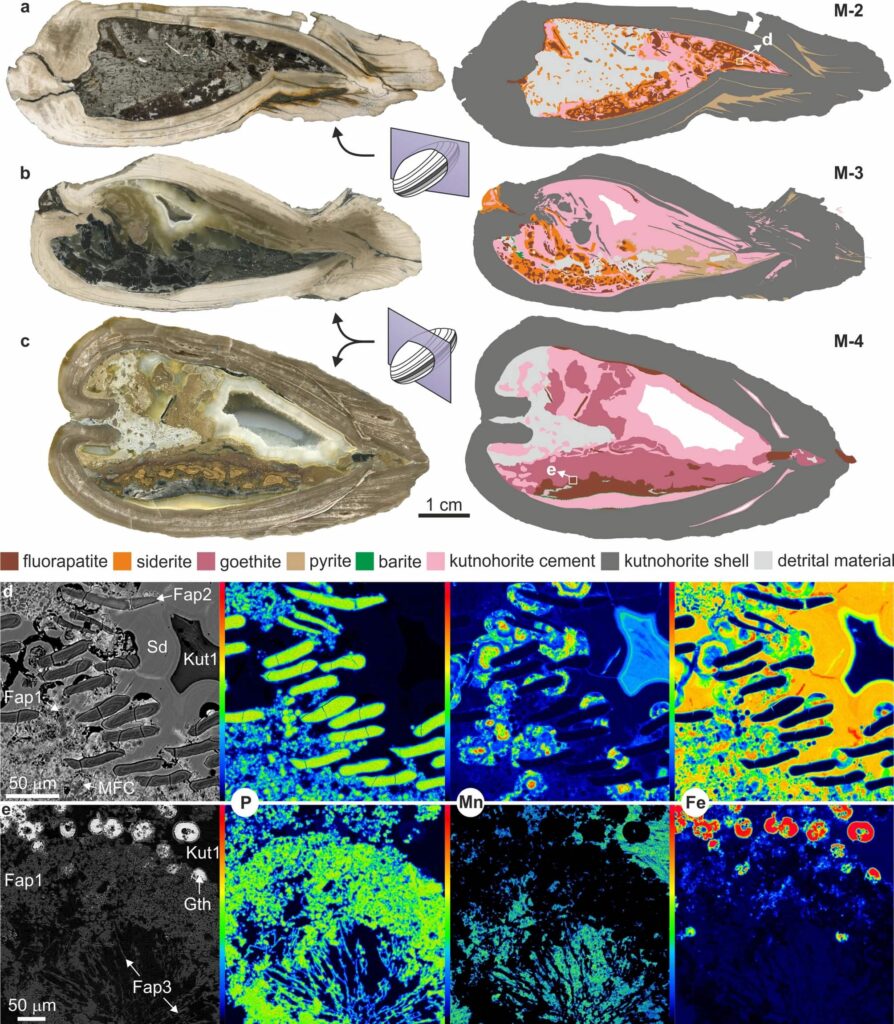

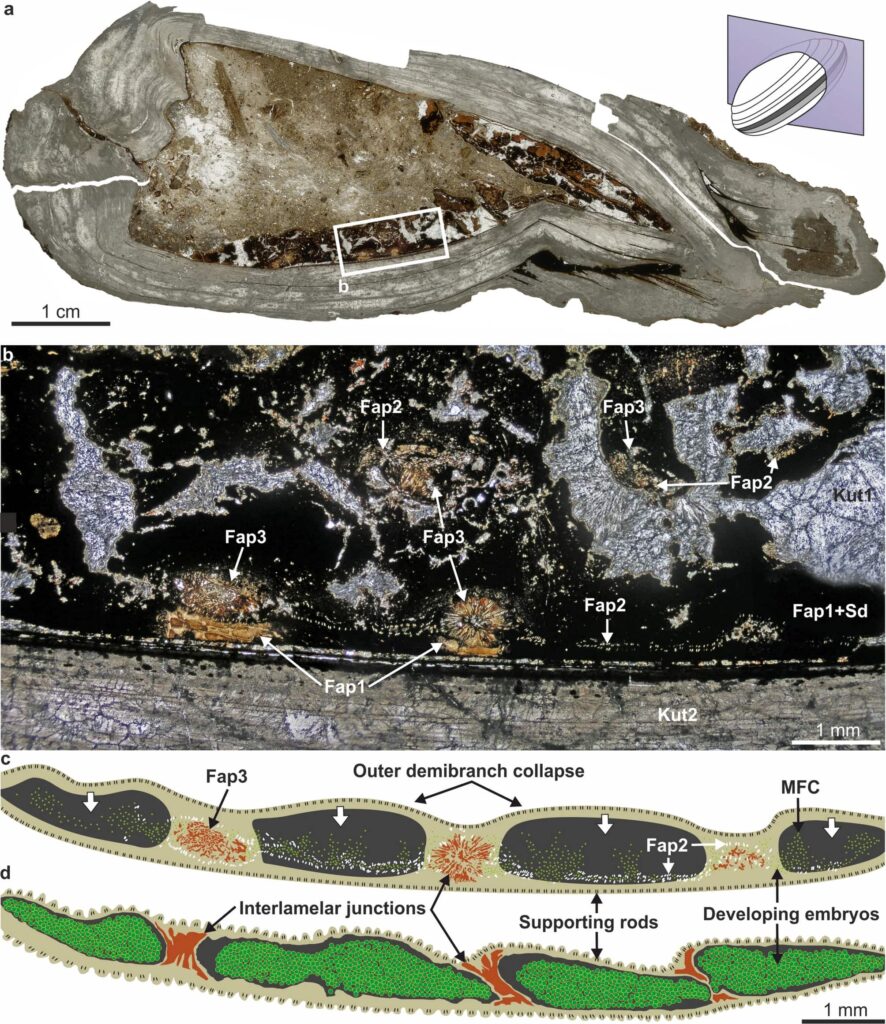
A strange dark material known as “molluskite”, first described in the 19th century by pioneering British palaeontologist Gideon Mantell, was found to consist of exceptionally preserved fossilised soft tissues and reproductive structures.
Dr Munt added: “Not only does this discovery provide a rare glimpse into how ancient freshwater shellfish reproduced, but it also helps explain how these animals successfully adapted to life in rivers and lakes millions of years ago.
“For decades, scientists have searched for direct evidence of reproduction in ancient freshwater mussels, making this find a significant breakthrough in understanding their evolutionary history.”
Today, freshwater mussels are among the most threatened animal groups on Earth, meaning the fossils offer scientists an important window into the origins of a species that has survived since the age of dinosaurs but now faces an uncertain future.
READ MORE: Footie-mad firefighters transform station into England fan zone for World Cup