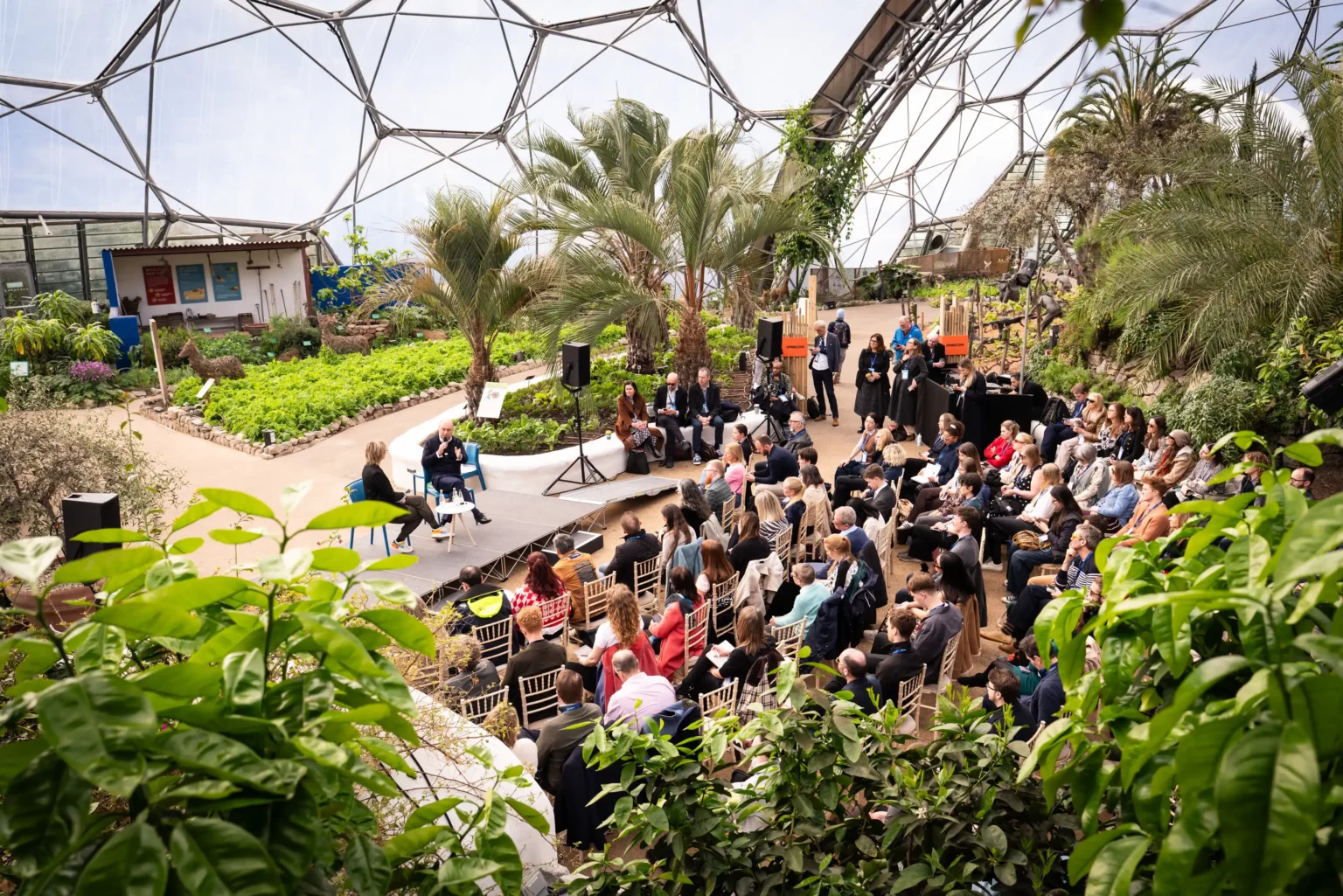


More than 2,000 leaders from across business, politics and civil society have gathered in Cornwall for the opening of Anthropy26, a three-day summit aimed at charting a course for the UK’s future.
Held at the Eden Project, the event brings together representatives from more than 1,200 organisations for what organisers describe as the country’s most ambitious national conversation on growth, innovation and social change.
Set against the backdrop of the venue’s distinctive biomes, the conference will host over 200 sessions across 20 stages, addressing issues ranging from economic growth and global security to artificial intelligence, climate change and social cohesion.
The gathering comes at a time of widespread public disengagement, with polling suggesting that a large majority of people in the UK feel unable to influence national decision-making.

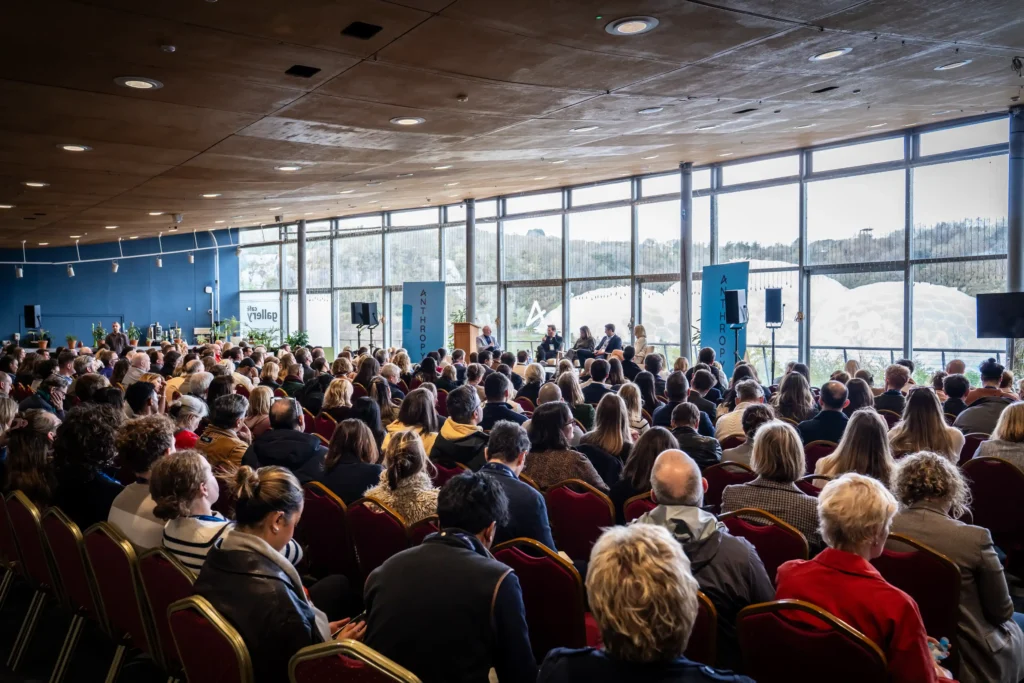
On the opening day, discussions focused on Britain’s place in an increasingly uncertain world, the challenge of unlocking economic growth, and the need to rebuild trust in institutions.
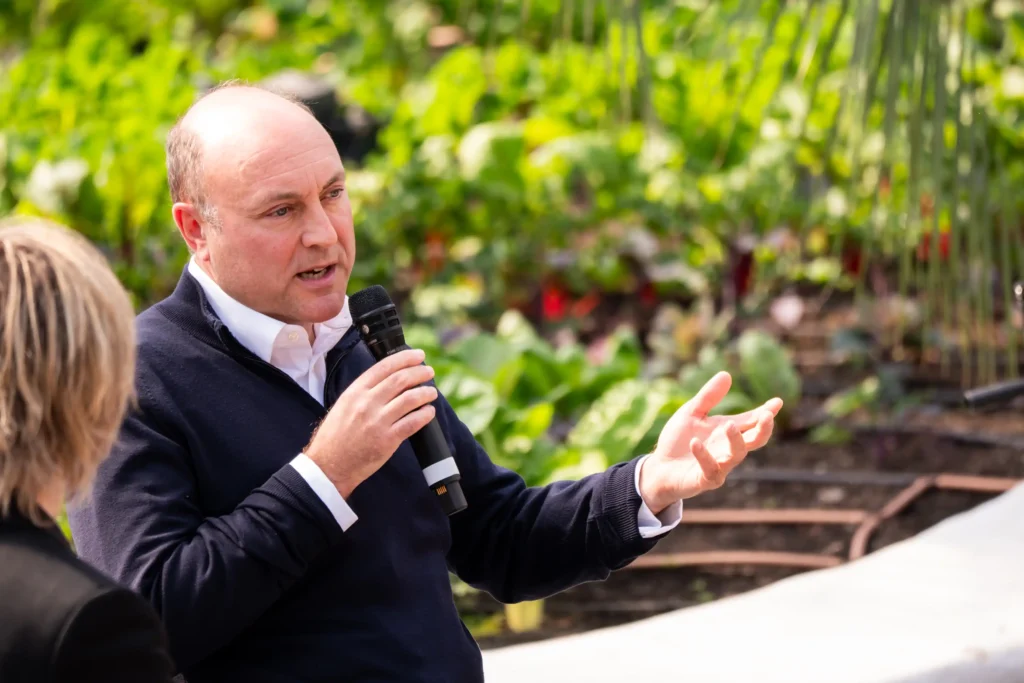
Among the most striking interventions came from Andrew Griffith, who delivered a blunt assessment of the country’s political climate, saying: “Britain isn’t broken. Politics is.”
He argued that low levels of public trust – with recent data suggesting only a small minority of voters have confidence in politicians – should prompt deeper reflection in Westminster. He added that the country must confront long-standing challenges, including youth employment and environmental decline.
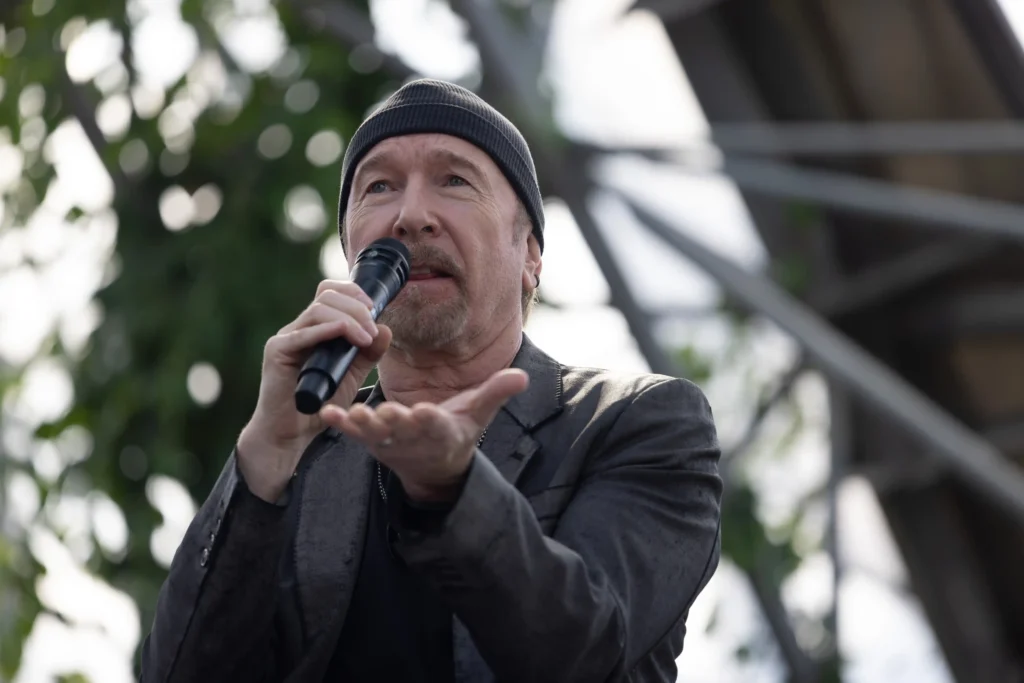
Elsewhere, a session featuring The Edge in conversation with Sir Tim Smit explored the role of soil health and environmental regeneration, alongside contributions from leading scientists examining the importance of microbiomes for human health and biodiversity.
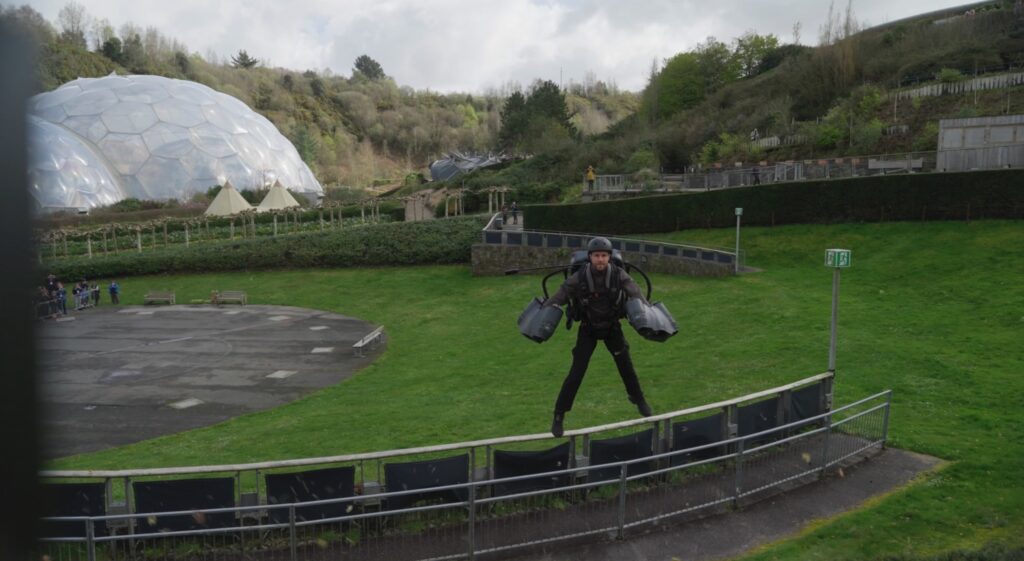
Innovation was also on display at the newly launched “FutureDome”, where emerging technologies were demonstrated, including a jet suit flight by Gravity Industries and advanced robotics from Engineered Arts. Exhibits highlighted developments in artificial intelligence, climate technology and space manufacturing.
A series of flagship sessions examined themes such as Britain’s global role, economic potential, quality of life and regional development, with speakers emphasising the need to translate ambition into measurable progress.
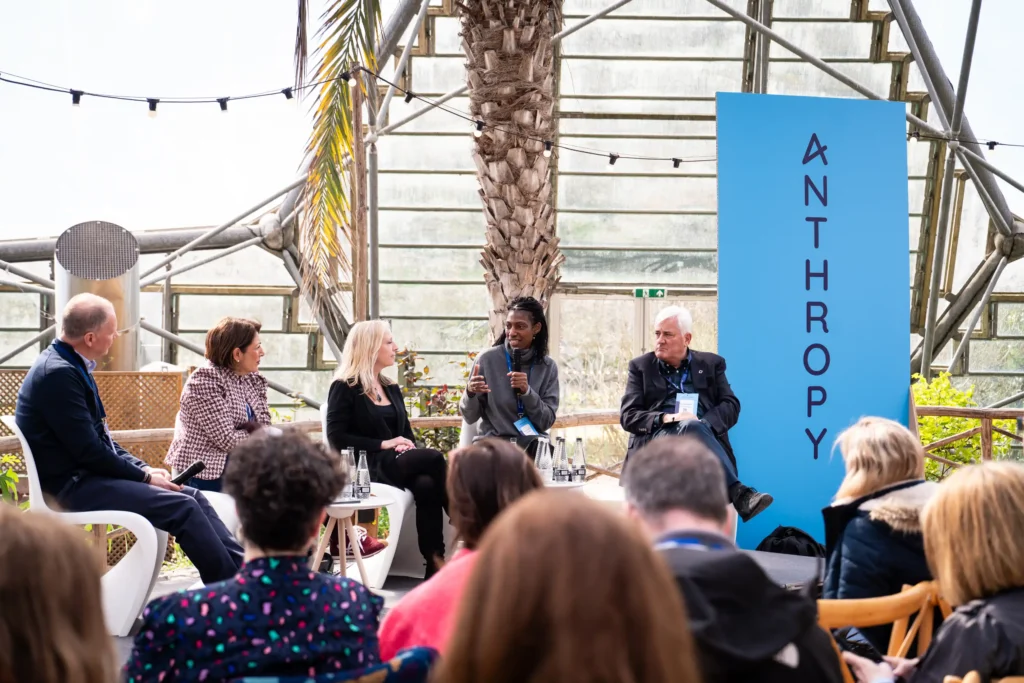
Debates on artificial intelligence featured prominently, with contributors weighing its potential as a force for good against risks trust, ethics and misinformation. Speakers stressed the importance of building systems that are transparent, inclusive and accountable.
Organisers said the event is designed not only to diagnose problems but to encourage practical collaboration. Discussions on the first day ranged from unlocking underused talent to forging new partnerships between sectors.
John O’Brien, founder and chairman of Anthropy, said the aim was to bring together leaders willing to take shared responsibility for addressing the country’s challenges.
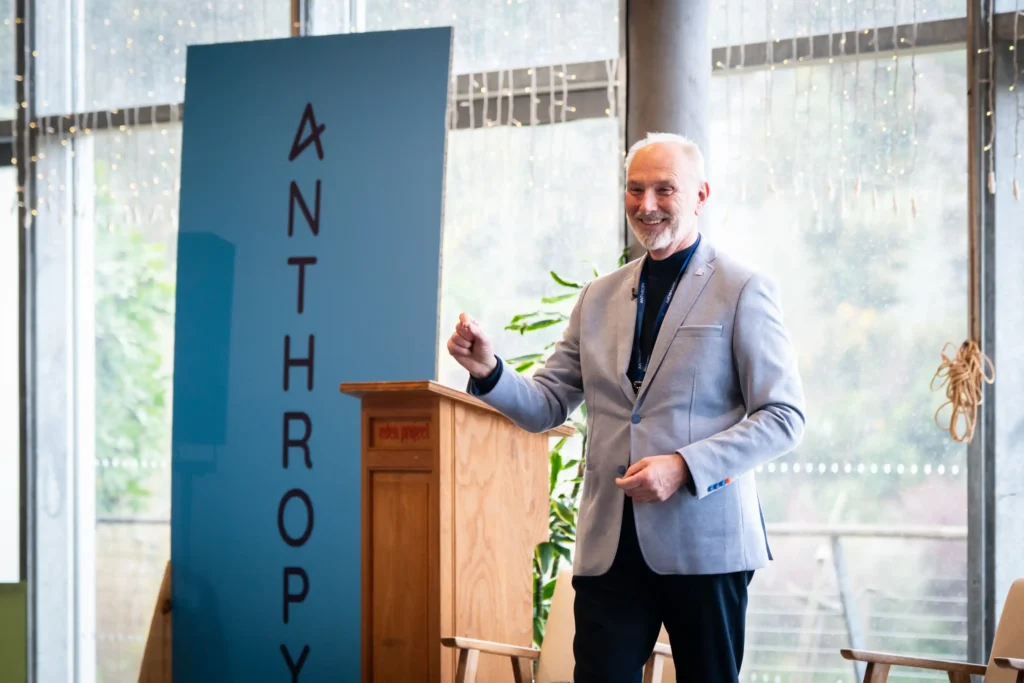
“Growth, trust, innovation and resilience are deeply connected,” he said, adding that closer collaboration could help turn ideas into action.
Andy Jasper, chief executive of the Eden Project, said the event – now in its fourth year at the site – comes as the attraction marks its 25th anniversary. He described the discussions as a source of “hope and agency” for communities across the UK.
Outcomes from the summit are expected to feed into the next set of “Anthropy Accords”, intended to influence policy and decision-making in the months ahead.