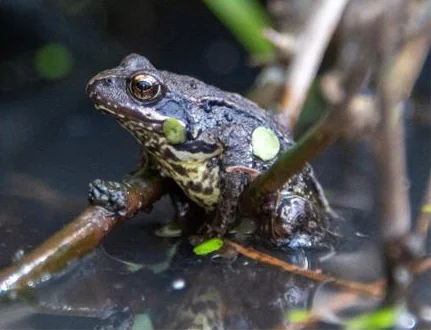


An ancient mystery involving 8,000 frog bones dumped in a ditch has finally been solved – with hungry owls revealed as the unlikely culprits.
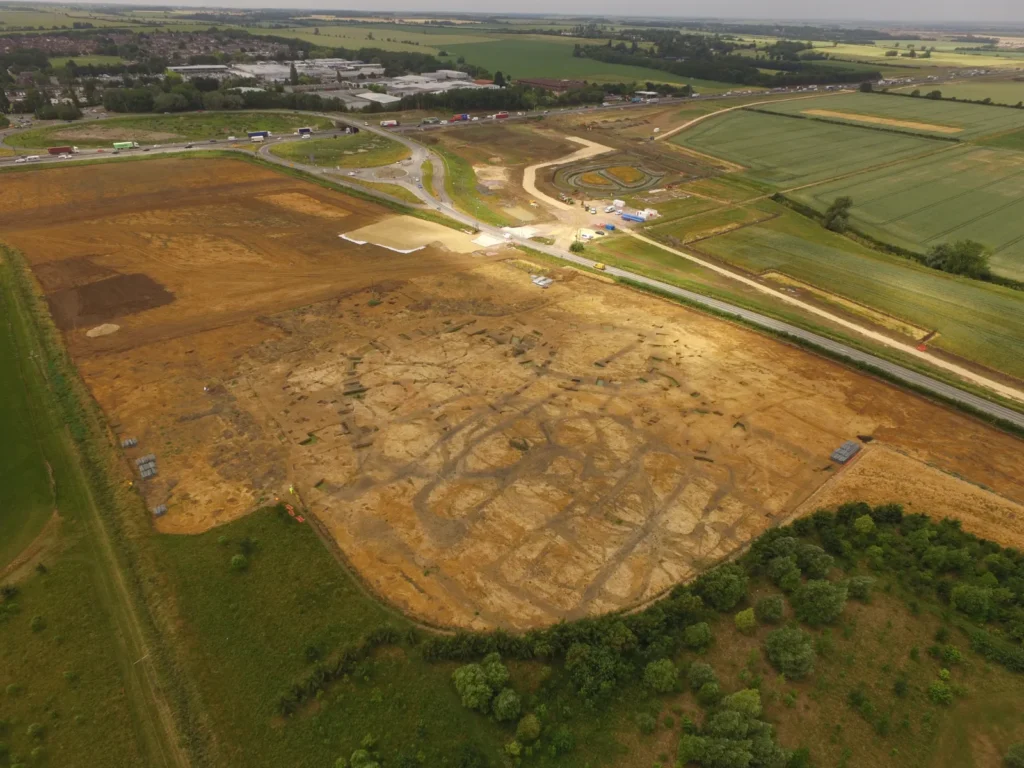
The remains were discovered between 2016 and 2018 in a single ditch near the site of an Iron Age roundhouse.
Archaeologists were left baffled by the extraordinary collection at Bar Hill, near Cambridge, which has now been traced back to a feast of frogs eaten by birds of prey around 1,700 years ago.
READ MORE: Beachcomber 59 finds ‘biggest ever’ seaglass egg polished over centuries
Researchers from Bournemouth University and the Museum of London Archaeology (MOLA) compared damage to the bones with previous studies and identified short-eared owls and hen harriers as the most likely predators.
But that still left a mystery – how had so many bones ended up in one place in such a short space of time?

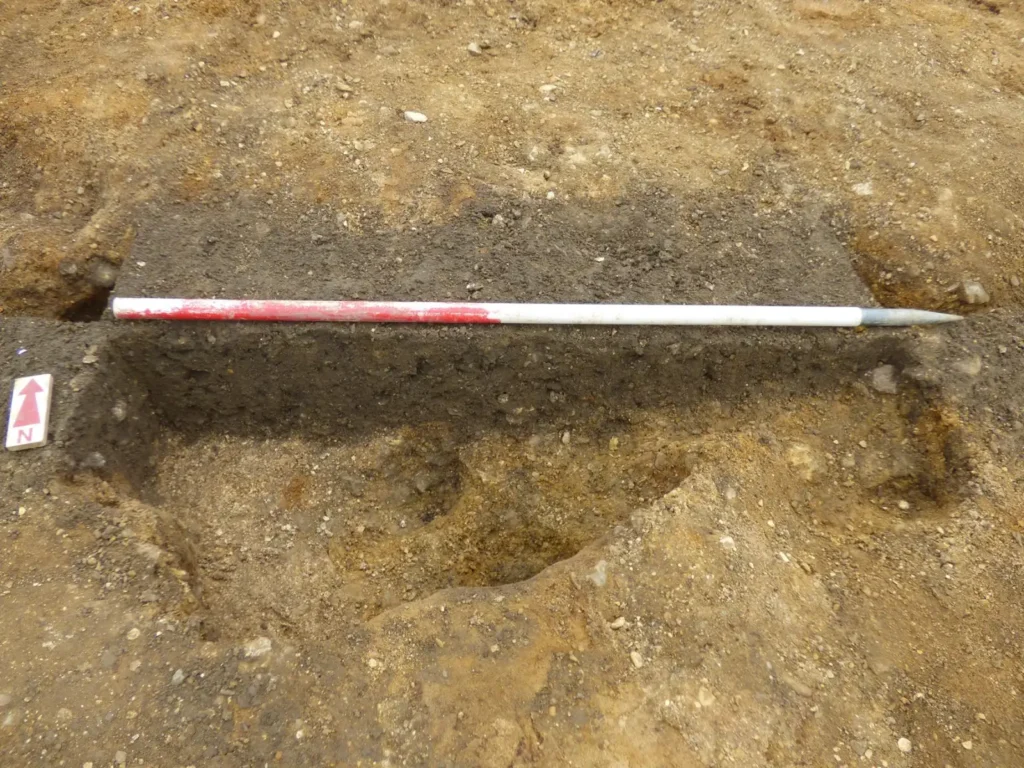
Evidence showed the ditch had filled within a single year, prompting the team to investigate further, as reported by What’s The Jam.
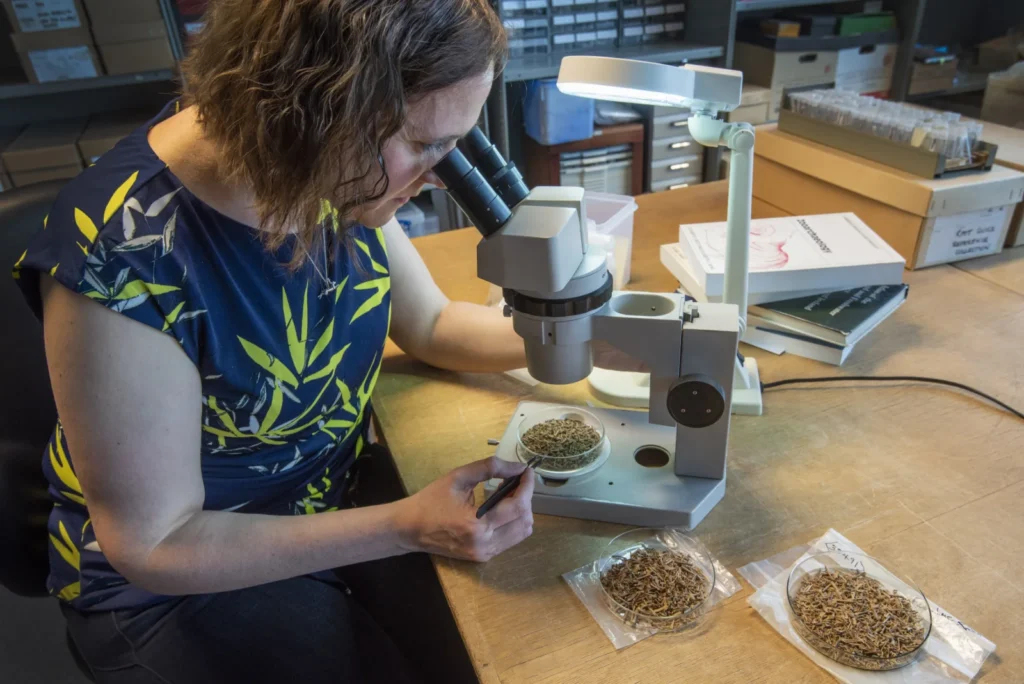
Using a pioneering method of measuring the frogs’ upper arm bones, known as humeri, scientists discovered that most had died young, having been eaten during the winter of their first year of life.
Radiocarbon dating carried out by the University of Vienna confirmed the remains dated back to the Roman period.
Dr Paul Clarkson, of Bournemouth University, who led the research, said: “We don’t often get an owl’s-eye view of what it was like in the past from archaeological sites.
“The mystery of these frogs has been solved – a feast of frogs that were eaten and their bones left behind by a group of owls.
“These bones not only tell us about life for people living near the Roman Fens, but they also give insights into the natural world – what wild animals were getting up to in the past, and what life was like for them.”
Researchers also investigated why the frogs had become such easy prey.
Evidence from snails, pollen and charcoal showed that the landscape had changed significantly since the Iron Age, when the valley had been more heavily wooded.

By Roman times, large areas of woodland had been cleared for grazing livestock, leaving open grassland where short-eared owls could hunt.
Meanwhile, retreating Fen wetlands had created ideal breeding conditions for frogs, providing an abundant supply of food for the predators.
The findings may also offer clues about human activity, with researchers suggesting the less crowded landscape could have been used by communities on a more seasonal basis as they moved livestock between grazing pastures.
Senior zooarchaeologist Dr Vicki Ewens, of MOLA, said she had considered many theories before the mystery was cracked.

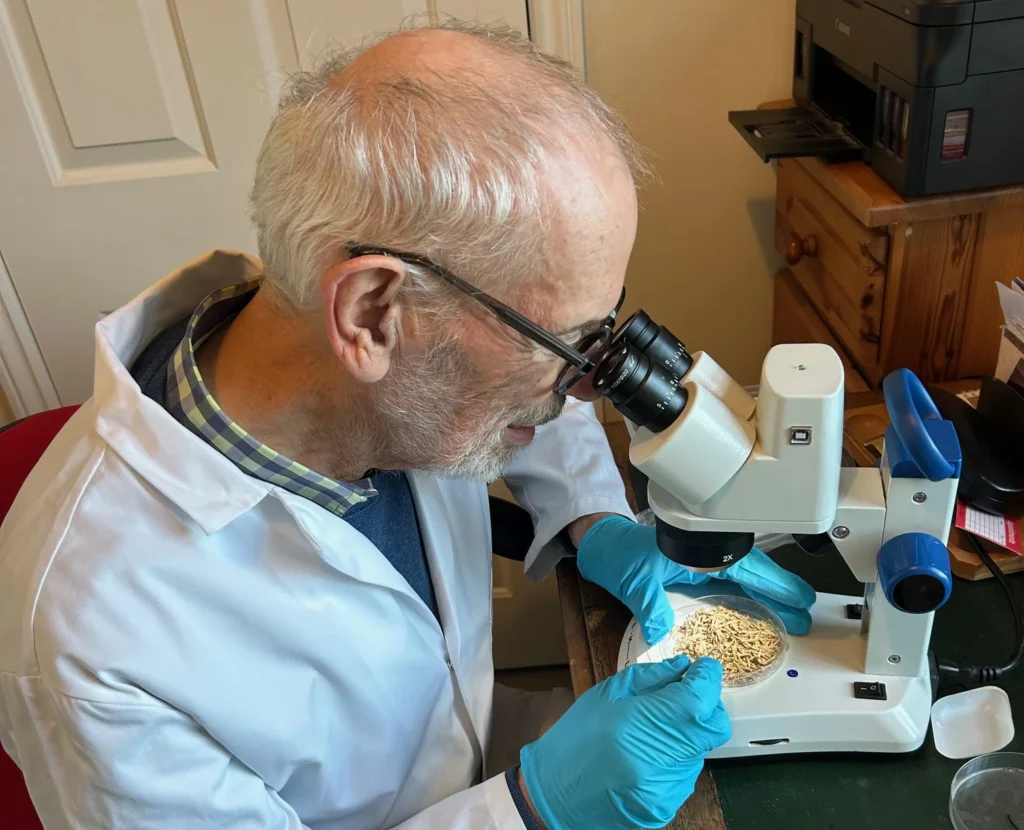
She added: “It’s been great to collaborate with Paul to finally answer this question.
“This research shows how even the smallest animal recovered on a site can help us to understand not only past environmental conditions but human activity within a wider landscape.”
READ MORE: US sandwich chain opens first UK restaurant with plans for 400 sites