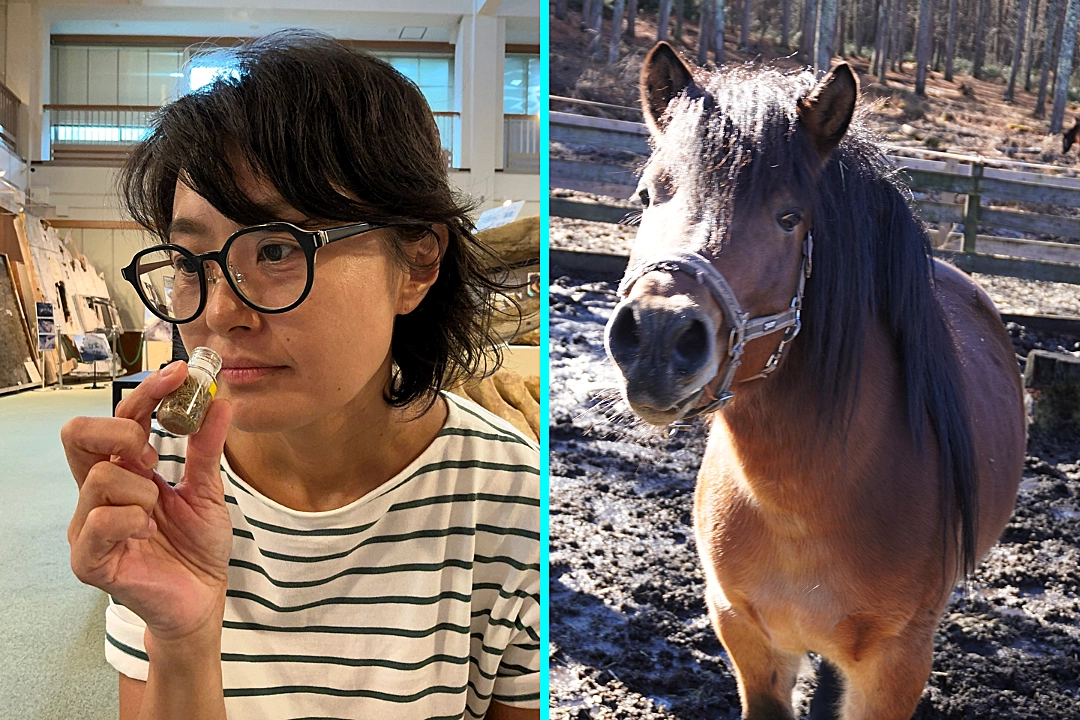


A museum has boosted its animal conservation by asking visitors to smell poo.
The bizarre practice has been put in place to help build a relationship between punters and a critically-endangered animal.
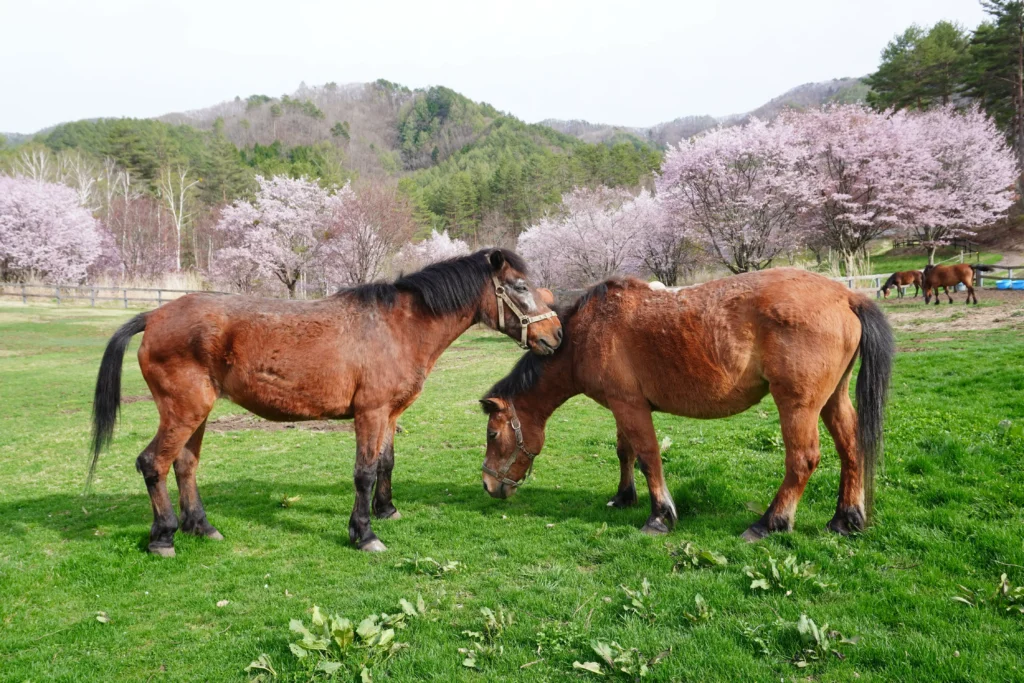
The Kiso Horse was on the brink of extinction in the 20th century when just 32 were found on the planet in the 70s.
READ MORE: Fleet of ‘UFOs’ caught on camera in what looks like Sci-Fi movie scene
Now, the smell of their manure may actually help save their species.
Researchers at the Nagoya University Museum, Japan, have revealed that visitors feel little personal engagement with historical displays at the venue.
Members of the public view the horse as a valuable cultural resource but believe it is separate to their everyday lives.

To change this, the museum has employed the “Sense Science Significance” model, as reported by What’s The Jam.
This makes use of direct sensory experiences, such as the smell of horse poo, to make heritage personally relevant.
Putting the research into use, an exhibition was hosted at the Kiso Town Cultural Exchange Centre.

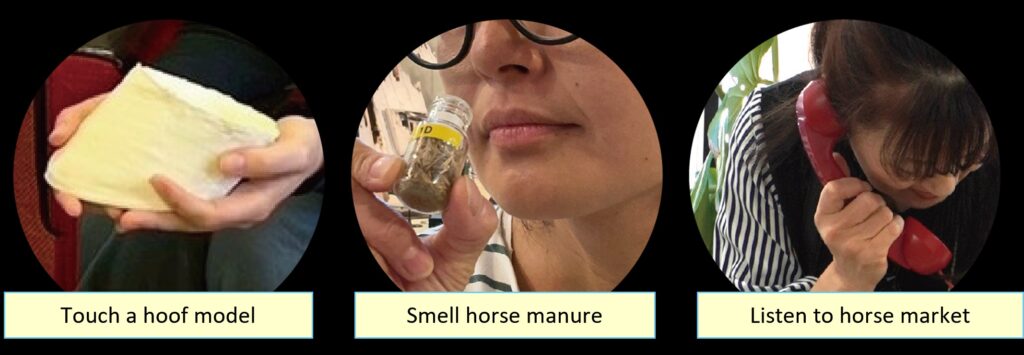
Regular object displays and exhibit texts featured alongside a number of smells and different sensory triggers.
Visitors smelt horse manure at two different stages of fermentation while listening to archives of Kiso horse markets to immerse themselves in history.
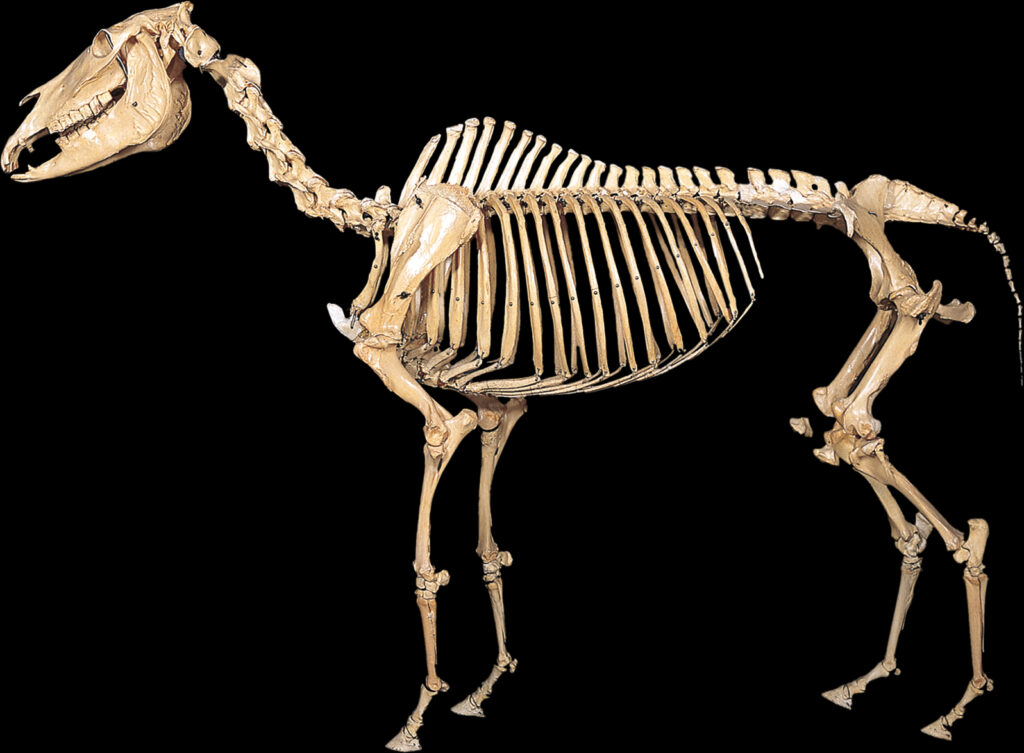
Each experience was linked with scientific context to promote “comparative and analytical thinking” about the animals’ biology, ecology and history.

A survey of 75 visitors claimed the SSS model worked.
Since the positive results, the model has been applied to 30 exhibitions at the museum.
“We want visitors to feel that heritage belongs to their world, not just to an exhibition case,” Professor Ayako Umemura of Nagoya University said.
“The framework is not intended as a prescriptive solution, but as a flexible guide that educators can adapt to their own context.”
READ MORE: Webcam captures spherical ‘UFO’ hovering across nation’s capital