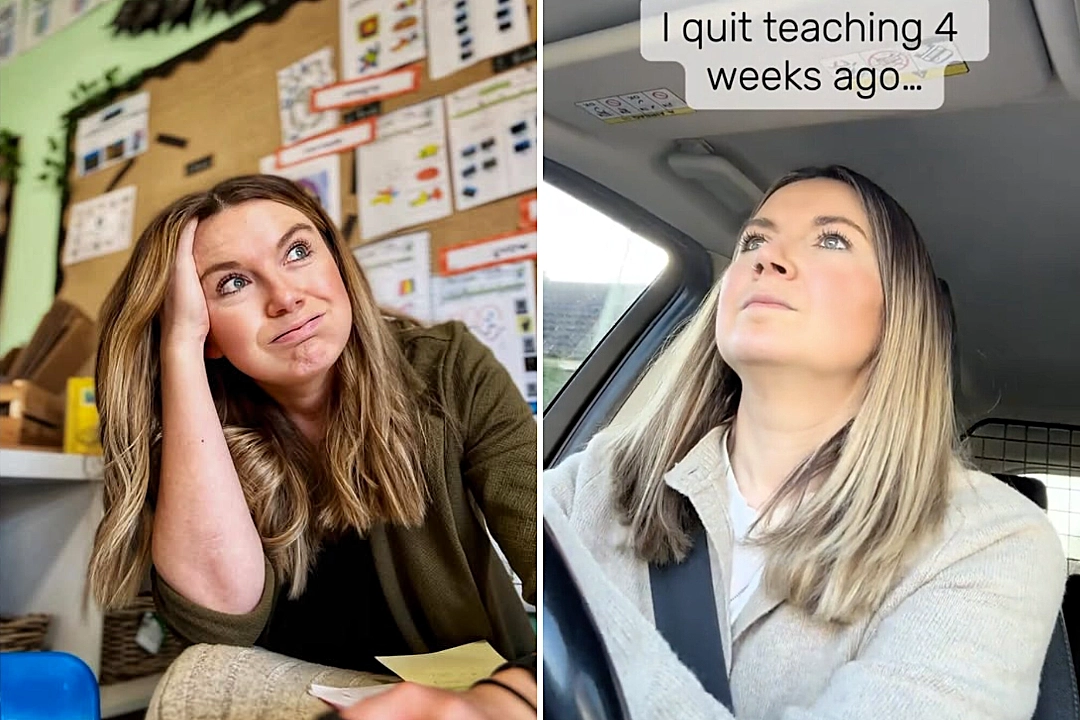


A teacher who quit the profession after 10 years has slammed the UK’s education system – saying it treats staff like children.
Jessica Featonby from Rolleston, Staffordshire, was excited to work in primary schools, helping to shape minds and “make a difference”.
Unfortunately, it soon became apparent that the job wasn’t quite what the 35-year-old had hoped.
READ MORE: She thought her overdraft was free money – then blew £20,000 trying to look rich
Although she enjoyed teaching the kids, the mum often had to “sacrifice time” with her own family because of her heavy workload, which didn’t end when the school day did.
And she says education bosses could learn some lessons of their own.
“I chose to train as a teacher because I wanted to make more of a difference,” the mum told What’s The Jam.


“I went on to teach in two primary schools and later became a senior leader.
“I really enjoyed working with teachers, supporting them, developing their practice and nurturing their growth.
“But after having my first child, I began to realise that teaching wasn’t sustainable for me as a long-term career.
“I felt like I had to sacrifice time with my family just to keep up with planning, marking and admin that couldn’t realistically be completed during the school day.
“I also started to feel like I wasn’t a committed teacher because I refused to work excessive unpaid hours, like staying past 5pm or arriving before 7.45am.
“I wanted a more balanced life.
“I also became increasingly frustrated with the system, it didn’t allow for creativity and became too prescriptive.
“Instead, it often felt like ticking boxes and completing paperwork that didn’t add value.
“Teaching felt completely all-consuming.”


Jessica, from Rolleston, Staffordshire, quit her career after having a revelation during holiday.
She said: “You don’t fully recognise how intense the job is until you’re out of it.
“Holidays didn’t feel like proper rest.
“I’d spend the first week recovering, and the second week just beginning to switch off.
“There’s also a culture in teaching where things that shouldn’t feel normal do.
“Working unpaid hours, skipping breaks, not claiming on expenses, struggling to attend appointments – it all becomes accepted.
“Looking back, I felt like I’d lost a sense of autonomy.
“I was an adult but I didn’t always feel treated like one.”
Jessica says many teachers felt the same as her.
She added: “I’ve had countless messages from teachers who feel exactly the same way but are too scared to leave.


“There’s a real fear of the unknown and I think many teachers become institutionalised within the system.
“A lot of people feel relieved just hearing that someone else has experienced the same thing.
“It validates that they’re not failing – it’s often the system that’s unsustainable.
“When I made the decision to leave, I felt an immediate sense of relief.
“I was confident in my choice even without another job lined up.
“When I later secured a new role, I felt proud that someone recognised the value of the skills I’d developed through teaching, but my last day was unexpectedly emotional.
“Not because I regretted leaving but because I felt sad about what teaching had become for me.
“I had loved it once and the system had stripped away the parts I enjoyed most – the creativity, connection, and purpose.
“It made me realise how many great teachers are leaving, not because they don’t care, but because the system makes it too hard to stay.”
Jessica says the UK education system places too many demands of teachers.

She said: “The system let me down in the same way it is letting down so many teachers, it is built around excessive expectations with too little time and resources to meet them.
“In primary teaching, you typically receive around 10% of your timetable as planning, preparation and assessment time, which usually works out at just over two hours per week.
“Within that time, you are expected to plan and resource lessons, mark work and respond to feedback, write and update reports, prepare for parents’ evenings, respond to emails and communicate with parents, update assessment data and progress reports, and complete paperwork such as EHCPs or support plans.
“All of this sits alongside the expectation to deliver high-quality, differentiated lessons for increasingly complex classrooms.
“At the same time, there is constant scrutiny.
“It creates a culture where teachers feel under pressure at all times, with very little trust or autonomy.
“Always needing every choice to be justified.”
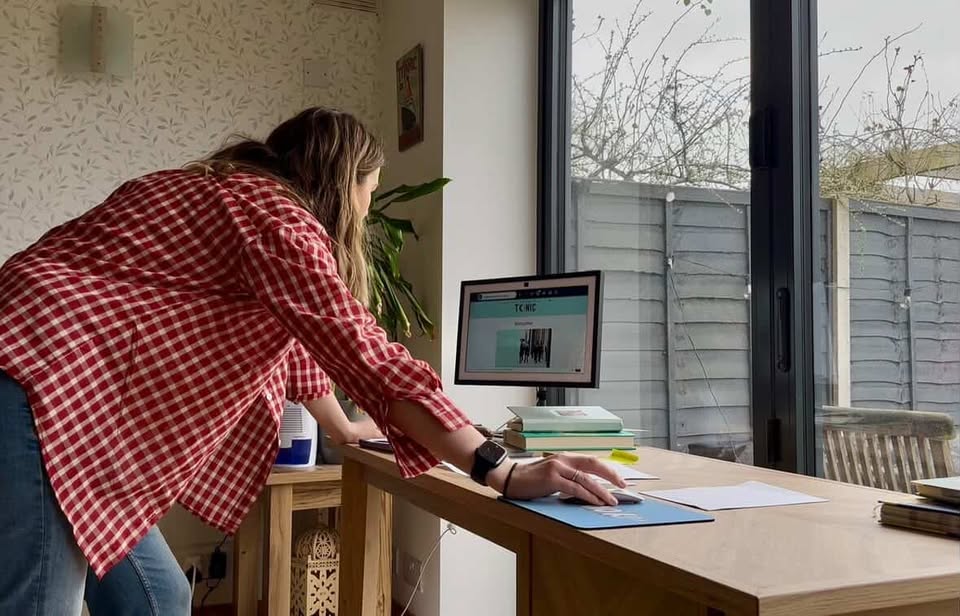
Now, Jessica – who left her teaching job in 2025 – is a lot happier after starting a website to help teachers.

She added: “After leaving teaching, I realised that although I couldn’t change the system from within, I could still support the people working inside it.
“That’s why I created ‘Teacher Tonic’, a coaching platform designed specifically for teachers.
“It offers short, bite-sized video content, each under 10 minutes, focused on practical, real-world strategies that actually help in the classroom.
“The platform focuses on managing workload and protecting wellbeing, improving productivity, handling behaviour effectively, teaching in classrooms with diverse and complex needs, and leading teams.
“We also gathered insight from teachers and schools across the country to ensure the content directly reflects what educators actually need support with, not what looks good on paper.
“The goal is to provide meaningful, accessible support that fits into the reality of teaching today, especially for busy or part-time staff.”
READ MORE: ‘I became a GRANDMA in my 30s after teen daughter gave birth but people still mistake us for TWINS’