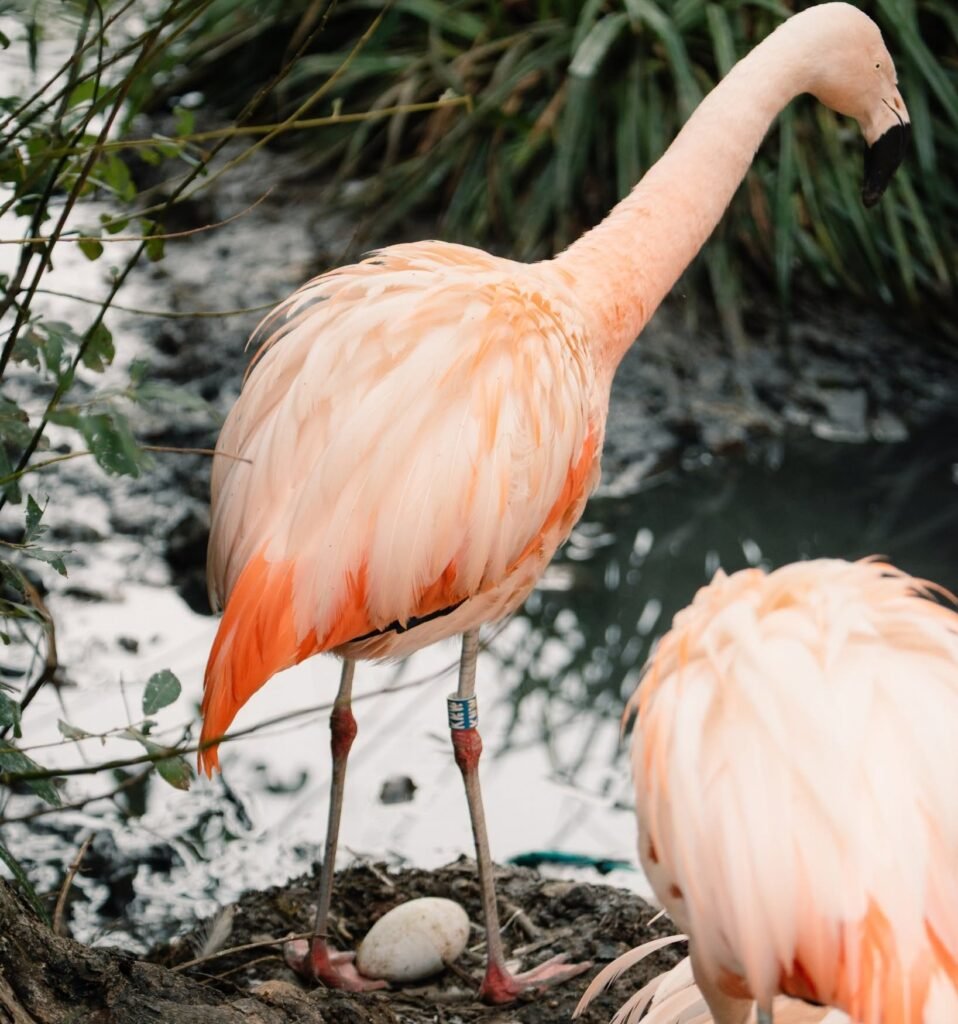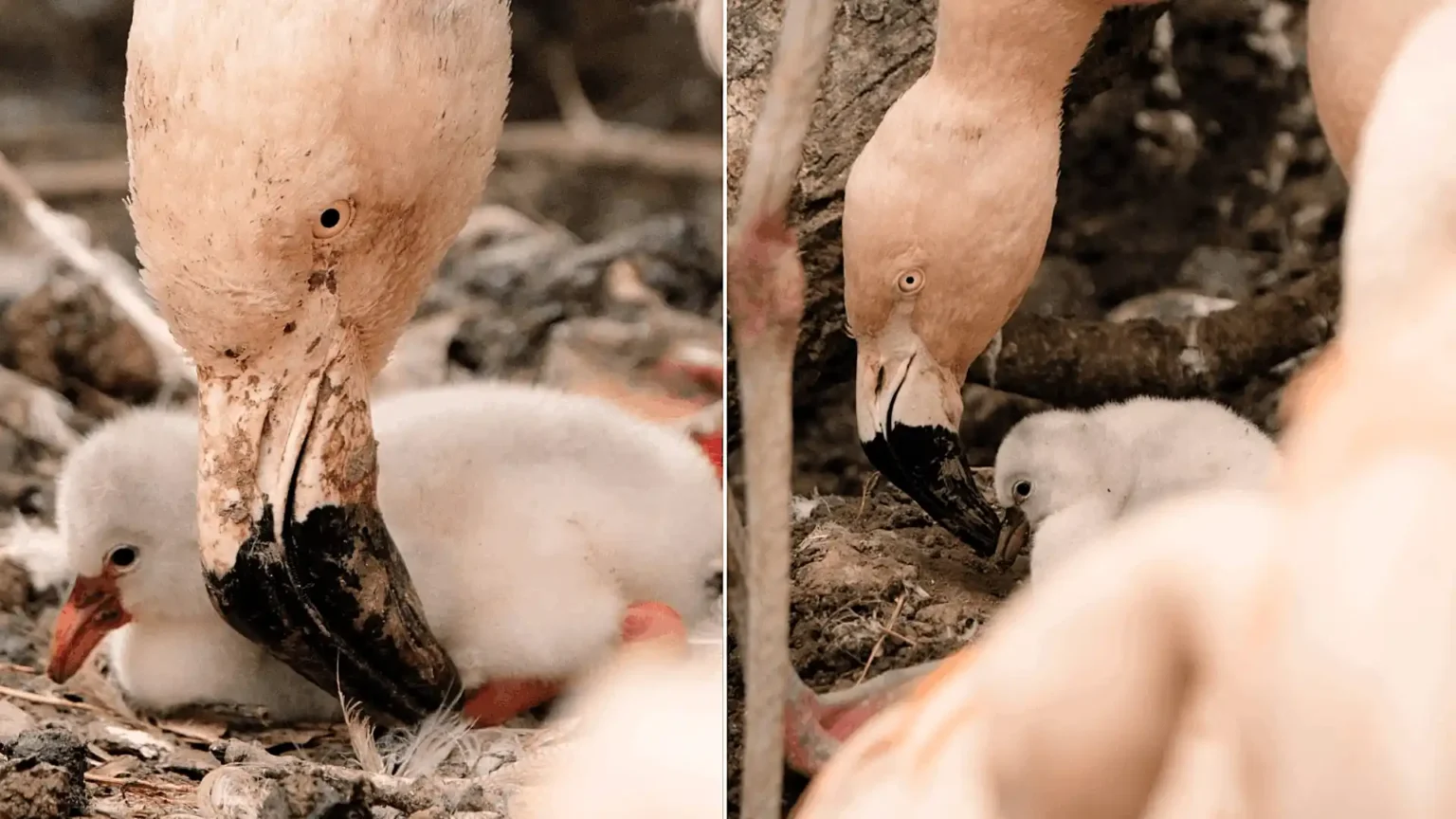


Seven adorable flamingo chicks have hatched just in time for the Bank Holiday – but visitors looking for a flash of pink may be surprised.
The fluffy youngsters emerged completely white rather than the species’ famous rosy feathers.
They are the latest additions to a remarkable summer baby boom at Longleat Safari Park.
READ MORE: Rare bush dogs with WEBBED feet make UK zoo debut
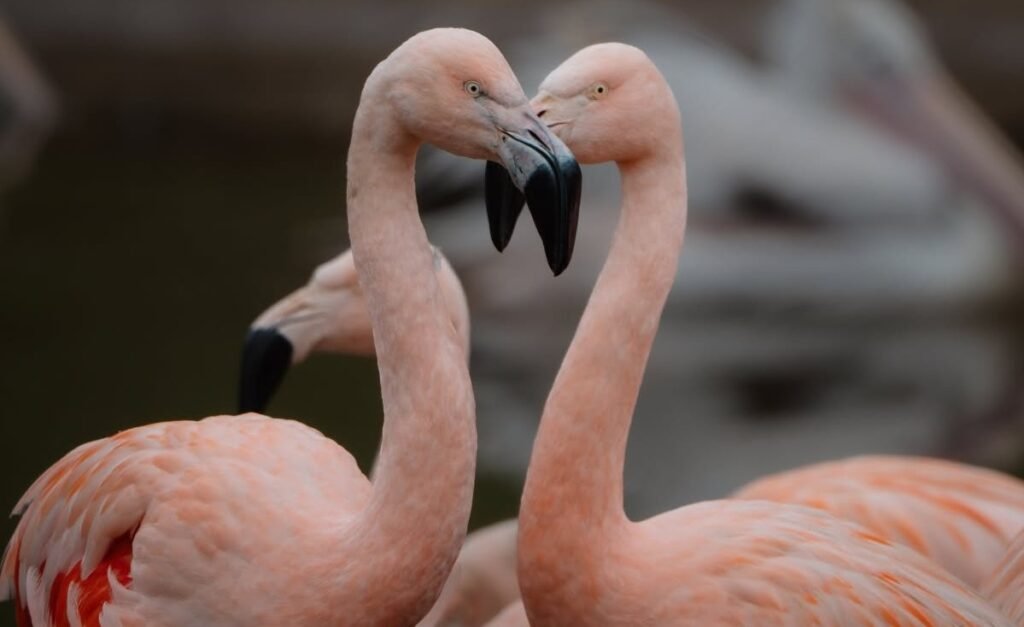
Seven Chilean flamingo chicks have hatched so far, with more expected to arrive over the coming days, as reported by Whats The Jam.
Bank Holiday visitors to the Wiltshire attraction could now spot the youngsters exploring among the adult flock.
Their signature pink colouring will gradually develop as they grow.

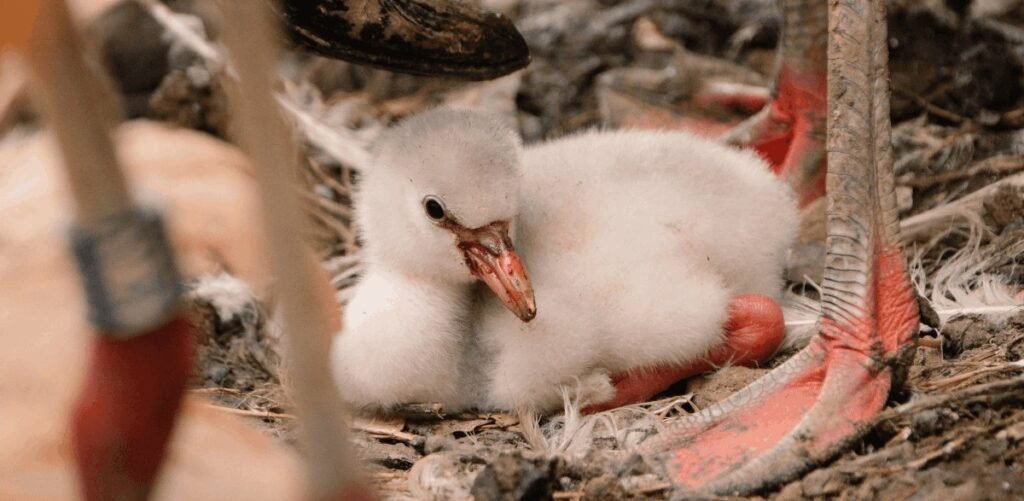
Flamingos acquire their colour from carotenoid pigments found in food including algae, shrimp and other crustaceans.
The chicks can take between two and three years to develop their full pink plumage.
Longleat’s latest arrivals join rare Amur tiger twins, a red panda cub and two capybara pups born at the park in recent months.
Darren Beasley, head of animal operations at Longleat, said: “It’s fantastic to have more new arrivals to round off the summer season.
“We’ve seen lots of success in our breeding programmes this year, and there’s no better year to do so than the 60th anniversary of the Drive-Through Safari.”
The baby flamingos will initially depend upon their parents for a highly nutritious substance known as crop milk.
It is rich in fat and protein and helps the chicks grow quickly before their specialised filter-feeding bills are fully developed.

Producing it can temporarily drain adult flamingos of some of their colour, leaving hard-working parents looking paler than other members of the flock.
Although flamingos are among the world’s most recognisable birds, none of the species occurs naturally in Britain.
Chilean flamingos originate in South America and are considerably tougher than their delicate appearance might suggest.
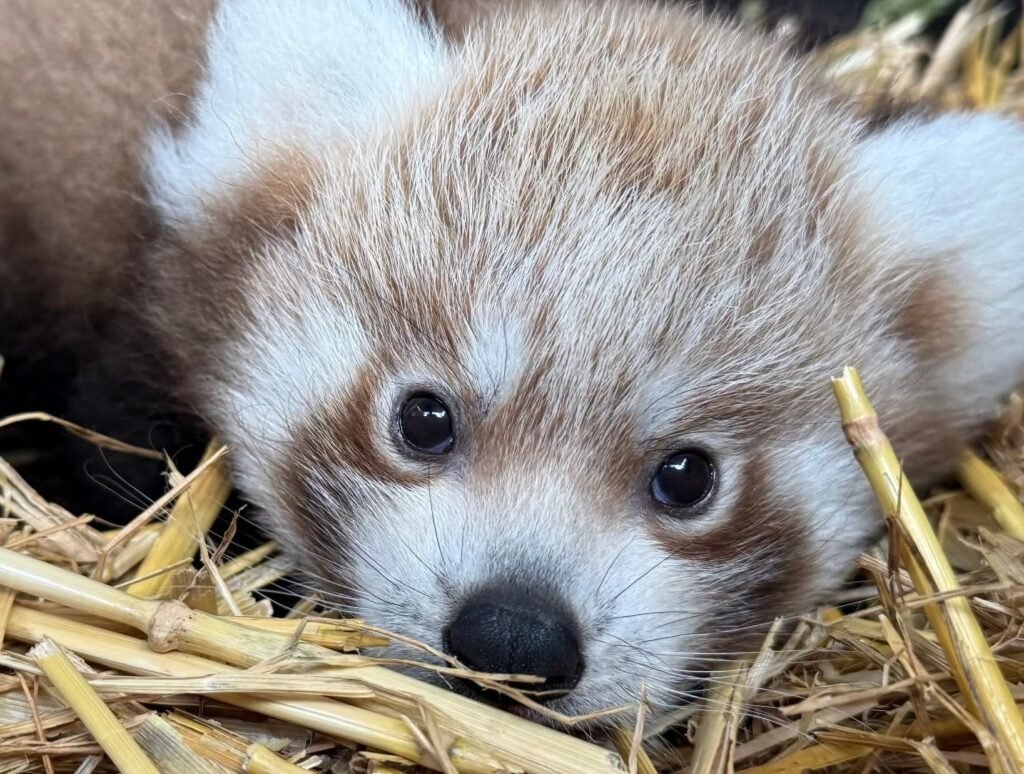
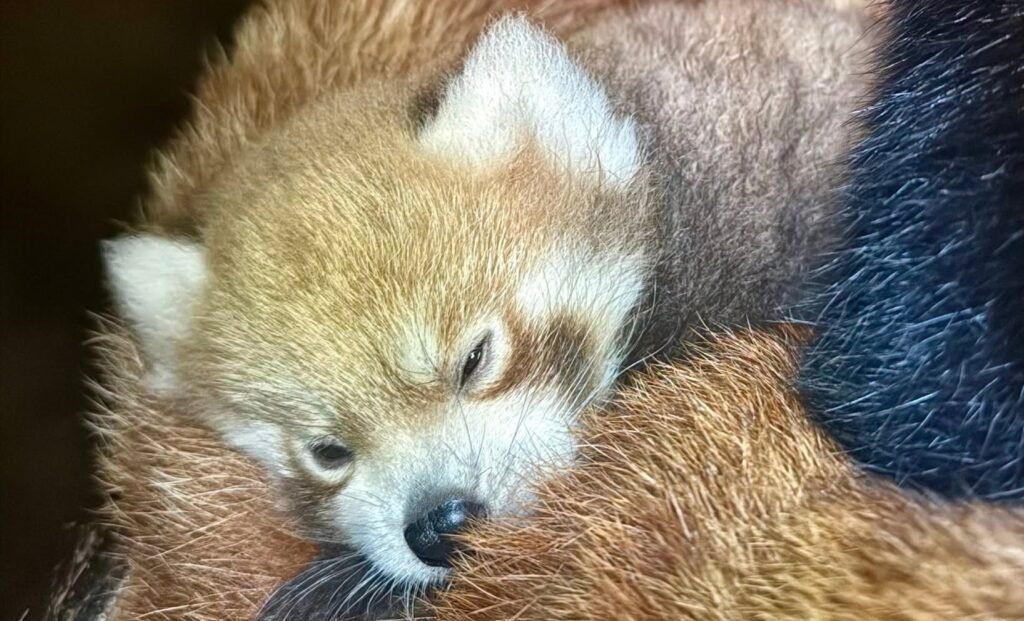
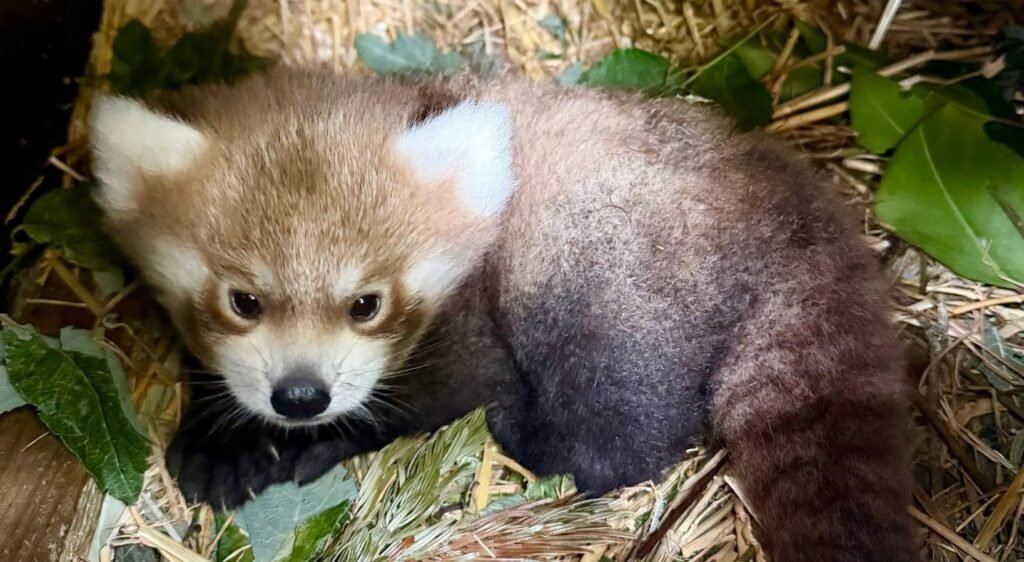
Elsewhere in Longleat’s Bank Holiday baby boom, Longleat’s male red panda cub has now reached eight weeks old and is developing his characteristic red colouring.
His mother Emma has been moving him between nest boxes as he becomes increasingly curious about his surroundings.
Keepers confirmed the cub was a boy during a recent health check but are still searching for the perfect name.
READ MORE: Photographs capture dolphins and octopus going to war off British coast