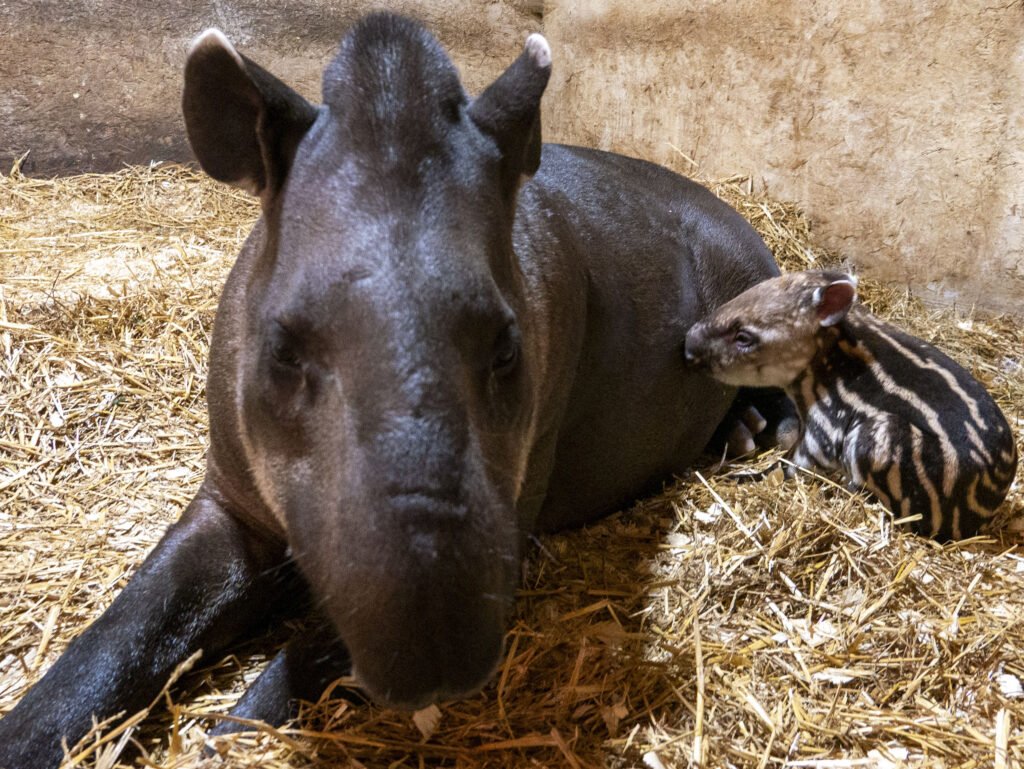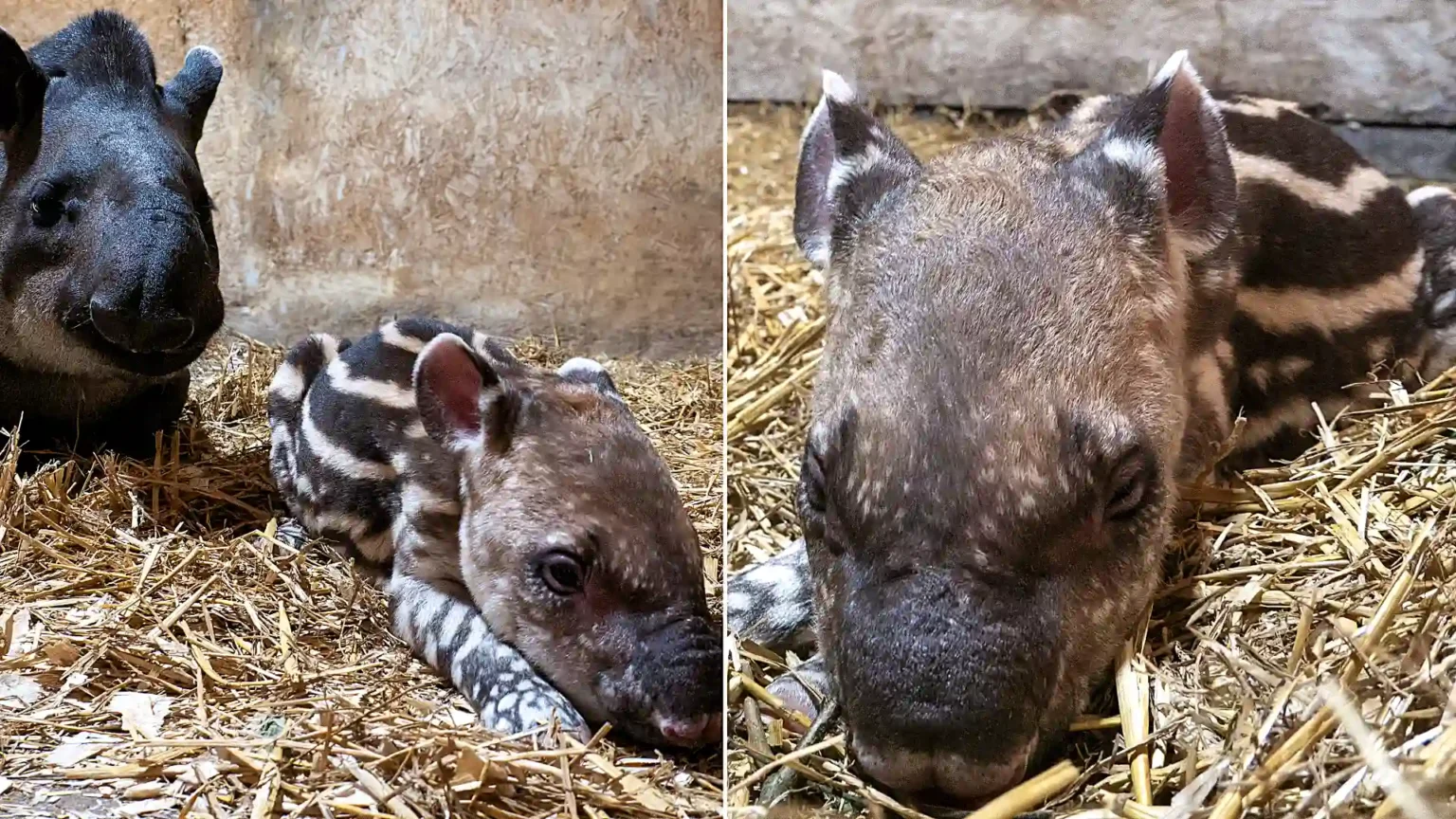


An adorable Brazilian tapir calf has been born in a British zoo in an “exciting milestone” and “conservation success story”.
Chana gave birth on Wednesday (5 August).
Unlike its parents, the cute calf is covered in stripes and is said to be strong, alert and confident.
READ MORE: Oink-credibly adorable red river hoglets born at Brit zoo
Meanwhile, Chana has settled into her role as a mother with ease.
Her youngster is still adjusting to its new surroundings and may not immediately be visible to visitors.
It was born at Dartmoor Zoo in Devon, as reported by What’s The Jam.
“In the last 12 months, just 15 calves have been born in zoos worldwide, and only one of them born in the UK, so this marks an excellent conservation success story for this ‘vulnerable’ species and an exciting milestone for Dartmoor Zoo,” said CEO Dr David Gibson.

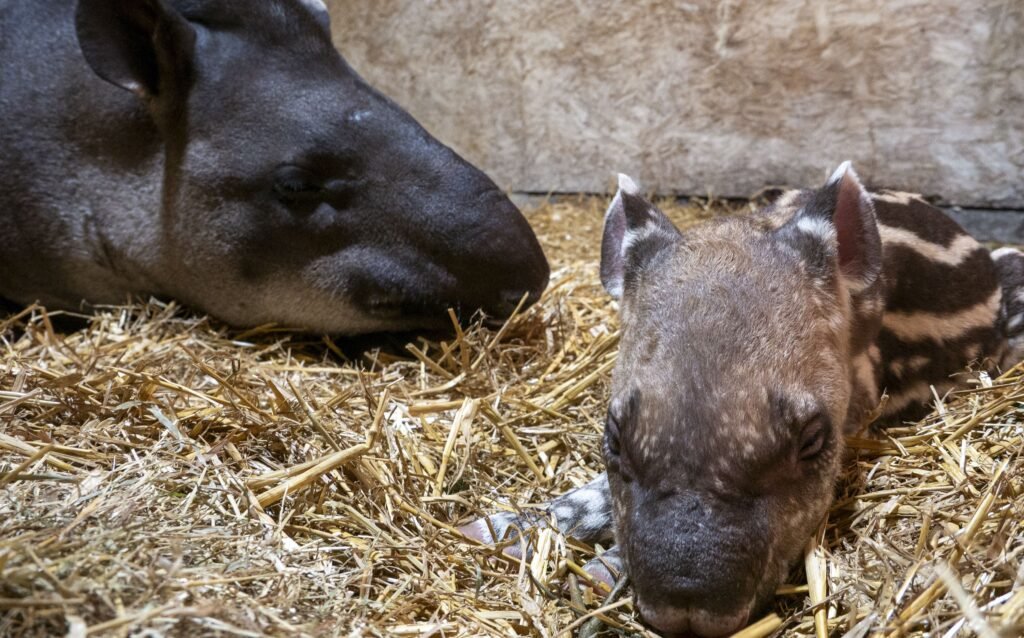
“The birth of this amazing animal comes almost exactly 10 years after the last Tapir was born at Dartmoor Zoo, Chana was the mother then too, making this arrival all the more special.
“With so few births globally, every one is vitally important for securing the future of this species.
“The birth of this adorable calf is testament to the excellent husbandry that our amazing team of keepers provides each and every animal within the zoo.”
Head keeper Jenna Crawford added: “I think I speak for the whole team when I say undecipherable squeak.
“This birth feels important for so many reasons; representing conservation, immense privilege and hope.
“I can’t wait to share this with you all, so please give our socials a follow to stay on top of the world’s cutest updates and macro doses of joy.”
There are an estimated 16,000 Brazilian tapirs left in the wild and the species is classified as vulnerable on the IUCN Red List.

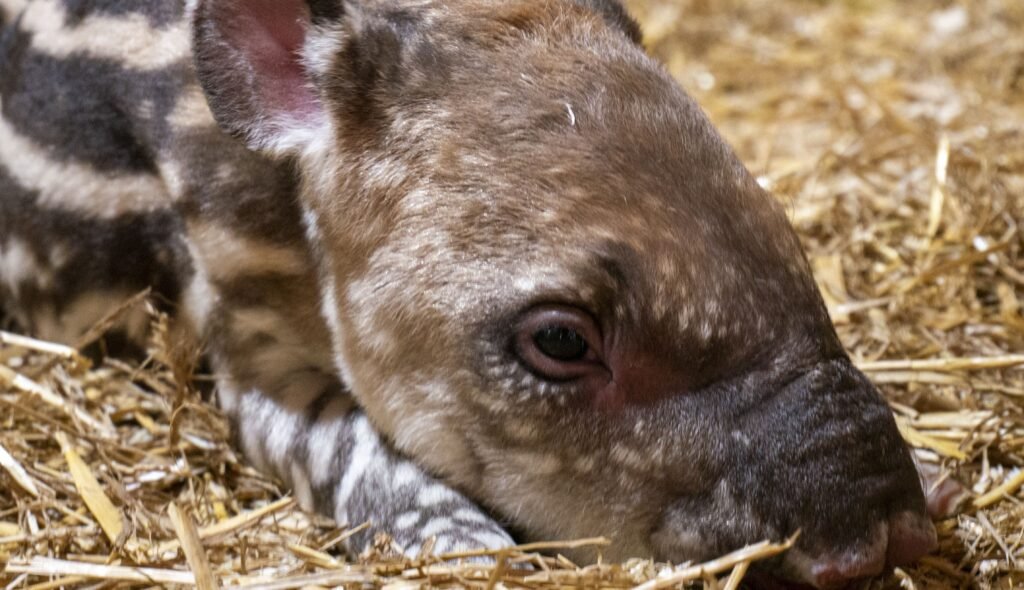
The animals face threats including deforestation, agricultural expansion, hunting and roadkill.
Brazilian tapirs inhabit tropical forests, wetlands and swamps across northern and central South America, with populations primarily found in the Amazon Rainforest and similar regions of Brazil, Colombia, Venezuela and northern Argentina.
As a semi-aquatic species, they require permanent water sources such as rivers and lakes for bathing, swimming and foraging.