

Twitchers are flocking to a remote Scottish island after one of the rarest exotic birds ever to visit Britain made a surprise appearance.
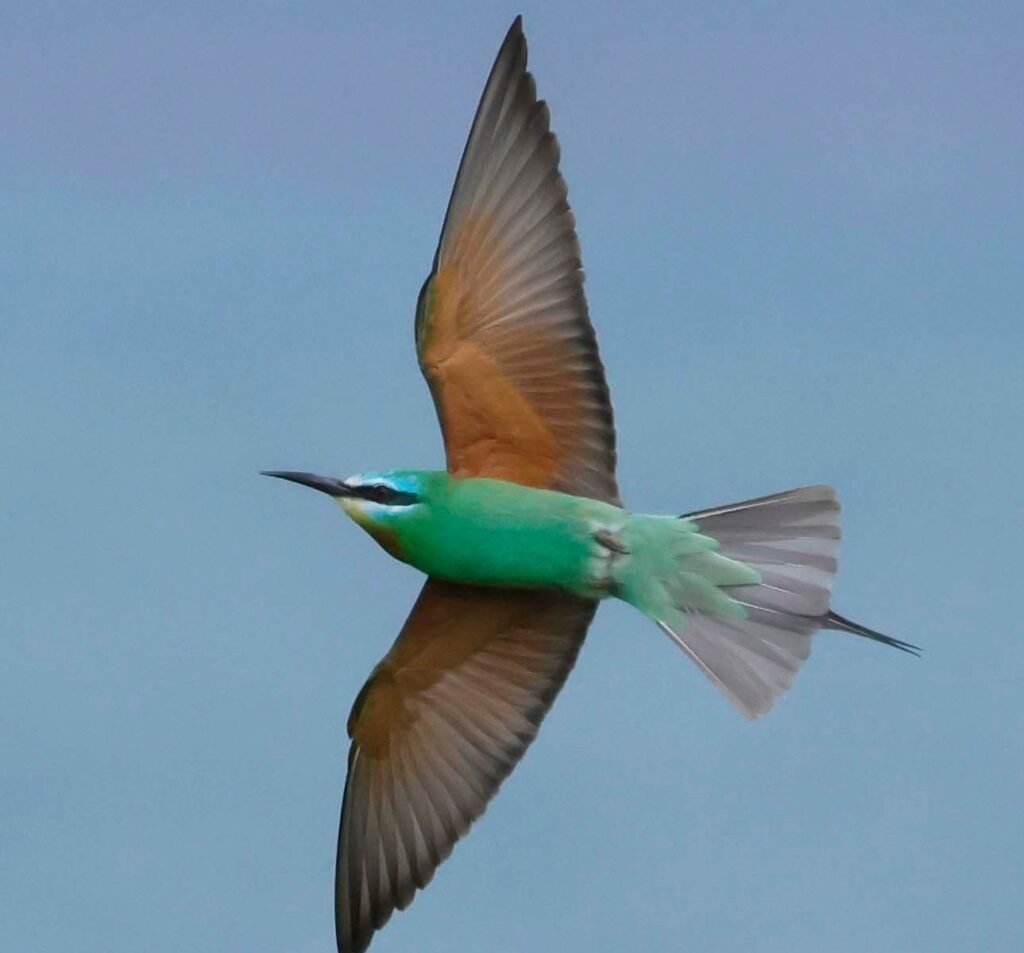
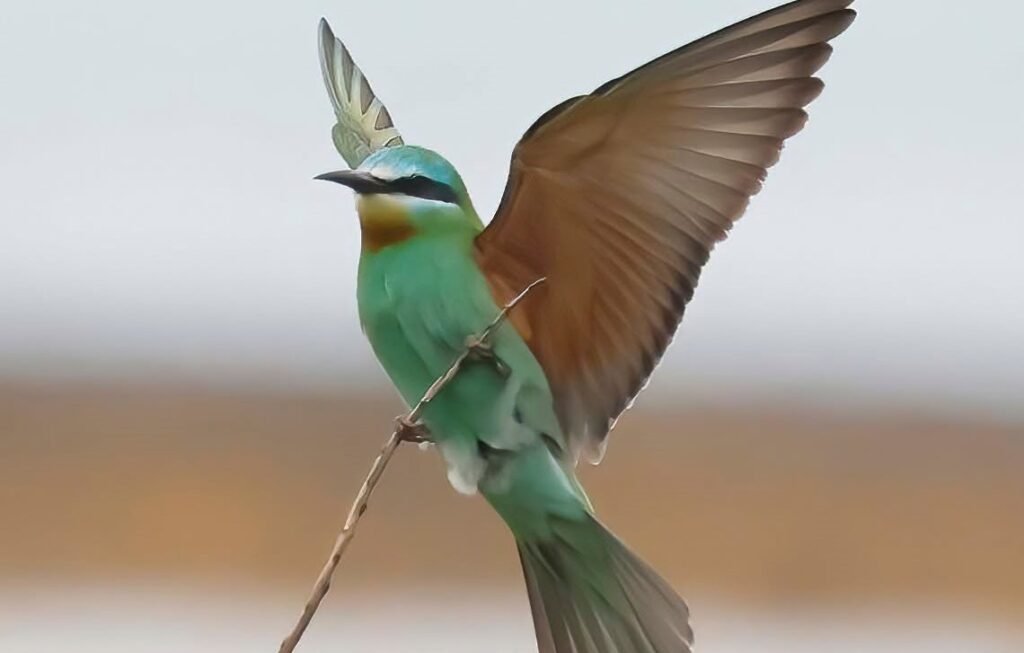
The spectacular blue-cheeked bee-eater has caused a flap on Orkney after being spotted on the island of Sanday.
The brightly coloured bird has only been recorded in Britain a handful of times, with just 12 previous sightings.
READ MORE: Stunned woman spots legendary ‘Beast of Rutland’ prowling field
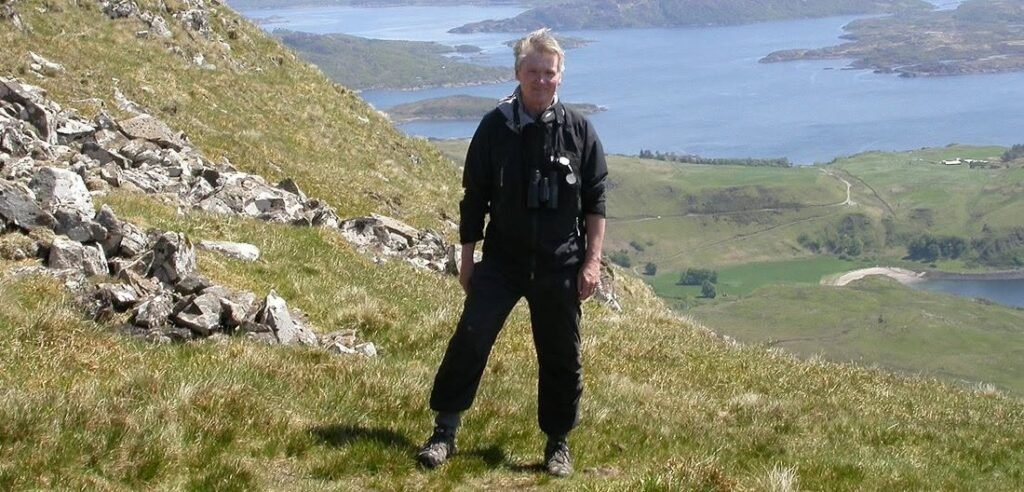
And dedicated birdwatchers are travelling hundreds of miles for the chance to catch a glimpse – including Ewan Urquhart, who made an epic 1,200-mile pilgrimage.
He travelled from Oxford to Sanday with two colleagues to spend just four hours watching the incredibly rare visitor, as reported by What’s The Jam.
He said: “So glad I and two colleagues made a hair raising gamble to travel all the way from Oxford to Sanday to spend four hours in the company of the fabulous blue-cheeked bee-eater and enjoy such friendliness and hospitality from all the folk on Sanday.

“When I saw it I was speechless as all the worriesome hours prior to this moment, the anxieties and endless speculation coalesced into catharsis and sheer unutterable joy.
“I was shaking.
“It was almost unbelievable.
“We watched in awe as it sailed over our heads, twisting and turning, swooping low and towering high chasing insects and in between flights perching on twigs and vegetation.
“You could feel the excitement thrumming like electricity through all who were here to witness.”

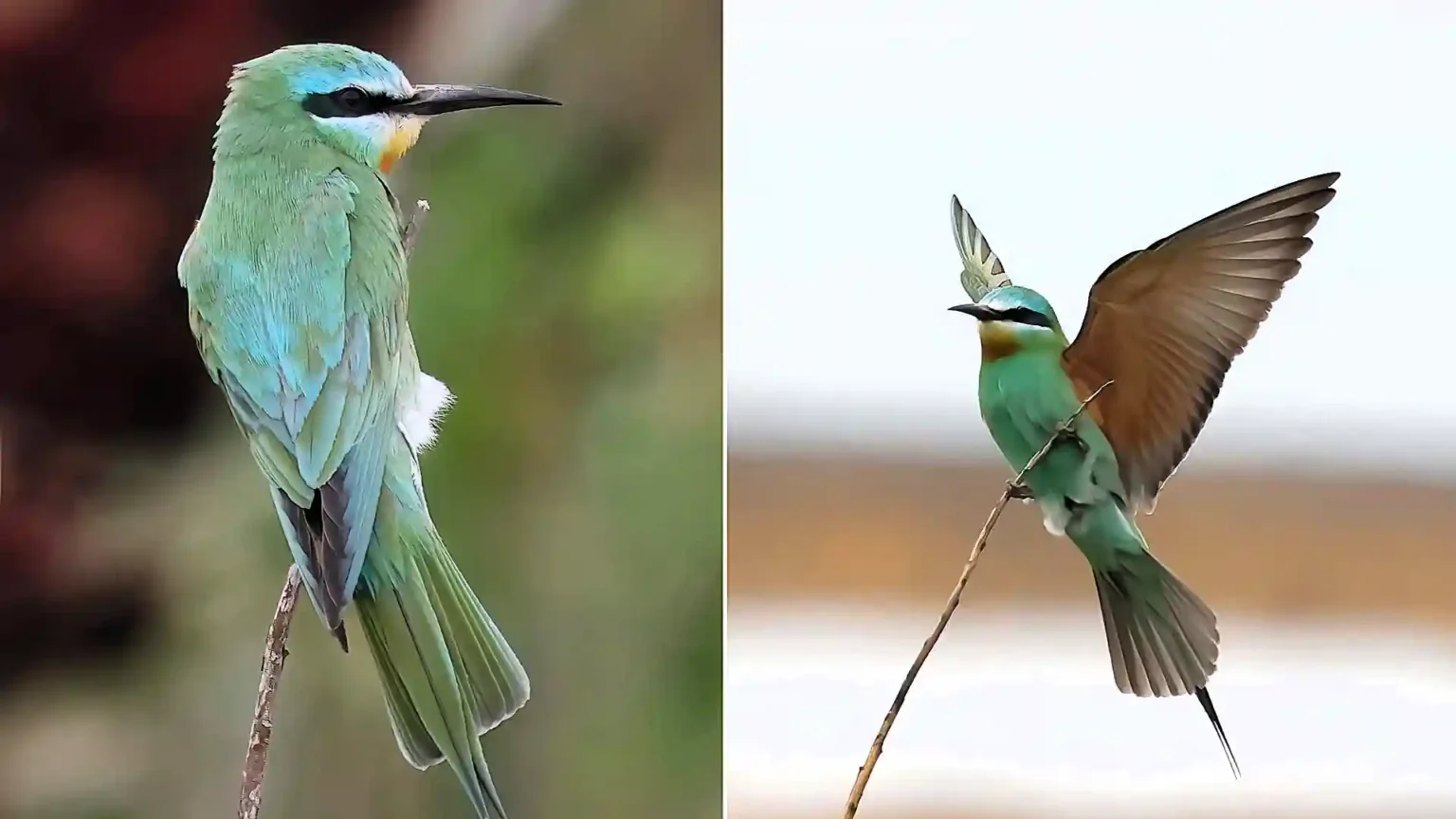
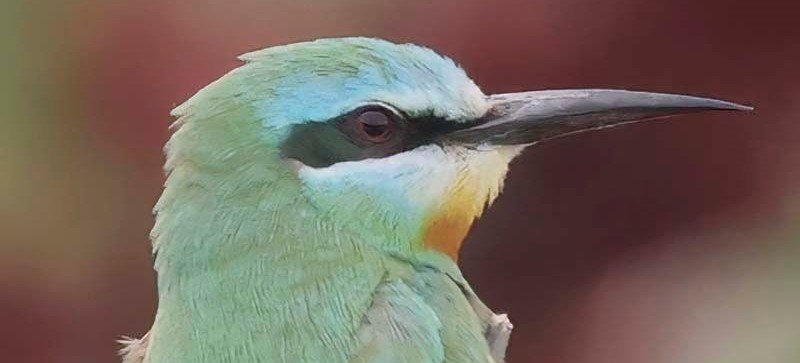
The blue-cheeked bee-eater is instantly recognisable thanks to its mostly green plumage and striking turquoise-blue colouring around its face.
It also has a black stripe running through its eye and elongated central tail feathers that give it a distinctive appearance when perched.
The species often sits on exposed posts or wires before swooping through the air to catch insects.
Blue-cheeked bee-eaters live in Africa and breed across northern Africa and the Middle East, with their range stretching from eastern Turkey to Kazakhstan and India.

They occasionally stray north of their usual breeding grounds, with most European sightings occurring in Italy and Greece.
Britain’s first accepted sighting dates back more than a century to 13 July 1921, when an adult bird was shot on St Mary’s in the Isles of Scilly.
But the latest feathered visitor on Orkney has already made history, becoming the longest-staying blue-cheeked bee-eater ever recorded in Britain.