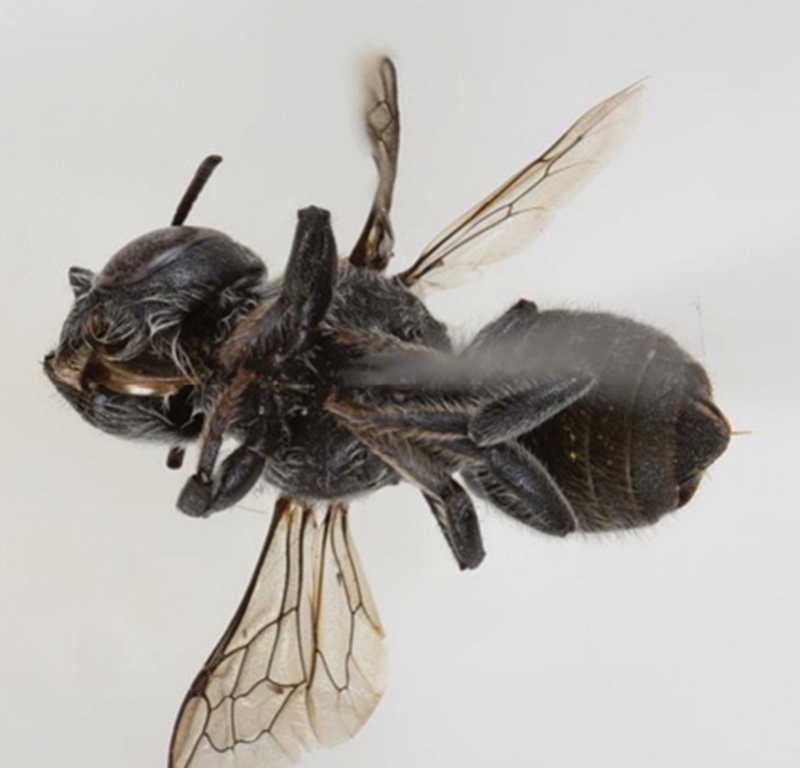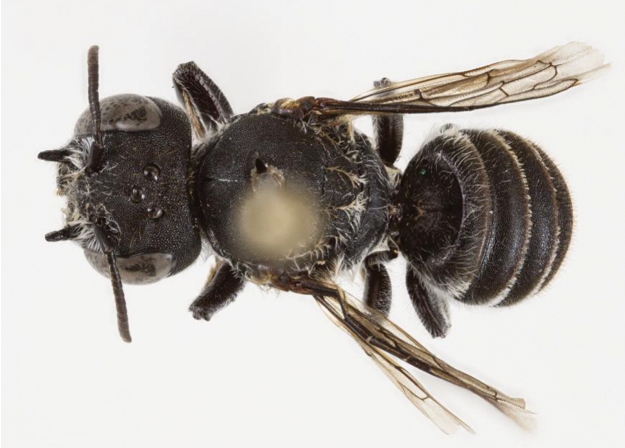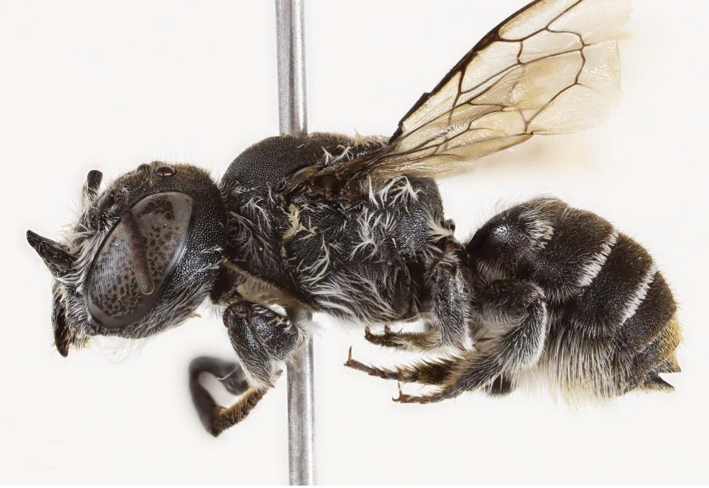


Scientists have discovered a new species of native bee – and it comes with tiny devil-like horns.
The leafcutter bee, suitably named Megachile Lucifer, was found by researchers studying a rare wildflower.
The insect’s highly distinctive, prominent horns are only found on the female bee, and are probably used as a defence mechanism or to collect pollen and other materials, experts say.
READ MORE: Man stunned as ‘thousands’ of walruses swarm his boat
The study’s lead scientist, Dr Kit Prendergast, said she was inspired to use the name Lucifer as she was watching the Netflix show of the same name.

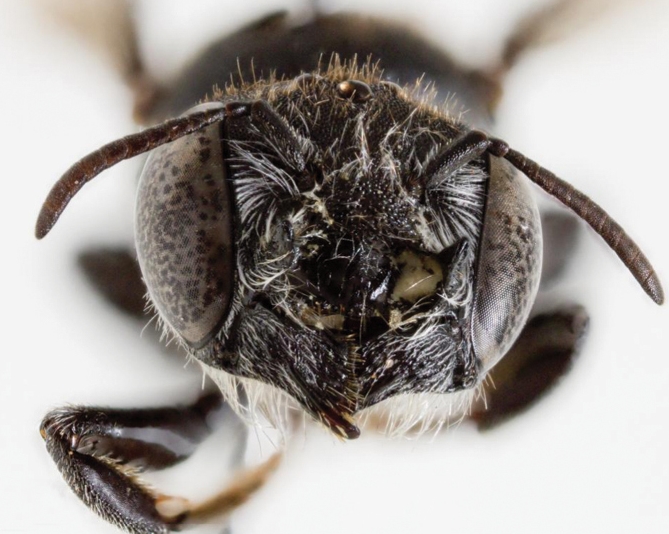
The bee was first spotted on a survey trip in 2019 in the remote Bremer Ranges, around 470km (292 miles) east of Perth, Western Australia.
The discovery marks the first new member of this bee group in 20 years, according to a study in the Journal of Hymenoptera Research, as reported by What’s The Jam.


“Lucifer is Latin for ‘light bringer’, and I hope this new species brings to light the wonders of our native bees,” said Dr Prendergast, of Curtin University, Perth, Australia.
Australia is home to more than 2,000 species of native bees, which play a crucial role in pollinating wildflowers and keeping ecosystems healthy.

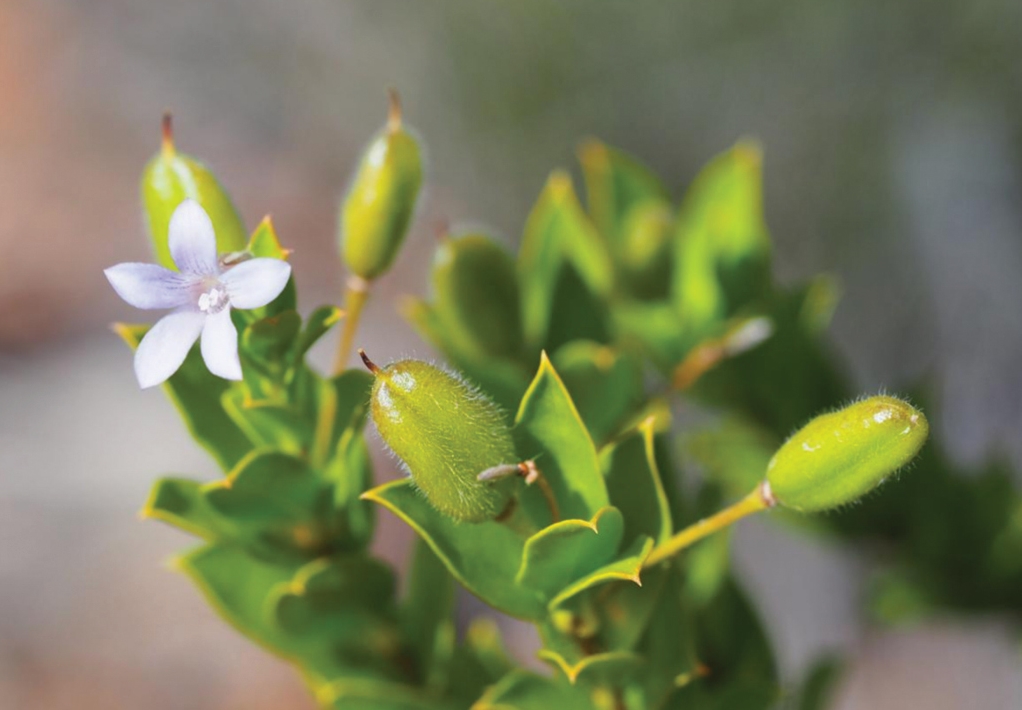
The discovery has sparked calls for greater protection of the Bremer Ranges, where both the new bee and the rare wildflower coexist.
Dr Prendergast added, “The area where we found Megachile Lucifer should be formally protected and gazetted as conservation land that cannot be cleared.”
READ MORE: Divers face off with shoal of giant tuna in incredible close encounter