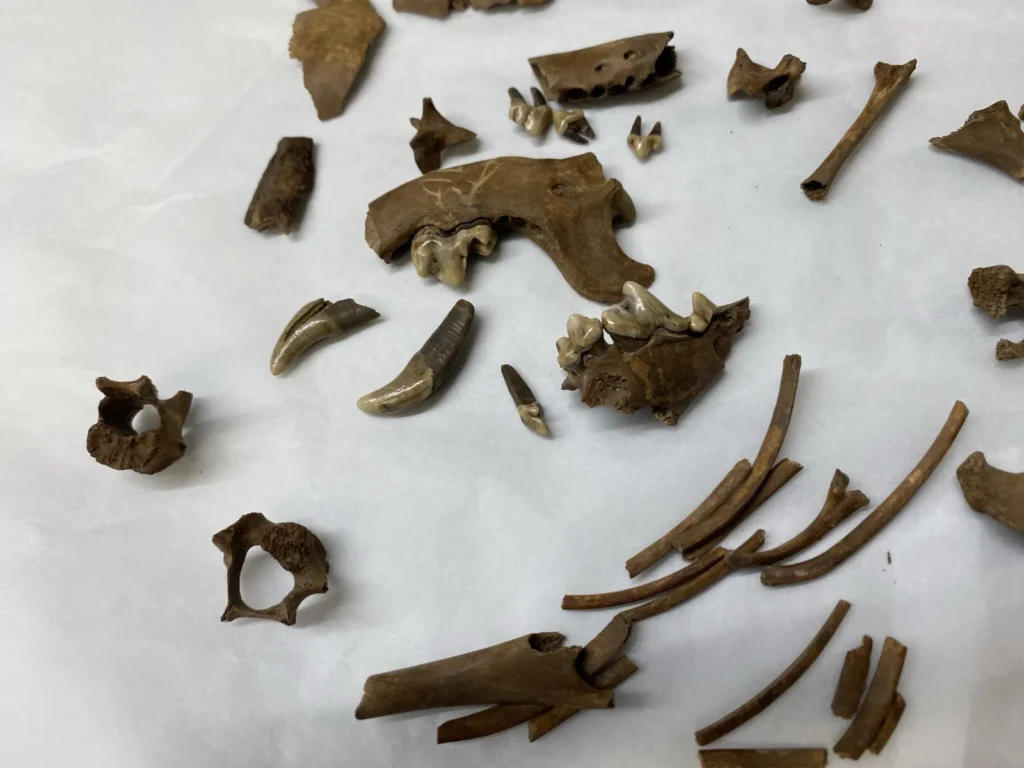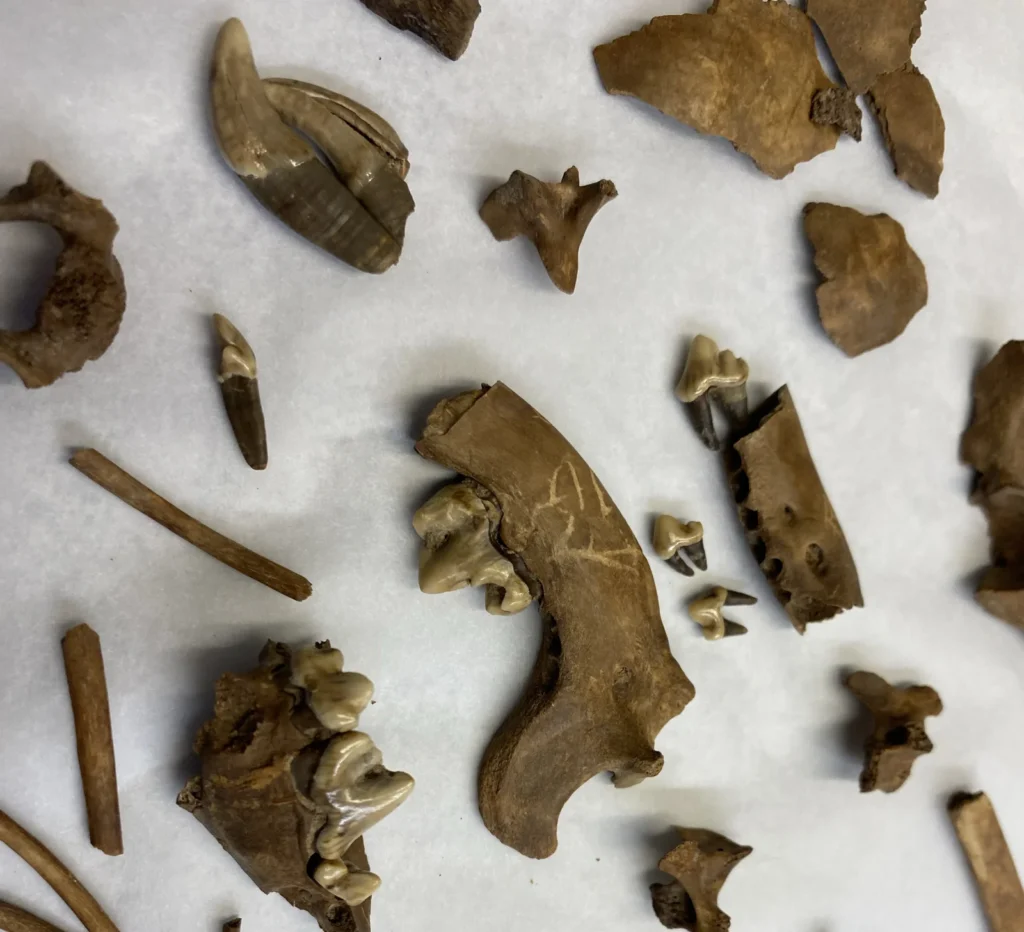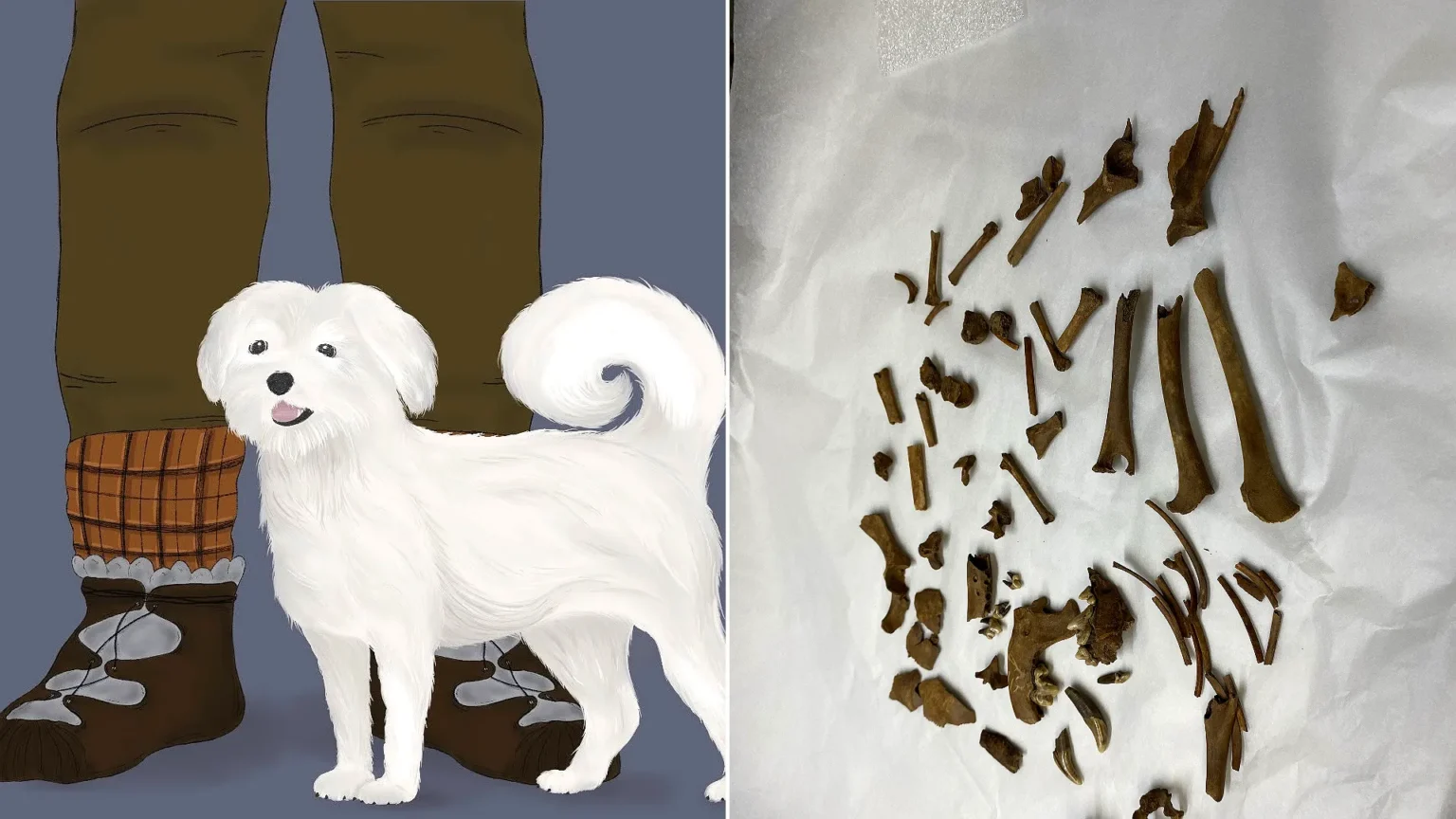

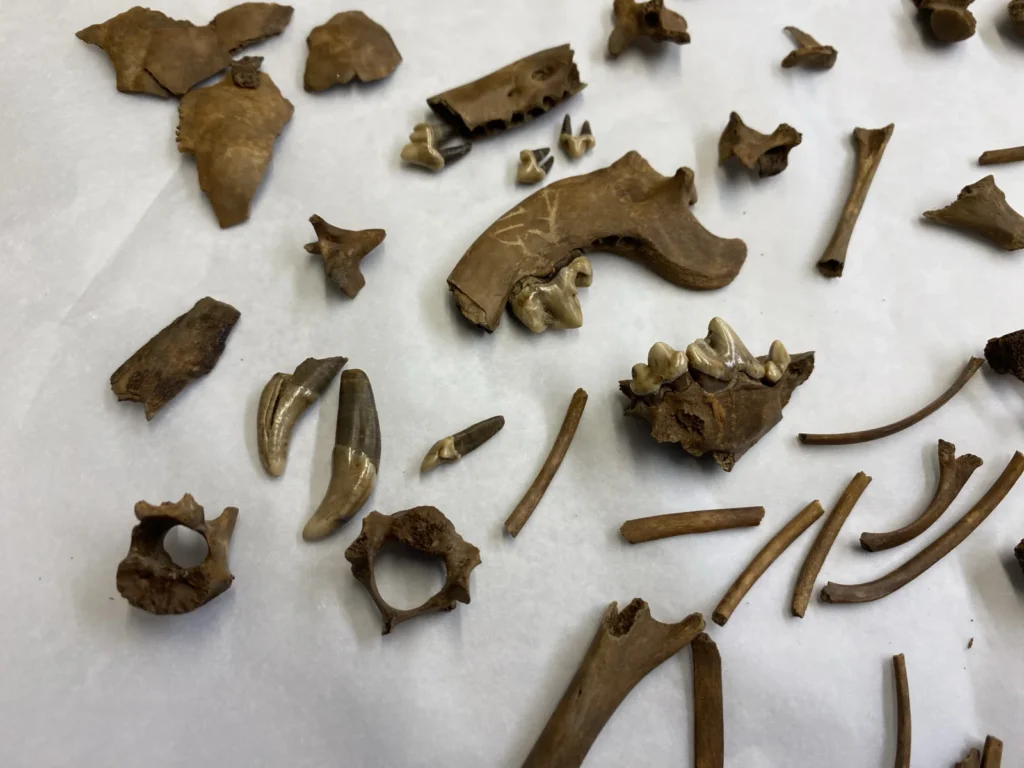
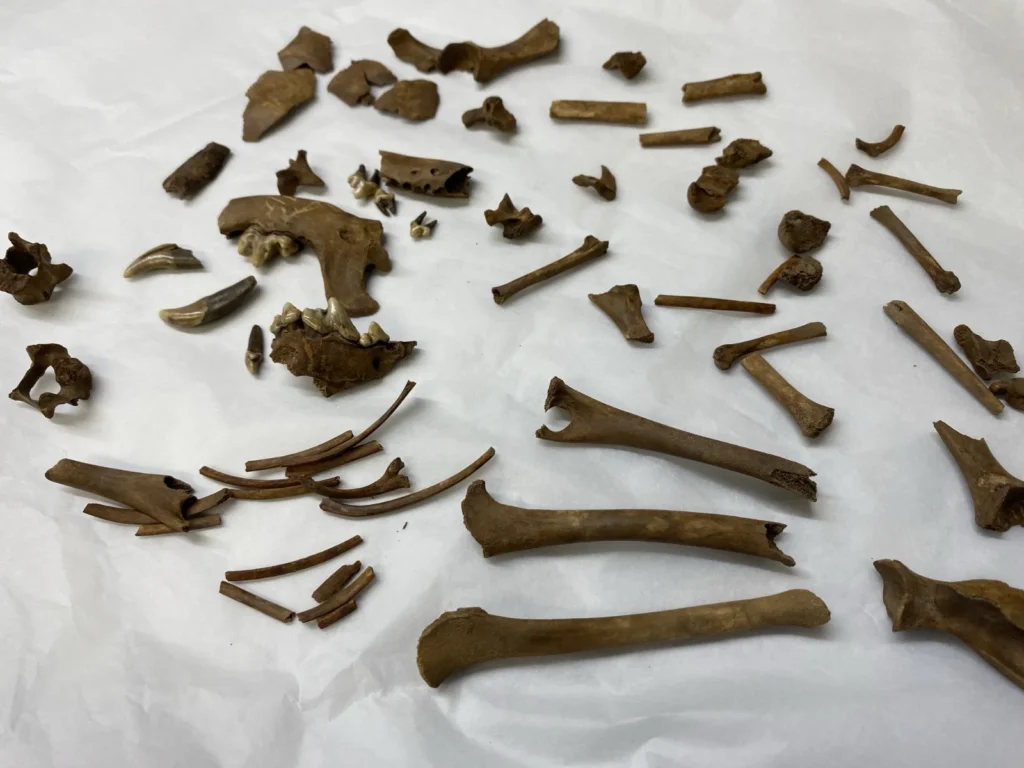
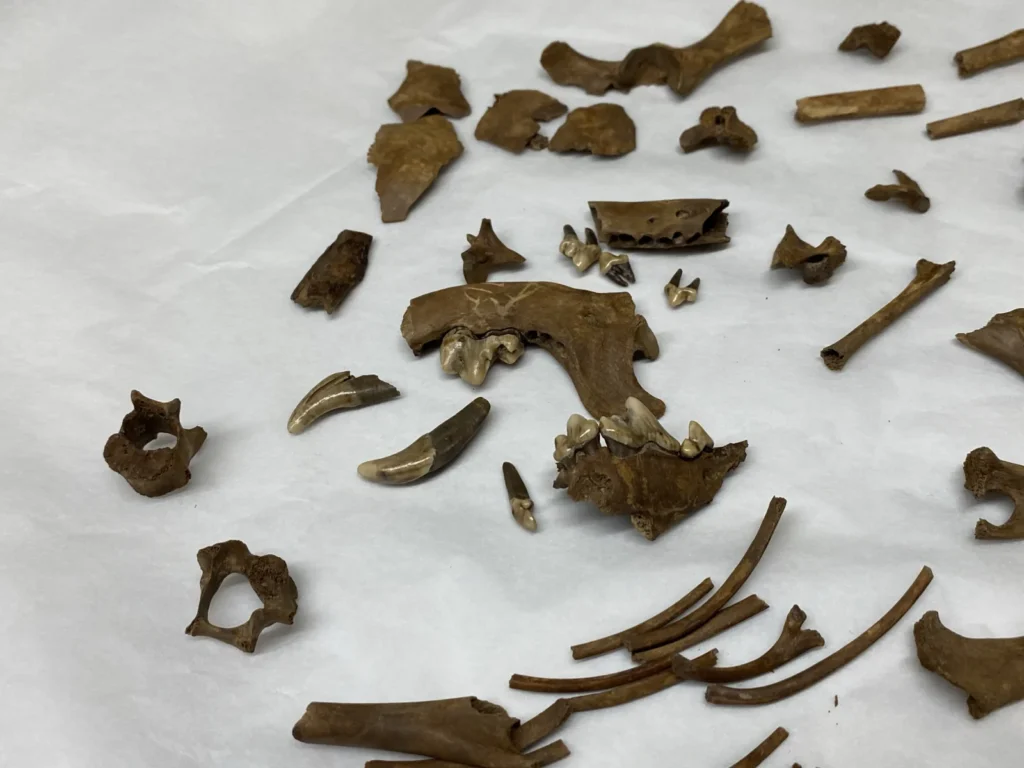
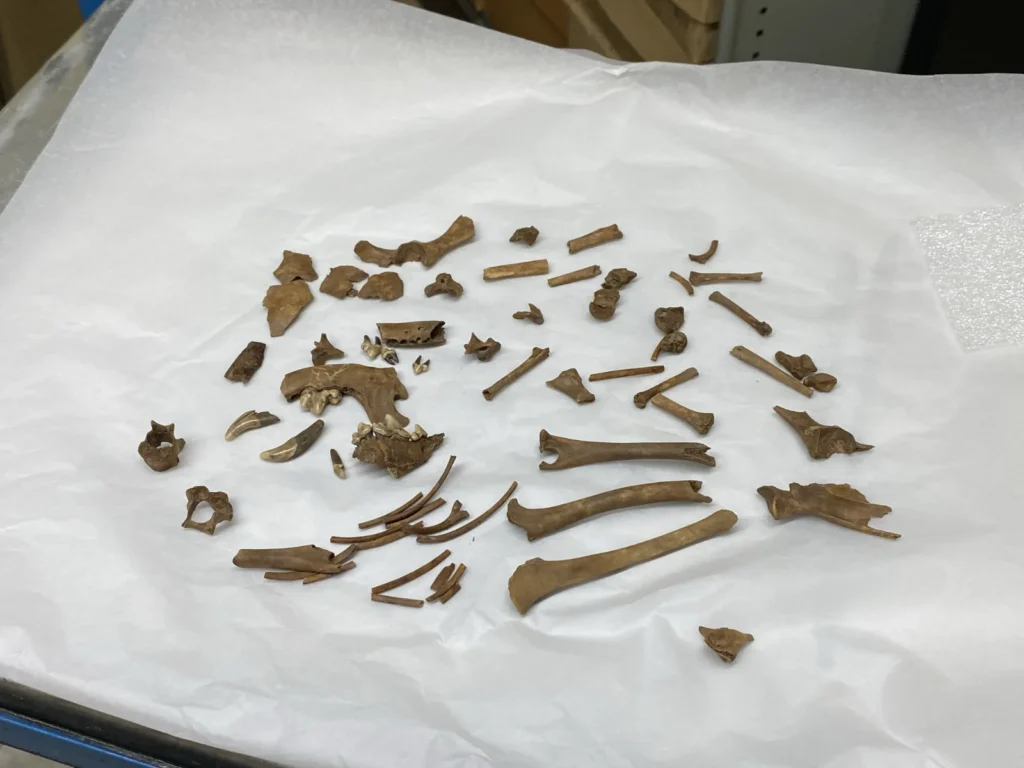
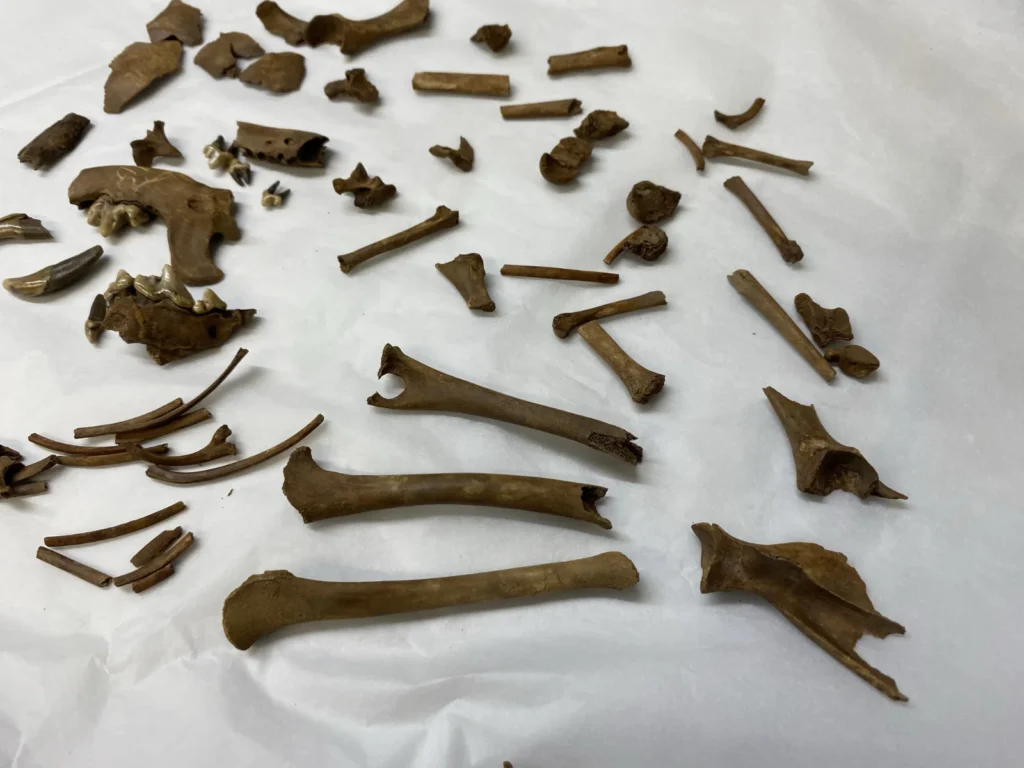
The remarkably complete skeleton of a tiny dog that lived 2,000 years ago could be Britain’s oldest known lapdog.
Archaeologists believe the puppy was kept for companionship rather than working, offering rare evidence that ancient Britons loved small house pets much as people do today.
The remains were unearthed in a field near Partney, Lincolnshire, during excavations by Wessex Archaeology.
READ MORE: Acrobatic skunk does perfect HANDSTAND on camera
- Advertisement -
Radiocarbon dating indicates that the animal lived between approximately 40BC and AD60 – spanning the closing years of the Iron Age and the Roman conquest of Britain in AD43, as reported by What’s The Jam.
The puppy was only around five to eight months old when it died.
However, its delicate bones show that even as an adult it would probably have stood just 20cm to 25cm – roughly eight to ten inches – at the shoulder.
Researchers have compared its likely size and appearance to a modern Maltese, although its exact breed cannot be established from the skeleton.
Its straight, slender leg bones and the shape of its skull distinguish it from the short-legged “dwarf hounds” used for hunting during the Iron Age and Roman periods.
- Advertisement -
Its tiny stature would also have made it unsuitable for guarding livestock or performing other demanding work.
Experts believe the vulnerable animal would have struggled to survive without people feeding, sheltering and protecting it.
Lorrain Higbee, principal zooarchaeologist at Wessex Archaeology, said: “This tiny animal from Partney in Lincolnshire offers a rare glimpse of a bond that today’s dog lovers will instantly recognise.
- Advertisement -
“It shows that from as early as 2,000 years ago, people in Britain were keeping dogs for companionship rather than just as working animals.
“While we cannot identify the dog with any modern breed, its size and skeletal form indicate it was a house pet that wouldn’t have survived without human care – a very unusual find in a rural setting of this date.”
Small companion dogs are known to have been fashionable within Greek and Roman society, particularly among wealthy families living in towns and villas.
But this animal was found at a comparatively modest rural farming site, making its presence especially surprising.
The discovery suggests that keeping tiny dogs purely as companions may not have been restricted to rich urban households.
The skeleton was found at Partney Leys during archaeological work connected to National Grid’s Viking Link, a 475-mile electricity interconnector between Britain and Denmark.
Almost 500 evaluation trenches and 50 larger excavation sites were investigated along the Lincolnshire section of the route.
Together, they uncovered evidence of human activity stretching from the Mesolithic period to modern times.
Other discoveries included Roman farming enclosures, evidence of ancient salt and pottery production and a previously unknown Anglo-Saxon cemetery containing more than 20 burials and grave goods.
John Hirst, site director at Wessex Archaeology, described working on Viking Link as “one of the great privileges” of his archaeological career.
He added: “Seeing the project progress from the fields of Lincolnshire to the pages of a publication is a reminder of archaeology’s value in preserving and sharing the stories of people who came before us.”
The puppy’s remains are now held by Lincolnshire Archives, where further research could reveal more about its health, diet and origins.
READ MORE: Meet Steve the chatty naked parrot who has stumped bird experts